What is the true cost of perfection? In the world of high-end Japanese cuisine, the word “omakase” is often tossed around, but its essence remains deeply rooted in a sacred trust between the guest and the master. When discerning diners search for a reputable omakase Singapore price, they aren’t merely looking for a transaction; they are seeking a gastronomic journey that honors centuries of Japanese culinary tradition.
At Sushi Masa by Ki-Setsu, we believe that a world-class meal is defined by the invisible details: the things you don’t see, but undoubtedly taste. While you may find a wide variety of Japanese restaurants and omakase restaurants in Singapore, few adhere to the strict, singular craftsmanship required to produce authentic Edomae sushi.
The Philosophy Behind the Omakase Singapore Price
Understanding the omakase Singapore price requires looking beyond the plate. In many omakase restaurants in Singapore, the cost is a reflection of logistics, but for us, it is a reflection of seasonal integrity. Omakase, meaning “I leave it to you,” implies that we assume the responsibility of sourcing the finest ingredients available on any given day.
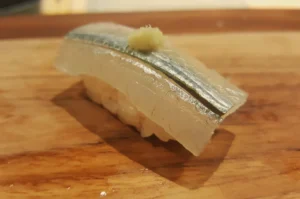
Our omakase experience is built upon the pillars of Edomae sushi. This traditional style is not just about raw fish; it is about the preparation, incolving curing, ageing, and marinating, to bring out the “umami” of each slice of seasonal sashimi. When you sit at our sushi counter, you are investing in a singular expertise. Unlike high-volume Japanese restaurants, we operate with a focused, intimate setting where every grain of sushi rice is seasoned to perfection to match the temperature of the fish.
The “price” of a meal is often debated in hushed tones, but in the context of a premium omakase, it represents the elimination of compromise. When a guest inquires about the omakase Singapore price, they are essentially asking about the lengths we go to for quality. It covers the specialized logistics of air-freighted premium seafood, the artisanal fermentation of our vinegar, and the years of discipline required for Chef Masa to master the tension of a single piece of nigiri sushi.
Why We Avoid the Most Affordable Omakase and La Carte Models
In a market filled with affordable omakase and most affordable omakase sets, one might wonder why a premium sushi establishment like ours chooses a more exclusive path. The answer lies in the limitations of the à la carte and mass-market models. When a restaurant offers à la carte dining, they must maintain a large, static inventory of fish, which often leads to a decrease in the freshness of the seasonal ingredients.
By strictly adhering to a Japanese omakase model, we ensure zero waste and maximum quality. We do not have to worry about whether a guest will order a specific fish; we know that every piece of premium seafood brought in from Toyosu Market will be served at its absolute peak during our omakase dinner. This is why you will rarely find the most affordable omakase labels attached to authentic Edomae establishments; the labour-intensive curing processes and the cost of top-tier sea urchin simply do not allow for “budget” shortcuts.
Chef Masa: A Singular Vision of Craftsmanship
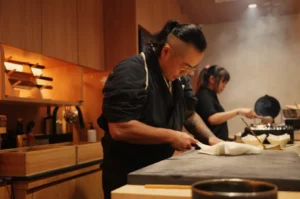
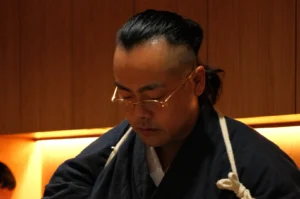
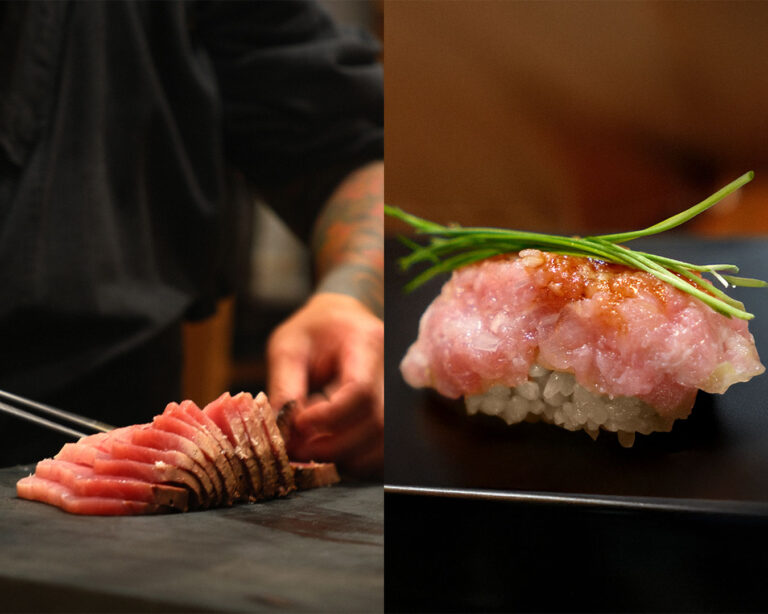
In an era of large culinary teams found in many Japanese restaurants, we maintain a rare commitment to a singular vision. Chef Masa, our master chef, oversees every element of the omakase dinner. From the selection of premium seafood to the precise knife work required for nigiri sushi, there is a consistency that can only be achieved when one pair of hands guides the entire meal.
A true sushi omakase is a performance of timing. Whether it is the delicate sweetness of sea urchin (uni) or a grilled dish prepared with fresh ingredients, Chef Masa ensures that each of the sushi courses is served at the exact moment of peak flavour. This level of dedication is what distinguishes a premium omakase from standard omakase menus.
In our kitchen, there is no “team of chefs.” There is only our chef, whose singular focus ensures that the gastronomic journey remains cohesive. This ensures that the signature dishes you experience are not merely replications of a recipe, but a direct expression of Chef Masa’s expertise. This individual attention is a hallmark of our Singapore outpost, where the relationship between the diner and the maker is direct and unfiltered.
The Art of the Shari: More Than Just Rice
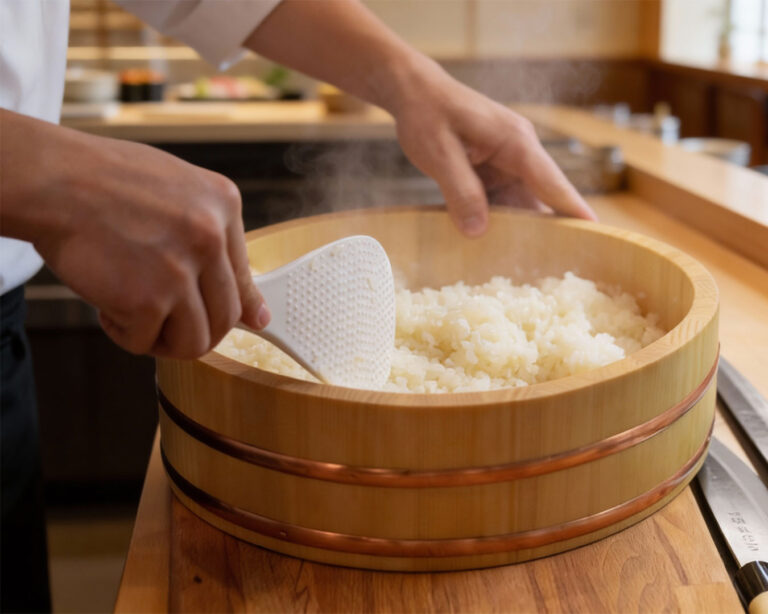
To understand the omakase Singapore price, one must understand the shari (sushi rice). While many focus on the fish, Chef Masa knows that the rice is the soul of the dish. We do not use standard commercial grains. We select premium ingredients even for the base of the meal.
The sushi rice at Sushi Masa by Ki-Setsu is treated with a proprietary blend of vinegars, often involving akazu (red vinegar) made from sake lees aged for several years. This gives the rice a deep, complex acidity that cuts through the richness of premium sushi selections. The preparation of this rice dish alone takes hours of washing, soaking, and precise steaming long before the first guest arrives; it is a labour of love.
Furthermore, the temperature of the rice is adjusted throughout the night. A master chef understands that cold rice numbs the palate, while overly hot rice masks the delicate notes of seasonal sashimi. This level of precision is why omakase in Singapore varies so wildly; at Sushi Masa by Ki-Setsu, the sushi served is a symphony of temperature and texture that you simply cannot find in a standard shopping mall sushi kiosk.
The Sourcing: From Toyosu to Singapore
The omakase menu features at Sushi Masa by Ki-Setsu are dictated by the freshest seasonal ingredients flown in directly from Toyosu Market. We do not compromise on premium ingredients.
A standard omakase meal at a high level includes:
- Seasonal appetisers to awaken the palate.
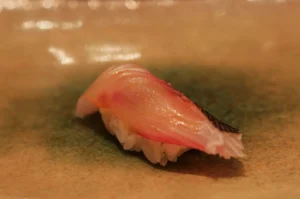
- An array of nigiri sushi showcasing Edomae style sushi techniques.
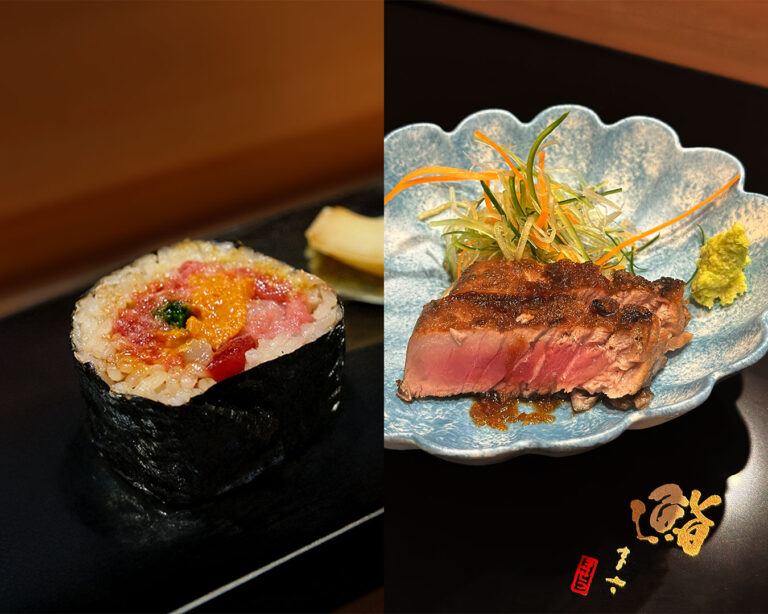
- Hot dishes and grilled seafood that provide a cooked contrast to the raw selections.
- A traditional finish of miso soup and a refined dessert.
By focusing exclusively on a dinner omakase model, we ensure that our attention is never divided. Unlike establishments that offer a lunch omakase, lunch menu, or lunch sets, our energy is entirely preserved for the evening’s omakase courses. This ensures every special occasion celebrated with us is met with meticulously prepared excellence. This dinner only philosophy allows Chef Masa the time during the day to receive fresh produce, prep the seasonal ingredients, and ensure that the premium seafood is at its absolute prime by the time the sun sets.
Seasonal Availability: The Japanese Calendar in Singapore
One of the most rewarding aspects of the Japanese omakase is the rotation of the seasons. In Japanese culinary tradition, there is a concept called shun—the exact moment an ingredient is at its peak.
- Spring: You may find sayori (halfbeak) or the tender takenoko (bamboo shoots).
- Summer: The season for uni (sea urchin) reaches its zenith, offering a creamy, briny sweetness.
- Autumn: We welcome the rich, oily sanma (Pacific saury) and various assorted sashimi options.
- Winter: The time for the prized buri (yellowtail) and the heart-warming soup and dessert combinations.
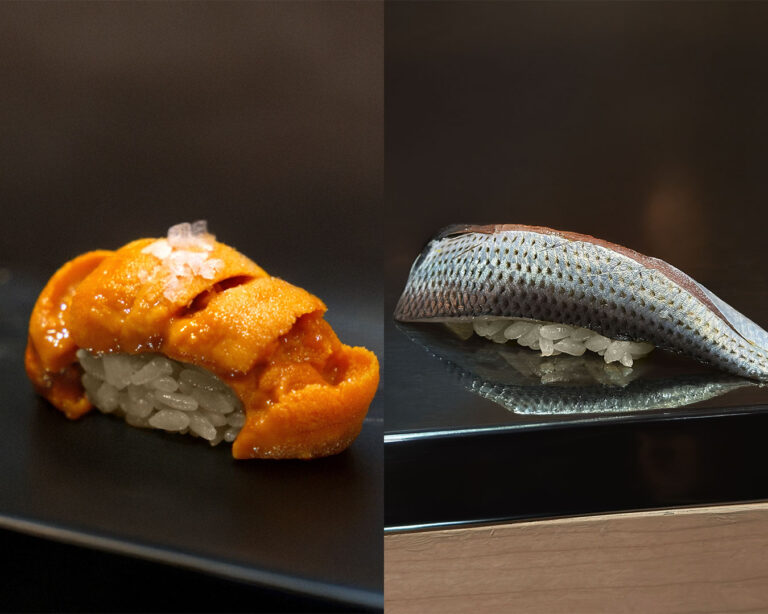
When guests compare omakase menus ranging in price, they are often comparing different tiers of shun. Because we source only the finest ingredients, our omakase Singapore price reflects the cost of securing these rare, fleeting delicacies before they disappear.
- A Note on Our Philosophy: Please note that the ingredients mentioned above serve as a guide to the seasons and are not guaranteed. Because we do not operate with a fixed menu, Chef Masa curates each evening’s selections based on the daily catch and the absolute best fresh produce available at the market. This fluid approach ensures that your dining experience is always a reflection of nature’s current bounty, rather than a predetermined list.
Comparing the High-End Dining Experience
When navigating the world of Japanese restaurants, you will encounter many famous names. Some may look for different interpretations of the craft. Each of these omakase restaurants has its own philosophy.
However, the Sushi Masa by Ki-Setsu dining experience is uniquely anchored in the singular mastery of Chef Masa. We do not aim to be the largest or most famous; we aim to be the most authentic. We focus on the intimate setting of our sushi counter, where the guest can witness the Edomae sushi tradition firsthand. This focus on “singular quality” over “mass appeal” is what defines our position in the Singapore culinary scene.
The Edomae Technique: Curing and Ageing
The hallmark of Sushi Masa by Ki-Setsu is our commitment to Edomae sushi. This is a method of “working” the fish rather than just serving it raw. Chef Masa utilizes several traditional techniques:
- Su-jime: Marinating silver-skinned fish in vinegar to brighten the flavour.
- Shio-jime: Drawing out excess moisture with salt to concentrate the umami.
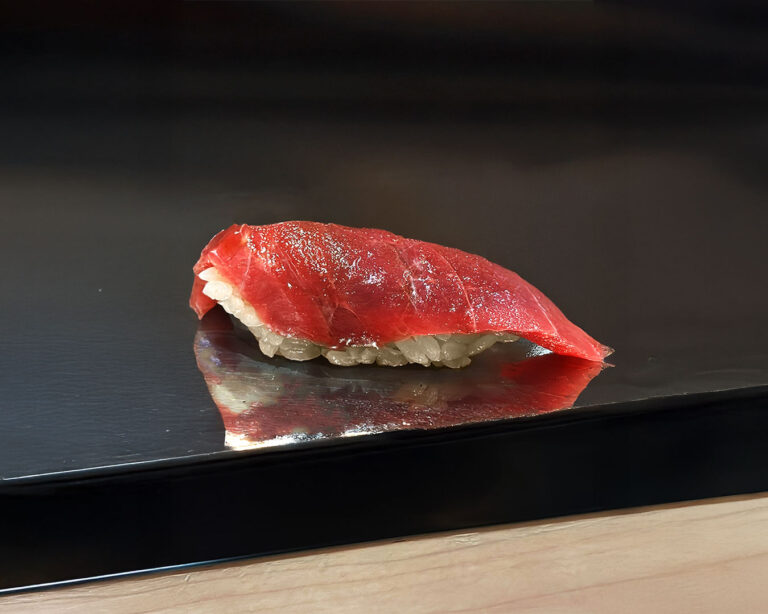
- Jukusei: Ageing certain white fishes or tuna to break down fibers and create a buttery texture.
This is why you will not find a rice bowl or chirashi don at our counter. Each piece is part of a curated gastronomic journey. The nigiri sushi you receive has been seasoned with ponzu sauce, brushed with nikiri (house-made soy glaze), or topped with a touch of freshly grated wasabi. This is the difference between a standard meal and a premium omakase.
Quality Over Price: The Discerning Choice
It is a common misconception that all omakase in Singapore offers the same value. The market is saturated with options, from the most affordable omakase spots to high-end Japanese restaurants. However, the gap between a good omakase and a world-class one lies in the provenance of the fresh produce and the skill of the hands preparing it.
True value isn’t found in the lowest number; it’s found in the ratio of quality to cost. To truly understand why the “cheapest” option often leads to a compromised experience, perhaps through frozen fish, we invite you to read our deeper exploration on Quality Over Price: Debunking the Myth of “Omakase Singapore Affordable”.
We believe that for a special occasion, the omakase Singapore price should be viewed as an entry into a world of uncompromising standards. Whether it is the sushi rice polished to a specific grain size or the grilled dish prepared over precise heat, these elements justify the investment.
An Invitation to the Japanese Omakase Counter
A meal at Sushi Masa by Ki-Setsu is more than just sushi served on a plate; it is an immersion into the heart of Edomae style sushi. While omakase menus ranging across the city offer various entry points, we remain steadfast in our commitment to premium sushi selections and the artistry of Chef Masa.
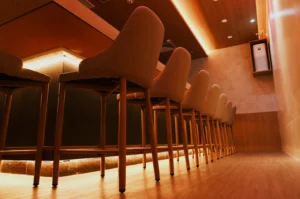
Located at Cuppage Plaza, we provide an intimate setting that escapes the noise of the city. Here, the omakase Singapore price is not a barrier, but a bridge to an authentic Japanese omakase that respects the fish, the season, and the diner.
We invite you to join us for a dinner omakase that transcends the ordinary. It is a place where every omakase set is a masterpiece and every guest is part of our Japanese culinary tradition.