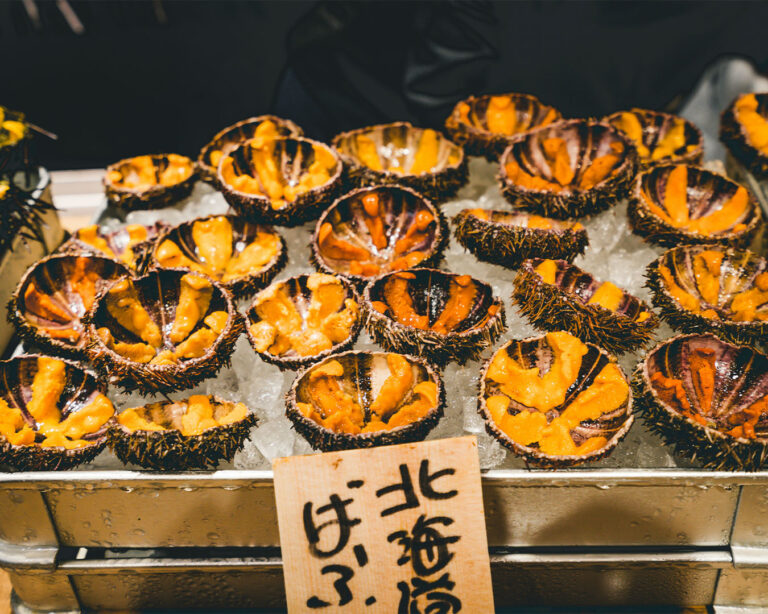
Few ingredients in Japanese cuisine carry the allure and mystique of bafun uni, often called the “yellow gold” of the northern seas. Its vibrant light orange hue, delicate creamy texture, and profound umami flavor make it one of the most coveted treasures of sushi connoisseurs worldwide.
Commonly found in Hokkaido, bafun uni represents more than just a luxurious ingredient; it embodies centuries of culinary tradition, careful seasonal harvesting, and meticulous handling that preserves its fragile nature. For food enthusiasts and culinary students alike, understanding uni goes beyond taste; it’s a study in the interplay of texture, flavor, and tradition.
The Origins of Bafun Uni: History and Geography
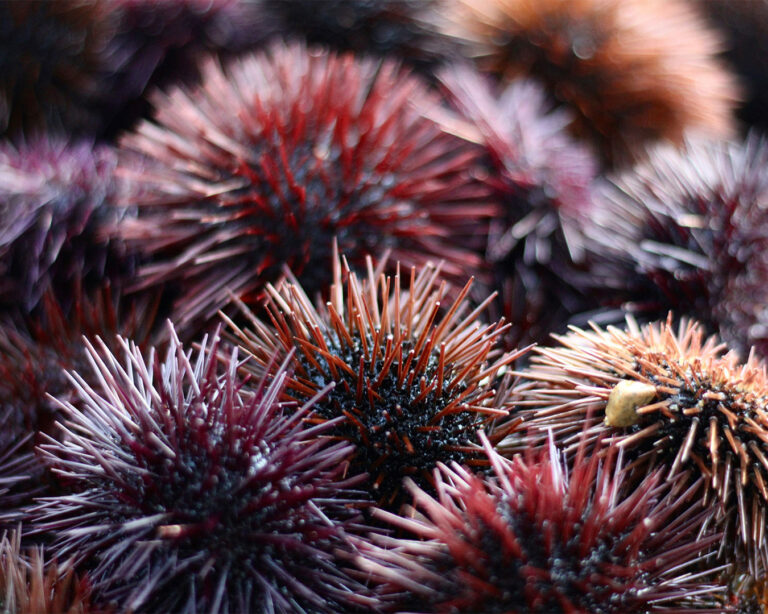
Bafun uni is a species of sea urchin indigenous to the colder waters of northern Japan, primarily along Hokkaido’s coasts. Its name, derived from the Japanese term for “horse’s tail” urchin, reflects the characteristic shape and spiny exterior of the shell.
- Region: Northern Hokkaido, including Erimo and Rishiri coasts.
- Habitat: Rocky seabeds rich in kelp, which is crucial for the urchin’s diet and umami development.
- Comparison: While murasaki uni is slightly larger, darker in color, and firmer in texture, bafun uni is prized for its soft, creamy consistency and intense sweet-salty flavor.
Historically, fishermen harvested bafun uni using small hand nets or diving techniques. Traditional methods ensured that only fully ripe specimens were collected, maintaining the quality that sushi artisans rely on to deliver a premium experience.
Seasonal Patterns and Harvesting Techniques
Bafun uni is highly seasonal, with peak harvest periods between June and August. This timing is critical: the urchins accumulate natural sugars and develop their characteristic rich, creamy texture during warmer months when their diet of kelp is abundant.
Key Seasonal Notes
| Season | Quality Notes |
|---|---|
| Spring (Apr-May) | Smaller, slightly firm, subtle taste |
| Summer (Jun-Aug) | Peak umami, light orange hue, creamy |
| Fall (Sep-Oct) | Slightly denser, rich flavor, but shorter shelf life |
| Winter (Nov-Mar) | Limited stock, flavor can be less sweet |
The catch is highly dependent on ocean conditions, water temperature, and the urchin’s diet. Fishermen often inspect the weight and shape of individual urchins to determine ripeness; smaller, lighter urchins may indicate immature roe, while bigger, plump specimens are preferred for direct sushi consumption.
Anatomy and Quality Assessment
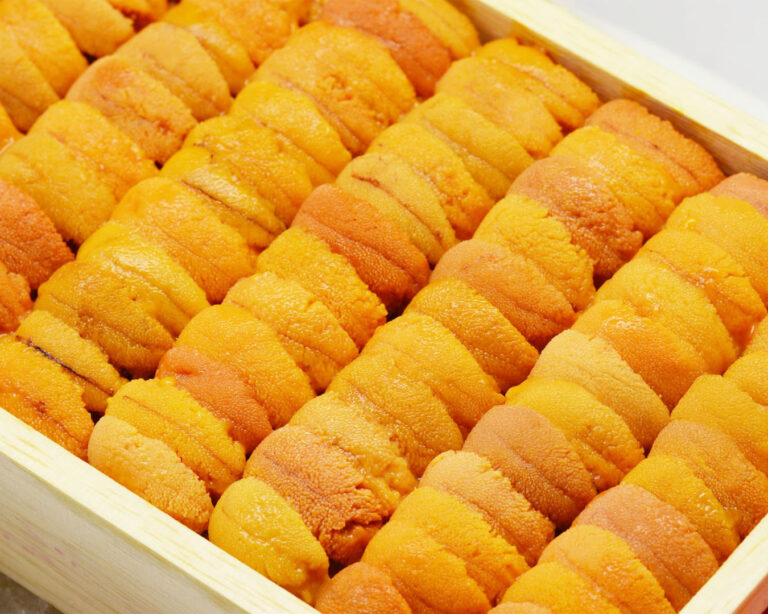
Understanding bafun uni requires knowledge of its physical characteristics. Unlike other urchins, bafun uni has a lobed structure: typically five segments, each housing the creamy roe.
Primary Quality Indicators:
- Color: Ranges from light orange to deep yellow. The orange hue signals optimal ripeness.
- Texture: Creamy, soft, yet firm enough to hold shape on trays or sushi rice.
- Shape: Lobes should be uniform and plump; irregular or collapsed segments may indicate poor handling.
- Smell: A clean, oceanic scent is essential; any fishy odor points to aging or improper storage.
- Weight: Typically measured per tray; uniform weight ensures consistency for orders in traditional establishments.
When displayed on the cart or in storage, careful arrangement in trays preserves the lobes from crushing, ensuring each piece reaches the diner in pristine condition.
Flavor Profile: The Science of Sea Urchin Umami
The appeal of bafun uni lies in its multilayered umami: a taste that excites the palate with savory sweetness and a lingering oceanic note.
Flavor Notes:
- Sweet, buttery finish
- Rich, slightly briny undertone
- Creamy mouthfeel that melts smoothly
- Subtle nutty aroma, dependent on the urchin’s diet
Chemically, the umami intensity is attributed to free amino acids, particularly glutamate, and nucleotides like inosinate. This combination explains why bafun uni is considered one of the most umami-rich seafood items in Japanese cuisine.
Culinary Applications: Sushi and Beyond
Bafun uni is commonly featured in sushi and traditional omakase experiences, celebrated for its ability to enhance simple preparations without overpowering them.
Common Presentations:
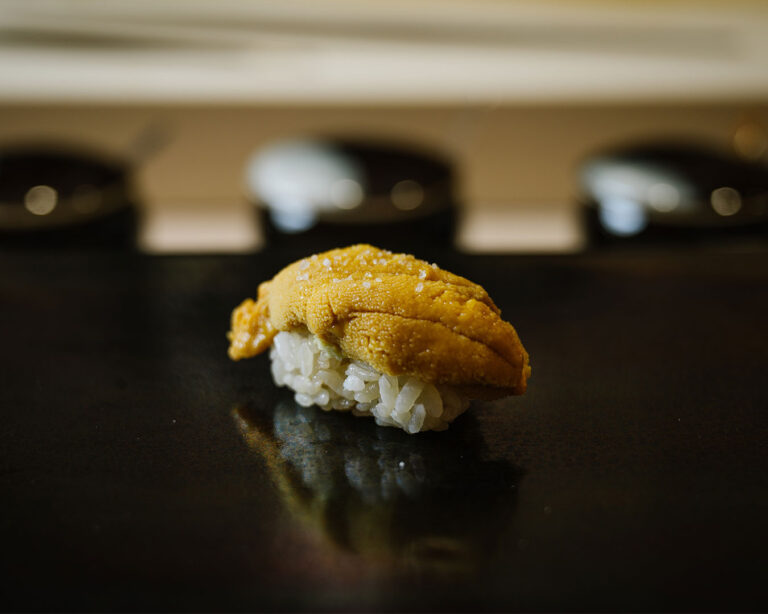
- Nigiri: Lobes placed over lightly seasoned rice, highlighting texture and color
- Gunkan-maki: Wrapped with nori for a visually striking, creamy bite
- Trays for Omakase: Carefully arranged pieces, allowing diners to experience day-fresh flavor
Chefs emphasise pre-cleaning techniques to remove residual seawater or impurities, which could alter the taste or texture. Proper handling ensures each mouthful showcases the full rich, creamy potential of the sea urchin.
Storage, Pricing, and Market Considerations
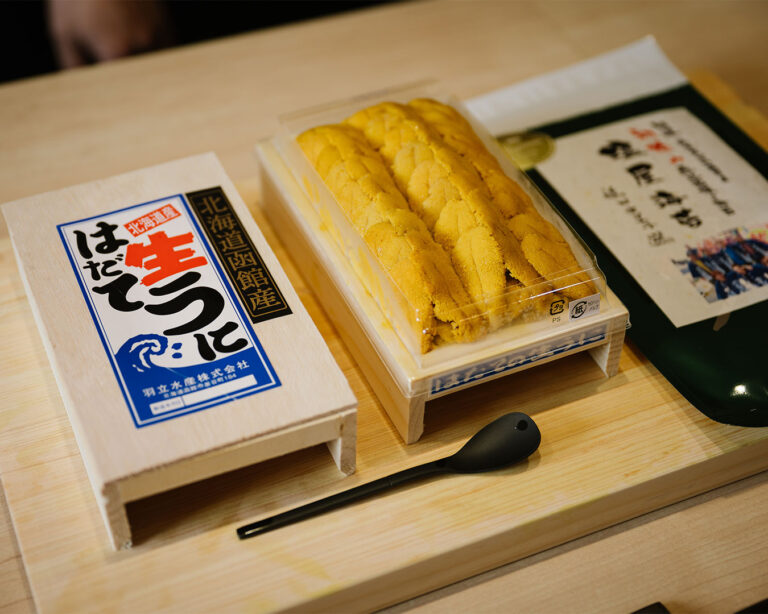
Bafun uni is delicate and highly perishable, making stock management crucial. Many traditional establishments receive daily shipments, often sourced directly from Hokkaido.
Storage Guidelines:
- Maintain temperature between 0–4°C
- Consume within 24–36 hours of catch for optimal flavor
- Keep in shallow trays to avoid crushing lobes
Pricing Factors:
- Size and weight of individual urchins
- Color intensity and uniformity
- Seasonality and catch volume
Because of these variables, bafun uni is considered a premium ingredient, commanding higher price than most other seafood. Its exclusivity, coupled with its rich, buttery texture, solidifies its status as a culinary treasure.
Bafun Uni vs. Murasaki Uni: A Brief Comparison
While both are sea urchins, distinctions are clear:
| Feature | Bafun Uni | Murasaki Uni |
|---|---|---|
| Color | Light orange – golden | Deep purple-brown |
| Texture | Creamy, soft | Firmer, less creamy |
| Taste | Sweet, rich, full umami | Slightly briny, subtle |
| Common Use | Premium sushi, Omakase trays | Complementary sushi dishes |
| Season | June–August peak | Longer harvesting period |
This comparison reinforces why bafun uni is often the centerpiece of high-end sushi experiences.
Handling and Ethical Considerations
Sustainable harvesting practices are increasingly important. Fishermen monitor stock levels to prevent overfishing and maintain ecological balance. Buyers often look for pre-inspection notes indicating freshness, date of catch, and weight, ensuring transparency for both chefs and diners.
Smaller-scale operations frequently sell trays to restaurants that specialise in seafood-only Omakase, maintaining the integrity of this delicate ingredient.
Experiencing Bafun Uni at Sushi Masa by Ki-setsu
At Sushi Masa by Ki-setsu, the journey of bafun uni reaches its apex. Guided by Chef Masa, diners are invited to explore the full spectrum of umami, texture, and aroma that this northern treasure offers.
Every piece is handled with care, reflecting the Edomae tradition of preparation and the meticulous sourcing from Toyosu-stocked ingredients. Chef Masa’s approach ensures that each tray of bafun uni is day-fresh, creamy, and melts effortlessly in the mouth. For those seeking a sophisticated dinner experience, the natural sweetness, rich flavor, and delicate structure of bafun uni are presented in their purest form, inviting a deep appreciation of Japan’s oceanic bounty.