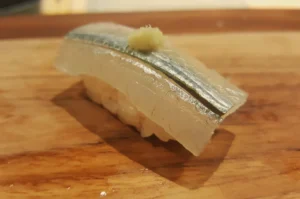
In recent years, the phrase omakase affordable has surged across search results, dining conversations, and social media feeds in Singapore. For many diners, it promises a shortcut into the world of sushi omakase: an experience once reserved for intimate counters, seasoned chefs, and deep culinary traditions. Yet as with many culinary trends, the pursuit of affordability often raises an important question: what is quietly sacrificed when omakase becomes “cheap”?
At Sushi Masa by Ki-Setsu, we believe omakase is not merely a meal; it is a gastronomic journey shaped by trust, craftsmanship, and an unwavering respect for Japanese cuisine. From our perspective as a dinner-only omakase restaurant rooted in Edomae tradition, value is not defined by affordable prices alone, but by intention, technique, and the finest ingredients handled with care by Chef Masa.
This article explores what “value” truly means in the context of omakase in Singapore, and why the growing narrative around affordable omakase deserves closer reflection. For a deeper examination of this topic, we encourage readers to explore our related piece, Quality Over Price: Debunking the Myth of ‘Omakase Singapore Affordable’, which further unpacks the philosophy behind meaningful sushi experiences.
Understanding Omakase: More Than a Menu
“Omakase” translates to “I leave it up to you,” a phrase that embodies trust between diner and chef. In traditional sushi omakase, there are no interchangeable dishes or interchangeable hands. The omakase menu features a carefully curated sequence of sushi courses and hot dishes that reflect seasonal availability, the day’s seafood from Toyosu, and the chef’s judgment at that precise moment.
Unlike standard restaurant menus, omakase menus ranging in structure are shaped in real time. Each piece of nigiri sushi, each slice of fresh sashimi, and every supporting element, whether miso soup or seasonal appetisers, is deliberate.
When affordability becomes the central selling point, the risk is that omakase menus begin to resemble templates rather than living expressions of Japanese cuisine.
The Rise of Omakase Affordable in Singapore
Singapore’s vibrant dining scene has fueled demand for accessible Japanese restaurants, including omakase places that promise a “good omakase” at lower cost. This has led to a proliferation of affordable omakase experiences, often framed as an entry point for diners curious about sushi omakase.
While accessibility is not inherently negative, the concept of cheap omakase often reshapes expectations. To meet lower price points, other establishments may reduce ingredient quality, limit seasonal produce, or rely on pre-set omakase sets that lack flexibility.
Omakase was never designed to be rushed, standardised, or diluted. It was designed to be personal.

Japanese Restaurants Beyond Japan: Adapting Tradition Across Borders
Japanese restaurants built outside Japan reflect a delicate balance between preservation and adaptation. While the foundation of Japanese cuisine remains rooted in discipline, seasonality, and respect for ingredients, its expression inevitably shifts as it travels across borders.
In different countries, Japanese restaurants adapt to local seafood availability, dining habits, and cultural expectations. Climate, supply chains, and regional tastes all influence how dishes are presented and paced. What remains consistent, however, is the philosophy behind the cuisine: precision, restraint, and an emphasis on fresh ingredients.
In many international cities, sushi restaurants may rely on substitutes for traditional seafood or adjust seasoning profiles to suit broader audiences. While this approach can make Japanese cuisine more accessible, it can also dilute the original intent behind sushi omakase, where each dish is designed to reflect seasonal produce and the chef’s direct relationship with the ingredient.
At Sushi Masa by Ki-Setsu, our approach as a Singapore outpost is guided by respect rather than reinvention. Chef Masa maintains Edomae principles while responding thoughtfully to seasonal availability, ensuring our omakase courses remain aligned with Japanese culinary traditions. This balance allows our dining experience to feel both authentic and grounded in place: honouring Japan while embracing Singapore’s role as a global dining destination.
In the conversation around omakase in Singapore, understanding how Japanese restaurants evolve internationally provides valuable context. It highlights why true omakase experiences depend less on geography and more on philosophy, discipline, and the chef’s unwavering commitment to quality.

What Is Often Sacrificed for Affordable Prices
At the heart of exquisite sushi lies ingredient integrity. True Edomae sushi depends on the freshest seasonal ingredients: fish selected at peak condition, rice calibrated to temperature and humidity, and seafood prepared with traditional techniques refined over generations.
When omakase affordable becomes the goal, compromises often appear quietly:
- Limited access to premium seafood such as sea urchin or hamachi belly
- Reduced seasonal produce variety
- Less attention to ageing, curing, or marination techniques
At Sushi Masa by Ki-Setsu, Chef Masa sources with restraint and purpose, drawing from Toyosu to ensure our sushi courses reflect seasonality rather than convenience.
Craftsmanship Behind Each Piece
Nigiri sushi is often misunderstood as simple. In reality, each piece requires years of practice: knife angles, pressure, rice seasoning, and timing must align. Aburi sushi, for example, demands precise heat control to enhance aroma without overpowering the fish.
In lower-cost omakase experiences, speed often replaces intention. Pieces may be assembled rather than crafted, and sushi becomes a sequence of dishes instead of a conversation between chef and diner.
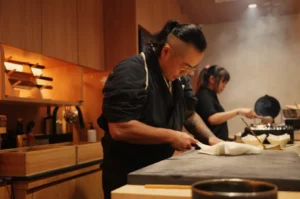
Our approach remains anchored in singular craftsmanship: one chef, one counter, one dining experience shaped by focus.
Omakase Experiences vs. Omakase Labels
Not all omakase restaurants practice omakase in spirit. The term is sometimes used to describe a fixed progression of dishes that rarely change, regardless of seasonal availability or seafood condition.
True omakase experiences evolve. They respond to the day’s catch, the diner’s pace, and the chef’s philosophy. At Sushi Masa by Ki-Setsu, our omakase courses are not designed to impress through volume, but through balance, specifically between sushi, hot dishes, and thoughtful pauses.
Miso soup, for instance, is not filler. It is a moment of grounding, allowing diners to reset before the next expression of seafood.

Edomae Tradition and the Role of the Chef
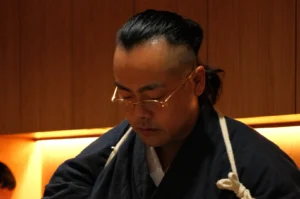
Edomae sushi is deeply rooted in Tokyo’s history, emphasizing preparation techniques that enhance natural flavours. Chef Masa brings this lineage into our Singapore outpost with discipline and humility.
By maintaining a singular chef model, we ensure consistency, accountability, and intimacy. There is no diffusion of responsibility, no rotating hands. Each piece of assorted sushi reflects Chef Masa’s judgment and respect for the ingredient.
This level of dedication is difficult to sustain when affordability becomes the primary promise.

The Dining Experience Beyond the Plate: Time, Attention, and Presence
A meaningful dining experience is shaped not only by food, but by pacing and presence. Omakase dining time is intentionally unhurried, allowing diners to engage fully with each dish.
In contrast, many affordable omakase experiences prioritize turnover. Courses arrive quickly, conversations are minimal, and the meal becomes transactional rather than reflective.
At Sushi Masa by Ki-Setsu, dinner omakase is designed as an evening ritual. From the first sushi course to the final dessert, the experience unfolds with rhythm and respect for the diner.
Navigating Omakase in Singapore Thoughtfully
For diners exploring omakase in Singapore, the question is not whether affordable prices exist, but whether they align with the essence of omakase.
Value in Japanese cuisine is found in:
- Fresh ingredients handled with care
- Seasonal availability honoured without shortcuts
- A chef fully present at the counter
- A menu that adapts rather than repeats
These elements rarely coexist comfortably with the promise of cheap omakase.
Why We Choose a Different Path: Our Philosophy at Sushi Masa by Ki-Setsu
We do not position ourselves against other establishments. Instead, we remain grounded in our philosophy: omakase is a responsibility. It requires trust from diners and integrity from the chef.
Our omakase menu features sushi courses that highlight seafood at its peak, supported by hot dishes and thoughtful transitions. From fresh sashimi to carefully composed nigiri sushi, each dish reflects our belief that restraint often speaks louder than excess.
This approach may not appeal to those seeking the lowest price, but it resonates with diners seeking depth, authenticity, and a genuine connection to Japanese cuisine.

Redefining “Affordable” in Omakase
The conversation around omakase affordable will continue to evolve in Singapore’s dynamic dining scene. Yet as diners become more informed, the definition of value may shift, moving from cost alone to craftsmanship, sourcing, and sincerity.
At Sushi Masa by Ki-Setsu, we invite diners to experience omakase as it was intended; it is a dialogue between chef and guest, guided by seasonality, tradition, and care. Rather than asking what an omakase meal costs, we encourage asking what it preserves.
For those ready to explore a deeper expression of sushi omakase, we welcome you to discover the difference at our counter.