In sushi history, blue fin tuna sits at the peak of taste and reverence. Chefs and connoisseurs regard bluefin tuna as the most prized fish in the ocean for raw preparation. Across the Atlantic Ocean and the Pacific, adult Atlantic bluefin tuna and Pacific bluefin tuna have shaped the way sushi and sashimi traditions evolved. From the Mediterranean Sea to the eastern Atlantic Ocean, from the Gulf of Mexico to temperate waters around Japan, bluefin remains a symbol of quality and depth of flavor.
This article examines how experts choose bluefin, how they assess quality, and how traditional establishments serve it with exacting precision. The goal is to give culinary students and food lovers a clear blueprint for understanding bluefin tuna in the kitchen.
The Anatomy of Bluefin Tuna in the Culinary World
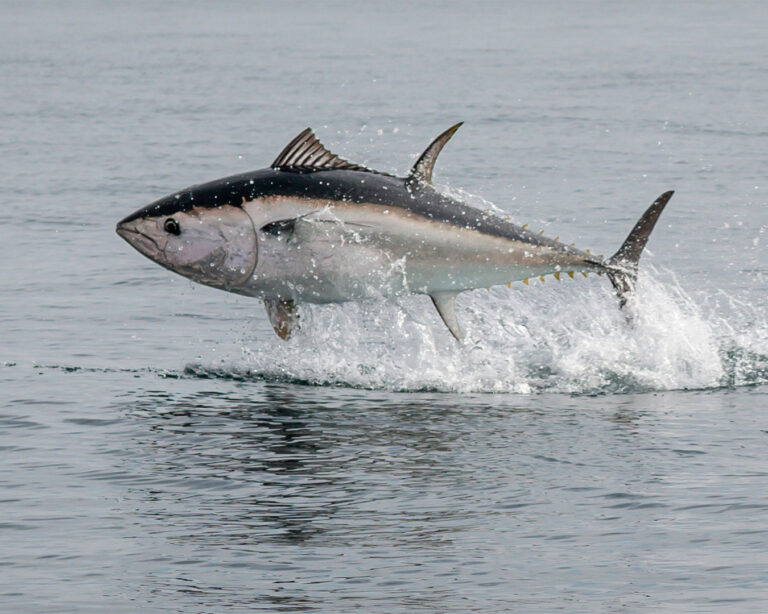
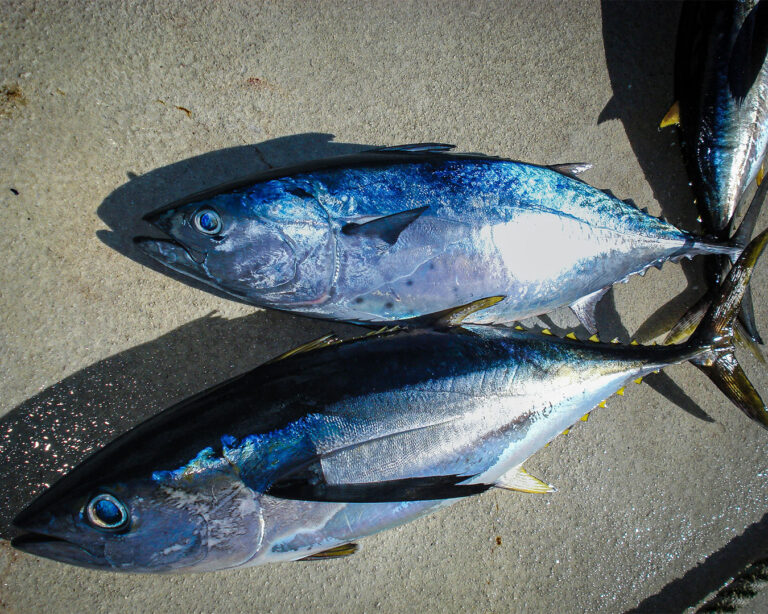
Bluefin tuna, or Thunnus thynnus, is a member of the tuna species group known for size and meat quality. Its body is built for speed and power in open water. It has a long fusiform shape, short pectoral fins, and a strong muscular core that gives each fillet its dense texture. Bluefin have a large dorsal fin and a second smaller fin followed by finlets that point to its efficiency as a highly migratory species. The flesh of bluefin varies from deep red to a rich pink, depending on life stage and fat content. This variation influences how chefs cut and present the fish.
Different Bluefin Populations and Taste
Atlantic bluefin tuna and Pacific bluefin tuna are separate but related groups. Within the Atlantic bluefin category, northern bluefin tuna and southern bluefin tuna show distinct traits.
Northern species mature later, reach larger sizes, and develop deep red muscle that appeals to sashimi purists. Southern bluefin, found more in temperate waters of the southern hemisphere, tends to have higher fat content. These differences shape how culinary professionals approach selection and service.
Other tuna such as yellowfin tuna offer bright flavor and lean meat, but they lack the depth and fat that define bluefin. Many restaurants serve yellowfin for roll ingredients or grilled loin portions, but bluefin remains the centerpiece in high-end sushi.
How Experts Assess Bluefin Quality
Selecting blue fin tuna for sushi service requires intense attention to detail. Chefs look beyond size and weight. They assess body condition, sheen, color, and scent. Knowledge of tuna populations and how they change across regions is essential before purchase.
Key Factors in Quality Assessment
- Color of Flesh: Deep red or crimson flesh indicates well oxygenated muscle. Pale or brownish meat suggests age or poor handling.
- Fat Content: Fat appears as marbling within the flesh. More fat often means richer mouthfeel, especially prized in cuts like otoro.
- Texture and Firmness: The flesh should spring back when pressed. Soft or mushy areas show breakdown from heat or time.
- Smell: A fresh scent of sea or neutral brine shows proper handling. Strong fishy notes point to age or spoilage.
- Bloodline Condition: The bloodline area at the spine must be clean and free of dark spots. Chefs often trim these areas to maintain purity in flavor.
Tagging Studies and Migrations
Scientists conduct tagging studies to track how bluefin move across the North Atlantic and other seas. These studies reveal how juvenile tuna grow and travel from spawning grounds to feeding areas. Chefs use this knowledge to predict when newly hatched tunas will reach marketable size and integrate this timing into seasonal menus.
Bluefin spawning season influences quality and availability. In the North Atlantic, eggs hatch in mid April through early summer. Newly hatched fish drift with currents until they grow large enough to enter the water column. Chefs planning menus for the next generation of tuna pay close attention to these cycles.

Regional Variations in Bluefin and Culinary Uses
The taste profile of bluefin differs by region. Water temperature, prey types, and migratory patterns shape the fish’s muscle and fat. Chefs who travel to source ingredients look for these subtle influences.
Mediterranean Sea
In the Mediterranean, bluefin have long been part of coastal food culture. Traditional saladeros and dry salt cure methods once preserved tuna for inland use. Today, fish from this sea often show a balanced fat to muscle ratio, ideal for sashimi and nigiri. Traditional establishments in southern Europe prepare bluefin with simplicity. A light brush of soy reveals the full flavor of the fish.
Eastern Atlantic and Western Atlantic
In the eastern Atlantic, bluefin move from the North Sea down past UK waters into warmer seas. These fish often carry firm muscle and moderate fat, making them suited for thin slicing. In the western Atlantic, especially near the Gulf of Mexico, fish encounter warmer waters earlier in life. These conditions promote fat deposit earlier, yielding cuts that excel in belly portions.
Territories
Pacific bluefin tuna travel vast distances from spawning grounds near Japan to feeding grounds across the open ocean. Chefs in Tokyo’s fish markets, especially at the renowned Toyosu Market, inspect these fish for sheen and temperature from capture to plate.
Toyosu Market, the world’s largest wholesale fish and seafood market, is famous for its early morning tuna auctions, where premium bluefin tuna often fetch record prices. This market plays a crucial role in setting quality standards and prices for bluefin tuna globally. Cuts from Pacific bluefin often balance fat and texture in ways that chefs use to craft courses that build from lean akami to fatty otoro.
Sustainable Selection and Conservation of Atlantic Tunas
Overfishing reduced dramatically many bluefin populations in the late 20th century. Concerned scientists, fishery managers, and conservation groups worked with an international commission to set management measures. These include catch quotas, seasonal closures, and monitoring of purse seines and longline nets that catch tuna.
Scientific advice plays a major role in managing tuna populations. Researchers track how many fish survive face pressure from fishing gear and predators like killer whales and pilot whales. These top predators share the ocean with tuna and influence local ecosystems.
Today, some Atlantic bluefin numbers show a steady increase under coordinated management. Efforts by nations around the North Atlantic Ocean focus on maintaining sexually mature fish so eggs hatch in sufficient numbers. Successful conservation helps ensure future generations of bluefin continue to fill the water column and contribute to culinary culture.
Handling Bluefin in the Kitchen
Once bluefin tuna arrives at a kitchen, careful handling defines quality in preparation. The goal is to preserve moisture, texture, and temperature. Chefs use large knives and precise cuts for sashimi, nigiri, and specialty items.
Storage and Temperature Control
Chefs store bluefin at low temperatures to slow enzymatic breakdown. This prevents softening of the muscle. Many kitchens use ice beds with a film of chilled water to maintain even cooling.
Butchery and Portioning
Breaking down a whole bluefin requires training and strength. Chefs divide the fish into key parts:
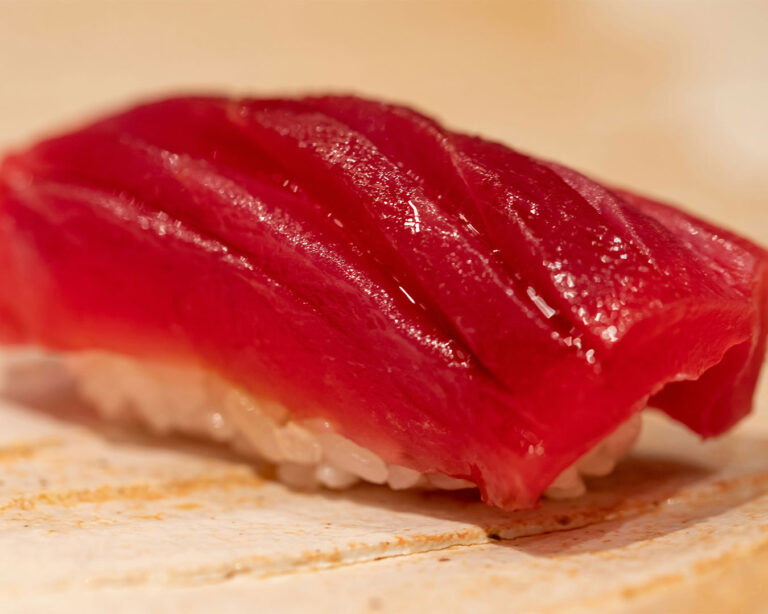
- Akami: Lean red meat from the sides, used for sashimi and nigiri.
- Chutoro: Medium fatty meat from belly and back, prized for balanced flavor.
- Otoro: The most fatty belly portion, creamy and rich.
Each part serves a specific role in a multi course meal. Chefs plan dishes so weaker flavors build to stronger ones, often ending with otoro.
Knife Skills and Presentation
Knife selection and angle matter. Chefs use single edged blades for clean cuts. Sashimi slices must reveal the grain of the flesh. Nigiri requires shaping rice and fish in the hand with confidence and speed. A poor cut changes texture and mouthfeel.

Pairing Bluefin with Accompaniments
Bluefin tuna has bold flavor and texture. Pairings must support without overpowering. Traditional pairings include light rice seasoned with vinegar, pure soy sauce, and fresh wasabi. Pickled ginger serves as a palate cleanser between bites.
In many restaurants, chefs serve bluefin with minimal garnish. This draws focus to the fish. Simplicity in accompaniment is a mark of respect for the ingredient.
Classic Service Rituals in Traditional Establishments
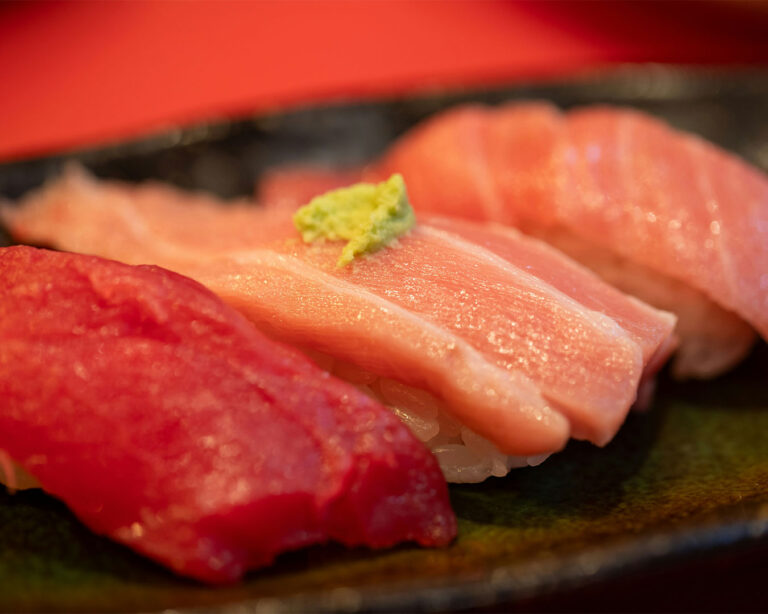
In sushi culture, service is ritualized. The chef controls sequence and pace. Guests receive cuts in a deliberate order. Chefs often begin with leaner akami and progress to richer otoro. Some traditions weave in other tuna species or other fishes to highlight contrast, but bluefin remains the centerpiece.
The chef’s choice sequence reveals deep understanding of flavor progression. Guests learn to feel changes in fat, temperature, and texture across courses.
The Future of Bluefin in Cuisine
Culinary traditions evolve. As science improves understanding of tuna populations, chefs learn better timing for purchase and service. Tagging studies and data from scientists support sustainable harvests. Management efforts aim to ensure adult Atlantic bluefin and other tunas survive pressure from fishing.
Chefs remain mindful of conservation. Many kitchens track the source of each fish. They work with suppliers who respect quotas and seasonal measures designed by international cooperation. This ensures plates filled with bluefin tuna also reflect values of care for the ocean.
Preserving the Legacy: The Omakase Tradition at Sushi Masa by Ki-setsu
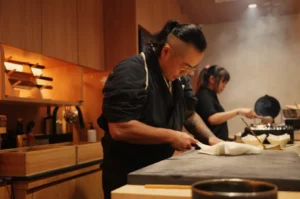
At Sushi Masa by Ki-setsu, we honor the bluefin tuna by making its natural, unadulterated flavor the focal point of our craft. Following the Edomae tradition, our omakase journey is curated to guide guests through a sensory evolution, where each cut is served in a specific sequence to highlight the beautiful transition from lean muscle to rich, marbled fat.
By sourcing our ingredients directly from Toyosu for their exceptional balance and peak freshness, we ensure that every bite reflects our commitment to technical precision. We invite you to join us for an experience that blends culinary mastery with a profound respect for the ocean’s most venerable inhabitant.