The word omakase is often tossed around in the modern gastronomic landscape as a synonym for “tasting menu,” but its etymological roots run far deeper. Originating from the Japanese verb makasu (to entrust), it represents a sacred contract between the guest and the artisan. In the high-stakes culinary theater of Singapore, a city-state obsessed with convenience, a controversial trend has emerged: the omakase takeaway Singapore diners often request. However, to purists, packing up this sensory journey is not just a logistical issue; it goes against the very tradition of Edomae sushi.
To understand why a true master refuses to let his craft leave the counter in a plastic container, one must delve into the rigorous history, the delicate science of temperature, and the philosophy of ichi-go ichi-e, which is the belief that every moment is unique and unrepeatable.
The Evolution of the Omakase Menu: From Street Food to High Art
The omakase menu we recognize today is a relatively modern phenomenon, gaining traction in Japan during the 1970s and 1980s. Before this, sushi was largely an à la carte affair. Diners would walk into a restaurant and call out their preferences. However, as the world became more interconnected and the variety of seasonal fish expanded beyond local catches, even the most seasoned guests found the sheer diversity of the sea overwhelming.
The transition to a chef-led journey allowed the chef to showcase the best of the day, ensuring that nothing went to waste and that the palate was guided through a logical progression of flavors, from the clean, mineral notes of white-fleshed fish to the rich, umami-laden depths of toro.
The Edomae Sushi Foundation
At the heart of any legitimate omakase is the Edomae sushi technique. Edo refers to the old name for Tokyo, and mae means “in front of.” Historically, this referred to fish caught in Tokyo Bay. Since refrigeration was non-existent in the 19th century, chefs developed ingenious ways to preserve freshness and enhance flavor:
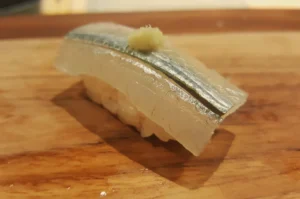
- Su-jime: Curing with vinegar and salt, typically for silver-skinned fish like kohada.
- Shoyu-zuke: Marinating in soy sauce, which is essential for tuna.
- Hamushi: Steaming or simmering, which is used for eel or shrimp.
In a modern omakase, these techniques are not used for preservation, but as an art form to achieve the perfect texture. When an omakase takeaway Singapore order is placed, these meticulously treated ingredients begin to degrade the moment they hit the box.
The Science of the Senses: Why Distance Destroys the Delight
Cooking is often described as chemistry, but sushi is physics. The focus of a master is the marriage of the neta (topping) and the shari (vinegared rice). This union is time-sensitive.
The Temperature Paradox
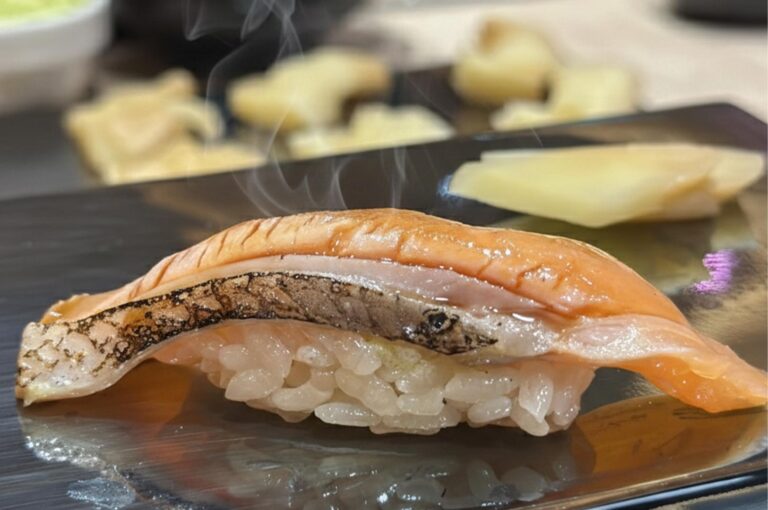
A common misconception is that sushi should be served cold. In reality, a premium omakase menu is a study in thermal precision.
- The Shari: Ideally maintained at human body temperature (36-37°C). This ensures the lactic acid in the vinegar is aromatic and the grains remain supple.
- The Neta: Different fishes require different temperatures to release their oils. Toro (fatty tuna) should be slightly cooler than the rice but far from “fridge-cold” to allow the fats to melt upon contact with the tongue.
- The Friction: When a chef presses the nigiri, the kinetic energy from their hands adds a final, fleeting touch of warmth.
When sushi is delivered, the rice hardens through the retrogradation of starch, and the fish oils congeal. The palate no longer perceives a symphony; it perceives a cold, mute lump of protein. For those who love the cuisine, the loss of this temperature gradient is an architectural collapse of the experience.
From the Tokyo Olympics to the Global Stage
The global fascination with high-end Japanese dining saw a massive surge following the Tokyo Olympics (both the 1964 and 2021 eras). The 1964 Games, in particular, acted as a catalyst for Japan to showcase its refinement to the world. It was during these eras that the concept of “sushi as theater” started to take hold.
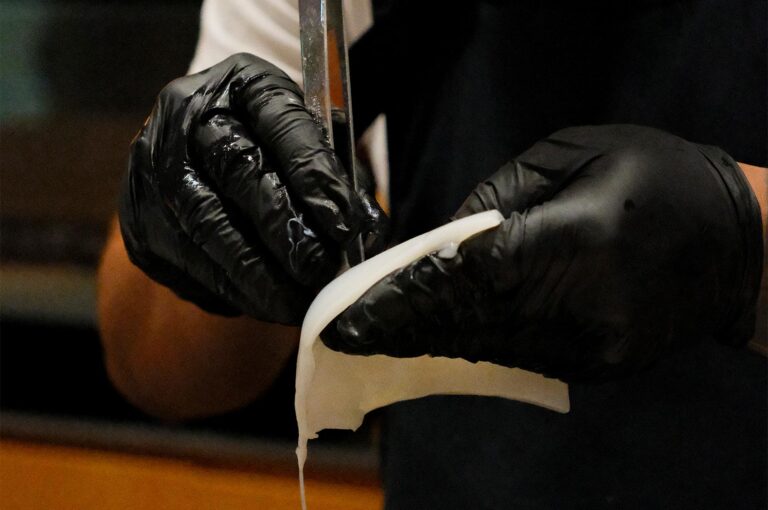
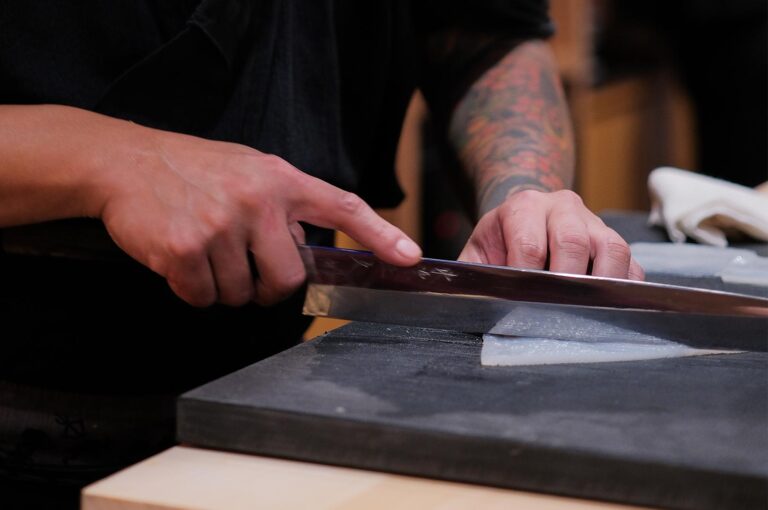
The international community began to respect the rigid discipline of the Japanese kitchen. This discipline is built on the foundation of the shokunin, an artisan who repeats a single task for decades to reach perfection. To ask such an artisan for a takeaway is to ask them to strip away the hospitality, known as omotenashi, that defines their existence.
Comparison: Dine-in vs. Takeaway Integrity
| Feature | In-Person Omakase | Takeaway / Delivery |
|---|---|---|
| Rice Texture | Airy, warm, melts instantly. | Compressed, cold, chewy. |
| Nori (Seaweed) | Crisp, snap-fresh, toasted. | Soggy, leathery due to moisture. |
| Wasabi | Freshly grated hon-wasabi. | Loses its floral kick within 15 mins. |
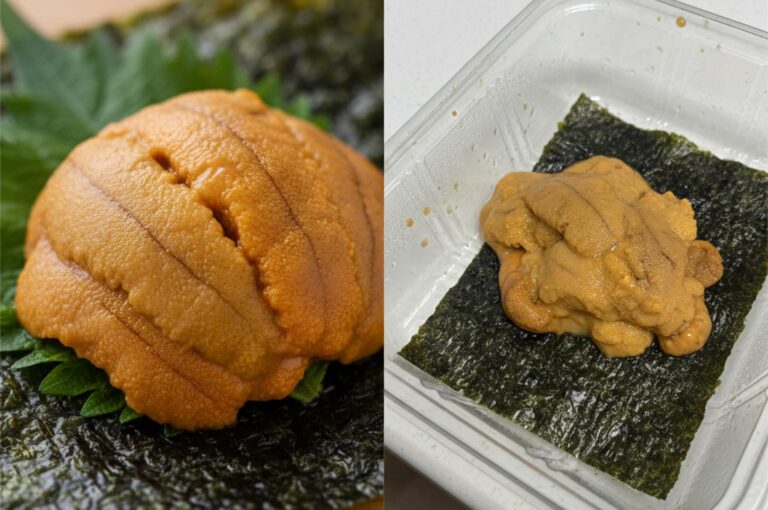
| Uni (Sea Urchin) | Stands firm, creamy, sweet. | Likely to collapse or bleed in transit. |
| Chef’s Intuition | Adjusted to your eating pace. | Static and uncompromising. |
The Jewels of the Sea: Bafun Uni and the Bluefin Tuna
To indulge in an omakase is to access the highest tier of produce, often sourced directly from the Tokyo Toyosu market. Two ingredients stand as the pillars of this experience: Bafun Uni and Tuna (Maguro).
The Golden Standard: Bafun Uni
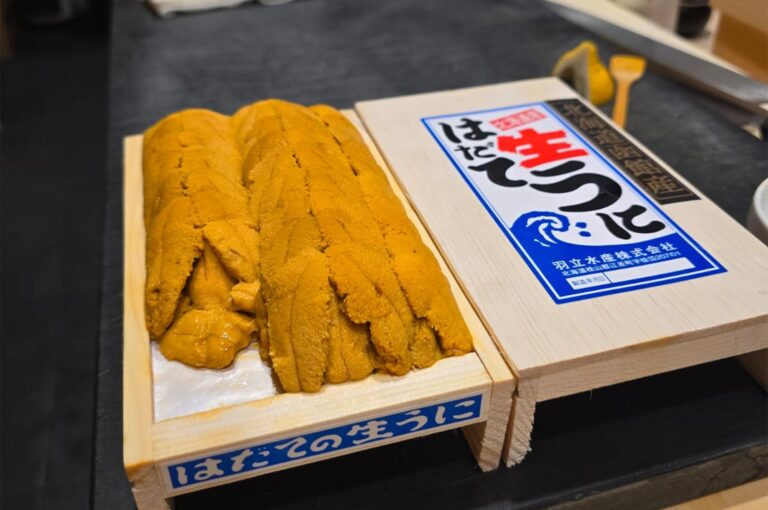
Bafun Uni, primarily harvested from the cold waters of Hokkaido, is prized for its intense orange hue and compact size. Its flavor profile is a concentrated explosion of oceanic sweetness. In a restaurant setting, the chef ensures the uni is topped onto the rice with surgical precision. Because uni is highly sensitive to vibrations and temperature shifts, it is the most frequent victim of the omakase takeaway Singapore trend, often arriving as a tragic, melted puddle rather than a vibrant jewel.
The King of the Counter: Bluefin Tuna
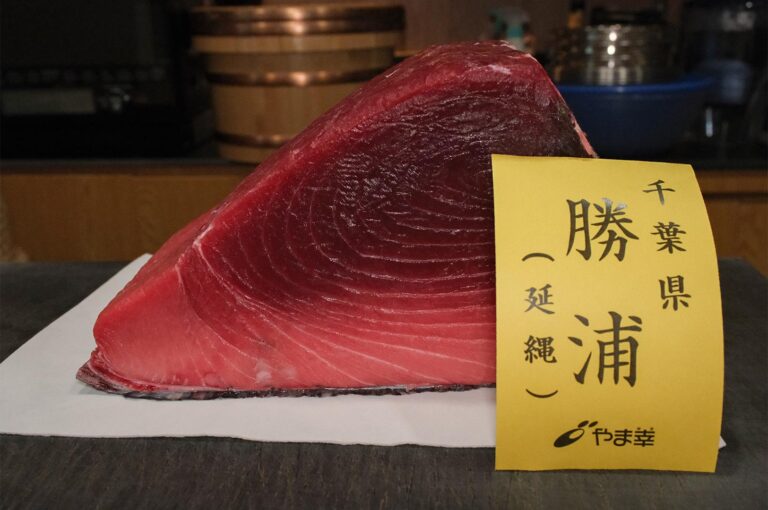
The tuna served in a high-end omakase is a world away from the maguro found in casual spots. The chef selects specific cuts:
- Akami: The lean, red meat, often cured in soy to enhance acidity.
- Chutoro: The medium fatty belly, offering a balance of meat and marbling.
- Otoro: The richest part of the belly, which requires the guests to find a moment of stillness to truly appreciate the way it dissolves.
Why the Omakase Experience Cannot Be Boxed
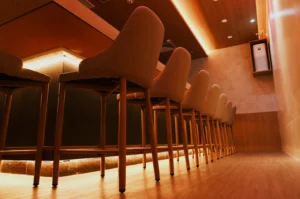
Beyond the mere consumption of sustenance, an omakase is a curated immersion into a specific environment. Every element, including the intentional minimalism of the decor, the clean fragrance of Hinoki wood, and the reverent silence punctuated only by our chef’s insights into a particular cut of sashimi, coalesces to heighten the diner’s delight.
When you secure a reservation, you are acquiring far more than a meal. You are gaining exclusive access to a meticulously choreographed performance. The team behind the scenes has spent hours, and sometimes days, preparing for that specific seat at the counter. They have inspired themselves to create a flow of dishes that tells a story. When that story is delivered in a box, the chapters are scrambled, the climax is cold, and the ending is unceremonious.
The Value of Trust
To trust the chef is the core tenet of the omakase. This trust extends to the belief that the chef knows the best possible way for you to enjoy the food. If a chef tells you that a certain piece of sushi must be eaten within ten seconds of being placed on the geta, which is the wooden platter, they are not being arrogant; they are being honest. They want you to leave with a memory of perfection, not a reminder of compromise.
Finding Authenticity in Singapore
In a fast-paced city like Singapore, it is easy to succumb to the order-in culture. We order groceries, clothes, and even multi-course dinners with a swipe. But some things are meant to be slow. Some things are meant to be an experience that requires you to step out of your daily routine.
The omakase is a ritual. It is a journey that begins the moment you walk through the door and ends only when the final cup of tea is poured. To attempt to replicate this at home is to miss the point entirely. The freshness of the sea and the warmth of the rice require a witness.
Experience the Artistry of Chef Masa
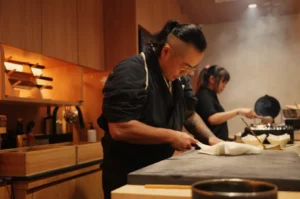
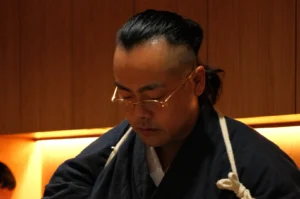
At Sushi Masa by Ki-setsu, we believe that the soul of Edomae sushi resides in the fleeting moment between the chef’s hand and the guest’s palate. This is why our omakase menu is exclusively served in our intimate dining space, where Chef Masa can personally oversee every nuance of your meal. By sourcing our ingredients directly from the legendary Toyosu Market, our chef ensures that every slice of sashimi, every decadent piece of Bafun Uni, and every marbled cut of toro reaches you at the pinnacle of its potential.
We invite you to make a reservation for an evening of pure indulgence, where the omakase tradition is honored with unwavering focus. We do not offer omakase takeaway Singapore services because we refuse to compromise on the quality that Chef Masa has built his reputation upon; instead, we invite you to join us for a dinner that honors the true spirit of Japan.