In the world of high-end cuisine, where marbled tuna and creamy sea urchin often steal the show, the humble, silver-skinned kohada fish stands as a true test of a sushi chef’s skill. This small, oily fish has journeyed from Edo-period street stalls to Michelin-starred counters, remaining a cornerstone of Edomae sushi tradition.
The gizzard shad, known scientifically as Konosirus punctatus, is a biological anomaly in the culinary world. Unlike most species that gain value as they grow larger, the kohada is most prized when it is small. Its journey from a fermented preservation necessity to a refined nigiri topping is a narrative of human ingenuity overcoming the volatile nature of highly perishable seafood.
The Nomenclature of Growth: A Fish of Many Names
One of the most fascinating aspects of the gizzard shad is its status as a shusse-uwo, or a “promotion fish.” In Japanese culture, certain fish are given different names as they grow, mirroring the advancement of a samurai’s career.
The Shinko Stage
When the fish is a mere 3 to 5 centimeters in length, it is called shinko. This stage occurs in the early summer and represents one of the most expensive delicacies in the sushi world. Because they are so small, a single piece of nigiri may require four or five tiny fillets to cover the rice. The small size and soft texture of the skin make shinko a fleeting, seasonal treasure.
The Kohada Stage
At 7 to 10 centimeters, the fish is called kohada. This is the standard size for nigiri sushi, offering the perfect balance of silver skin, meat, and fat. At this stage, the bones are still manageable after the salt curing and vinegar marination process.
The Konoshiro Stage
Once the fish reaches over 15 centimeters and is fully grown, it is called konoshiro. Interestingly, at this size, it is rarely served in high-end sushi restaurants. The bones become too hard, and the flavor can become overly aggressive. While it might be grilled or consumed in home cooking, it loses the delicate prestige associated with its younger forms.
| Stage | Name | Size | Culinary Use |
|---|---|---|---|
| Infant | Shinko | 3–5 cm | Seasonal delicacy (Early Summer) |
| Juvenile | Kohada | 7–10 cm | The gold standard for Edomae sushi |
| Adult | Konoshiro | 15 cm+ | Grilled, pickled, or used in sashimi |
The Science of Preservation in Edomae Sushi

The reason kohada is so inextricably linked to Edomae sushi lies in the pre-refrigeration era. In the Edo period, fish caught in Tokyo Bay had to be treated to prevent spoilage. Unlike tuna, which could be sat in soy sauce (zuke), silver skinned fish required a more rigorous preparation involving salt and acidic elements.
The Salt Curing Process
The first step in kohada preparation is the application of salt. This is not merely for seasoning; it is a chemical necessity to draw out excess moisture and firm up the flesh. The duration of the salt bath is a closely guarded secret among sushi chefs. Depending on the fat content and the humidity of the air, the fish might sit in salt for anywhere from ten minutes to over an hour.
The Vinegar Marination
After the salt is rinsed away, the fillet is marinated in vinegar. This process denatures the proteins, effectively “cooking” the fish without heat. The vinegar cuts through the natural oily profile of the gizzard shad, creating a tasty and refreshing balance. If a chef miscalculates the time by even sixty seconds, the fish becomes too tough or loses its sweet undertone.
Why Kohada is Rarely Served in Conveyor Belt Sushi Restaurants

In the modern era of mass-produced food, the kohada fish remains an outlier. You will rarely find high-quality kohada in supermarkets or conveyor belt sushi restaurants. The reason is simple: it cannot be automated.
While a machine can slice a piece of fatty salmon, it cannot judge the unique needs of a dotted gizzard shad. Each whole fish must be butterflied by a skilled knife, the innards removed with surgical precision, and the tiny bones softened through the marinated process. Because the taste of kohada changes daily as it cures in the refrigerator, it requires a human palate to decide when it has reached its delicious peak.
Many traditional establishments consider the kohada nigiri to be the “signature” of the house. It is the one dish where the chef’s skill is entirely visible. There is no hiding behind the natural luxury of the ingredient; the flavor is entirely a product of human intervention.
The Aesthetic of the Silver Skinned Fish
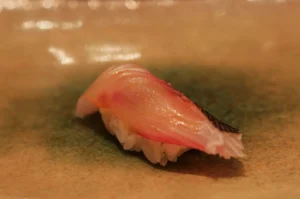
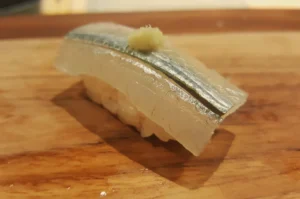
The visual appeal of kohada is as vital as its taste. The dotted gizzard shad is known for the beautiful pattern of black spots along its lateral line. When draped over a mound of rice, the silver skin should shimmer, reflecting the light of the restaurant.
In the winter months, the fish develops a higher fat content, giving the skin a more lustrous, almost translucent quality. A master sushi chef will often make small incisions in the skin, not just for aesthetics, but to allow a drop of soy sauce to permeate the vinegar-treated surface, creating a complex flavor profile that hits the tongue in waves.
Kohada Nigiri: A Masterclass in Texture and Balance

When you eat a piece of kohada nigiri, you are experiencing a 200-year-old tradition. The initial hit is acidic and bright from the vinegar, followed by the savory depth of the salt, and finally the rich, oily finish of the fish itself. The rice, seasoned with red or white vinegar, must provide a sturdy base that doesn’t crumble under the firm texture of the cured fillet.
This perfect balance is why the gizzard shad has not been replaced by more “glamorous” imports. It represents the Japanese philosophy of shokunin: the constant pursuit of perfection in a repetitive task. To prepare kohada is to engage in a dialogue with history, ensuring that the names depending on growth stages and the specific salt ratios remain part of the living food culture of Japan.
The Seasonal Rhythm of the Gizzard Shad
While some sushi toppings are available year round due to global shipping, the kohada remains deeply tied to the Japanese season. From the arrival of the tiny shinko in the heat of July to the robust, fatty kohada of the winter, the fish serves as a culinary calendar.
Summer: High acidity, light flesh, focus on the soft skin of the shinko.
Autumn: The kohada reaches its standard size, providing a tasty bridge between light and heavy flavors.
Winter: The peak of fat, where the vinegar must be stronger to cut through the richness.
Celebrating the Art of Kohada Fish at Sushi Masa by Ki-setsu
For those who seek to understand sushi beyond the surface level, the gizzard shad offers an endless well of discovery. It is a fish that demands respect, both from the one who prepares it and the one who consumes it. It is, quite simply, the heartbeat of the nigiri tradition.
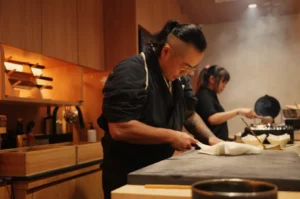
At Sushi Masa by Ki-setsu, we honor the Edomae sushi tradition by treating the kohada as the cornerstone of our dinner service. Our chef meticulously hand-selects each gizzard shad from our daily Toyosu-sourced shipments, ensuring that the salt and vinegar ratios are adjusted to the specific fat content of the day’s catch. Within our omakase model, Chef Masa demonstrates the exacting skill required to transform this silver skinned fish into a nigiri masterpiece.
We invite you to experience this tradition firsthand, where the perfect balance of our vinegared rice and the complex flavor of the cured kohada offer a window into the golden age of Japanese culinary arts.