In the frost-nipped air of the Japanese winter, the mature yellowtail (Seriola quinqueradiata), known as buri, begins its journey south from Hokkaido to the warmer East China Sea. For Japanese shokunin (master artisans), this migration signals the peak of the winter culinary season.
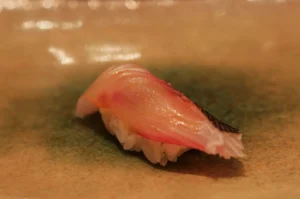
Yellowtail is a “promotion fish,” starting as a small fry called mojako, then juvenile hamachi (common on sushi menus), and finally reaching the prized buri stage when over 5 kilograms. At this stage, its meat is rich and fatty, earning the nickname “white tuna.”
Yellowtail’s unique qualities make it a prized ingredient not only in traditional Japanese cuisine but also in modern culinary creations worldwide. Whether enjoyed as delicate sashimi or expertly cooked dishes, yellowtail continues to inspire chefs and food lovers alike, celebrating the rich flavors and cultural heritage it embodies.
The Science of Cold-Water Migration and Yellowtail Fillets
The migration pattern of the yellowtail is the primary architect of its texture. As the water temperature drops in autumn, the fish feeds voraciously to build a thick layer of fat beneath its skin to survive the long swim south.
California Yellowtail (Seriola lalandi dorsalis) is a popular game fish found along the Pacific coast of North America. Natural yellowtails are caught in most coastal areas of Japan, except in Okinawa, and the catch of natural yellowtail in Japan was reported to be 104,800 tons in 2016.
Historically, natural catches comprised about half of the total yellowtail production before farmed yellowtail became more prevalent in recent years.
Fat Accumulation and Muscle Density
When the buri are caught wild during the peak of winter, often referred to as kan-buri (winter yellowtail), the flesh exhibits a marbling that rivals the finest o-toro. The migration forces the fish to exercise its muscle groups, resulting in yellowtail fillets that possess a unique structural integrity. Unlike farm raised hamachi, which can sometimes have a soft, almost flaccid texture due to lack of movement, wild buri offers a firm “snap” upon the first bite, followed by a buttery melt-away sensation as the intramuscular fat dissolves.
Hamachi is typically farmed and caught at a size of 20 cm to 40 cm (about 1 to 2 years in age).
Buri is mature Japanese amberjack, typically wild, and caught at a size of 90 cm or more (about 4 or more years in age).
Hiramasa is considered a true yellowtail and can grow as large as 180 cm (approximately 6 feet).
Kanpachi, also known as greater amberjack, can reach a maximum length of 200 cm (6.56 feet).
Both hamachi and kanpachi are types of jacks, which are fast swimming, predatory fish.
The Geography of Taste
The region where the fish is caught significantly alters the taste. Fish pulled from the Toyama Bay, where the steep underwater topography creates a natural trap for migrating schools, are considered the gold standard. In these deep, cold waters, the yellowtail develops a clean, oceanic flavor profile, free from the muddiness sometimes associated with farmed variations.
The Shokunin’s Blade: Preparing Yellowtail Sashimi
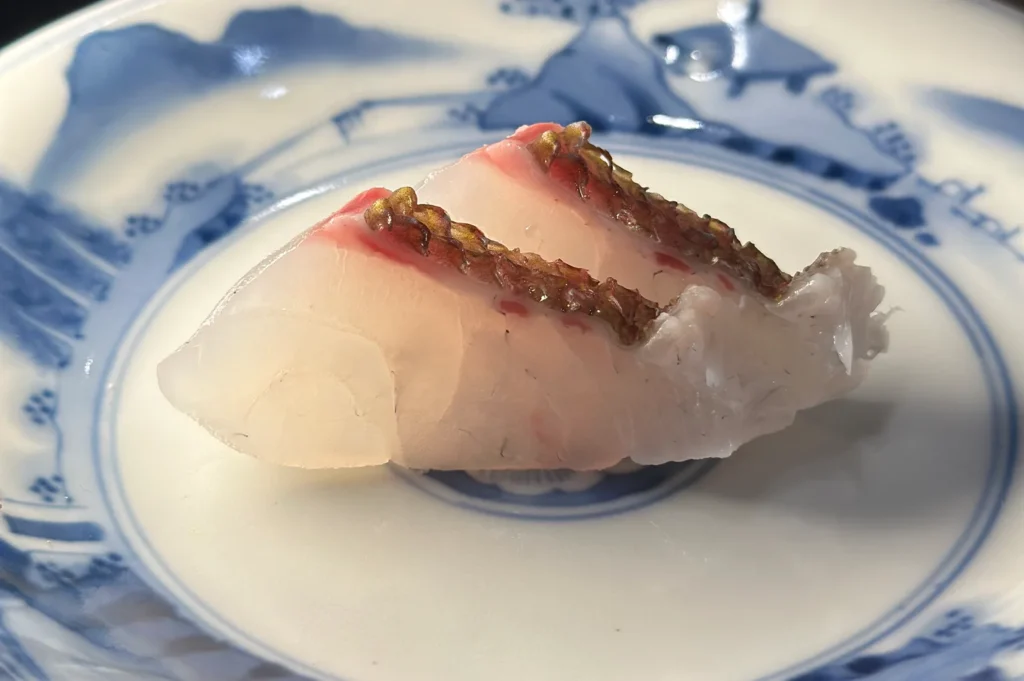
Preparing yellowtail sashimi is a delicate exercise in geometry and temperature control. It is important to make a note of the freshness and storage duration of the fish, as this is crucial for ensuring it is safe to be eaten raw.
Because the fat content is so high, the fish must be kept at a precise chill to prevent the oils from oxidizing and turning dark or bitter. When buying yellowtail, it is advisable to ask your fishmonger for sushi-grade fish to ensure quality and safety when the fish is to be eaten raw.
The Precision Cut
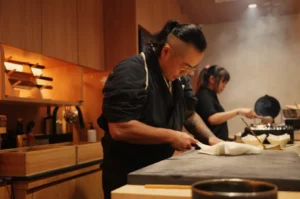
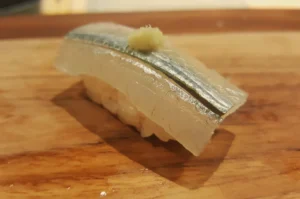
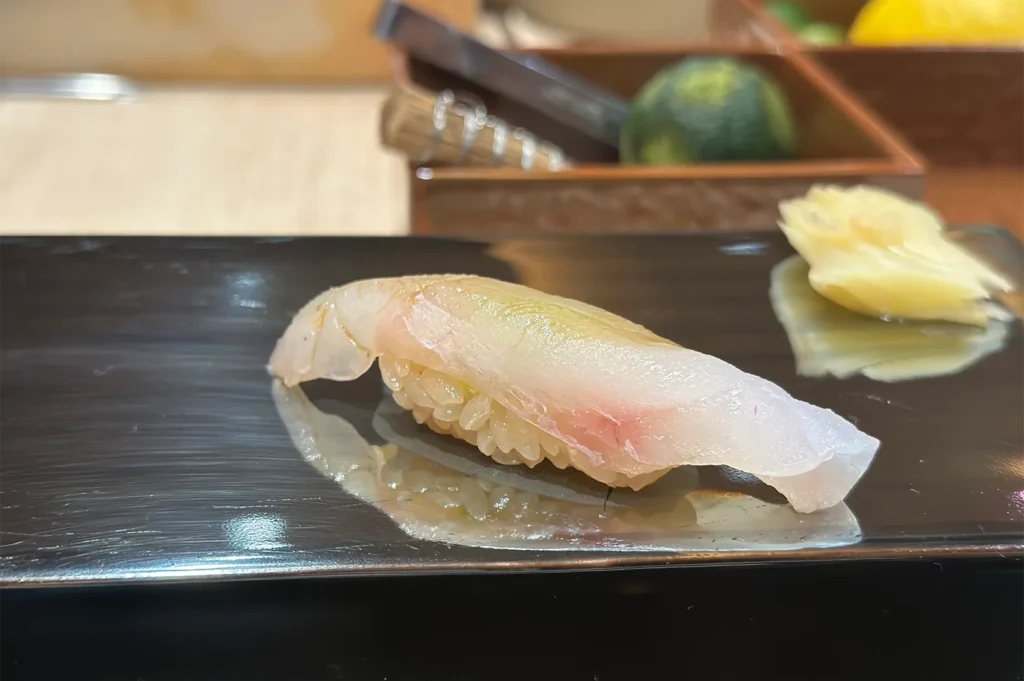
A sushi master uses a sharp knife, specifically a yanagiba (willow-blade knife), to thinly slice the yellowtail fillets. The grain of the meat must be respected; the knife must slice through the muscle fibers at a specific angle to ensure the texture remains soft yet resilient. A master will arrange the slices on a plate to showcase the gradient from the creamy, white belly to the pinkish or reddish hues of the upper loin.
Accoutrements and Acidity
While many prefer the traditional pairing of soy sauce and wasabi, the fatty nature of winter yellowtail invites creative variations.
Citrus and salt: A squeeze of sudachi juice and a sprinkle of salt can brighten the rich oils.
Ponzu: The citrus-based soy sauce known as ponzu provides a punch of acidity that cuts through the heaviness.
The modern touch: In some contemporary recipes, thinly sliced yellowtail is drizzled with olive oil and paired with citrus and herbs to enhance the flavor. You may also find yellowtail paired with serrano peppers or seeds to add a piquant heat, though traditional establishments usually stick to grated ginger or wasabi.
Farmed vs. Wild: A Dialogue on Sustainability and Flavor
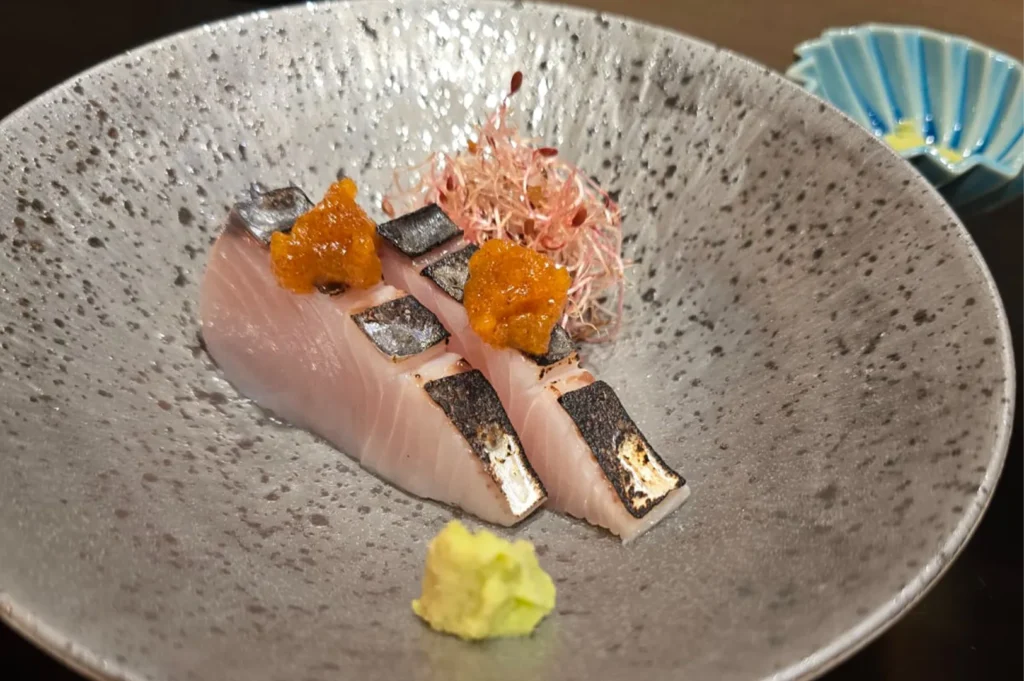
The world of yellowtail is largely divided between the wild buri and the farmed hamachi. While the wild catch is highly seasonal, farmed yellowtail is available year round, providing a consistent meal for sushi lovers globally.
Farm-Raised Hamachi
Modern aquaculture in Japan has reached impressive heights. Farmed fish are often fed a controlled diet that can include citrus peels to infuse the flesh with a subtle aroma and prevent discoloration. This farmed fish is generally higher in total fat than wild counterparts, making it a favorite in sushi restaurants where a high-calorie, “melting” texture is desired.
Wild-Caught Buri
For the purist, nothing replaces the wild buri. The flavor is more complex: a tasty mixture of iron-rich bloodlines and clean fat. Because it is consumed only during the winter, it holds a psychological weight, representing a fleeting moment in the sea’s cycle. When served raw, the wild fish has a translucent quality that farmed versions lack.
Culinary Versatility: Beyond Raw Fish
While yellowtail sashimi is the most famous preparation, the yellowtail is one of the few fish that is equally flavorful when cooked. For those intrigued by the seasonal journey and cultural significance of this remarkable fish, we invite you to explore our detailed feature: Buri as the Winter Monarch of the Japanese Counter, which delves into the revered status and culinary traditions surrounding buri during the Japanese winter.
Buri Daikon
This is a classic Japanese dish where the head and bones of the yellowtail are simmered with daikon radish. The fat from the fish permeates the radish, turning it into a succulent, savory treat. The collagen from the dark meat near the backbone creates a rich broth that is the quintessential comfort food of the Japanese winter.
Buri no Teriyaki
Unlike the overly sweet versions found abroad, traditional yellowtail teriyaki uses a sharp soy sauce and mirin glaze. The fish is seared in a pan or over charcoal, allowing the fatty skin to crisp up while the interior remains moist. The flavor of the cooked meat is more substantial than other fish like snapper or cod, standing up well to bold seasonings.
The Ritual of Sourcing at the Japanese Market
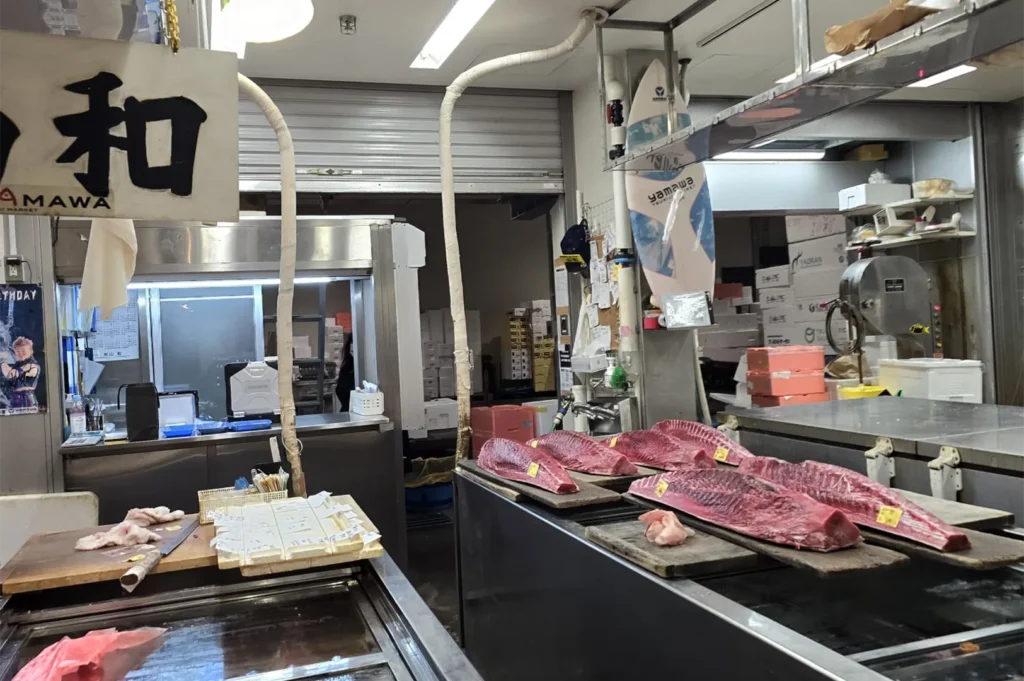
At a high-end Japanese market, the arrival of the first winter buri is a major event. The fish are often sold with a certificate of origin, detailing which region they were caught in. A discerning buyer looks for fresh eyes, a firm belly, and a lateral line that is vibrant. The flesh should not have any excess moisture; instead, it should have a healthy, oily sheen.
In traditional establishments, the shokunin will often let the yellowtail rest for a day or two after it is caught. This aging process allows the enzymes to break down the muscle tissues, increasing the sweet umami flavor before it is finally served to the guest. This is the advice passed down through generations: the sea provides the ingredient, but the human provides the patience.
The Art of Preparing and Serving Yellowtail Sashimi
Whether you prefer it raw on a bed of rice or cooked in a simmering pot, the yellowtail remains a symbol of the shokunin’s calendar. It is a reminder that the best things in the world are governed by the winter winds and the mysterious, deep-sea paths that these magnificent creatures tread. To eat yellowtail is to participate in a tradition that spans centuries, a meal that is as much about the journey of the fish as it is about the skill of the chef.
At Sushi Masa by Ki-setsu, our chef carefully follows migration reports from the Sea of Japan to serve peak-season wild buri sashimi sourced from Toyosu Market. Our intimate 8-seat sushi counter offers an authentic omakase dining experience in Singapore, showcasing premium farm-raised hamachi and wild buri with artisan craftsmanship that honors Japanese culinary tradition and seasonal seafood.