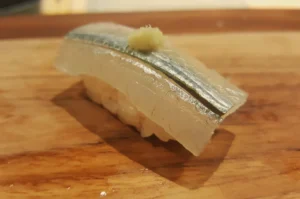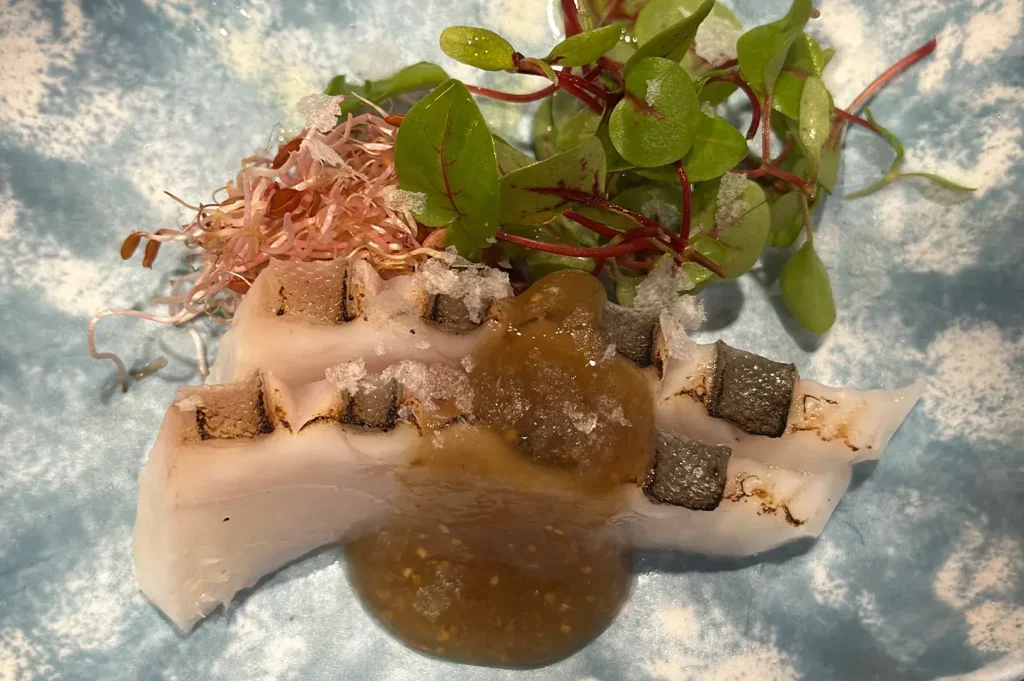
In the bustling culinary world, many equate complexity with quality, believing more ingredients or dramatic presentation mean a better meal. However, true Japanese cuisine values simplicity. We embrace a discipline of simplicity, doing only what’s necessary to let the natural essence of the ingredient shine. Among the many sashimi restaurants in Singapore, those that master the art of a perfect slice of fish are rare.
Simplicity demands confidence in sourcing and mastery of detail. While some restaurants use edible flowers, gold leaf, or heavy sauces that mask seafood’s flavor, we believe the finest catches deserve to be celebrated, not decorated.
The Foundation of a True Japanese Restaurant
To understand why fancy is often overrated, one must look at traditional Japanese food’s roots. The culture of the Rising Sun values shibui, an aesthetic of simple, subtle beauty. In a Japanese restaurant honoring this tradition, the focus is on the guest and the meal, not distractions like vibrant izakaya culture or noisy commercial hubs such as Raffles City Shopping Centre or Ngee Ann City.
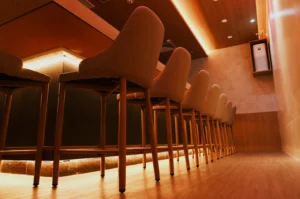
We offer an intimate space at Cuppage Plaza centered on the omakase menu, without a lunch menu or midday service. Operating dinner only allows Chef Masa to dedicate the day to meticulous preparation, ensuring every element is perfectly balanced for the evening. This singular focus maintains a quality unattainable in all-day dining environments.
Why Fresh Sushi Needs No Modern Twist
In recent years, the trend of modern Japanese cuisine has introduced various fusion elements to the sushi bar. You might see crispy tempura flakes, spicy mayo, or even fruit incorporated into rolls. While many establishments find success with a modern twist, we find that these additions often detract from the clarity of the fresh sushi. The beauty of a piece of nigiri sushi lies in the harmony between the seasoned rice and the raw fish. When these two elements are handled correctly, they do not need the help of “fancy” toppings.
We strictly adhere to the Edomae sushi style. This is a traditional method that involves using techniques like curing and marinating to bring out the maximum umami from the fish. For example, a slice of salmon belly or fatty tuna does not need to be deep fried or covered in sauce to be delicious. It needs to be sliced at the correct angle, served at the correct temperature, and paired with rice that has been vinegared with precision.
This is what we mean by a discipline of simplicity. It is about the hundreds of tiny, invisible choices made by our chef that culminate in a single, perfect bite.
Sourcing from Toyosu Market: The Pursuit of Quality
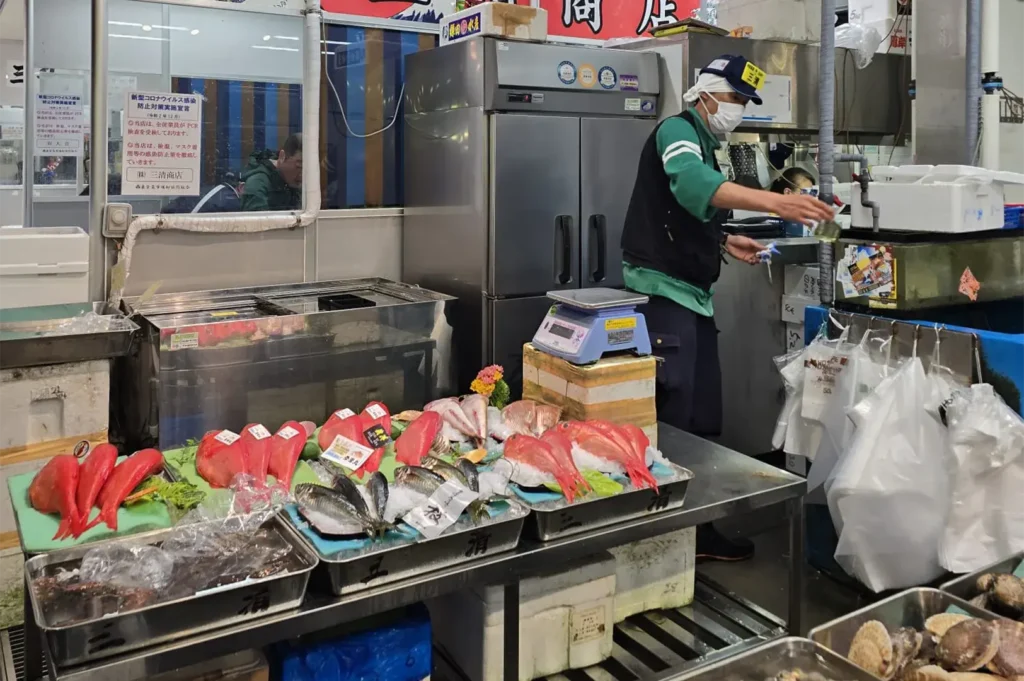
The secret to a successful sashimi restaurant Singapore lies far beyond the borders of the city. It begins at the Toyosu Market in Japan. Every morning, the finest seafood is auctioned, and only the freshest catches will suffice for our standards. If a particular fish is not at its peak, we simply do not serve it. We rely on air flown ingredients that represent the seasonal produce of the moment. This is a form of simplicity in itself: the simplicity of honesty.
Many people wonder where the world’s finest catch ends up. The answer is that it ends up in the hands of those who respect it most. Within the walls of Sushi Masa by Ki-Setsu, the journey of the fish from Japan to the plate is treated with reverence. We do not clutter our menu with items like soft shell crab or ramen, which would distract from our focus. By specialising purely in a seafood-based menu, we ensure that our attention is never divided. We do not serve meat, such as chicken or pork, and we do not offer cooked dishes like chawanmushi or tempura. This allows our kitchen to remain dedicated to the mastery of sashimi and sushi.
The Best Japanese Restaurants Value Restraint
When we discuss the best Japanese restaurants, we are often discussing those that show the most restraint. It is easy to pile ikura until it overflows from a rice bowl, a gimmick often used to create a sense of luxury. However, this often results in a dish that is unbalanced and difficult to eat. We believe that more is not always better. We serve portions that are intentionally balanced, ensuring that the saltiness of the roe does not overwhelm the delicate flavour of the rice.
This sense of balance is also found in our soup service. In some places, miso soup is served as a simple appetiser at the start of the meal. In our tradition, the progression of the meal is more deliberate. At the beginning of our omakase, we serve a dashi soup or a light soup stock. This is a pure, clean liquid that prepares the palate without overstimulating it. We ensure this initial stock is not infused with shellfish.
The miso soup is saved for the end of the course, where it is cooked with clams to provide a rich, satisfying conclusion to the meal. This sequence is a hallmark of authentic sushi dining. It respects the guest’s digestion and the natural build-up of flavours throughout the evening.
The Role of Chef Masa in Creating Best Japanese Experiences
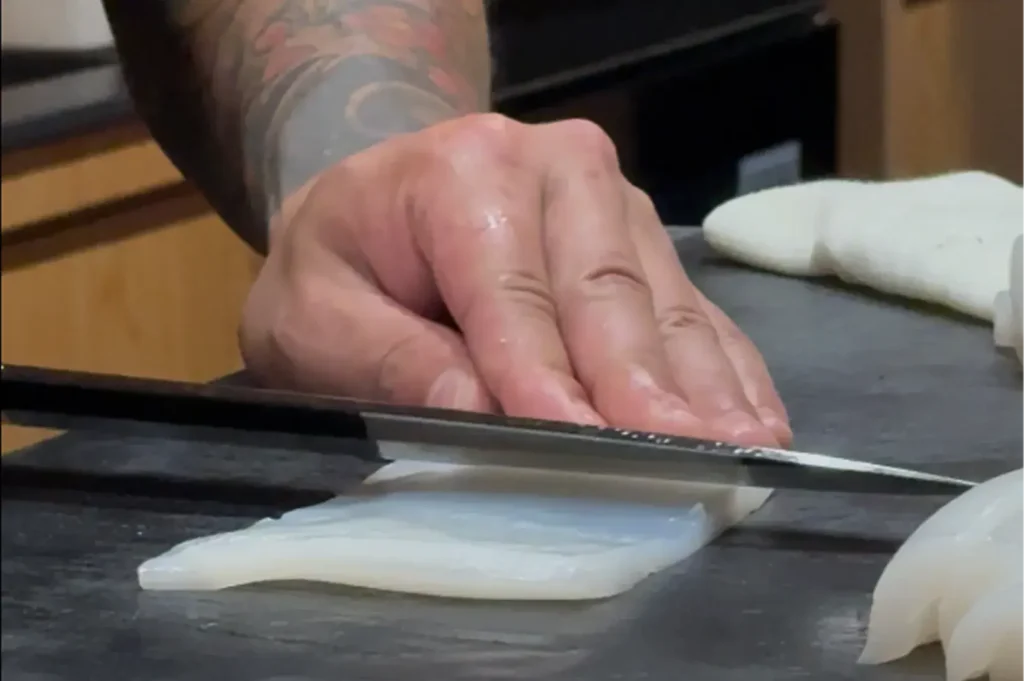
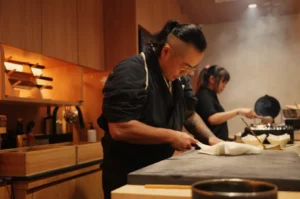
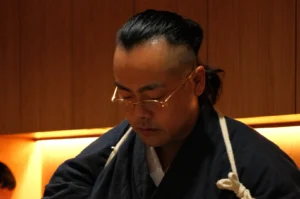
The presence of a singular chef is a defining feature of the best Japanese dining experiences. In larger, more commercial restaurants, the person preparing your meal might be one of many in a high-pressure kitchen. At our establishment, the experience is entirely different. Chef Masa is the sole architect of the meal. From the moment guests arrive during our evening opening hours, they are under the care of a single master.
This singular focus is essential for maintaining the discipline of simplicity. When only one person is responsible for the seasoning of the rice, the slicing of the raw fish, and the application of the soy sauce, there is a consistency that cannot be replicated. It allows for a dialogue between the chef and the guest. Our chef observes the pace of the diners and adjusts the flow of the omakase menu accordingly. This is the true meaning of “fine dining” in the Japanese context. It is not about the grandiosity of the room, but the intimacy of the craft.
Navigating the Sashimi Restaurant Singapore Landscape
Singapore is a city that loves its food, and there is no shortage of places to find sashimi. From the food courts at International Plaza or Far East Plaza to the high-end outlets at Shaw Centre or Customs House, the variety is staggering. You can find everything from a simple kaisen chirashi don to a massive sushi platter designed for a group. However, for those seeking the pinnacle of the craft, the search often leads back to the traditional sushi restaurants that eschew the trends of the day.
We do not try to compete with the sheer volume of menu items found in many establishments. We do not offer a salad or cold soba as a side, nor do we provide a wide range of la carte options. Our focus is narrow because we want our quality to be deep. This is why our approach has become respected among those who appreciate the Edomae style. We believe that by doing one thing, premium omakase, and doing it with absolute devotion, we offer a more meaningful meal than those that try to be everything to everyone.
The Beauty of the Seasonal Menu
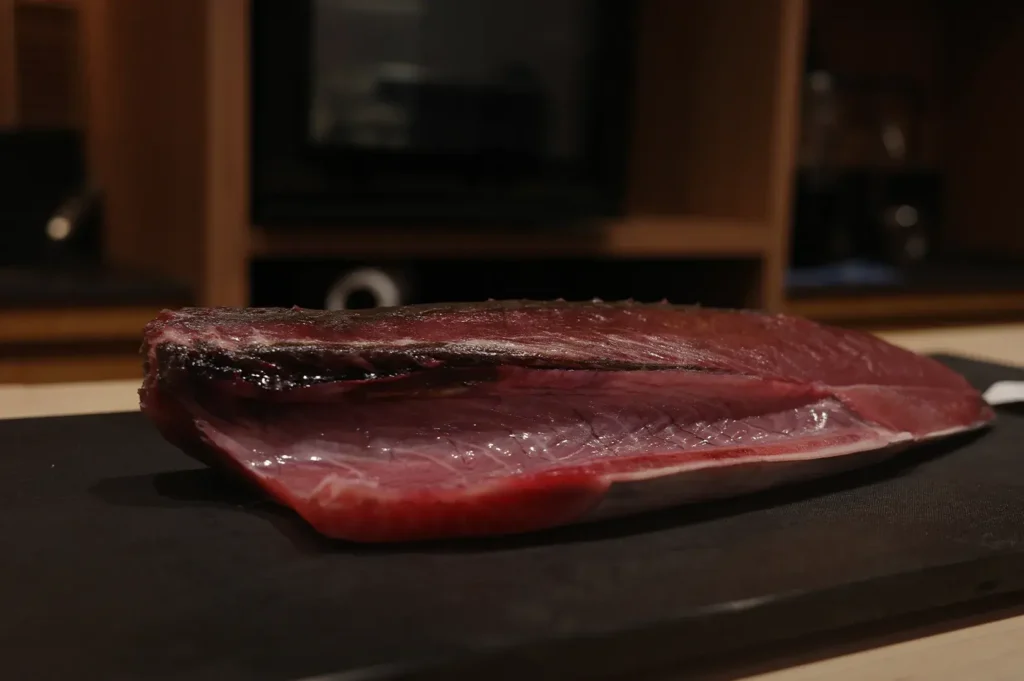
One of the most exciting aspects of a discipline of simplicity is the reliance on the seasons. A seasonal menu is not just a marketing term: it is a necessity for anyone who values flavour. The ocean changes with the temperature, and the fish that are available in the winter are vastly different from those available in the summer. By following the natural cycle of the sea, we ensure that we are always serving the best Japanese produce available.
In our sashimi sushi offerings, you will find that the textures and flavours change throughout the year. One month might highlight the creaminess of certain shellfish, while another might focus on the lean, clean snap of white-fleshed fish. This variety comes from nature, not from complicated recipes. This is why we say that “fancy” is overrated. No amount of culinary technique can replace the flavour of a fish that is exactly where it should be in its life cycle. We act as the bridge between the Toyosu Market and your plate, ensuring that the transit is quick and the preparation is minimal.
Why Every Slice of Raw Fish Matters
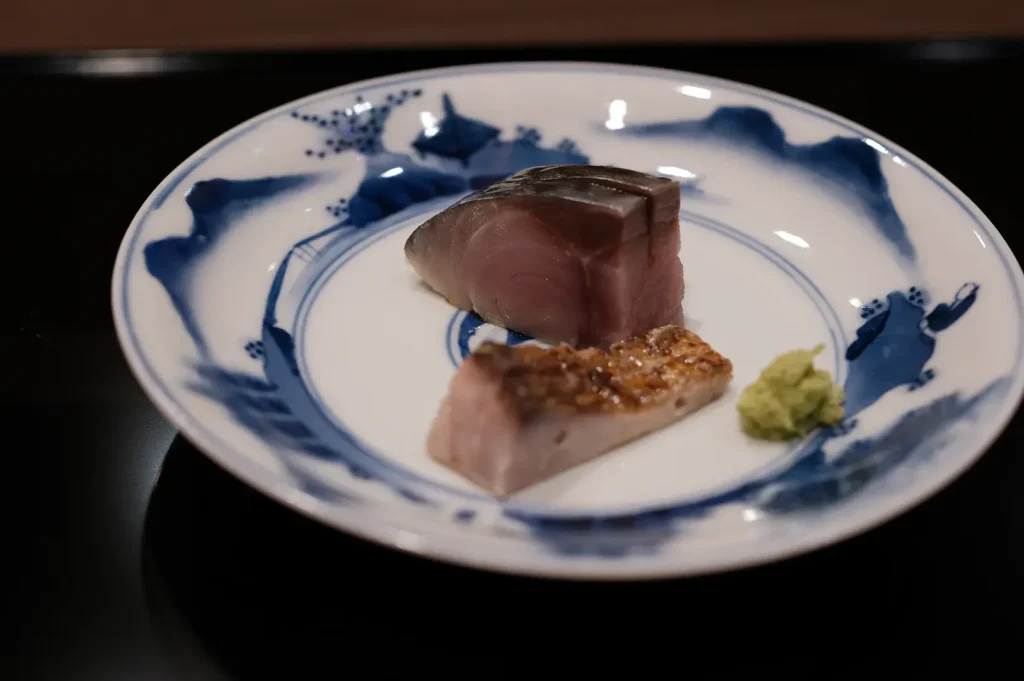
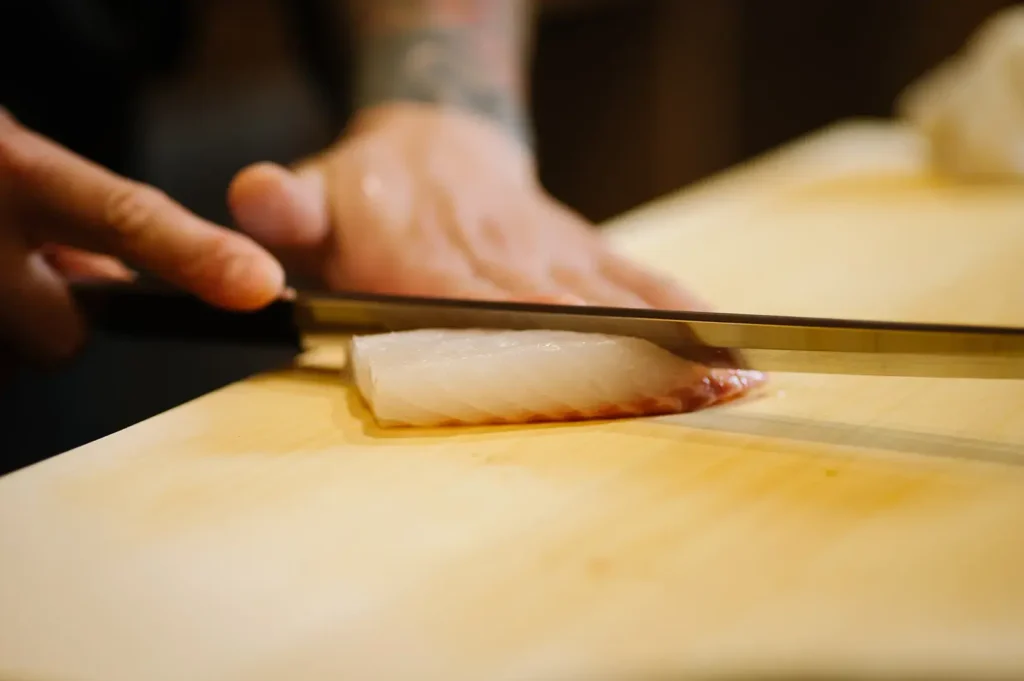
The art of the sashimi restaurant Singapore is found in the knife work. To the untrained eye, slicing fish might seem simple. However, the thickness of the slice, the angle of the blade, and the speed of the cut all affect how the fish feels on the tongue. If a slice is too thick, it can be chewy: if it is too thin, it loses its presence. Chef Masa has spent decades perfecting these movements.
When you enjoy a piece of fresh sashimi at our bar, you are experiencing the result of that lifelong discipline. There is no need for garnish or a modern twist when the cut itself is a work of art. This is why we focus on signature dishes that are defined by their purity. We do not hide our fish under piles of rice or inside complex rolls. We present it as it is, trusting that our guests will recognise the quality of the premium ingredients. This is the ultimate expression of our philosophy: a commitment to the truth of the ingredient.
Embracing the Quiet Elegance of Simplicity
The discipline of simplicity is what sets a true master apart from the rest. While the world of modern dining often encourages us to look for the next big trend or the most “fancy” presentation, there is a timeless elegance in the traditional ways. We invite you to experience a meal that is stripped of the unnecessary. By focusing on a seafood-only omakase, delivered by Chef Masa in a dinner only setting, we offer a glimpse into the heart of Japanese craftsmanship.
Fancy is often a mask for a lack of confidence, but simplicity is the ultimate sophistication. From our carefully timed miso soup to our expertly prepared sushi, every element of our service is designed to honour the sea and the traditions of Edomae. We hope that when you think of a sashimi restaurant in Singapore, you think of the quiet, focused excellence that we strive for every evening at https://kisetsu.com.sg/.