In the high stakes theater of Edomae sushi, few ingredients command as much quiet reverence as the ama ebi. Known scientifically as Pandalus eous, or Pandalus borealis in Northern Atlantic waters, this crimson hued crustacean is a marvel of biological timing.
While most seafood is prized for its tautness immediately after harvest, the sweet shrimp follows a different set of rules, governed by an intricate dance of post mortem biochemistry. To understand why this shrimp is at its peak when handled with alive standard precision, one must delve into the cold depths of the North Pacific and the meticulous traditions of the Japanese kitchen.
The Cold Water Origins of Ama Ebi
The journey of the ama ebi begins in the sub arctic depths, typically between 200 and 600 meters below the surface. Unlike their warm water cousins, these shrimp grow at a glacial pace, a factor that contributes significantly to their concentrated flavor profile and delicate cellular structure.
Historically, the name ‘amaebi’, literally sweet shrimp, was a colloquialism that eventually became the standard culinary term. In Japan, they are primarily harvested in the Sea of Japan, particularly off the coasts of Hokkaido and Ishikawa. However, the global demand for sashimi grade quality has expanded the sourcing map to include pristine waters off the coast of Canada and Greenland.
Biological Uniqueness
One of the most fascinating aspects of this shrimp is its protandrous hermaphroditism. They begin their lives as males and, after several years, transition into females.
This biological shift is crucial for sushi restaurants because the larger, more succulent specimens are almost always the mature females, often found carrying bright blue eggs (roe), which are considered a delicacy in their own right.
The Science of Sweetness: From Sea to Sashimi Grade

The defining characteristic of ama ebi is, unsurprisingly, its sweet aftertaste. However, a live shrimp pulled directly from the sea does not actually taste sweet. If you were to consume it the moment it left the water, the texture would be crunchy and resilient, but the flavor would be relatively neutral.
The magic happens through a process called autolysis. When the shrimp is kept at a strictly controlled, near freezing temperature, enzymes begin to break down proteins into amino acids. Specifically, the breakdown of adenosine triphosphate (ATP) results in the accumulation of glycine and alanine, the compounds responsible for that signature sugary finish.
Comparing Freshness Levels
| State | Texture | Flavor Profile |
|---|---|---|
| Just Harvested | Snappy, firm | Clean, mineral, no sweetness |
| Sashimi Grade (Aged 12 to 24h) | Silky, melt in the mouth | Intense sweetness, umami |
| Over aged | Mushy, slimy | Fishy, ammonia notes |
To ensure the highest quality, the shrimp must be handled with extreme care from the moment of delivery. Any spike in temperature accelerates spoilage far faster than in finfish, making the refrigerator the most critical tool in the store or kitchen.
Traditional Techniques for Ebi Sashimi
When a diner orders ebi sashimi, they are participating in a ritual of precision. The preparation of ama ebi requires a soft touch; the shell is incredibly thin, and the body is fragile.
Peeling: The tail is often left on for aesthetic purposes and to provide a handle for the diner.
Cleaning: The digestive tract is removed using a fine needle to maintain the integrity of the flesh.
Chilled Rest: The peeled shrimp is often allowed to rest on a bed of crushed ice. This cold shock firms up the proteins just enough to provide a slight resistance before the meat dissolves on the tongue.
While many enjoy the simplicity of nigiri, some modern masters employ the aburi style. A brief kiss of a blowtorch flame caramelizes the exterior sugars, creating a smoky contrast to the cold, creamy interior. This technique is particularly popular in contemporary sushi houses looking to add depth to the traditional profile.
Don’t Waste the Flavor: The Utility of Sweet Shrimp Heads
In a traditional establishment, nothing is discarded. The shrimp heads of the ama ebi are arguably as valuable as the meat itself. Rich in miso (the hepatopancreas), the heads contain a concentrated essence of the sea.
Deep Fried: The most common preparation involves coating the head in a light starch and deep frying it until the shell becomes an edible, crunchy wafer.
Miso Soup: The heads are often simmered to create a robust stock, imparting a deep orange hue and a briny sweetness to the broth.
When you place an order for an ama ebi set, the presentation of the fried head is often a sign of a high caliber kitchen that respects the quantity of the haul and the life of the ingredient.
The Frozen vs. Fresh Debate: Understanding Flash Frozen Quality

There is a common misconception that fresh always beats frozen. In the world of ama ebi, this is false. Because these shrimp live in deep, cold waters, they are highly perishable.
Many of the highest quality ama ebi are flash frozen directly on the fishing vessels (produced at sea). This process, known as IQF (Individually Quick Frozen), arrests the enzymatic breakdown at the perfect moment. When the sushi chef begins the defrost process, usually a slow thawed method in the refrigerator, the enzymes reactivate just enough to reach peak sweetness by the time the item reaches the guest’s plate.
How to Identify Quality Thawed Shrimp:
Appearance: The eyes should be black and glossy, not sunken.
Color: A vibrant, translucent pink or red. Any darkening around the joints indicates oxidation.
Scent: It should smell of clean seawater, never shrimpy or pungent.
Logistics and Sourcing: The Path to Your Plate
The price of ama ebi reflects the difficulty of its sourcing. From the sea to the cart, every step must be temperature controlled. In Japan, the same day delivery from the Toyosu Market is the gold standard. For international markets, the sku and barcode tracking systems ensure that the time from harvest to table is minimized.
Whether served as a singular piece of nigiri, atop a colorful chirashi bowl, or as a ready to eat sashimi platter, the ama ebi remains a testament to the sophistication of Japanese seafood logistics. It is a popular choice not just for its flavor, but for its elegance.
Essential Tips for the Home Connoisseur
If you are looking to order and share this experience at home, ensure you are buying from a reputable store that specifies sashimi grade.
Check the Label: Look for the origin; Canada and Northern Japan are top tier.
Quantity Matters: Only buy what you intend to consume immediately.
The Peeling Process: Keep the shrimp in an ice bath while working to prevent the heat from your hands from softening the flesh.
Terms of Service: When buying online, check the delivery window to ensure the stock hasn’t spent too much time in transit.
Culinary Artistry: Beyond the Basic Cut

While the raw preparation is king, the versatility of sweet shrimp allows for creative expressions. Some chefs marinate the shrimp in a light nikiri soy sauce, while others use a tiny dot of sudachi zest to cut through the richness. The difference between a good meal and an unforgettable one often lies in these micro adjustments that highlight the natural profile of the ebi.
The weight of tradition in Japanese cuisine dictates that we honor the ingredient by presenting it in its most honest form. The ama ebi does not need heavy sauces or complex garnishes. Its title as the sweetheart of the sushi world is well earned through its unique biology and the careful stewardship of those who harvest it.
To truly appreciate the nuance of sashimi grade ama ebi, one must experience it within the context of a dedicated Edomae tradition.
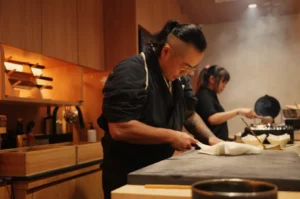
At Sushi Masa by Ki-setsu, we honor the rigorous standards of selection that define the world’s finest sushi restaurants. Chef Masa personally oversees the sourcing of our seafood, ensuring that every shrimp served during our dinner service has been handled with the utmost respect for its delicate chemistry.
Our omakase experience is built upon the foundational values of the Edomae tradition, featuring pristine ingredients directly from Toyosu Market. We invite you to join us for an evening where the sweet aftertaste of the ocean is celebrated in its purest form, expertly prepared and served at the precise moment of its peak flavor.