Hokkaido sits at the northern edge of Japan, where cold waters shape some of the richest seafood in the country. These conditions produce fish and shellfish with higher fat content, deeper sweetness, and cleaner flavour. This is why Hokkaido sushi stands apart in modern Japanese cuisine.
At Sushi Masa by Ki-Setsu, this northern profile defines the experience. Each dinner focuses on fresh seafood sourced with precision and served through a refined omakase format. Every piece of sushi and sashimi reflects discipline, restraint, and respect for the ingredient.
This is not a Japanese buffet. This is a focused sushi restaurant built on clarity and intent.
Hokkaido Sushi and Why It Defines Modern Japanese Cuisine
Hokkaido seafood benefits from cold currents and nutrient-rich waters. Fish grow slower, which allows fat to develop more evenly. Texture improves, and flavour becomes more concentrated. These factors shape the identity of Hokkaido sushi.
For diners, the difference is clear:
Tuna carries deeper umami and smoother fat.
Salmon tastes cleaner with less oiliness.
Shellfish shows stronger sweetness and structure.
Uni delivers a dense, creamy finish without bitterness.
These qualities matter in a sushi restaurant setting. You taste the ingredient without distraction. You notice balance, temperature, and timing.
At our sushi counter, the goal stays simple. Serve seafood at its peak. Keep preparation minimal. Let the product speak.
A Hokkaido Sushi Restaurant Experience Built on Omakase
A true Hokkaido sushi restaurant does not rely on variety for volume. It relies on selection and control.
Sushi Masa by Ki-Setsu removes excess to protect quality. There is no buffet line, no long list of cooked food, and no tempura to shift the palate away from seafood. The experience centers on a seasonal omakase that changes based on availability.
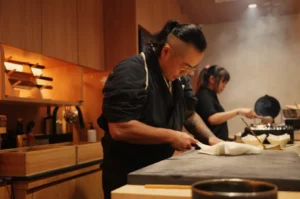
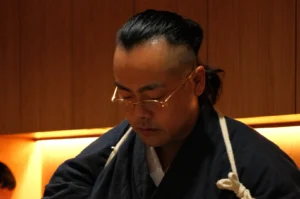
Each course is prepared by a single chef and served in sequence. This allows proper timing, consistent temperature, and a clear progression from start to finish. Diners do not need to manage choices. The chef selects what works best for that day.
This structure improves both quality and consistency across every table.
Signature Hokkaido Seafood Served at Our Sushi Restaurant

The strength of Hokkaido sushi comes from its ingredients. At Sushi Masa by Ki-Setsu, each service highlights a curated selection of northern seafood.
Uni (Sea Urchin)
Hokkaido produces both bafun and murasaki uni. Each offers a distinct profile:
Bafun uni is rich and dense.
Murasaki uni is lighter and more refined.
Both deliver a creamy texture and natural sweetness. When served fresh, uni becomes one of the defining pieces of the omakase.
Hokkaido Crab
King crab and horsehair crab stand out for both texture and roe quality.
King crab offers firm, fibrous meat.
Horsehair crab delivers rich roe with deeper flavour.
Each portion is hand-picked to ensure a smooth dining experience.
Hotate (Scallops)
Hokkaido scallops are known for their size and structure. They hold their shape while delivering a buttery finish that lingers without heaviness.
Botan Ebi (Spot Prawn)
Botan ebi introduces contrast in the sequence. The bite starts with a slight snap, followed by a clean sweetness that builds after. In many cases, the head is prepared separately to add depth to the progression.
Anago and Seasonal White Fish
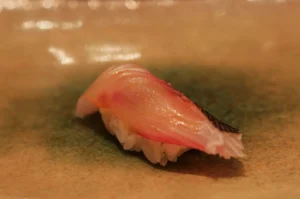
Cold-water fish carry more fat, which creates a softer mouthfeel and stronger umami. These pieces often appear later in the sequence, giving a balanced and satisfying close to the sushi course.
The Superiority of Northern Shellfish
Shellfish in Hokkaido feed on high-quality kombu, which directly affects flavour. This diet produces scallops and clams with stronger sweetness, cleaner aftertaste, and better structure.
At Sushi Masa by Ki-Setsu, seasoning stays minimal. A light touch of salt or soy is enough to support the ingredient without masking it. This is why many diners describe the food as clean and precise. The result comes from both sourcing and restraint.
How Our Sushi Restaurant in Singapore Maintains Freshness

Serving Hokkaido sushi in Singapore requires discipline at every step. Seafood moves through Toyosu Market, then travels under strict temperature control.
At Sushi Masa by Ki-Setsu, sourcing decisions follow season and availability. Fish is inspected upon arrival, stored under controlled conditions, and prepared close to service time. Chef Masa oversees this entire process to ensure consistency.
Freshness is not treated as a claim. It is maintained through timing, handling, and attention to detail.
Inside a Sushi Restaurant That Rejects the Japanese Buffet Model
Many diners compare omakase with a Japanese buffet. The difference shapes the entire experience.
A buffet focuses on volume and variety, often relying on pre-prepared food to serve large numbers. In contrast, omakase focuses on timing and precision, with each piece prepared individually for the guest. This shift changes how food is experienced, from passive selection to guided progression.
By removing buffet elements, the experience becomes more controlled. Each piece of sushi arrives fresh, and each course builds on the last. There is no gap between preparation and service, which preserves both texture and temperature.
This approach also avoids heavy dishes like tempura, which can dominate the palate and interrupt the flow. The result is a cleaner, more focused meal that stays aligned with the core of Japanese cuisine.
The Edomae Discipline Behind Every Piece of Sushi
Technique defines a serious sushi restaurant. At Sushi Masa by Ki-Setsu, Edomae methods guide each step of preparation.
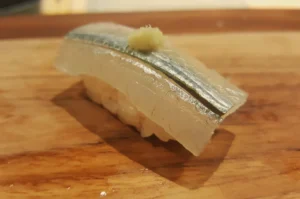
Fish is sliced according to its grain to control texture. Sushi is served at a temperature where fat softens at the right moment. The rice carries a balanced vinegar profile that supports the fish without competing.
Seasoning is applied before the sushi reaches the table. This ensures consistency and removes guesswork. Each piece is experienced as intended.
The Flow of an Omakase Dinner
An omakase meal follows a clear structure. At Sushi Masa by Ki-Setsu, dinner begins with a light soup that prepares the palate without adding weight.
From there, the progression unfolds in a deliberate sequence. Sashimi introduces clean and direct flavours, allowing diners to experience the raw quality of the seafood. Sushi follows, building depth through fat, texture, and seasoning. Toward the end, hand rolls provide contrast, adding a different form and balance to the meal.
The sequence matters. Each course prepares you for the next, creating a natural rhythm that feels measured rather than rushed.
The meal closes with miso soup, served as a final course rather than an appetiser. This provides a warm finish and completes the experience in a traditional way.
Exclusivity and Focus in a Dedicated Sushi Restaurant

Sushi Masa by Ki-Setsu operates with a clear position. The menu remains fully seafood-based, with no meat options and no fusion elements that distract from the core experience.
This focus improves consistency and sets expectations clearly. Every dish served comes from the sea, with no meat-based offerings and no unnecessary additions that shift attention away from the main product.
Guests know what to expect before they arrive. This clarity avoids confusion around dietary requests such as halal requirements, as the kitchen remains fully dedicated to seafood. By maintaining this level of focus, the restaurant protects quality across every service.
Dining at a Sushi Restaurant Within a Hotel Singapore Setting
The restaurant sits within a hotel Singapore environment, offering convenience without compromising focus.
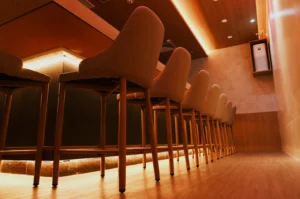
The counter layout allows diners to observe each step of preparation. You see how sushi is formed, how timing is managed, and how orders move through the sequence. This level of transparency builds trust and strengthens the overall dining experience.
Connecting with Diners and Building Trust
Many guests first find Sushi Masa by Ki-Setsu through Facebook or through recommendations from other diners. Feedback plays a role in refinement, as comments and views help improve pacing and menu balance.
Despite its premium positioning, the approach remains grounded. Each diner receives the same level of attention, whether it is their first visit or a return booking.
Check Availability and Plan Your Dinner
Seats are limited due to the counter format. Guests are encouraged to check availability early and secure a table in advance.
Dinner remains the primary service. Lunch may be offered depending on schedule, but the focus stays on evening omakase.
To secure your seat:
Check availability in advance.
Book ahead of your preferred date.
Arrive on time for the full experience.
This ensures a smooth flow for all diners.
Why Hokkaido Sushi Continues to Lead

Hokkaido seafood maintains its position in Japanese cuisine through consistency and quality. Cold water supports better fat development, which improves both texture and flavour. Controlled sourcing ensures reliability, while proper technique enhances the natural characteristics of each ingredient.
At Sushi Masa by Ki-Setsu, these factors come together in a focused setting. There is no reliance on volume or buffet-style service. Each piece of sushi reflects intent and careful preparation, creating a dining experience built on clarity and discipline.
A Focused Sushi Restaurant Experience in Singapore
Hokkaido sushi sets a high standard. Sushi Masa by Ki-Setsu brings that standard into Singapore through discipline, sourcing, and precise execution.
This is a sushi restaurant built on clarity. No buffet distractions, no excess, and no compromise on product. Each course serves a purpose, and each piece of sushi contributes to a complete omakase experience.
Check availability, secure your table, enjoy a dinner shaped by the best of the north, and leave feeling satisfied.