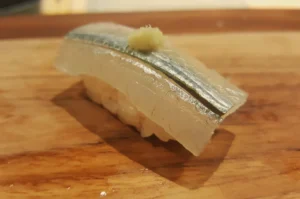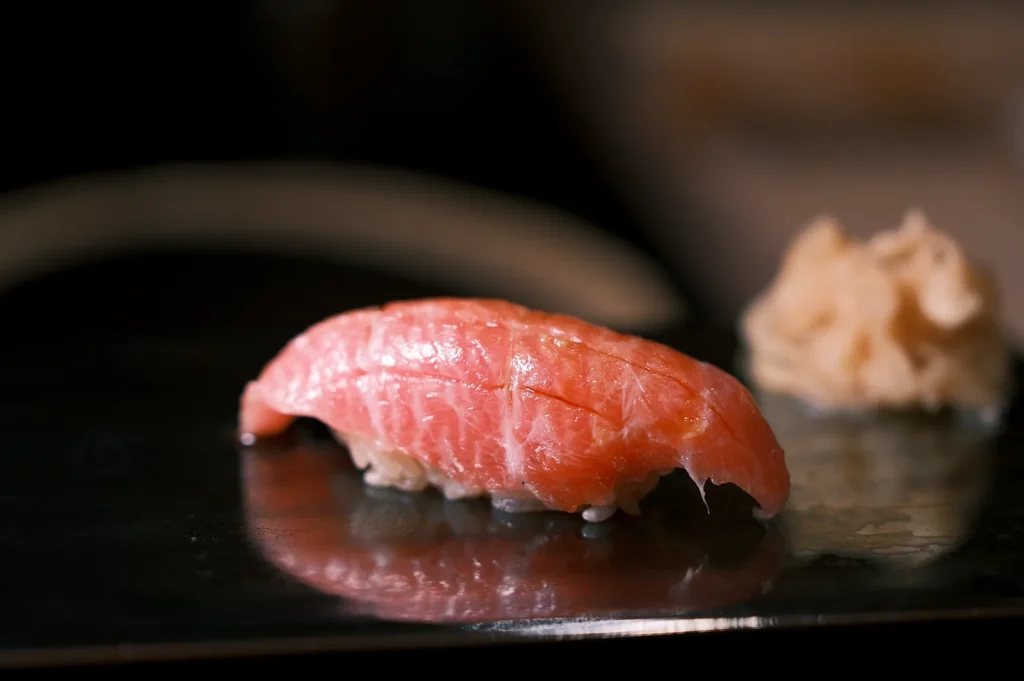
Imagine the freshest tuna or salmon arriving straight from Japan’s markets, handled with precision to preserve their delicate flavours. Yet, in a world of conveyor belt sushi restaurants, such treasures rarely appear. These establishments prioritise speed and volume over the nuanced quality that defines true sushi.
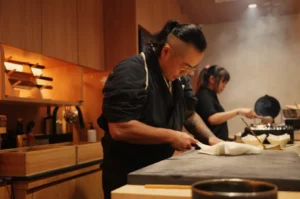
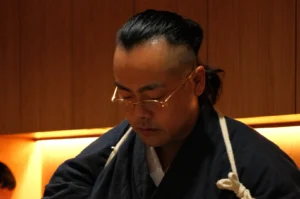
At Sushi Masa by Ki-Setsu, we celebrate the timeless art of Edomae sushi, where every piece reflects Chef Masa’s dedication to Toyosu-sourced seafood and meticulous craftsmanship. We invite you to explore why the finest seafood bypasses the sushi conveyor belt entirely, favouring intimate omakase experiences instead.
Understanding Conveyor Belt Sushi Restaurants
Conveyor belt sushi restaurants revolutionised dining in Japan during the mid-20th century. Originating in Tokyo, they introduced the kaitenzushi model, where sushi pieces travel along a revolving sushi belt for customers to select at leisure. This rotation sushi system made sushi accessible, turning it into a fun dining experience for families and casual diners.
In conveyor belt sushi restaurants, plates of various colours signal different prices. Diners grab sushi plates as they pass by the counter seat or table, stacking empty plates for billing. This setup suits those seeking affordable sushi with a wide selection of nigiri, maki, and small dishes. However, the conveyor belt demands constant production to keep the rotation flowing.
Many conveyor belt sushi restaurants serve salmon, tuna, shrimp, and even fried items or salads alongside raw fish. Customers enjoy pickled ginger, soy sauce, and wasabi from dispensers, often refilling tea cups from a hot water dispenser. The appeal lies in the novelty: watching sushi circulate promises more sushi at a moment’s notice.
Yet, this model shapes what reaches the sushi conveyor belt. Freshness hinges on high turnover, limiting options to sturdy varieties that withstand the journey. Delicate seafood, like fatty tuna, rarely survives intact.
The Mechanics of the Sushi Conveyor Belt
The sushi conveyor belt operates on efficiency. Belts loop endlessly, carrying sushi pieces from kitchen to diner. In conveyor belt sushi restaurants, staff prepare batches in advance, placing them on colour-coded plates. Diners at the counter seat or table pluck items, signalling for special order if needed.
This revolving sushi approach minimises wait times, ideal for quick meals. Plates pile up as customers eat, with staff counting them later. Many establishments extend opening hours to accommodate crowds, offering noodles, udon, or desserts beyond core sushi.
Conveyor belt sushi thrives on volume. Kitchens churn out uniform sushi rice balls topped with fish or wrapped in maki. Seasonal menu changes occur, but the focus remains on popular staples like salmon or shrimp nigiri. Fun elements, such as touching screens for more sushi, enhance the experience.
Sushi Masa by Ki-Setsu contrasts this with our best omakase Singapore service, where Chef Masa selects Toyosu seafood daily, ensuring each piece shines without the constraints of a conveyor belt.
Why Premium Seafood Avoids Conveyor Belt Sushi
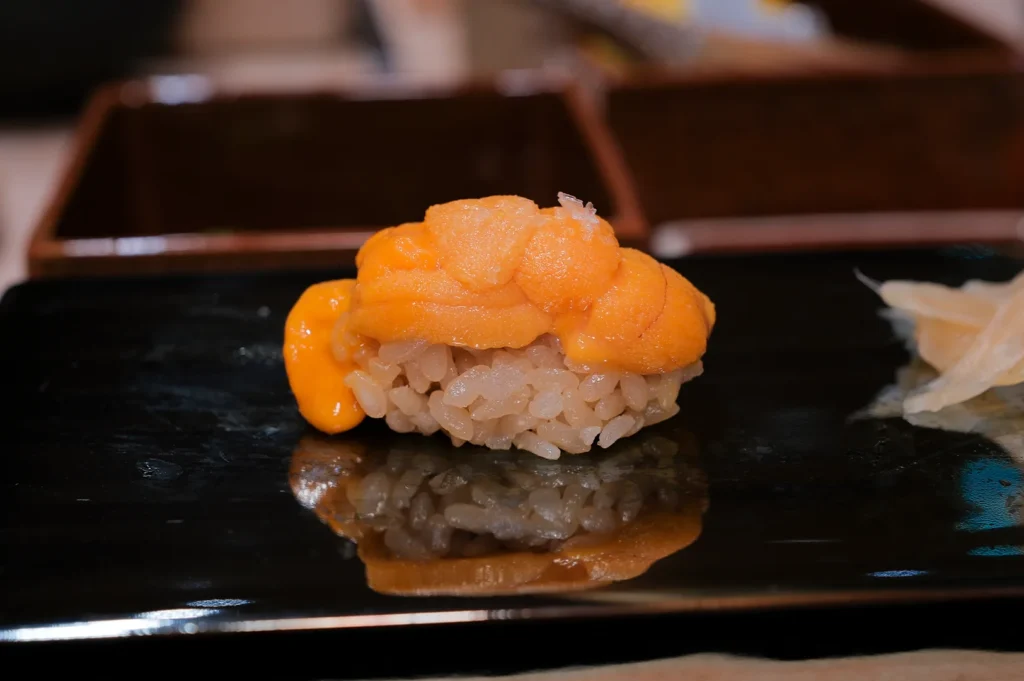
The finest seafood never graces a sushi conveyor belt due to inherent limitations in conveyor belt sushi restaurants. Time-sensitive ingredients degrade under constant exposure. Fatty tuna, prized for its melt-in-the-mouth texture, oxidises quickly on a warm belt. Similarly, premium sashimi cuts lose vibrancy after minutes in open air.
Conveyor belt sushi prioritises resilience. Robust salmon or shrimp endures the rotation sushi circuit, while ethereal otoro or uni does not. In these settings, fish must tolerate stacking, jostling, and varying temperatures. Delicate raw fish demands immediate consumption, a luxury conveyor belt sushi restaurants cannot guarantee.
Quality control falters too. Sushi chefs in high-volume conveyor belt sushi restaurants prepare dozens of pieces hourly, spreading focus thin. Precision in sushi rice seasoning or nigiri shaping suffers amid the rush.
Temperature and Timing Challenges
A sushi conveyor belt exposes pieces to ambient heat. Nigiri with fresh tuna or salmon warms undesirably, altering texture and flavour. Conveyor belt sushi restaurants mitigate this with frequent rotations, yet premium cuts still suffer. Fatty tuna, central to high-end sushi restaurant experiences, requires chilled handling until the precise moment of serving.
Timing compounds the issue. Diners might ignore a plate circling for 20 minutes, leading to waste or rushed replenishment. In rotation sushi, this cycle favours affordable sushi over expensive items. Special order buttons help, but they disrupt the belt’s flow.
Sushi Masa by Ki-Setsu’s omakase sidesteps these pitfalls. Chef Masa presents seafood at peak freshness in a dinner-only setting. No conveyor belt means no compromise on timing.
Ingredient Quality in Conveyor Belt Sushi Restaurants
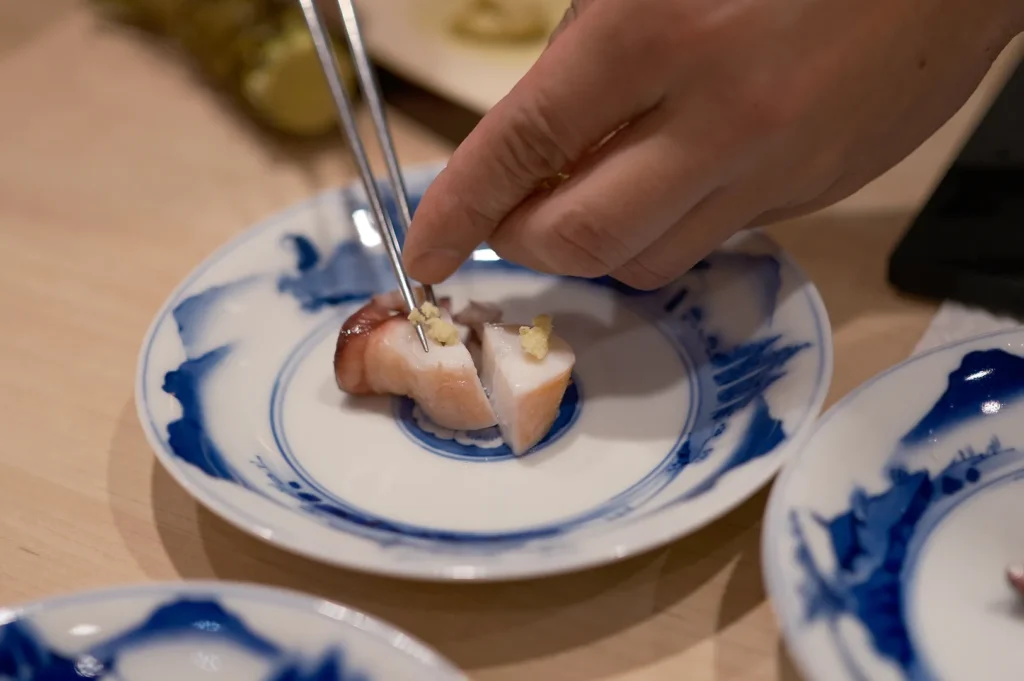
Conveyor belt sushi restaurants source seafood for endurance, not excellence. Salmon dominates due to availability and affordability, often grilled salmon belly or standard cuts. Tuna appears in lean forms, rarely as melt-in-your-mouth toro. Shrimp nigiri holds up well, as does pickled plum or tamagoyaki for variety.
Sushi rice in these venues balances firmness for travel. Soy sauce dips and pickled ginger cleanse palates between plates. Many establishments add small dishes, salads, or even tempura, diverging from pure sushi focus.
Freshness varies by location. Urban conveyor belt sushi spots refresh stock often, while others rely on frozen fish. This suits casual eating, where fun outweighs finesse. Diners stack plates, enjoying a diverse menu without deep scrutiny.
Premium sushi restaurant standards demand more. At Sushi Masa by Ki-Setsu, Toyosu-sourced seafood arrives daily, embodying Edomae purity. Chef Masa’s expertise elevates simple nigiri into art, free from conveyor belt constraints.
Sourcing and Preparation Differences
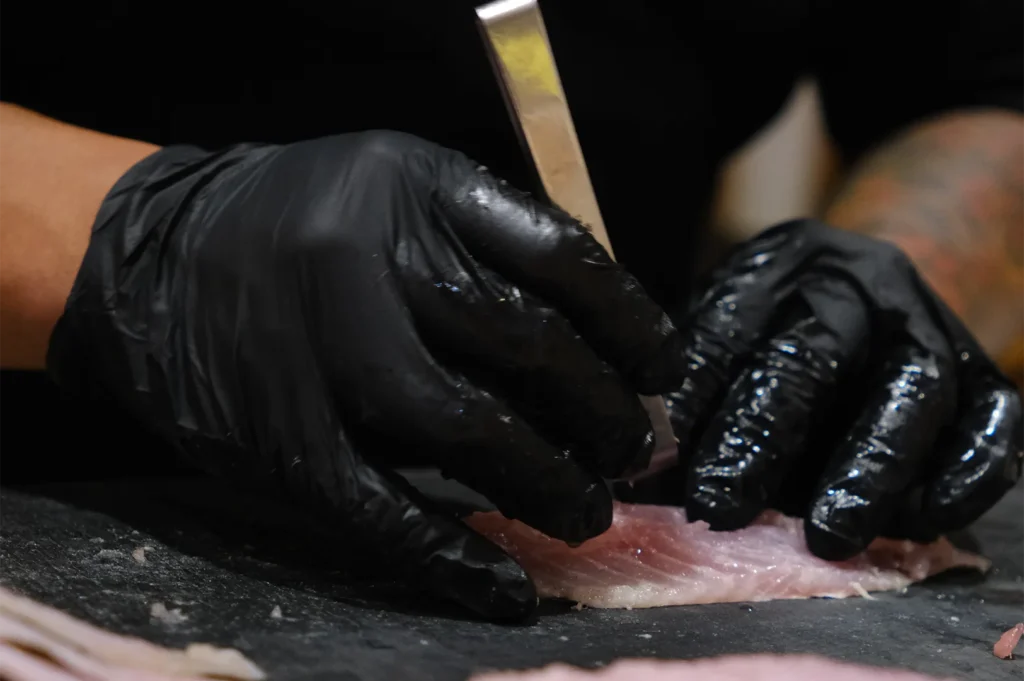
Conveyor belt sushi leans on mass suppliers. Fish undergoes processing for longevity: flash-freezing salmon, pre-slicing tuna. Preparation favours speed; sushi chefs press rice swiftly, topping with prepped seafood.
In contrast, Edomae philosophy at Sushi Masa by Ki-Setsu emphasises hand-selection. Chef Masa ages certain fish for umami depth, a nuance lost on a sushi conveyor belt. No revolving sushi here: each piece journeys directly from hand to guest.
This gap explains why the finest seafood shuns conveyor belt sushi restaurants. True quality shines in controlled, intimate settings.
The Evolution of Sushi from Kaitenzushi to Omakase
Kaitenzushi, or conveyor belt sushi, emerged in 1958 Japan, spreading globally. Tokyo innovators envisioned belts ferrying sushi to hungry customers, democratising the craft. Today, conveyor belt sushi restaurants dot landscapes, from bustling cities to malls like Jurong Point equivalents.
Diners relish the theatre: watching plates whirl past counter seats, grabbing nigiri or maki. Families share laughs over stacked plates, sipping hot water from dispensers. It’s a social meal, with seasonal menu nods to salmon or tuna specials.
Yet, evolution reveals limits. Kaiten zushi excels at volume but falters on rarity. Expensive items command premium prices, often via special order. Conveyor belt sushi restaurants balance fun dining experience with profitability, curating menus for broad appeal.
Sushi Masa by Ki-Setsu honours sushi’s roots through omakase. We forgo gimmicks, focusing on craftsmanship that conveyor belt sushi cannot replicate.
Cultural Shifts in Dining
In Japan, conveyor belt sushi restaurants serve as everyday haunts. Customers eat heartily, plates accumulating like trophies. Many establishments pair sushi with miso soup towards meal’s end, udon sides, or desserts.
Globally, adaptations vary. Some add Western twists: more salmon, fewer traditional fish. The conveyor belt remains the star, promising endless variety.
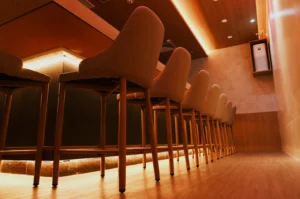
In high-quality sushi establishments, the emphasis is on the counter dining experience. Here, guests sit attentively as our chef presents pieces, explaining sourcing and technique. No plates to stack, just pure appreciation.
Operational Realities of Revolving Sushi
Running a conveyor belt sushi restaurant demands relentless pace. Belts require monitoring to avoid jams; sushi pieces must launch promptly. Staff manage empty plates, colour tallies, and special orders amid peak hours.
Scalability drives success. Chains expand menus with fried dishes, salads, and noodles, diluting sushi purity. Quality hinges on supply chains optimised for cost, not connoisseurship.
Diners benefit from choice: counter seats for solos, tables for groups. Fun elements like touchscreens for more sushi keep engagement high. Yet, this bustle sidelines the finest seafood.
Economic Factors at Play
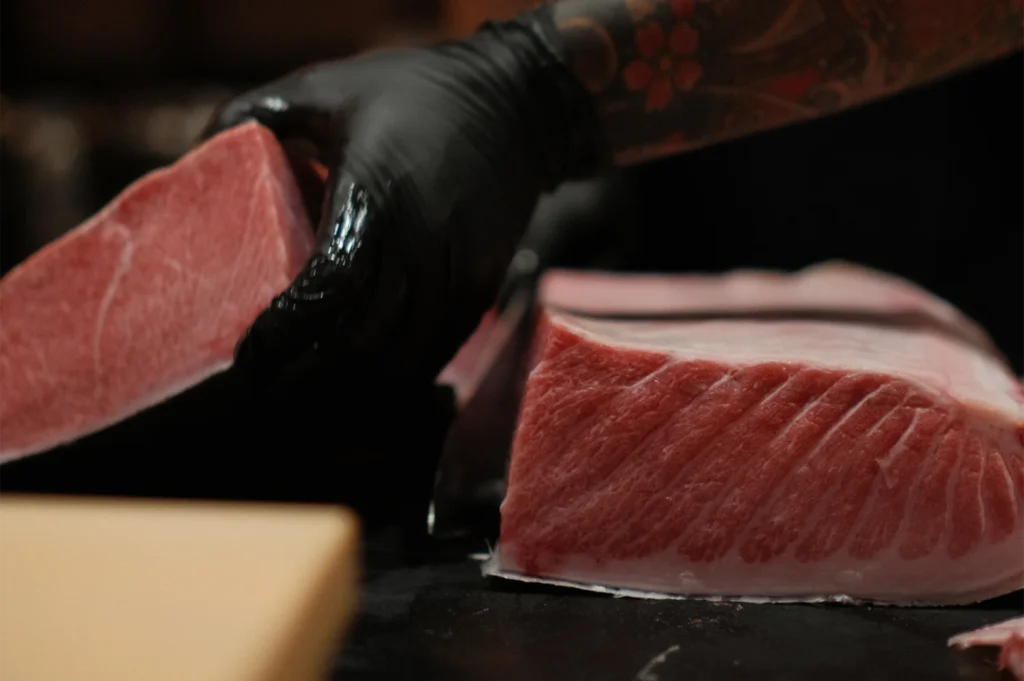
Conveyor belt sushi restaurants thrive on low price points. Affordable sushi draws crowds, with plates priced by colour. Expensive items exist but rotate sparingly, preserving margins.
Premium sourcing inflates costs unsuitable for belts. Fatty tuna or rare sashimi demands premium handling, unviable in rotation sushi volumes.
Many establishments counter this with promotions or wide selections, yet true excellence eludes them.
Experiencing Sushi Beyond the Conveyor Belt
Conveyor belt sushi restaurants offer joy in their whimsy. Grabbing passing plates, stacking empties, and signalling for more sushi creates memorable moments. It’s accessible Japanese cuisine for all.
For deeper immersion, premium paths beckon. Sushi restaurant counters foster connection, where expertise unfolds live. No belts, just masterful hands.
At Sushi Masa by Ki-Setsu, our omakase embodies this. Chef Masa sources the finest seafood from Toyosu, presenting Edomae nigiri and sashimi in harmonious progression. Each dinner reveals Japan’s culinary soul, unmarred by conveyor belt haste.
We warmly invite you to join us for an unforgettable evening. Discover why the finest seafood reserves itself for such refined encounters. Reserve your counter seat at Sushi Masa by Ki-Setsu and savour the difference.