When exploring the world of Japanese fine dining, two styles consistently rise to the top of conversation: omakase and kaiseki. Both are celebrated as pillars of Japanese culinary tradition, yet they offer distinctly different dining experiences. Whether you are new to Japanese dining or a seasoned enthusiast, understanding how these two styles differ can deepen your appreciation for everything that makes Japanese cuisine so extraordinary.
At Sushi Masa by Ki-Setsu, we believe that every guest deserves to walk through our doors with confidence and curiosity. So let us break it all down.
The Roots of Two Great Japanese Dining Traditions
What Is Kaiseki?
Kaiseki is one of Japan’s most venerable culinary art forms, tracing its origins to the refined tea ceremony culture of Kyoto. Historically, a light meal was served to guests before the tea ceremony to warm the stomach, and over centuries, this modest ritual evolved into one of the most structured and elaborate multi-course meal formats in the world.
Today, a kaiseki meal follows a deeply codified sequence of dishes, each representing a specific role within the progression of the course. A traditional kaiseki experience might begin with a clear soup, followed by seasonal appetisers, a sashimi course, a grilled dish, a simmered dish, a rice course, and finally a dessert. Every element, from the choice of vessel to the visual presentation, is guided by centuries of tradition.
Kaiseki restaurants, particularly those in Kyoto, are known for their serene private room settings, impeccable service, and an almost meditative attention to detail. The cuisine is deeply rooted in seasonality, drawing on the freshest ingredients available at any given time to construct a meal that mirrors the natural world.
What Is Omakase?
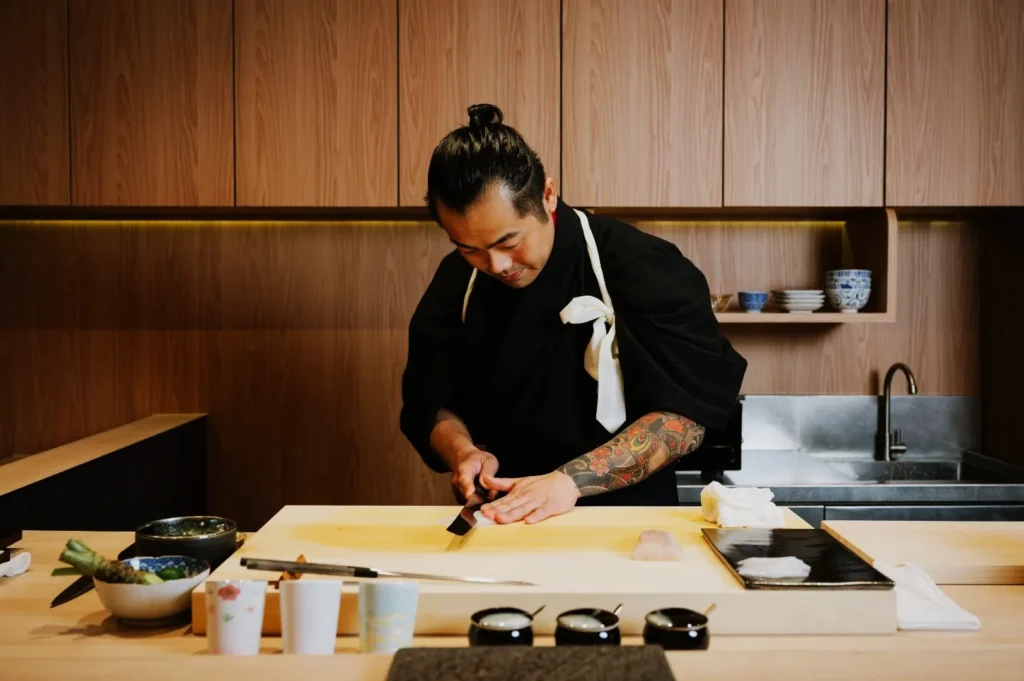
The word omakase translates loosely to “I leave it to you” in Japanese, and this phrase captures the very spirit of the dining experience it represents. When you sit down for an omakase, you are placing your trust entirely in the chef. There is no predetermined menu handed to you at the table. Instead, the chef curates every dish based on the day’s finest ingredients, personal expertise, and a desire to surprise and delight each guest.
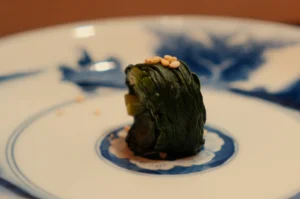
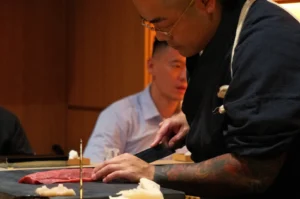
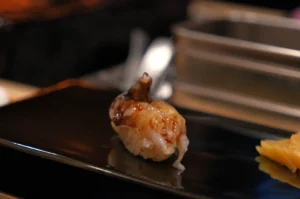
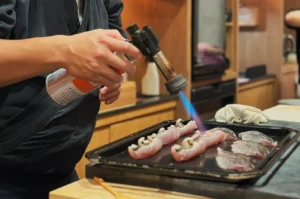
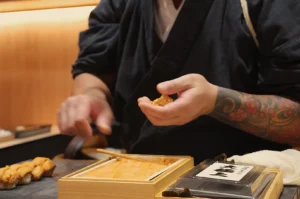
Omakase is most closely associated with sushi restaurants and sushi counter dining, where guests sit directly before the chef and watch each piece of nigiri, sashimi, or cooked course come to life in real time. This direct relationship between chef and diner is one of the defining features of the true omakase experience.
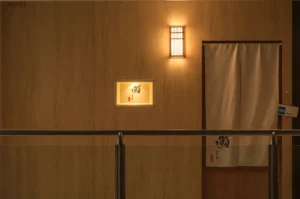
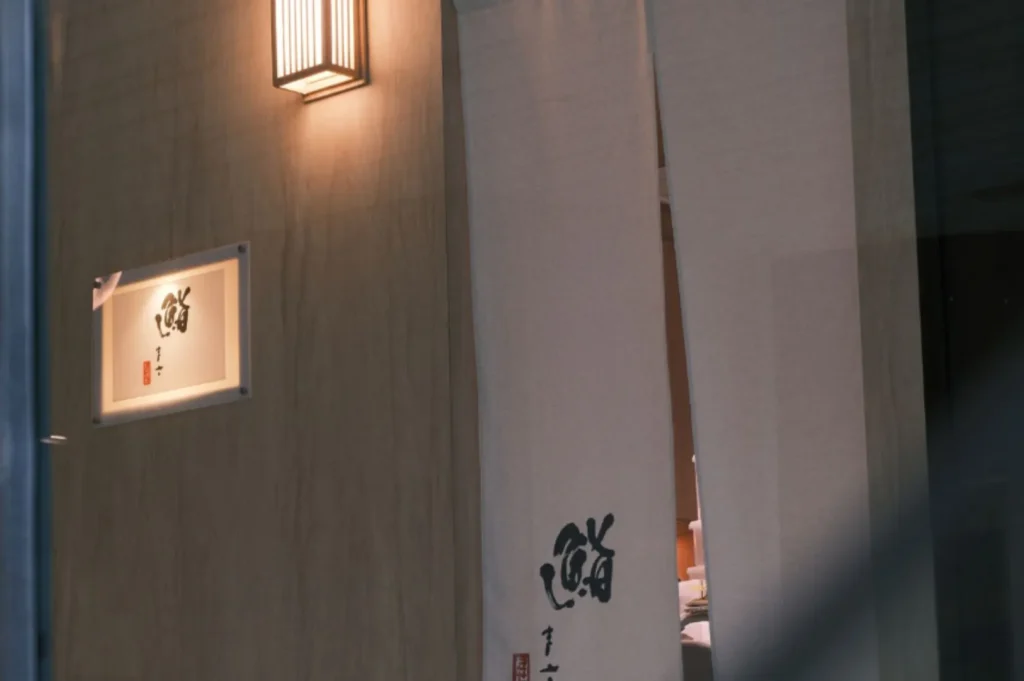
At Sushi Masa by Ki-Setsu, this philosophy is taken to heart. Chef Masa sources the freshest ingredients daily from Tokyo’s Toyosu Market, arriving each morning so that every dinner course is prepared at peak freshness. With only eight seats at our intimate counter, every guest enjoys an unobstructed, front-row view of the craft.
Kaiseki and Omakase: The Key Differences Explained
Structure and Creative Freedom
One of the clearest distinctions between kaiseki and omakase lies in structure. Kaiseki follows a largely predetermined menu, shaped by tradition and the established sequence of the kaiseki cuisine format. While seasonal ingredients do influence each course, the overall architecture of the meal remains consistent and formal.
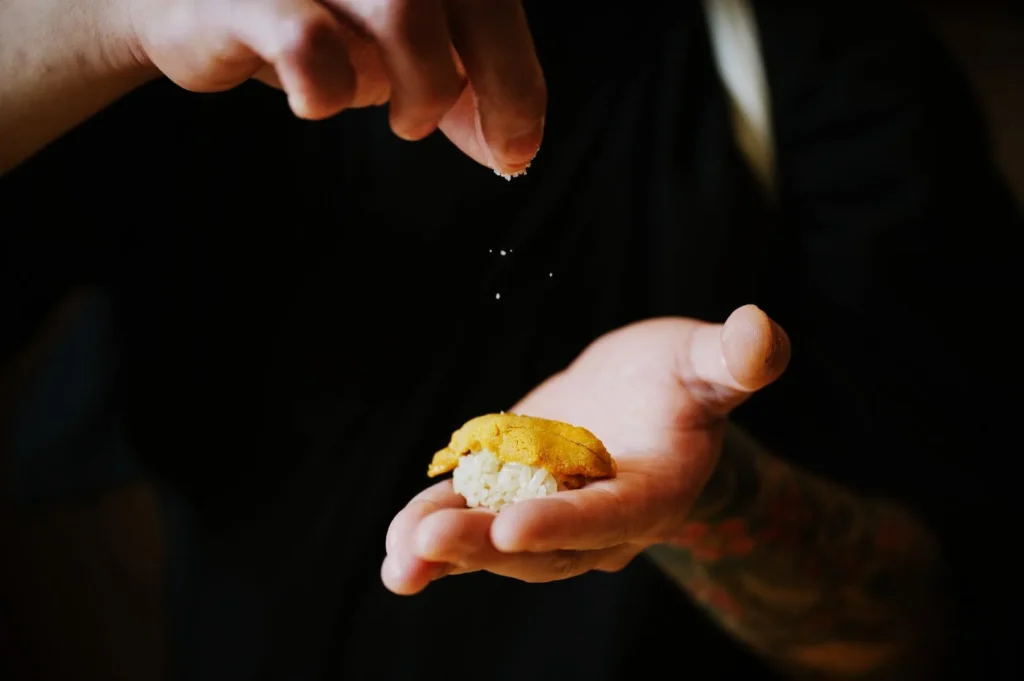
Omakase, by contrast, is built around the chef’s creativity and the day’s daily ingredients. There is no fixed sequence that must be followed. Chef Masa, for instance, draws from the Edomae tradition of sushi-making, a style developed in old Edo (now Tokyo), while incorporating his own refined interpretation of Japanese culinary craft. The result is a menu that is always evolving, always alive, and entirely unique to the evening.
The Role of Seasonality
Both kaiseki and omakase place enormous weight on seasonality, but they express it differently. In kaiseki, seasonal fish, vegetables, and produce are chosen to embody a specific time of year, reinforcing the aesthetic and philosophical themes of the overall experience. A kaiseki restaurant will often design the entire meal, including its ceramics and décor, around a seasonal motif.
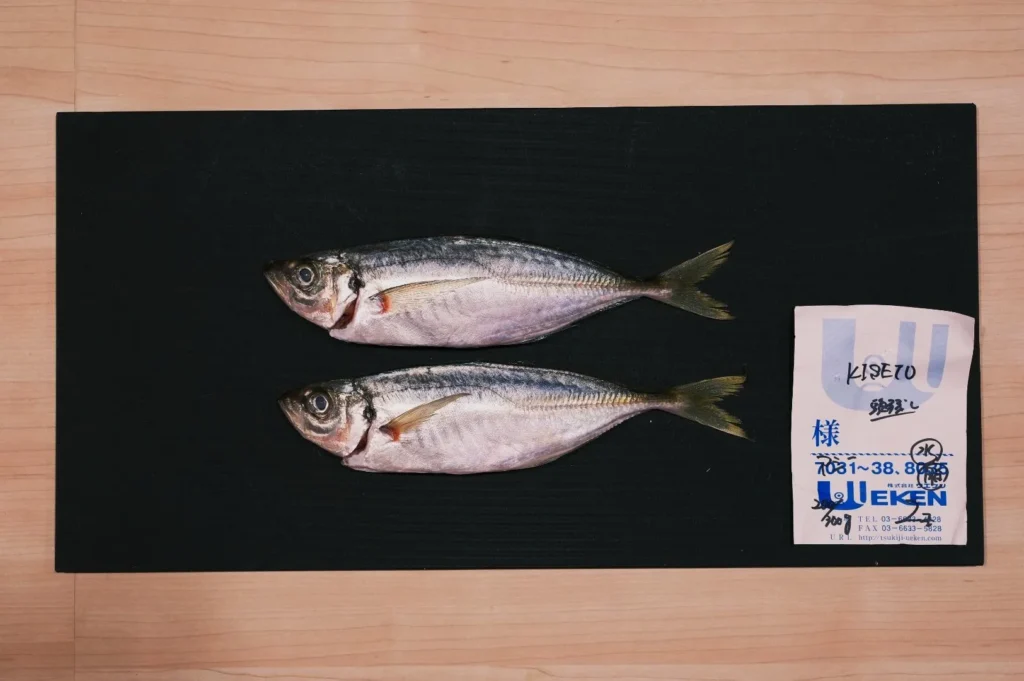
In omakase, seasonality is less about formal presentation and more about flavour and quality. The chef asks: what is the finest ingredient available today? What is at its absolute peak? This is precisely why Chef Masa insists on daily sourcing from Toyosu, ensuring that every piece of sushi or sashimi served at Sushi Masa by Ki-Setsu reflects the truest expression of that season’s finest offerings.
Setting and Atmosphere
Kaiseki experiences are often associated with ryokan, the traditional Japanese inns, or with formal establishments offering private room dining. The atmosphere is hushed, ceremonial, and steeped in formality. Guests are expected to move through the meal at a measured pace, absorbing not just the food but the entire sensory environment around them.
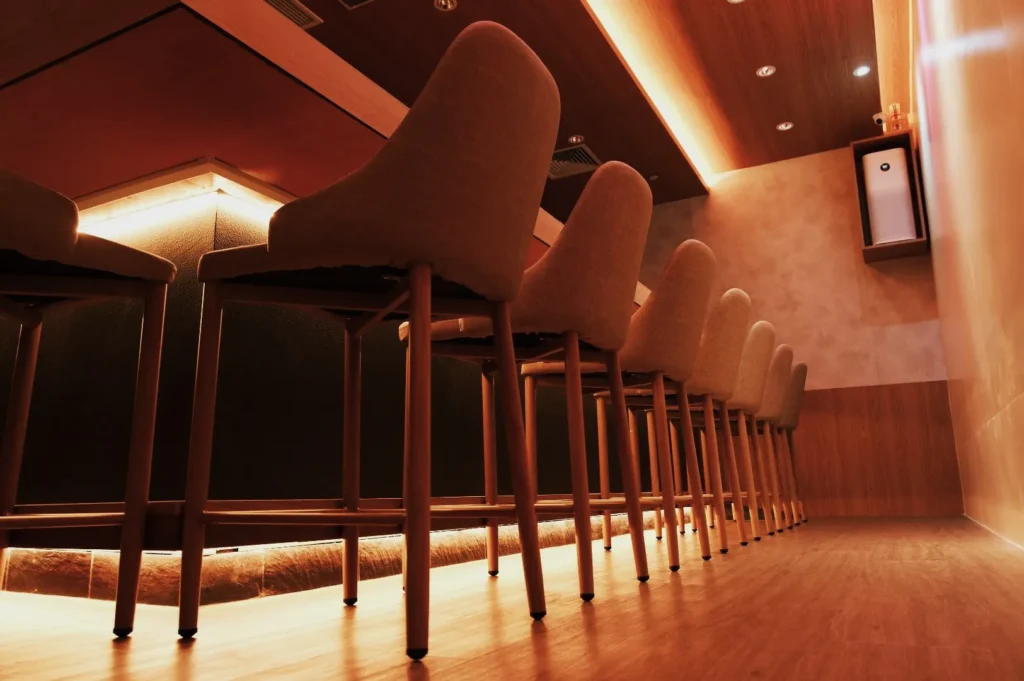
Omakase settings tend to be more intimate in a different way. The sushi counter becomes a stage, and the relationship between Chef Masa and each guest is personal and direct. At Sushi Masa by Ki-Setsu, our eight-seat counter is designed specifically for this connection, creating an atmosphere that is refined yet warm, exclusive yet never cold.
Personalisation and Dietary Restrictions
Kaiseki follows its predetermined menu closely, which can make it less flexible for guests with specific dietary restrictions. The format is designed as a holistic experience, and departing significantly from the set sequence can disrupt the integrity of the kaiseki meal.
Omakase, while guided by the chef, allows for a slightly more personalised experience. A skilled chef will always make note of a guest’s preferences, allergies, or dietary restrictions before beginning the course.
Which Japanese Dining Experience Is Right for You?
When Kaiseki Is the Choice
If you are drawn to deep cultural ritual, highly structured dining, and the contemplative pace of a multi-course meal that has evolved over centuries, a kaiseki experience will resonate profoundly. It is particularly suited to special occasions where the ceremony of the meal is just as meaningful as the food itself. For those who appreciate Japanese culture in its most formalised and aesthetic expression, kaiseki offers an unparalleled window into that world.
When Omakase Is the Choice
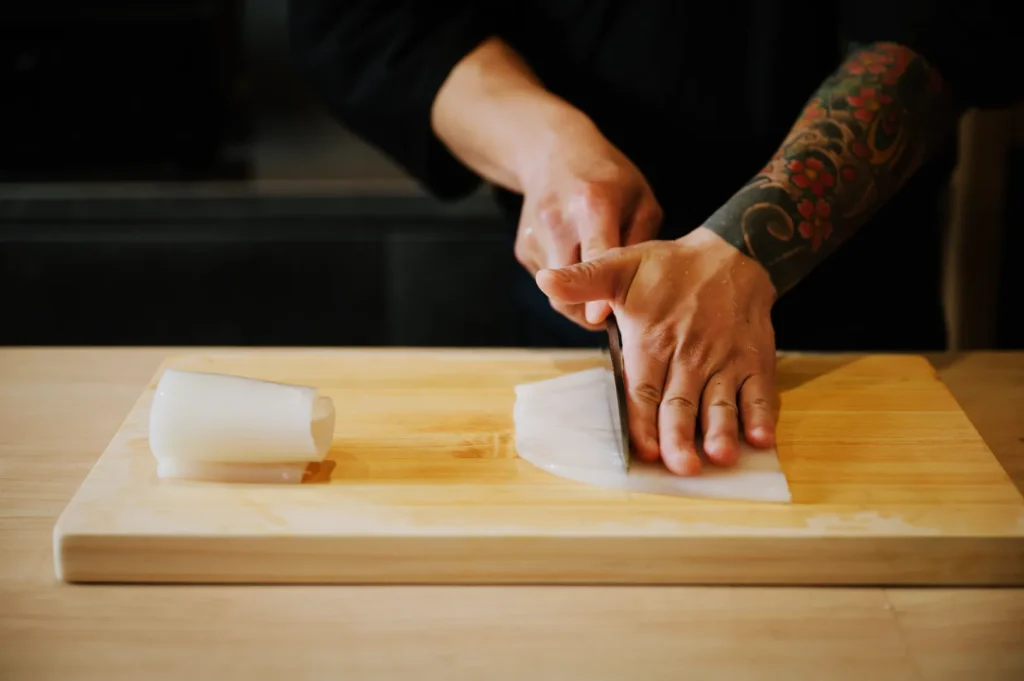
If you prefer spontaneity within excellence, an omakase experience will feel more natural. The joy of omakase lies in not knowing exactly what will arrive next, trusting that each course has been designed with intention, using ingredients at their absolute finest. For guests who love sushi, sashimi, and the theatre of watching a chef work at close range, omakase is where Japanese fine dining becomes deeply personal.
At our sushi sanctuary, the omakase format is not simply a dining style. It is a philosophy. Every evening, Chef Masa translates the language of the sea into an intimate, carefully considered journey for each guest seated at the counter.
Omakase and Kaiseki: More Similar Than You Think
Despite their differences, kaiseki and omakase share the same foundational values: respect for ingredients, commitment to craft, and a belief that dining is a form of art. Both traditions ask something meaningful of the guest, not just appetite, but presence. Both reward those who slow down, pay attention, and allow the chef to lead.
Whether you are drawn to the structured beauty of a kaiseki meal or the spontaneous artistry of a true omakase experience, Japanese culinary tradition offers something that few other cuisines in the world can: a complete sensory philosophy, expressed through food.
Discover Omakase at Sushi Masa by Ki-Setsu
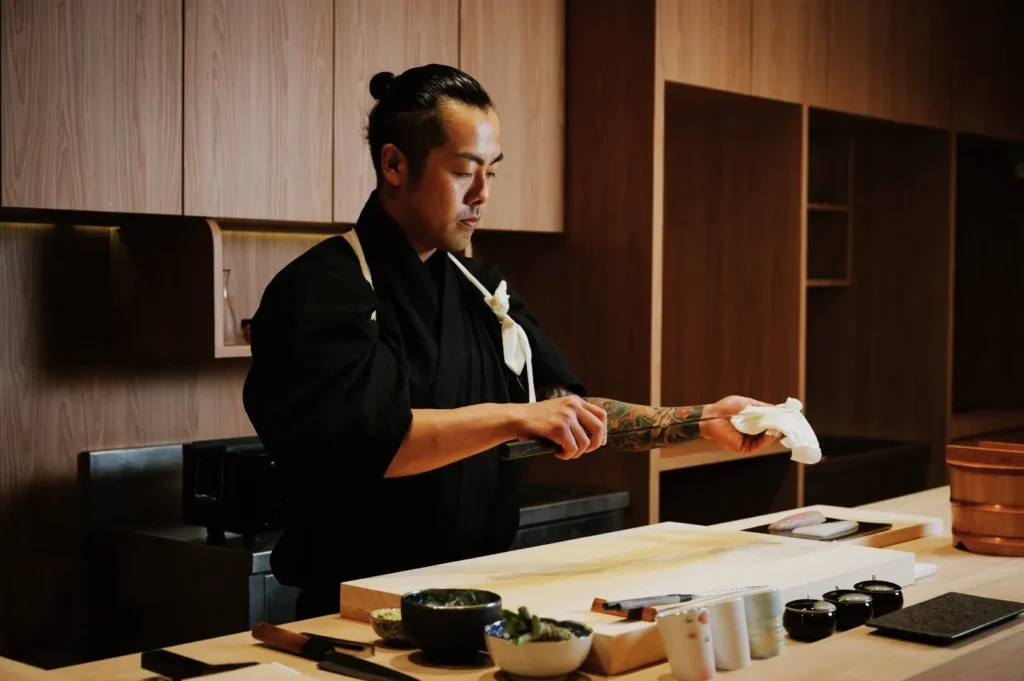
If you have been curious about omakase and are ready to explore it in its most refined form, we warmly invite you to join us at Sushi Masa by Ki-Setsu. Tucked away on the sixth floor of Cuppage Plaza in Singapore’s Orchard belt, our eight-seat counter offers an intimate and deeply personal evening of witnessing traditional techniques of Japanese dining.
Chef Masa’s menus change with the seasons, guided always by the freshest ingredients sourced directly from Toyosu Market. Every course is crafted with the same singular focus: to give each guest a meal worth remembering, making Sushi Masa by Ki-Setsu one of the best omakase Singapore destinations for authentic Japanese cuisine.
For reservations and enquiries, we welcome you to reach us via our website or WhatsApp. We look forward to welcoming you to the table.