There is a quiet reverence that settles over a sushi counter when a guest truly understands what they are about to receive. Not simply a meal, but a tradition centuries in the making. The history of edomae sushi is the story of how Japan transformed humble, accessible street food into one of the world’s most celebrated culinary arts.
At Sushi Masa by Ki-Setsu, recognised as one of the best omakase Singapore destinations, we believe that honouring this lineage is not optional; it is the very foundation of everything we do.
The Origins of Edomae Sushi and the Edo Period
To understand edomae sushi, one must first understand the city that gave it its name. “Edo” refers to the former name of Tokyo, and “mae” means “in front of.” Together, edomae translates to “in front of Edo,” a direct reference to the fish and seafood harvested from the waters of Tokyo Bay during the Edo period.
It was during the late Edo period, roughly the early nineteenth century, that nigiri sushi as we know it began to take shape. Before this, sushi in Japan referred primarily to fermented fish pressed with rice, a preservation method that had little in common with the refined nigiri style we enjoy today. The shift came as Tokyo Bay yielded an extraordinary bounty of fresh seafood, and enterprising vendors at street stalls began combining vinegared rice with the catch of the day, serving bite-sized portions to hungry locals. These food stalls became part of the fabric of daily life, and this style of sushi was born as everyday food.
What distinguished edo style sushi from the kansai style sushi of western Japan was not merely geography. Kansai sushi, rooted in the Seto Inland Sea traditions of the Kansai region, leaned towards pressed and moulded forms with boldly seasoned rice, moving at a very different pace to the lively sushi stalls of Edo. Edomae sushi, by contrast, responded to the immediate availability of local fish and the tastes of a rapidly growing urban population.
Traditional Techniques That Define Authentic Edomae Sushi
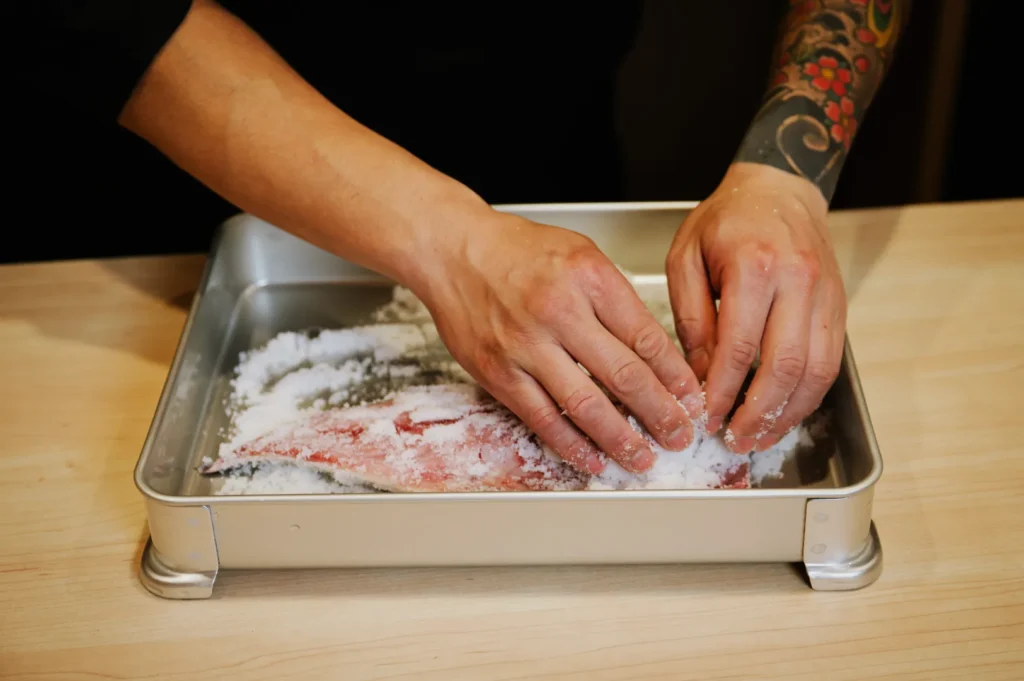
Edomae sushi lies in its techniques as much as its ingredients. When refrigeration technology did not exist, sushi chefs of the Edo period developed a remarkable repertoire of preservation and preparation methods to extend the shelf life of their fish and deepen its flavour.
Curing, Marinating, and Ageing
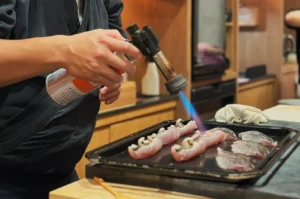
The most iconic of these is vinegar curing, particularly the process applied to silver-skinned fish such as gizzard shad. Known as kohada, gizzard shad was cured in salt and rice vinegar, transforming its flesh into something with a profound taste that balanced the natural sweetness of the vinegared rice beneath it. This technique remains among the most celebrated representative toppings in traditional sushi restaurants today.
Zuke maguro, or marinated tuna, was another essential edomae method. Tuna was immersed in soy sauce to preserve it, imparting depth and umami that raw fish alone could not offer. Today, zuke maguro is still prepared by sushi chefs who respect edomae traditions. Chef Masa approaches these classical preparations with deep intention, sourcing premium tuna and seasonal fish from Toyosu Market daily to ensure that each piece reflects both tradition and peak freshness.
Red vinegar, derived from sake lees, was another hallmark of authentic edomae sushi. It gave sushi rice a distinctive amber hue and a richer, more complex flavour compared to standard rice vinegar. The use of red vinegar in sushi rice is one of the elements that separates an authentic omakase experience from regular sushi in both appearance and taste.
Kuruma Ebi and the Prestige of the Japanese Tiger Prawn
Few ingredients carry the symbolic weight of kuruma ebi in edomae sushi. This Japanese tiger prawn, caught from coastal waters near Edo Bay, was considered among the finest sushi toppings available. Traditionally prepared by boiling the tiger prawn to just the right point and pressing it into nigiri style with meticulous care, its natural sweetness and firm texture made it a luxury even centuries ago. Kuruma ebi remains a celebrated element in high-end sushi restaurants to this day, prized for its fatty flesh and clean finish.
How Sushi Chefs Preserved a Living Tradition
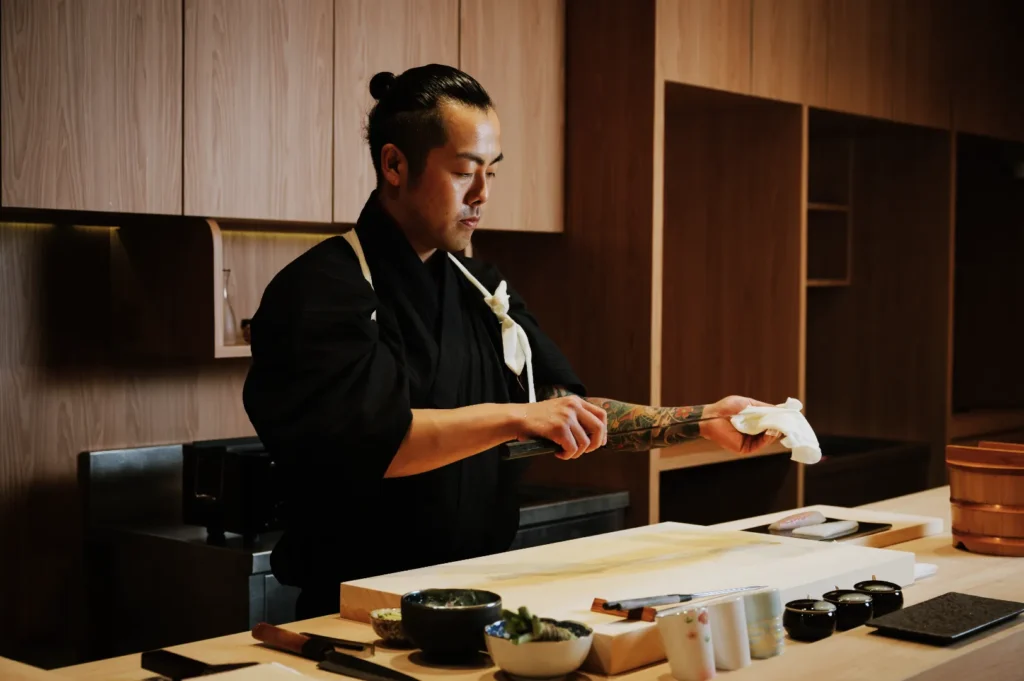
The history of edomae sushi did not simply pause at the end of the Edo period. Our chef, and those who practise this craft at the highest level, continue to carry forward the techniques, philosophies, and seasonal sensibilities established centuries ago. What makes this tradition so enduring is its insistence on working with, rather than against, the natural world.
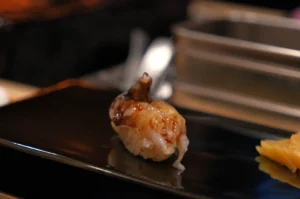
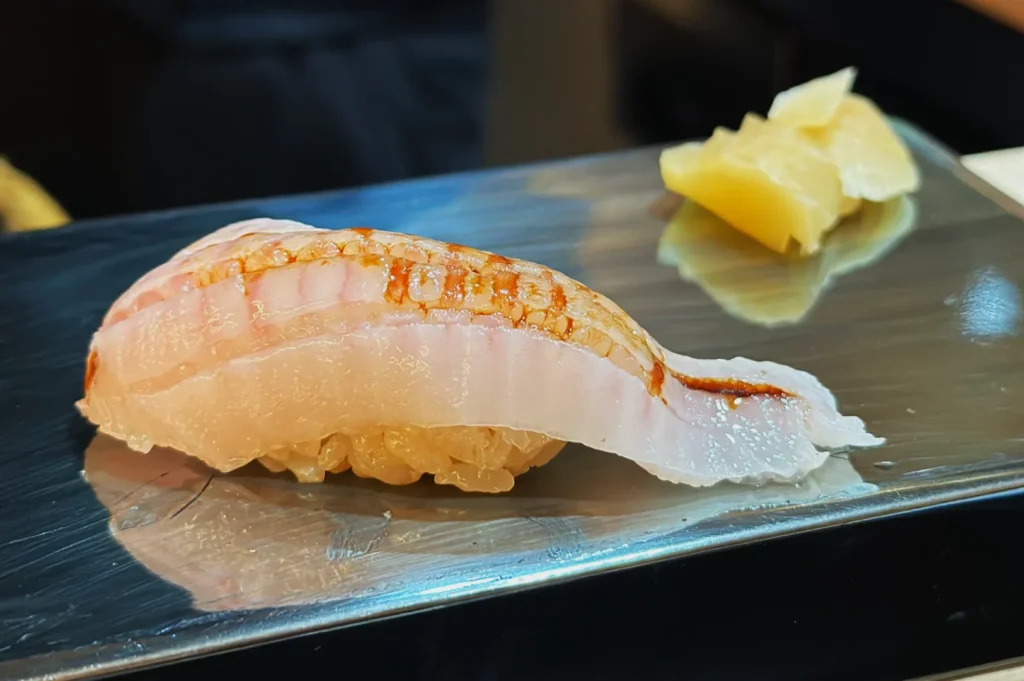
Seasonal fish has always been central to the edomae approach. Sea bream, conger eel, and sea bass each appear at specific points in the year, and experienced sushi chefs know precisely how to handle each one. Conger eel, or anago, was often simmered in a sweet-savoury broth, an edomae technique that transformed a delicate sea eel into something warming and complex. Spanish mackerel and sea bream were prized for their clean, bright flavour and featured prominently depending on what the season offered.
Many sushi chefs today, particularly those practising in dedicated edomae sushi restaurants, source their ingredients through Japan’s wholesale markets, the most prestigious of which is Toyosu Market in Tokyo. This connection to source is central to our philosophy. Every ingredient arrives fresh from Toyosu Market, reflecting the same commitment to seasonality and quality that defined the original edomae approach, from local fishermen to the finest counters in the world.
The Omakase Course as the Purest Expression of Edomae Sushi
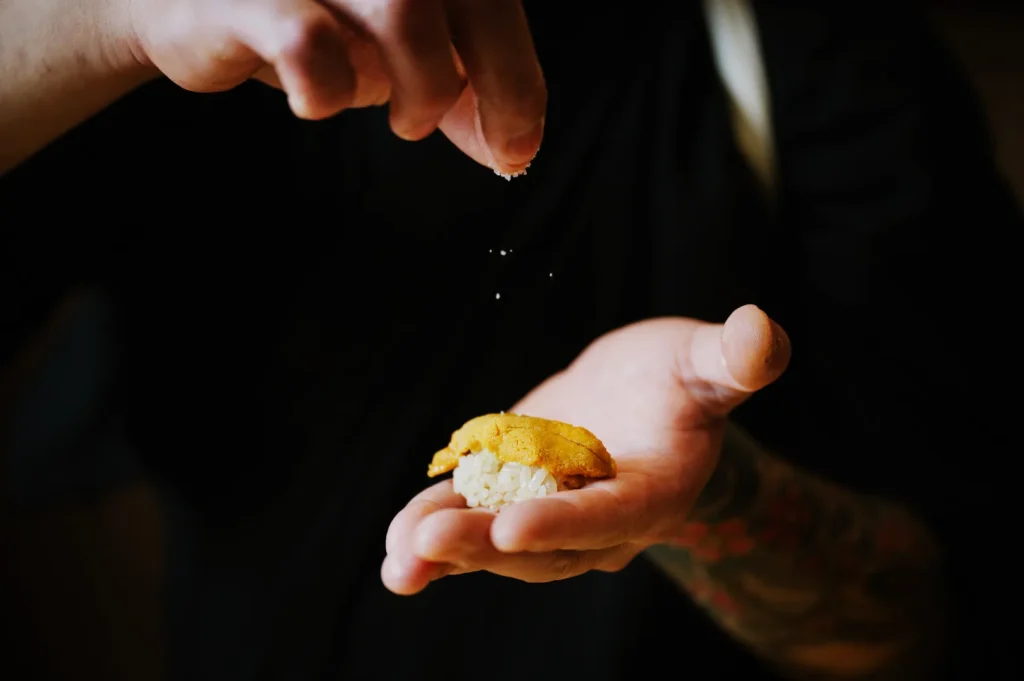
The omakase course is, in many ways, the most faithful vessel for edomae sushi culture. Omakase, meaning “I leave it to you,” places complete trust in the hands of the chef. In the context of edomae sushi, this trust is well-placed. The chef curates the meal according to what the season offers and what has arrived at its finest that day, rather than conforming to a static menu.
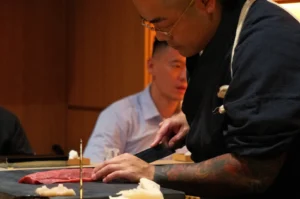
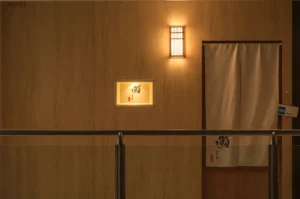
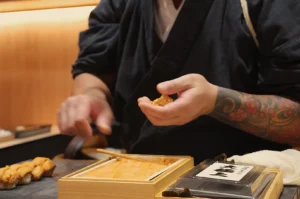
This is precisely how Sushi Masa by Ki-Setsu operates. With only eight seats at our sushi counter, each guest receives the full and undivided attention of Chef Masa. There are no distractions, no sprawling menus, and no compromises. Each piece of nigiri sushi is shaped to order, every portion of sushi rice seasoned with the precision that the edomae method demands. The experience is intimate, deliberate, and deeply connected to the philosophy that authentic Japanese cuisine has always required.
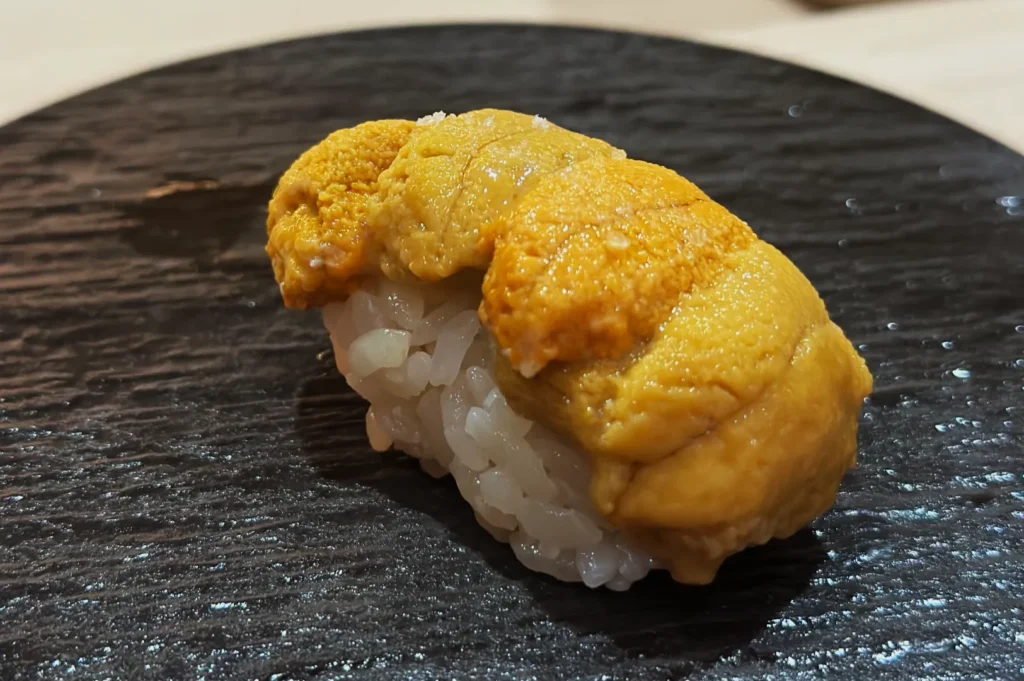
The sushi toppings that appear throughout an omakase course at Sushi Masa by Ki-Setsu follow the rhythm of the seasons. Fresh fish from Toyosu arrives daily and informs what Chef Masa selects. Fresh seafood is never held simply because it appeared on a previous menu. This is the edomae way: responsive, honest, and anchored in unwavering quality.
Why Edomae Sushi Restaurants Stand Apart
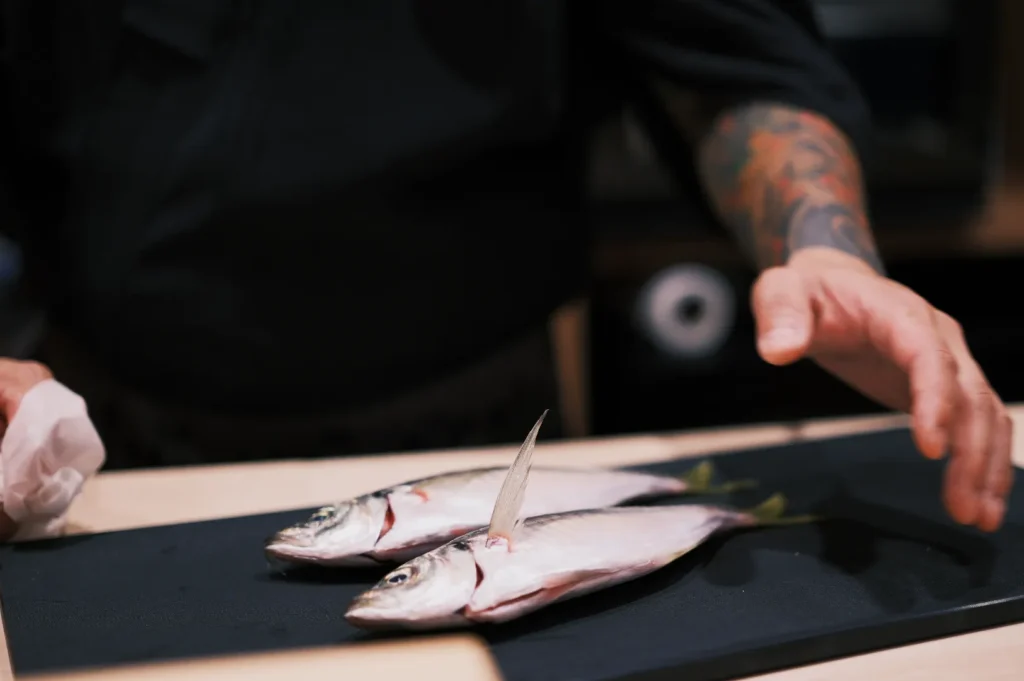
Not all sushi restaurants are edomae sushi restaurants, and the distinction matters enormously. The edomae tradition demands a specific relationship with ingredients, time, and technique. Our chef must understand how to apply vinegar curing, how to work with raw fish at varying stages of preparation, and how to let the flavour of each piece speak without interference. This is not the approach of fast food sushi or assembly-line nigiri style production. It is a living craft, passed through generations of skilled practitioners who understood that sushi rice quality, the type of rice vinegar used, and the pairing of each sushi topping with the correct preparation method all matter profoundly.
High-end sushi restaurants that claim to offer edomae sushi must demonstrate this through their practice, not merely through branding. The edomae sushi history is too rich, and the techniques too precise, to be reduced to aesthetics alone. When you enjoy edomae sushi at its finest, you taste centuries of refinement in every piece.
Experiencing Edomae Sushi at Sushi Masa by Ki-Setsu
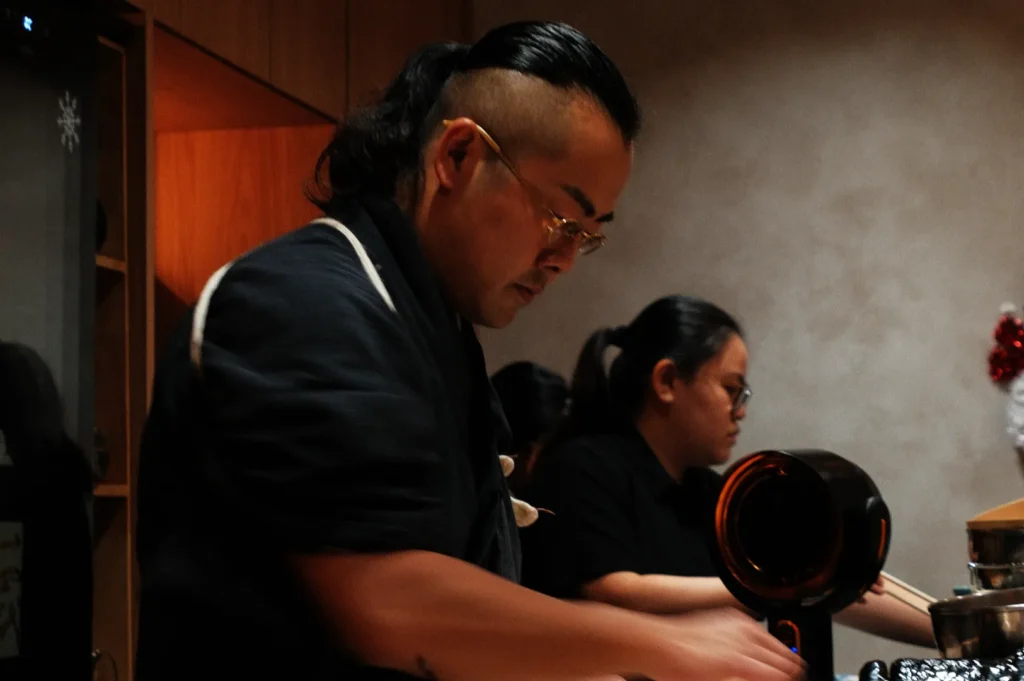
The history of edomae sushi is, ultimately, a history of devotion: devotion to the season, to the craft, and to the guest seated at the counter. It is a tradition that many sushi chefs continue to honour across Japan and beyond, and one that we are privileged to carry forward here in Singapore.
To enjoy edomae sushi in its most considered form is to understand why this style of Japanese cuisine has endured for centuries. We invite you to take a seat at our sushi counter, trust in Chef Masa, and allow the omakase course to unfold as it was always intended: with precision, seasonality, and a profound respect for everything that came before.
Sushi Masa by Ki-Setsu is located at Cuppage Plaza, Singapore. Dinner is served Tuesday through Saturday, with private bookings available on Sundays. We welcome you to experience edomae sushi for yourself and discover what makes a truly distinguished sushi restaurant worth returning to, again and again.