There is something quietly extraordinary about sitting down to an omakase dinner. No menu to browse, no decisions to agonise over. Just trust, placed entirely in the hands of a chef who has spent years mastering the craft. For many diners in Singapore, this is their first encounter with Japan omakase, and it leaves a mark that no ordinary restaurant meal can replicate.
At Sushi Masa by Ki-Setsu, we believe that the Japanese omakase dining experience is one of the most intimate and meaningful ways to explore Japanese cuisine. Whether you are a curious first-timer or a returning guest, we want you to walk in feeling prepared, and walk out feeling something rare.
What “Omakase” Means at a Fine Dining Sushi Restaurant
The word omakase translates loosely to “I leave it to you.” That simple phrase carries enormous weight in Japanese culinary culture, and it is the foundation upon which every serious omakase restaurant is built. When you choose omakase, you are not simply ordering food. You are placing your trust in the chef, allowing their knowledge of the season, the ingredients, and the moment to determine every course of your evening.
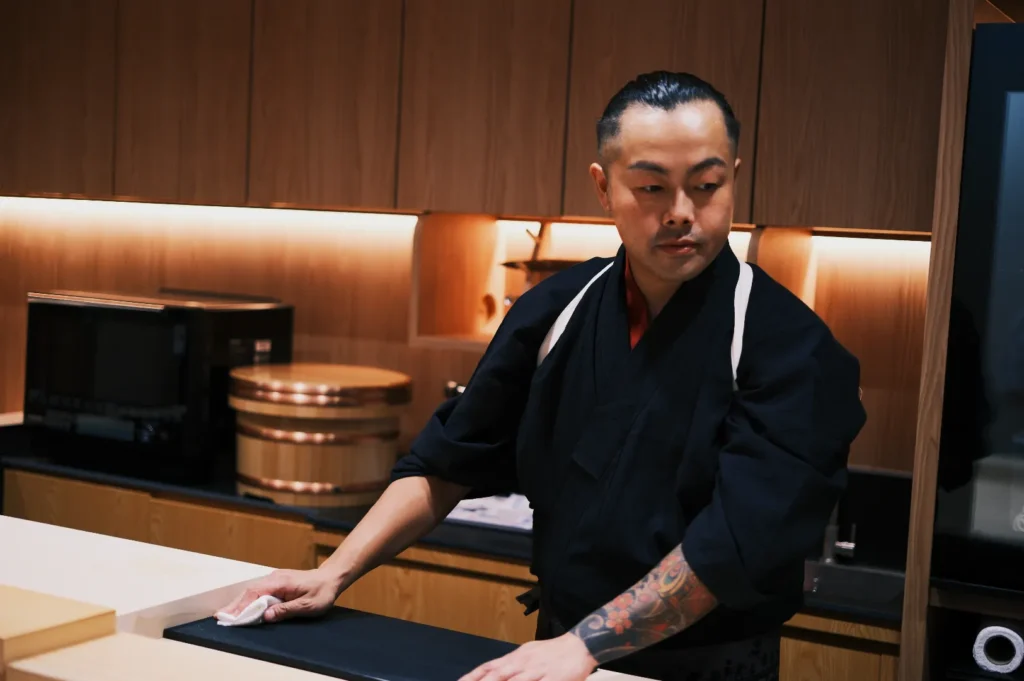
This philosophy runs through everything we do at Sushi Masa by Ki-Setsu. Our menu is purely seafood-based, guided by the finest catches available, and Chef Masa sources premium ingredients daily from Tokyo’s Toyosu Market. There is no rigid set menu that repeats unchanged week after week. Instead, each omakase course is a living expression of what is finest on that particular day, shaped by the season and by the singular vision of our chef.
The Sushi Counter: A Defining Omakase Experience
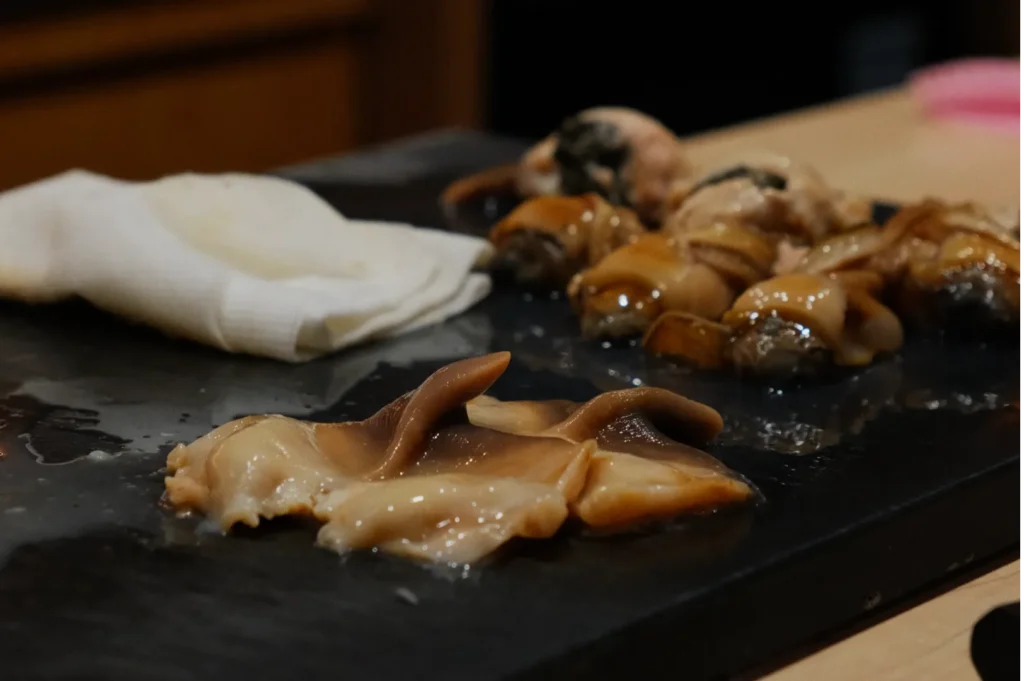
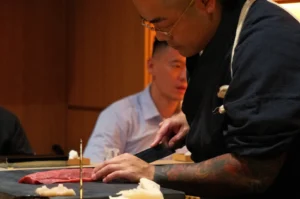
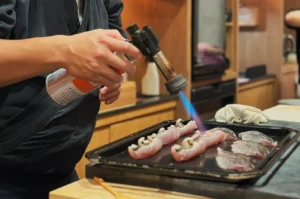
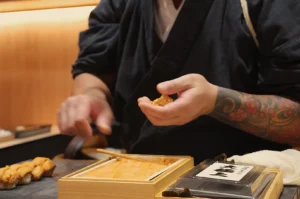
One of the most distinctive elements of any sushi omakase is the sushi counter. Unlike a conventional restaurant where the kitchen is hidden from view, counter seating places you directly in front of the chef. You observe every movement: the careful slicing of sashimi, the precise seasoning of shari, the swift and deliberate shaping of each nigiri piece. It is a performance and a craft, unfolding just centimetres from where you sit.
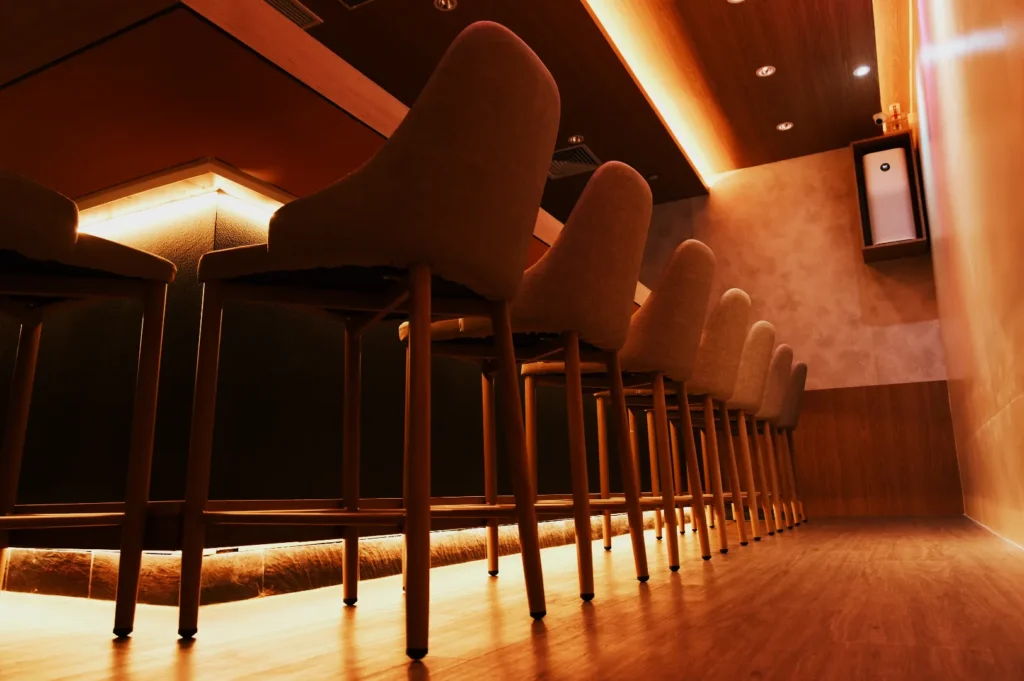
Our sushi counter seats just eight guests. This intimacy is entirely intentional. With a small number of diners, Chef Masa can dedicate full attention to the pace and rhythm of each guest’s experience. The atmosphere is warm rather than stiff, and for those curious about technique or provenance, Chef Masa welcomes the exchange. Counter seating here is not just a practical arrangement. It is the heart of what makes this dining experience so different from other places.
Counter Seating and the Art of Being Present
If this is your first visit to a sushi omakase restaurant, the counter can feel slightly formal at first glance. In practice, it is far more relaxed than guests often expect. You settle in, take in your surroundings, and allow the evening to unfold at its own pace. There is no waiting for a waiter to take your order, no browsing through other options on a laminated menu. Dishes arrive in a considered sequence, and there is no need to rush. That unhurried quality is one of the great pleasures of omakase dining. The structure is managed entirely for you.
How the Omakase Course Unfolds on the Night
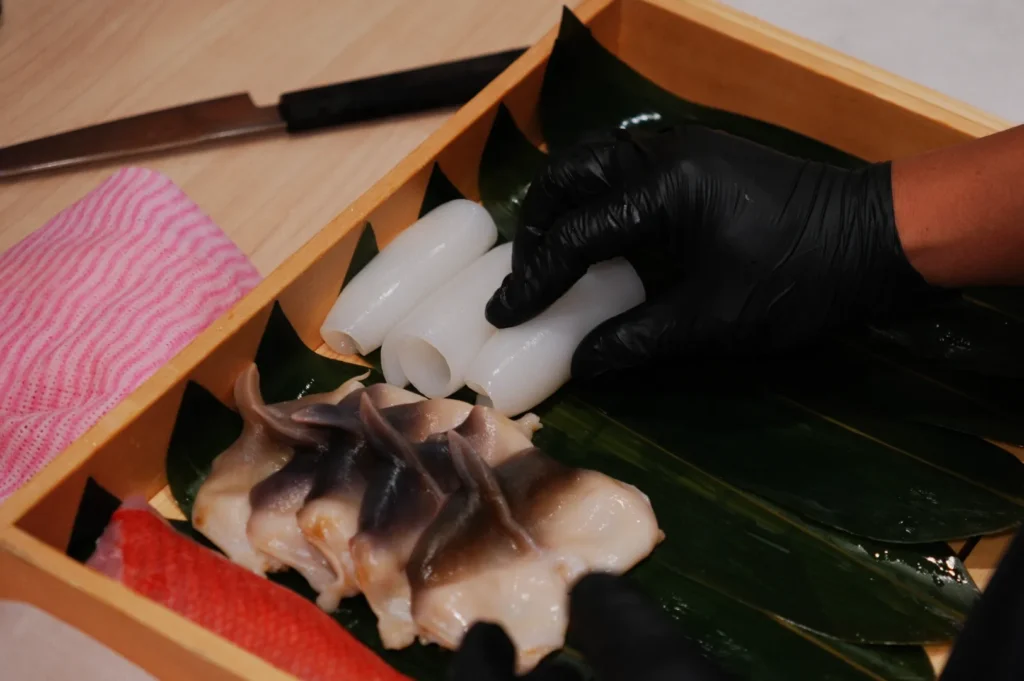
A thoughtfully composed omakase course moves through several distinct stages, each building on the last in terms of flavour, texture, and depth. Understanding this rhythm helps diners appreciate not just individual dishes, but the full arc of the meal.
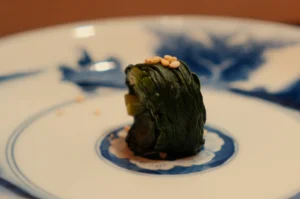
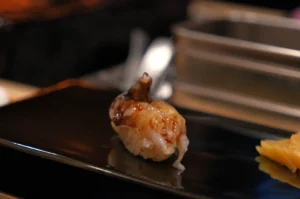
With us, dinner begins with a light dashi soup, a gentle and palate-cleansing start. From there, the course moves through beautifully composed appetisers, premium sashimi, and then into the sushi sequence itself. Every piece of nigiri is crafted to be eaten at the precise moment it is placed before you, at the temperature and texture Chef Masa intended. What makes the result so amazing is not any single ingredient in isolation, but the cumulative effect of a course where every decision has been made with complete care. This level of intention is what separates a genuinely good omakase from the many sushi restaurants that serve sushi without this degree of craft.
Sashimi, Nigiri, and the Michelin Guide Standard of Edomae Sushi
The Edomae style of sushi, rooted in old Edo (present-day Tokyo), informs much of the way Chef Masa works. Edomae sushi is defined by restraint, precision, and a profound respect for the ingredient. Fish is not disguised by heavy sauces or elaborate garnishes. The quality of the seafood speaks for itself, often elevated by minimal touches: a brush of nikiri, a whisper of citrus zest, a careful seasoning of the rice.
Sashimi courses at our omakase restaurant showcase premium seasonal cuts, allowing guests to appreciate each species before the sushi begins. Sea urchin, or uni, often appears as one of the evening’s most celebrated moments, prized for its oceanic sweetness and remarkably creamy texture. It is the sort of ingredient that reminds you exactly why omakase experiences draw discerning diners from across Singapore and the world beyond.
The standard we hold ourselves to at Sushi Masa by Ki-Setsu is one informed by the Michelin Guide’s values: consistency, craft, and an unrelenting focus on quality.
What Makes a Good Omakase Restaurant Worth Your Reservation
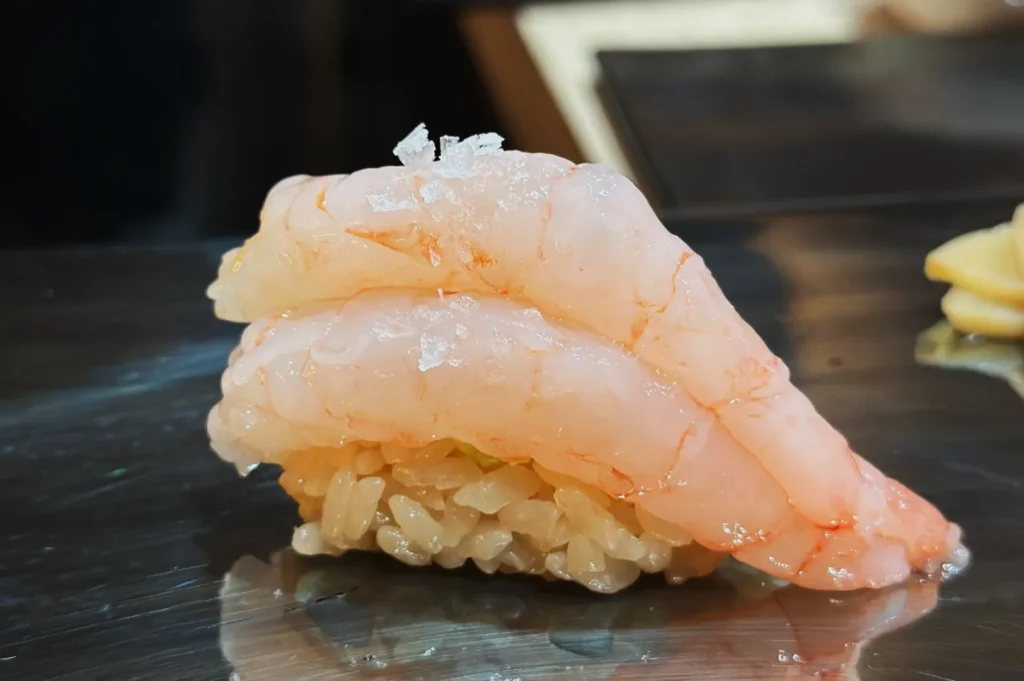
Not every omakase restaurant offers the same calibre of dining experience. There are several qualities that consistently distinguish a good omakase from a merely adequate one, and they are worth understanding before you decide where to make your reservation.
The most important factor is sourcing. The best sushi depends entirely on ingredient quality, and that quality begins long before the fish reaches the counter. At our restaurant, every piece of seafood is flown in daily from Toyosu Market, the gold standard for premium Japanese seafood. This daily commitment is what makes our sushi omakase consistently exceptional. No shortcuts are taken. It is also worth noting that lunchtime hours at our restaurant are not idle. Chef Masa uses that time entirely for preparation, ensuring that every element of the evening’s course is at its absolute peak by the time guests arrive for dinner.
The second factor is singularity of vision. Sushi omakase is not a format that thrives by committee. It requires one chef with a deep and personal relationship to their craft, someone who can cook each course with complete mastery and create a cohesive, meaningful progression from the first dish to the last. Chef Masa brings that singular vision to every dinner service, and it is evident in every course that arrives at the counter.
The third factor is atmosphere. Fine dining omakase should feel considered and calm. Our eight-seat counter at Sushi Masa by Ki-Setsu is designed to be intimate, unhurried, and conducive to genuine enjoyment. It is, in our view, the ideal setting for a Japan omakase dinner in Singapore.
Michelin Star Values: Dining Experience, Reservation and Etiquette
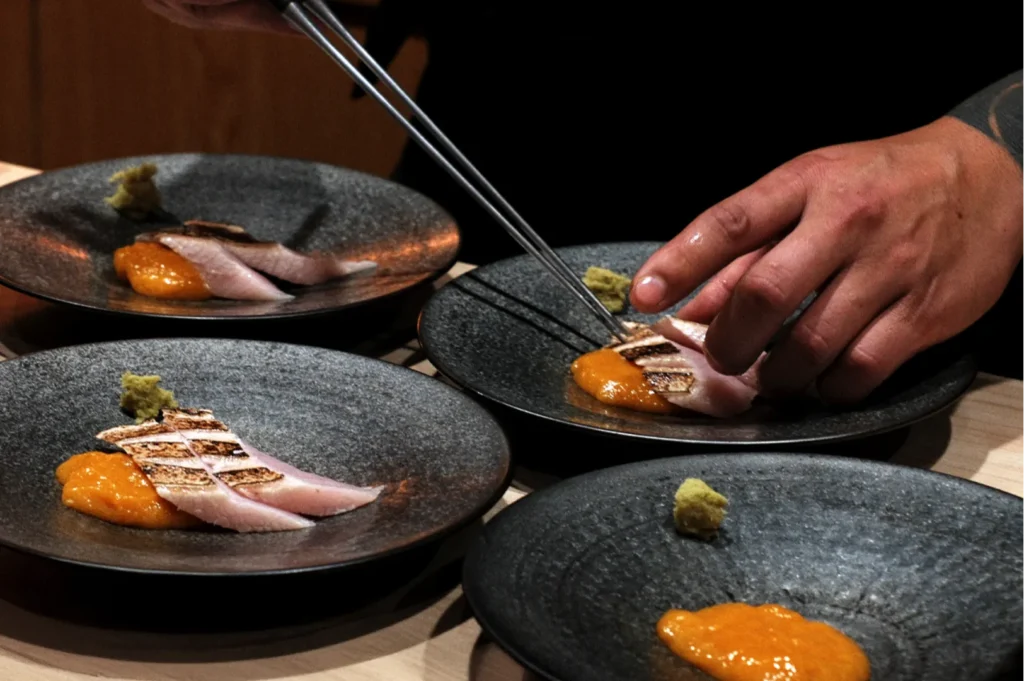
Planning in advance is essential when it comes to omakase restaurant dining. Reservations at good omakase establishments fill up quickly, particularly across the week, so we encourage guests to book well ahead. At Sushi Masa by Ki-Setsu, reservations can be made through our online booking platform, or for special occasions and private bookings, directly via our concierge team on WhatsApp.
In terms of etiquette, punctuality is the one thing we ask of every customer. Because the omakase course is paced together for all diners at the counter, a late arrival affects the rhythm of the entire evening. We also encourage guests to communicate any dietary restrictions well in advance. While our menu is entirely seafood-based with no meat served, Chef Masa can adjust the vegetables and garnishes within certain courses to accommodate specific needs, ensuring every customer enjoys the experience to its fullest.
As for budget, our dinner menus are designed to reflect the quality of what we source and what we serve. We offer a thoughtful range of omakase courses, from our welcoming entry-level menu, which many guests find surprisingly affordable given the calibre of ingredients, to our Hiseki menu for guests seeking the most exceptional experience available. Across all price points, the commitment to remarkable sashimi, beautiful nigiri, and the finest seasonal seafood remains constant. We create each course with the same degree of care regardless of which menu a guest has chosen, because that is simply the standard we hold ourselves to.
Private Room and Intimate Sushi Omakase for Special Occasions
For guests seeking a more exclusive setting, Sushi Masa by Ki-Setsu also offers private bookings on Sundays. Whether you are marking a milestone, entertaining an important guest, or simply seeking a more secluded dining experience, our private room arrangement offers the same amazing omakase course within a more personal setting. Many of our most memorable evenings have begun with a private booking, where the intimacy of the space amplifies everything that is already extraordinary about a sushi omakase dinner.
Closing the Course: Miso Soup, Dessert, and the Final Moment
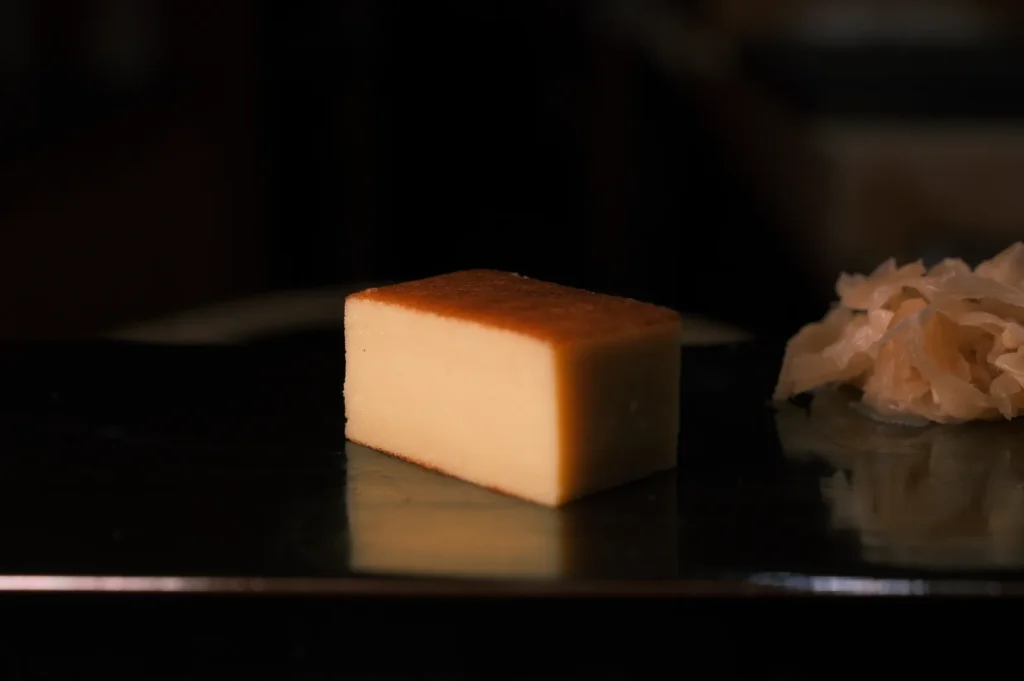
No omakase course ends abruptly. At Sushi Masa by Ki-Setsu, the later stages of the evening move into a clam miso soup, warming and deeply savoury, signalling the gentle wind-down from the sushi courses. A dessert follows to close the meal, offering a thoughtful and sweet conclusion that allows the evening’s flavours to settle with grace.
This considered approach to endings reflects the broader philosophy that guides our entire dining experience. In omakase, every course, every transition, and every final dish should feel purposeful. Nothing arrives by accident. That is the standard we hold ourselves to at every dinner service, and it is what we hope every guest walks away feeling.
Japan omakase is a commitment to trust, craft, and the pursuit of something genuinely extraordinary. We warmly invite you to make your reservation at Sushi Masa by Ki-Setsu and allow Chef Masa to guide your evening from the very first course to the very last bite.