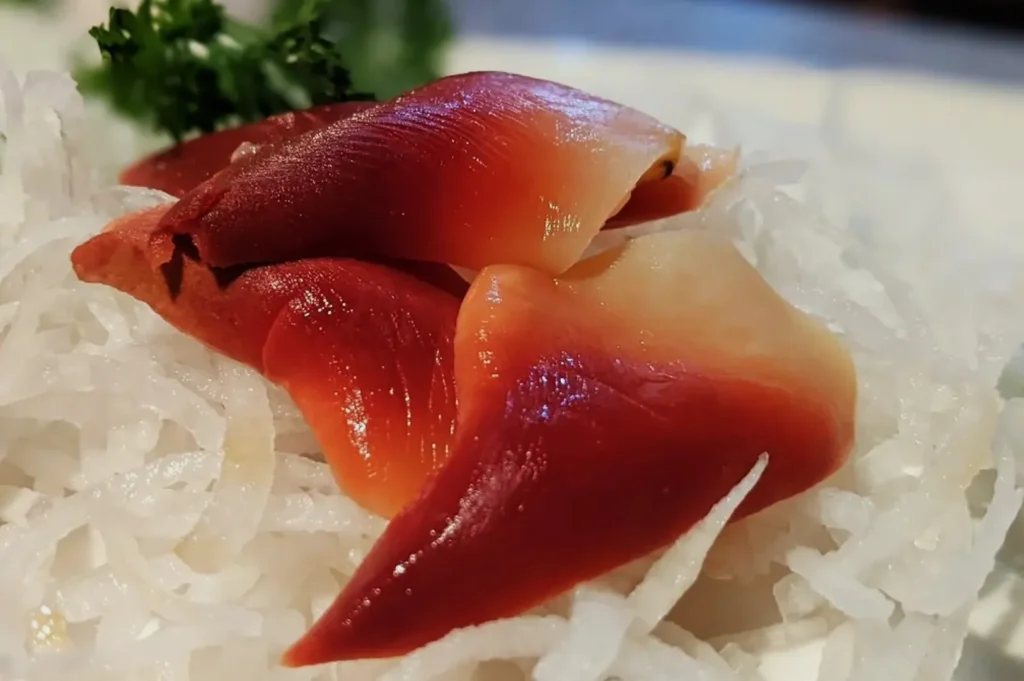
Few ingredients in the canon of Japanese sushi carry the quiet drama of hokkigai. Set against a bed of vinegared rice, its vivid, flame-edged mantle is visually unmistakable. It acts as a crimson-tipped crown that signals quality before the first bite is ever taken. Yet beneath that striking exterior lies a deeper story: one of cold northern Japan waters, meticulous handling, and a flavor profile so precisely balanced between sweetness and brine that it has earned a permanent, revered place among the most discerning seafood lovers and sushi connoisseurs worldwide.
Understanding hokkigai truly means following the clam from its frigid habitat all the way to the cutting board, as well as the importance of sourcing from the best regions to guarantee quality. It means knowing why color matters, why temperature is everything, and why the angle of the blade changes the texture experience entirely. It also means taking into account how to properly store and protect this delicate seafood to maintain its life and freshness.
What Is Hokkigai? The Identity of the Sakhalin Surf Clam
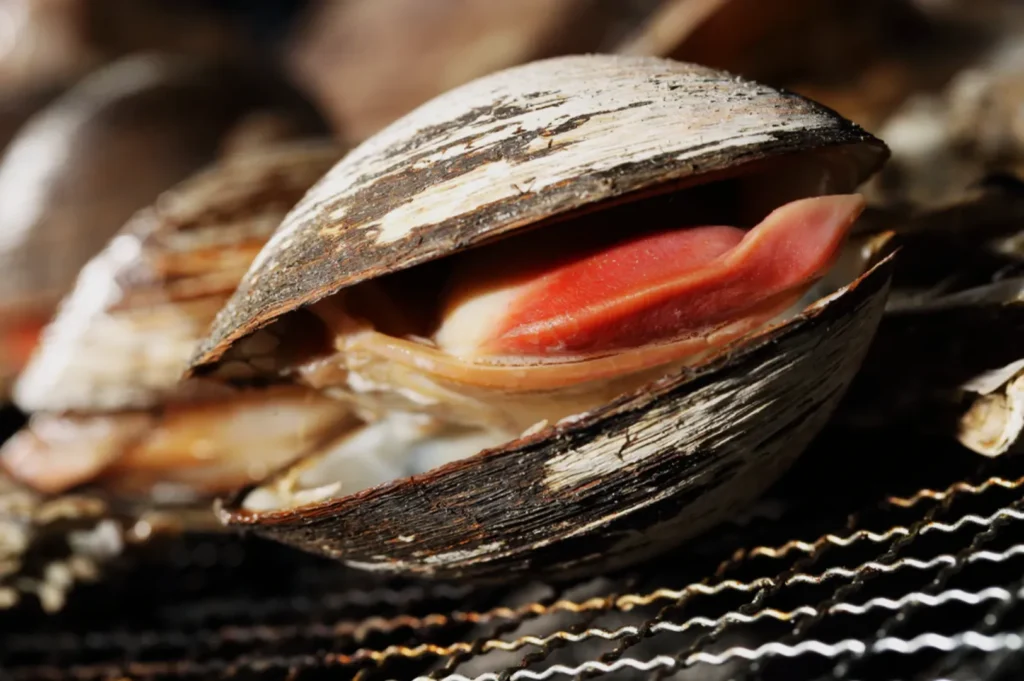
The name hokkigai is the Japanese market designation for the Sakhalin surf clam, known scientifically as Pseudocardium sachalinense. It belongs to the broader family of surf clams. These are large, hard-shelled bivalves built to thrive in cold, high-energy coastal environments. In North American and European markets, the same species and its close relatives are more commonly sold under the name Arctic surf clam. This label speaks directly to its ecological origin and cold-water habitat.
The clam is also sometimes called hokkigai or Sakhalin surf clam in academic and fisheries literature. This references Sakhalin Island, the large Russian island off the northeastern coast of Japan, which sits within the species’ natural range. While the scientific name points to Sakhalin, the most commercially significant populations are harvested along the coasts of Hokkaido, Japan’s northernmost main island, as well as from waters off the eastern coast of Canada.
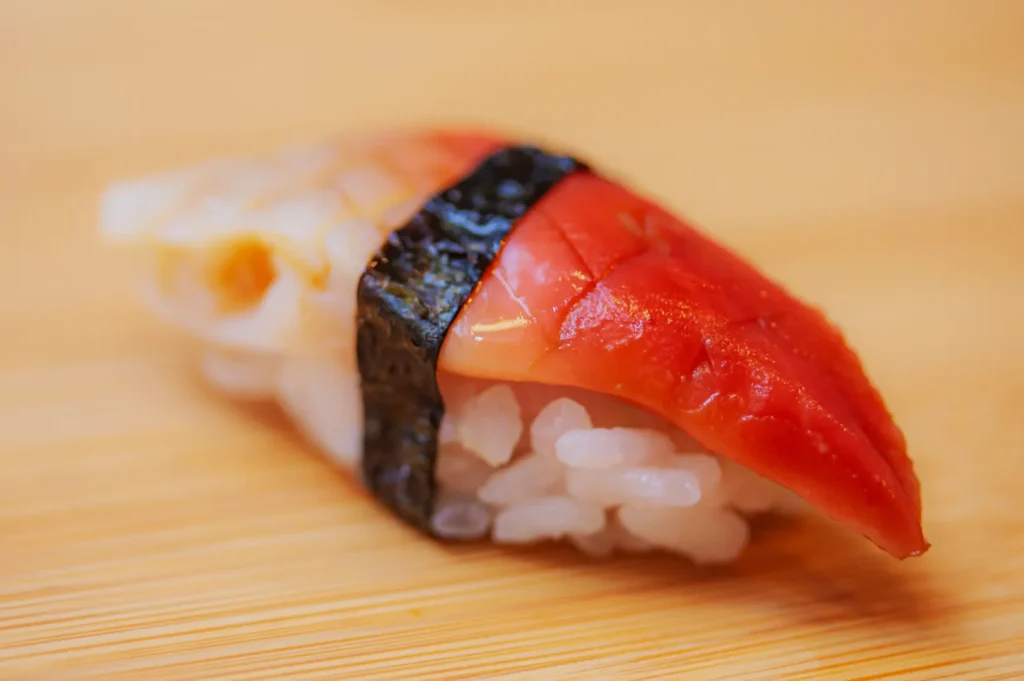
There are two main sorts of hokkigai available in the market: the more expensive black hokkigai and the more reasonably priced brown variety. The black hokkigai is preferred for sushi due to its superior flavor and vibrant color, which adds to the visual appeal of sushi presentations.
A Geography of Cold: Where Arctic Surf Clams Live
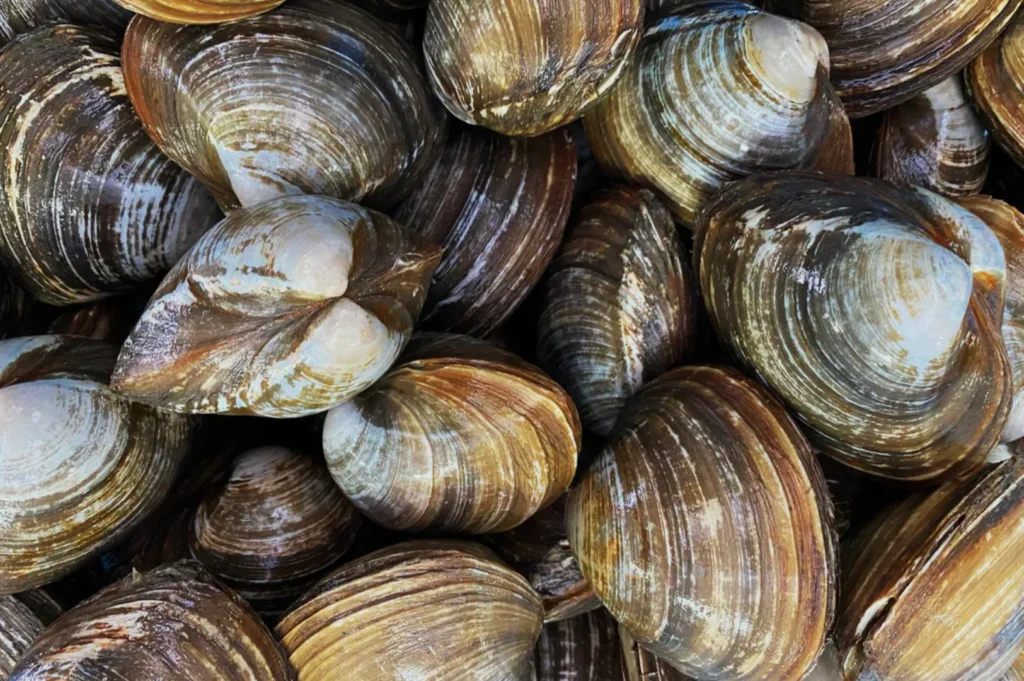
The geographic origin of hokkigai is not incidental to its quality. It is foundational. These surf clams are creatures of cold, deep, oxygen-rich waters. They burrow into the sandy substrate of the seafloor at depths ranging from several meters to well over 40 meters. They filter-feed on phytoplankton in waters that remain frigid year-round, which contributes to their unique flavor and texture.
In Japan, the primary harvesting regions are:
Hokkaido: Particularly the coastal waters of Funka Bay, where cold currents deliver nutrient-dense water that supports healthy clam populations.
Tohoku Region: The northeastern Honshu coast, where water temperatures remain low enough to support healthy populations of hokkigai.
Sakhalin and Kuril Islands: These waters contribute to international supply chains and are part of the species’ natural habitat.
In Canada, populations are found along the Atlantic seaboard. These exports have grown significantly in recent decades, supplying frozen hokkigai to international markets. However, connoisseurs generally agree and most traditional establishments will confirm that Hokkaido-sourced hokkigai represents the gold standard for sushi and sashimi applications.
The Science of the Crimson Color: What That Edge Is Actually Telling You
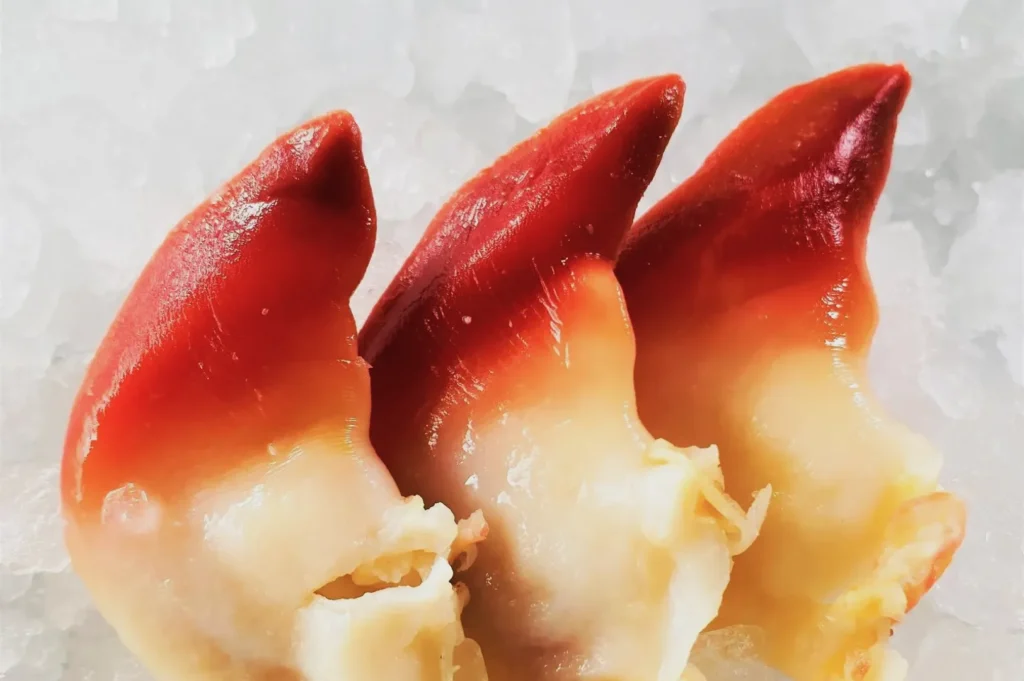
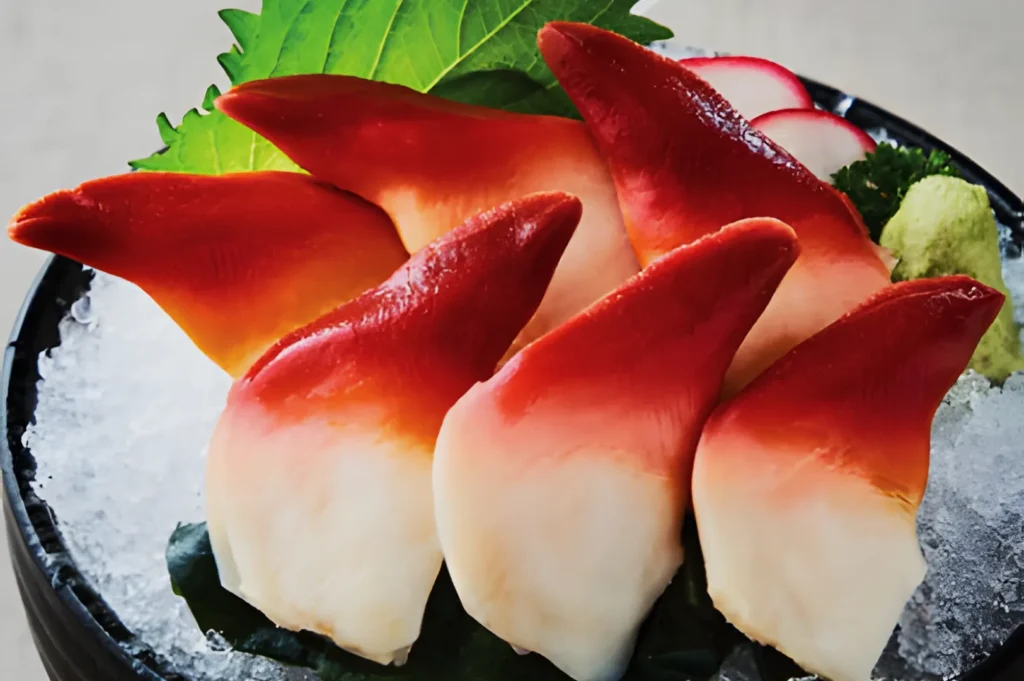
The single most recognizable feature of hokkigai is the deep red-to-orange tip that runs along the edge of its foot and siphon. This color is not cosmetic. It is biological and, critically, it is a freshness indicator that trained chefs have relied upon for generations.
The vivid color comes from carotenoid pigments that accumulate in the clam tissues through its diet. In live and very recently harvested clams, this pigment expresses itself as a rich, saturated crimson. As the clam ages, oxidation causes the color to fade, shifting to a dull orange or grey-brown.
| Color of the Mantle Tip | What It Indicates |
|---|---|
| Deep crimson to vivid coral-red | Peak freshness; ready for high-end sashimi |
| Pale orange or dull salmon | Acceptable but aging; diminished flavor complexity |
| Grey-brown or colorless | Compromised quality; improper store practices |
Proper storage and handling are essential to protect the brilliant crimson color and the overall freshness of hokkigai. Maintaining a consistent cold chain from harvest to table helps preserve the life and quality of the clam.
Flavor and Texture: What to Expect from a Well-Prepared Surf Clam
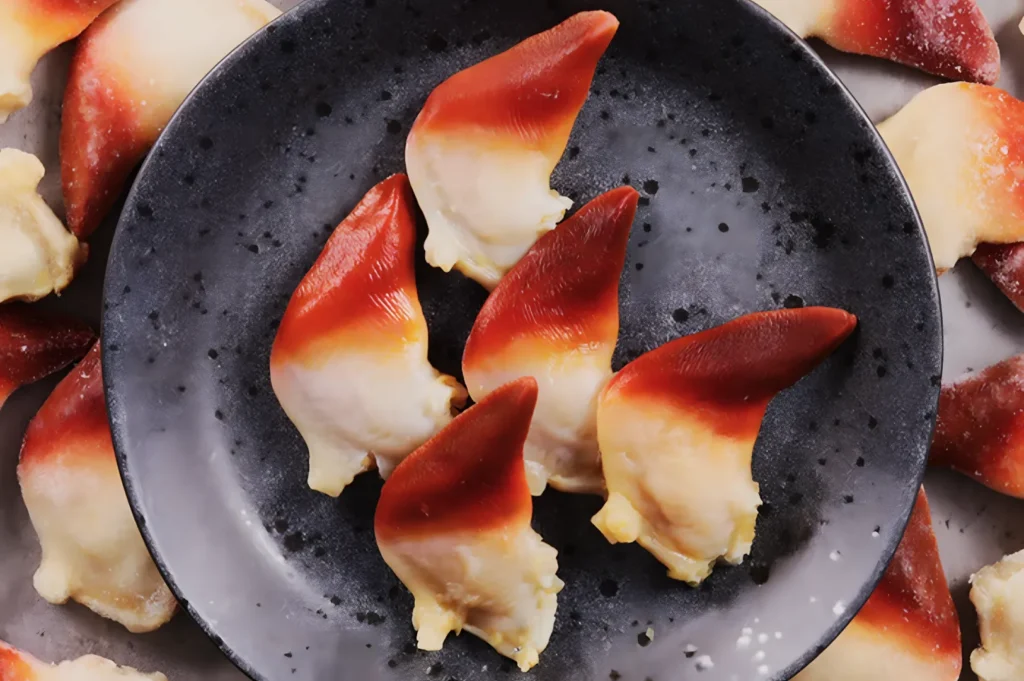
The taste of hokkigai is one of its most compelling qualities. The meat carries a pronounced natural sweetness that is oceanic without being overtly briny. This sweetness intensifies subtly when the clam is served raw, making it a popular ingredient for sushi toppings. This natural sweetness is partly due to the relatively high carbohydrate content in the meat, which balances the savory umami notes.
The texture is equally distinctive. Raw hokkigai delivers a firm, chewy bite with satisfying resistance. It snaps cleanly when sliced correctly and holds its structure on the rice. This chewy quality is a hallmark of the species and is considered one of its virtues, providing a pleasant contrast to the softer profiles of squid or cooked shellfish.
When the clam is scored and briefly blanched, the red edges bloom outward. The application of heat tempers the chewy nature, introducing a more yielding texture while amplifying the sweetness. Grilled hokkigai, often eaten in northern Japan, develops a more concentrated, caramelized flavor that enhances its umami qualities.
The Cut: How Knife Work Defines the Experience
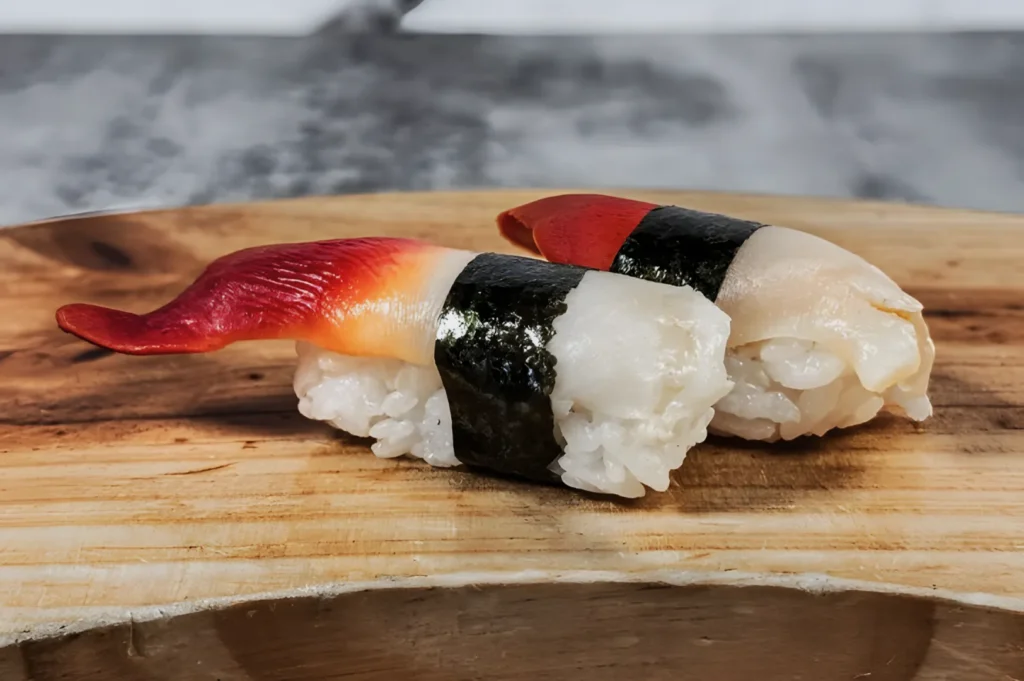
Among sushi toppings, hokkigai demands high technical precision. The clam anatomy and its intended presentation dictate a specific cut sequence. The size of the piece is carefully considered to balance mouthfeel and visual appeal.
Opening and Cleaning: The clam is shucked using an oyster knife. The shell has no sharp edges, making it easy and safe to open without gloves. The meat (the foot) is separated and must be rinsed meticulously with running water to remove any sand. Purging in saltwater is ineffective due to the clam’s habitat.
The Butterfly Cut: The foot is split longitudinally and opened flat to increase surface area, showcasing its natural colors and textures.
Scoring: Fine, parallel scores are applied to tenderize the meat and allow the piece to curl during the cooked process.
The Blanch: A couple of seconds in boiling water followed by an ice bath creates the classic sushi curl, enhancing both texture and presentation.
These precise cuts protect the integrity of the meat and ensure a pleasant eating experience, highlighting the natural sweetness and slight crunch of hokkigai.
Cold Chain Integrity: Why Temperature Is Non-Negotiable for Arctic Surf Clams
Given the logistical realities of modern seafood, the cold chain is everything. Hokkigai is sensitive to time and temperature and must be handled with care to preserve its freshness and flavor.
Store frozen product at or below -18°C to maintain peak quality. Avoid thawing and refreezing, which can degrade texture and color.
Thawing should be done slowly in the refrigerator overnight. This method preserves the color, texture, and life of the clam.
Final assessment involves selecting pieces that are firm and vivid in color. If the color has faded or the surface is grey, it indicates the product has been exposed to improper storage conditions.
Maintaining this cold chain from harvest to plate is essential to protect the natural qualities that make hokkigai a prized seafood.
Hokkigai Nutrition: A Healthy Choice for Seafood Lovers
Beyond its exquisite taste and texture, hokkigai is also highly nutritious. It is rich in essential vitamins and minerals, particularly vitamin B12, magnesium, and iron. These nutrients contribute to overall health and vitality.
The meat contains a high level of protein, lipids, and carbohydrates. The carbohydrate content contributes to its natural sweet flavor. Additionally, hokkigai is known for its high content of amino acids such as taurine, which is effective in relieving fatigue, as well as alanine and glycine, which add to its sweet taste profile.
This nutritional profile makes hokkigai a wholesome choice for those seeking to enjoy seafood that is both delicious and beneficial to health.
Hokkigai Seasonal Flavors: When Sweetness Peaks
The best time to enjoy hokkigai is during the winter season. This is when the glycogen content in the clam increases, intensifying its natural sweetness and umami flavor. Seasonal harvesting practices take this into account to ensure that the hokkigai served in restaurants and sushi counters is at its peak flavor.
Hokkigai in the Broader World of Sushi Toppings and Japanese Cuisine
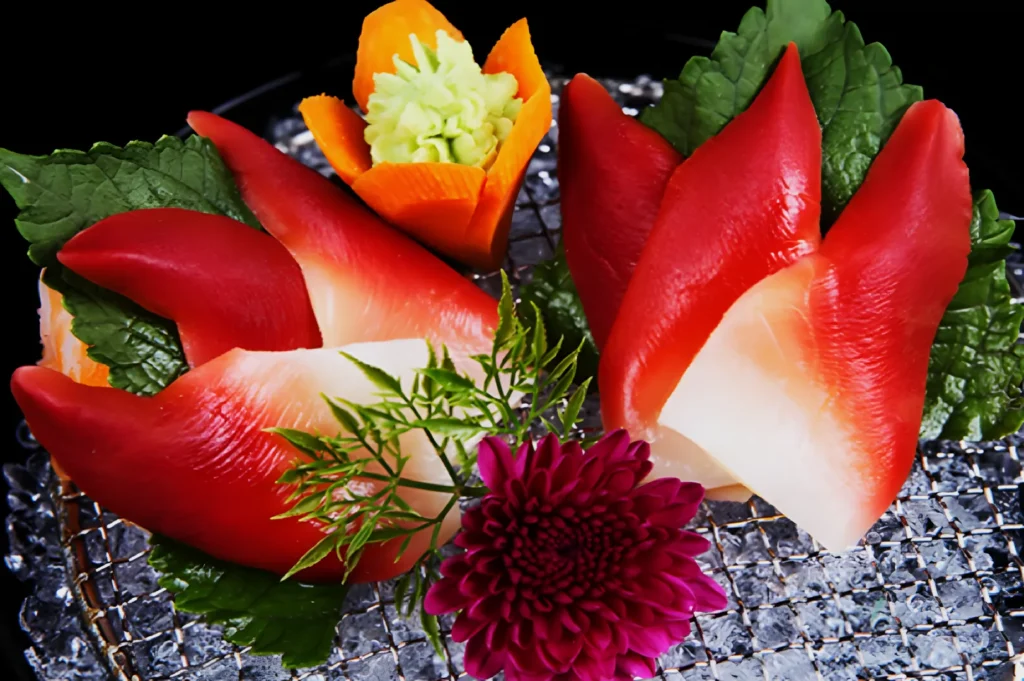
Within the taxonomy of sushi toppings, hokkigai occupies a distinctive position. It is not the most immediately accessible shellfish for newcomers, but among those with a refined taste, it is a staple. In traditional establishments, it appears as nigirizushi, sashimi, or in salads where its sweetness plays against ponzu dressings. In Hokkaido, it is a popular ingredient for food lovers, often found in miso soup or mixed into rice dishes.
Internationally, the Arctic surf clam has grown in popularity. As seafood lovers seek new flavor experiences, this clam has become a fixture in sushi markets globally, proving that the cold-water species has universal appeal.
A Living Tradition: Experiencing Hokkigai at Sushi Masa by Ki-setsu

At Sushi Masa by Ki-setsu, we believe that an ingredient as nuanced as hokkigai deserves to be encountered in a context worthy of its character. Our omakase dinner experience, rooted in the Edomae tradition, is built on the principle that every piece tells a complete story of origin, of season, of technique. Chef Masa sources hokkigai with the same rigorous attention to provenance that defines our relationship with Toyosu Market, ensuring that the crimson is vivid, the meat is firm, and the preparation honors the generations of craft that have made this remarkable surf clam one of Japan’s most beloved sushi toppings.
Experience the unique sweet flavor, the pleasant texture, and the vibrant color of hokkigai in an intimate setting that celebrates the best of Japanese culinary tradition. Reserve your seat at Sushi Masa by Ki-setsu today to protect your chance to savor this exceptional seafood delicacy at its finest.