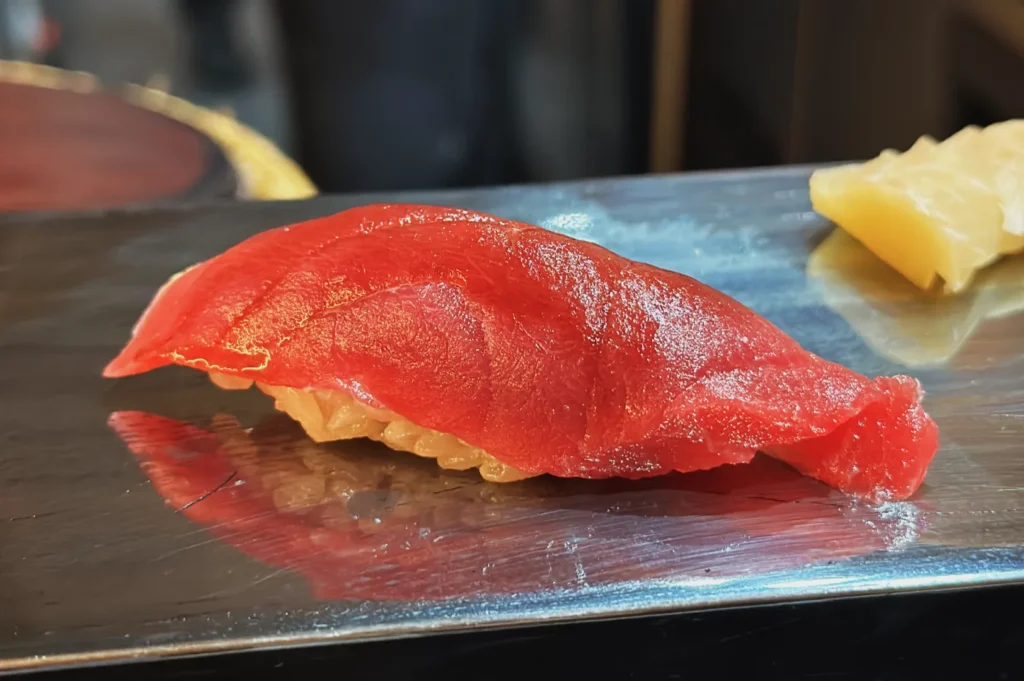
In the dazzling, marbled theater of modern gastronomy, the global spotlight often falls on the glistening, fatty opulence of Otoro. Yet, seasoned connoisseurs of Japanese cuisine know that the true heartbeat, the very iron soul of the tuna, lies elsewhere. It resides in the deep, crimson core of the fish known as akami. While the fatty belly cuts offer an immediate, buttery melt, it is this lean, ruby red flesh that carries the profound, complex narrative of the ocean. This is where the muscle does its work, storing oxygen, iron, and an intense concentration of natural acids that define the true taste of the bluefin. To appreciate this cut is to transition from a casual lover of sushi to a true scholar of the craft.
The Biology of the Deep Sea Athlete
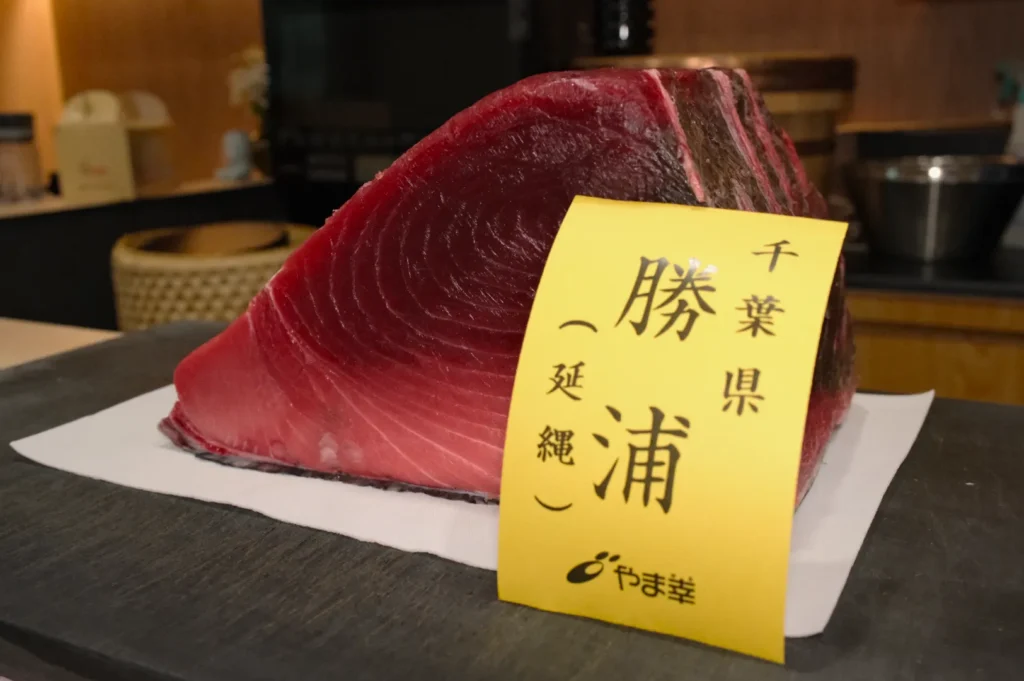
To understand the unique qualities of akami, one must first understand the lifestyle of the bluefin tuna (Thunnus thynnus). Unlike reef fish or bottom dwellers that spend their lives in relative stillness, the bluefin is a pelagic wanderer, an aquatic athlete that never stops moving. It must swim constantly to push water over its gills, traveling thousands of miles across the open ocean at speeds that can exceed forty miles per hour.
This tireless activity requires an extraordinary amount of oxygen. The red muscle fibers of the fish are packed with myoglobin, an iron- and oxygen-binding protein that gives the flesh its deep, saturated crimson color. The term itself literally translates to “red meat,” reflecting the blood-rich nature of these central muscles.
Location Within the Fish
The akami is located primarily along the spine and toward the tail of the tuna, surrounded by the moderately fatty chutoro and the highly prized, pale otoro near the collar and belly. Because these spine-adjacent muscles undergo the most intense physical exertion, they develop a dense, tight muscular structure. This structural density gives the raw meat a uniquely firm yet yielding texture that is entirely different from the soft, almost liquid consistency of the belly fat.
At Sushi Masa by Ki-setsu, we source our akami directly from the renowned Toyosu Market, ensuring the freshest and highest quality cuts for an authentic dining experience.
The Chemistry of Crimson Umami
For the modern culinary student, the magic of this crimson cut lies in its scientific composition. The flavor is not a simple, one-dimensional note; it is a sophisticated dialogue between acidity, iron, and amino acids.
Inosinic Acid (IMP): This nucleotide is the primary driver of umami in marine life. As the tuna is harvested and properly aged, adenosine triphosphate (ATP) breaks down, transforming into high concentrations of inosinic acid, which yields a deep, savory depth.
Myoglobin and Iron: The high concentration of iron gives the meat a metallic, slightly mineral edge. This is not a flaw; rather, it is a highly prized characteristic that provides a clean, refreshing counterweight to the rich fat of other cuts.
Lactic Acid: The continuous muscular exertion of the tuna produces a subtle, pleasant lactic acidity (shumi). This gentle tartness balances the natural sweetness of the flesh, cleansing the palate and encouraging diners to take another bite.
Traditional Techniques: Honoring Akami Sashimi
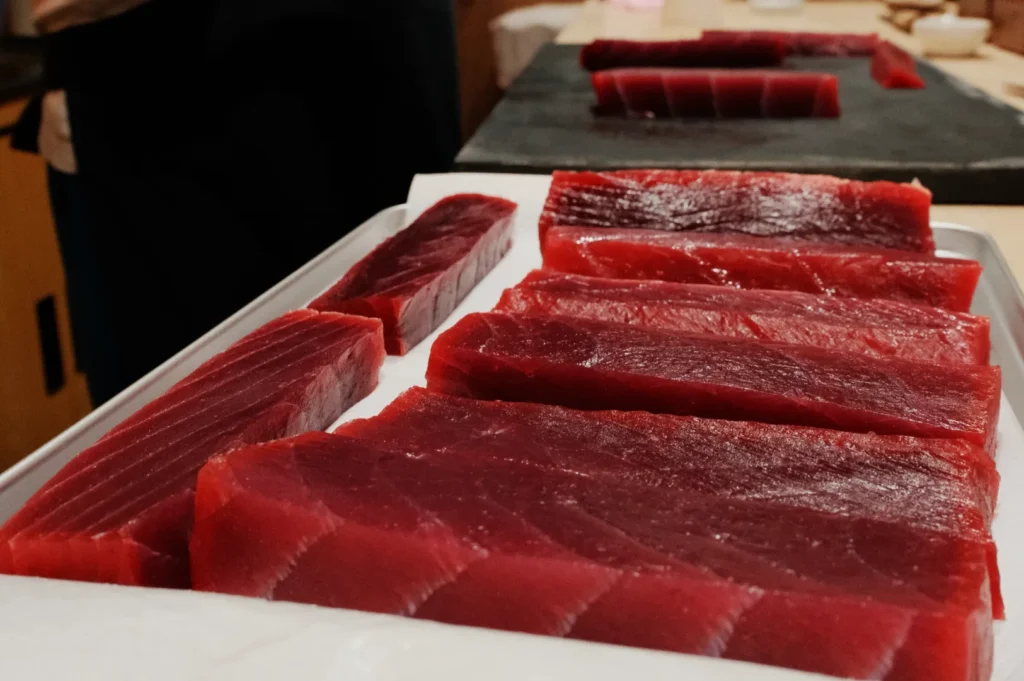
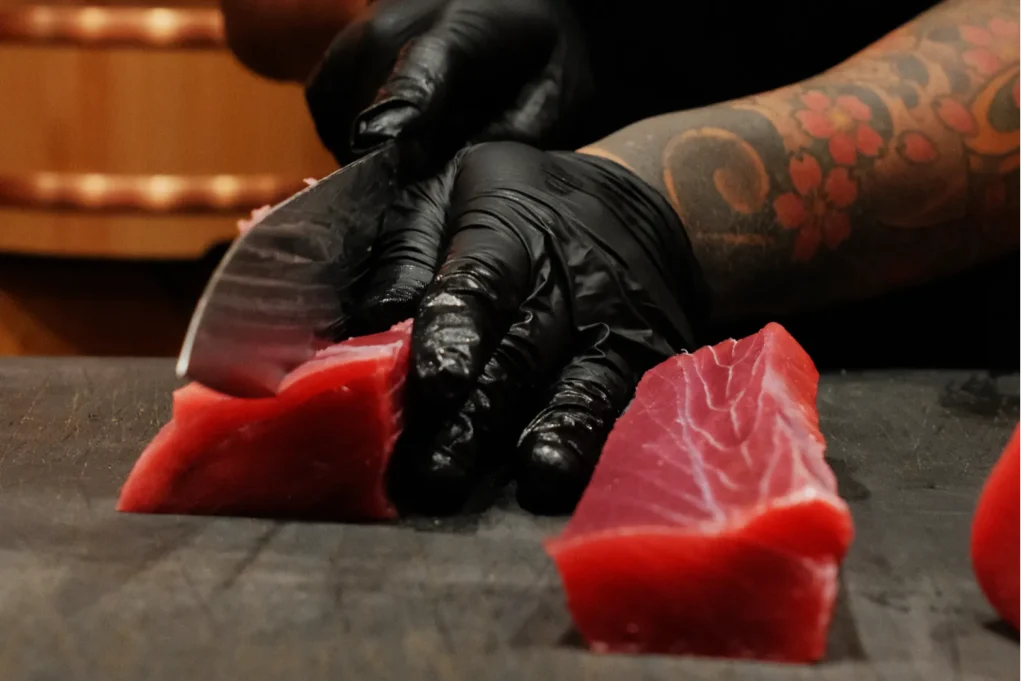
When served as akami sashimi, the cut is presented in its purest form, stripped of the structural support of seasoned rice. Preparing this dish requires an expert understanding of slice thickness and knife geometry to maximize the sensory experience.
The Role of Aging (Shinjuku and Edomae Heritage)
Historically, before the advent of modern refrigeration, bluefin was not consumed fresh. The flesh would oxidize rapidly, turning a dull brown. To combat this, Edomae masters developed zuke, a preservation technique where the fish is briefly blanched and marinated in a mixture of soy sauce, mirin, and sake.
Today, even with advanced temperature-controlled shipping and quick delivery systems, aging remains a vital step. A skilled master will age the loin in a refrigerator at near-freezing temperatures for several days. This patience allows the moisture to evaporate slightly, concentrating the flavors and allowing the muscular enzymes to soften the protein fibers, resulting in a velvety texture that melts on the tongue without the presence of fat.
Slicing and Temperature
The knife must glide through the muscle fibers in a single, clean stroke, utilizing a long, specialized yanagiba knife. If the blade is dull or the cut is jagged, the cell walls rupture, causing the flavorful juices to leak out and ruining the pristine, sashimi grade quality. Furthermore, the serving temperature is critical. If served too cold, the complex iron and acid notes remain locked away; it must be tempered slightly to allow the delicate aromas to blossom.
Akami in Japanese Cuisine: Rice, Acid, and Balance
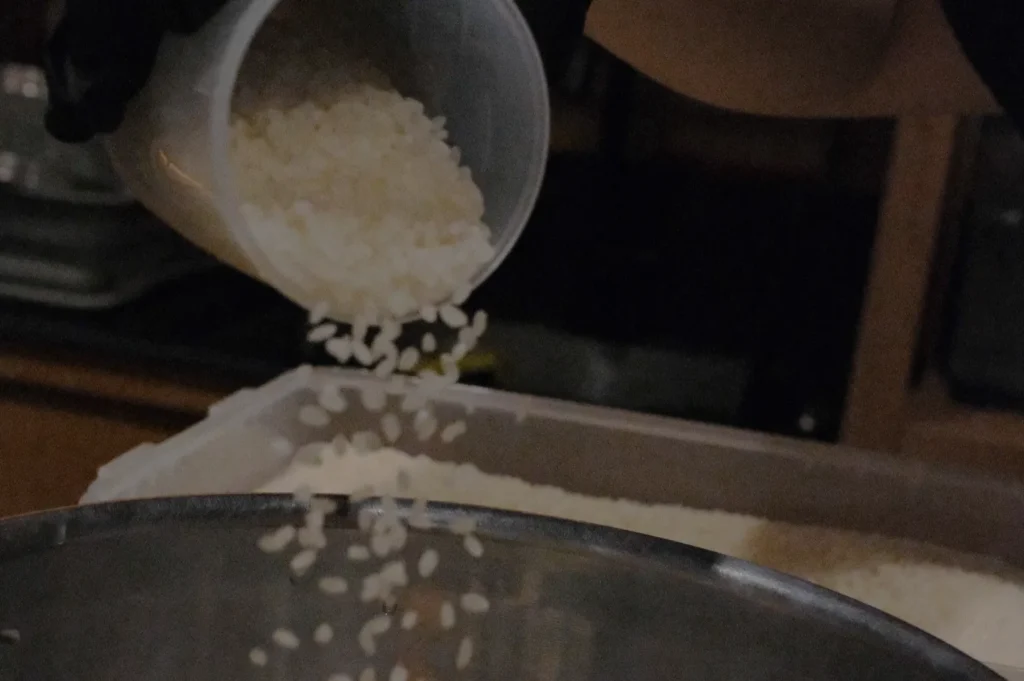
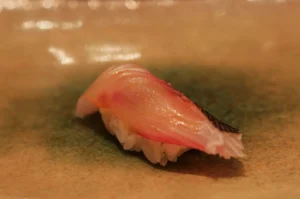
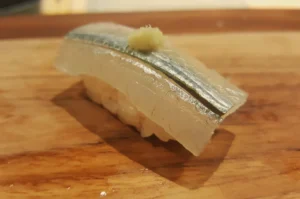
While sashimi displays the pure beauty of the cut, the pinnacle of the Edomae experience is nigiri sushi. Here, the red meat undergoes a transformation as it is paired with seasoned rice (shari).
The relationship between the lean fish and the vinegared grain is one of mutual elevation. The natural acidity of the seasoned rice mirrors and enhances the lactic acidity of the tuna, while the warmth of the hand-pressed grain helps release the subtle fats locked within the lean muscle.
The Structural Anatomy of Akami Nigiri
| Component Layer | Culinary Ingredient | Flavor Contribution & Role |
|---|---|---|
| Top Layer | Slightly Aged Red Tuna (Akami) | Delivers pure umami, a clean mineral finish, and subtle lactic acidity. |
| Middle Layer | Hidden Dab of Wasabi | Provides a sharp, aromatic heat that cuts through the iron-rich density of the fish. |
| Base Layer | Warm, Vinegared Sushi Rice (Shari) | Introduces balanced acidity and a subtle grain sweetness that melts with the tuna. |
Traditional establishments often adjust their soy sauce blend specifically for this cut, using a heavier, richer nikiri shoyu to coat the lean meat, providing a savory glaze that rounds out the metallic edge of the iron.
Sourcing, Logistics, and Global Markets
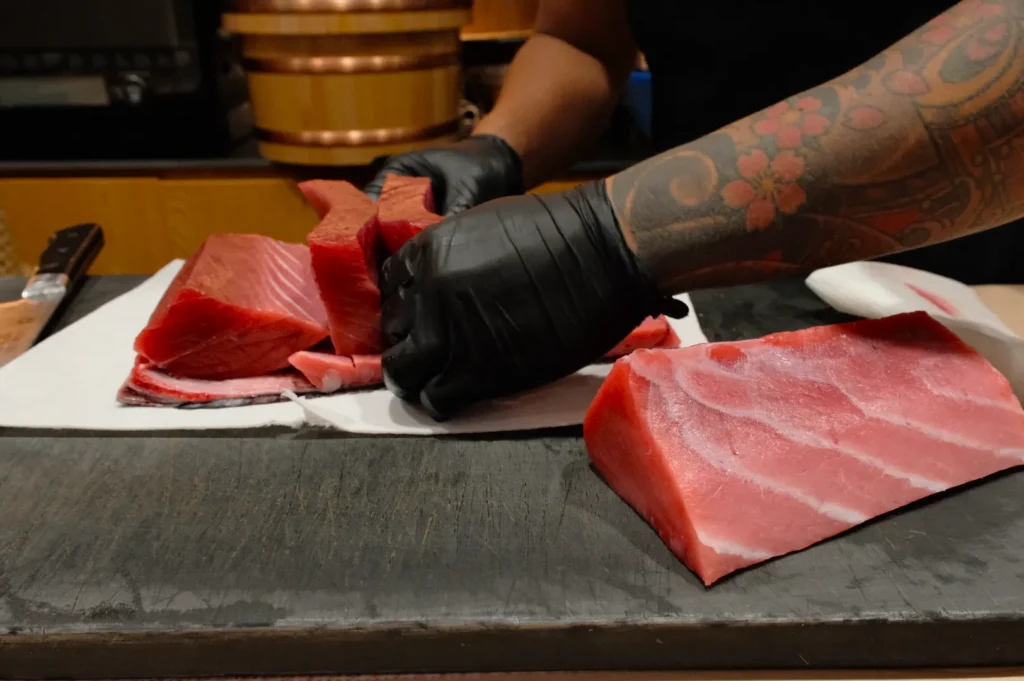
The journey of premium tuna from the ocean depths to dining tables in culinary hubs like Singapore is a marvel of modern logistics. Because the value of a single bluefin can rival that of a luxury automobile, the entire supply chain is designed to protect the integrity of the muscle.
When a giant bluefin is brought onto a fishing vessel, it is quickly dispatched using the ikejime method, a spike to the brain that instantly stops muscle contractions. This prevents the rapid buildup of lactic acid and heat that would otherwise “burn” the meat, turning the beautiful crimson loin into a mushy, pale shadow of itself.
Navigating the Cart: Options and Selections
For premium purveyors, adding high-grade tuna to their stock is an expensive investment. When buying, professionals and knowledgeable home gourmets must carefully navigate their wholesale options. A digital cart of seafood imports presents a variety of choices, where one must choose carefully based on origin, fishing method, and processing.
When you add premium items to an online order, whether it is for a restaurant or an intimate gathering, the price reflects the level of handling. The difference between a mass-market product and a true sashimi-grade loin lies in the details of the harvest, from the ship to the final delivery tracking. For those who appreciate the deep, complex flavors of the sea, the cost of premium bluefin is well worth the investment, especially for enthusiasts seeking the finest sashimi Singapore has to offer.
Evaluating Quality: The Visual and Tactile Test
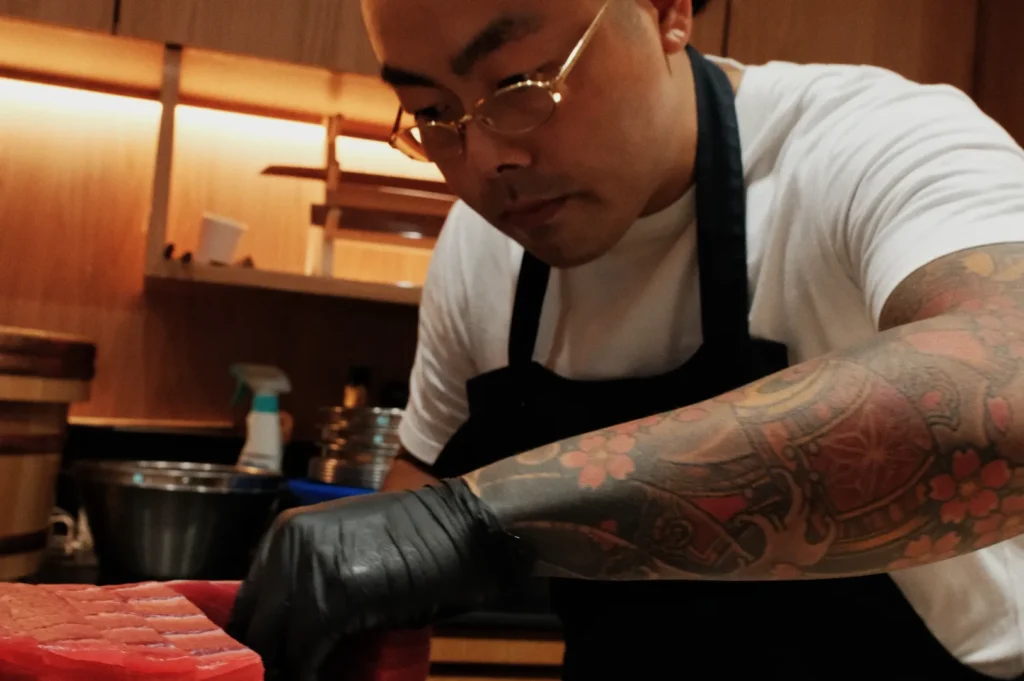
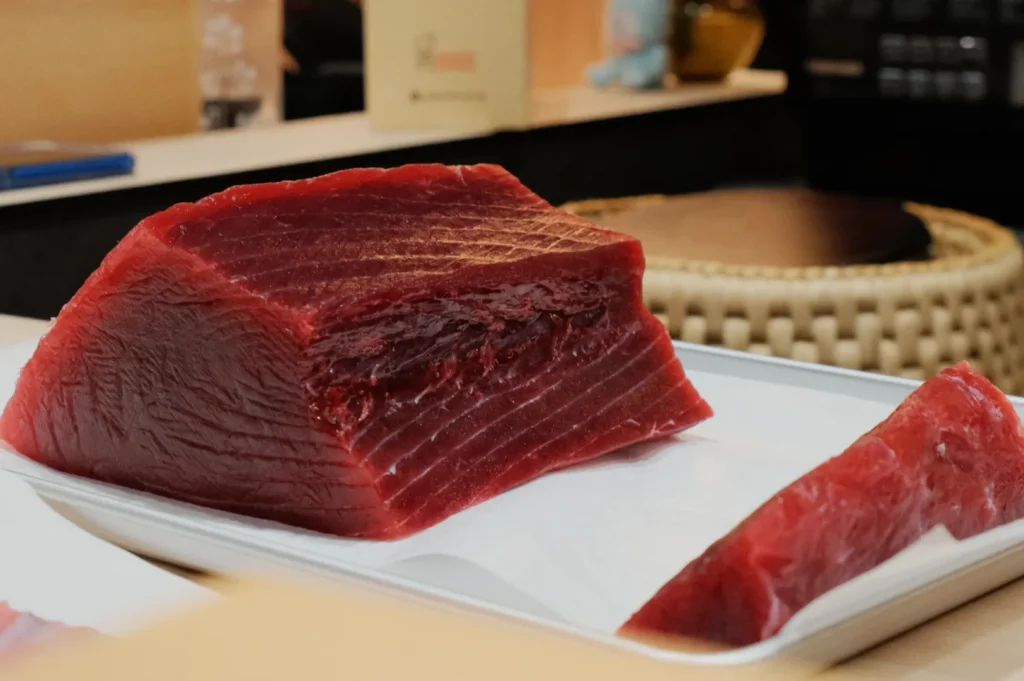
When inspecting a piece of raw tuna, there are several key indicators of superior quality that every connoisseur should look for before finalizing their orders:
Color Saturation: True, high-quality lean tuna should have a deep, uniform, translucent red color, resembling a polished ruby. Avoid pieces that look dull, brown, or have greyish undertones, which indicate oxidation and poor temperature control over time.
Fiber Definition: The grain of the muscle should be clean and clearly visible, without any tearing or gaps.
Clarity: The meat should have a natural, glossy sheen, indicating that the natural moisture of the fish is preserved within the cell structure rather than pooling on the plate.
Aroma: A premium cut should have a faint, clean scent of the sea with a whisper of iron, never a fishy or heavy odor.
The Shifting Preference: Toro vs. Akami
In the mid-twentieth century, as refrigeration technology advanced and global palates shifted toward richer, fattier foods, the popularity of toro and otoro soared. These buttery cuts became synonymous with luxury, commanding an expensive premium in markets worldwide.
However, in recent years, a counter-revolution has taken place. Culinary purists and modern gourmets have begun to return to the lean cuts. The reason is simple: fat, while delicious, can coat the tongue and mask the true character of the fish. Akami, with its clean profile, offers a more intellectual tasting experience. It allows the diner to taste the pristine waters where the fish swam, the specific diet it consumed, and the precise aging technique employed by the master behind the counter. It is a cut that cannot hide behind fat; it must stand entirely on the strength of its own purity.
The Crimson Majesty of Tuna
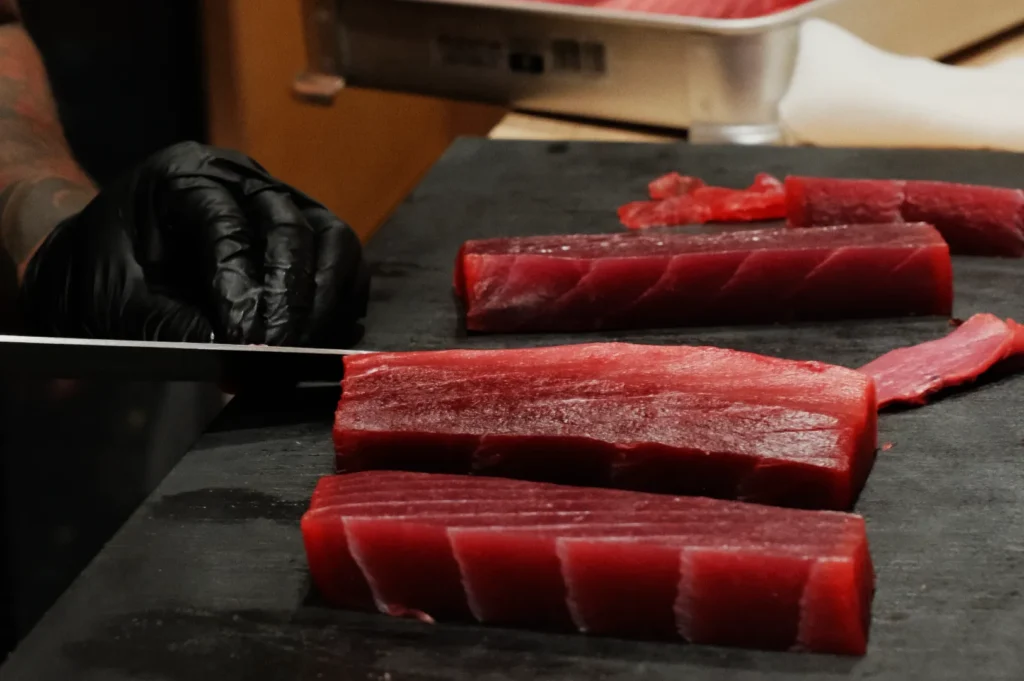
Whether you are exploring the traditional sushi bars of Tokyo, navigating a premium seafood market in Singapore, or curating high-end import items for your own kitchen, the appreciation of this lean red cut is a milestone in any culinary journey. It represents a deeper connection to the sea, an understanding of biochemical harmony, and a respect for the rigorous traditions of Japanese gastronomy. The next time you review your dining options or prepare to place your seafood orders, remember that the true soul of the ocean is found not in the pale fat of the belly, but in the brilliant, iron-rich depths of the crimson loin.
Savor the Essence of Edomae at Sushi Masa by Ki-setsu
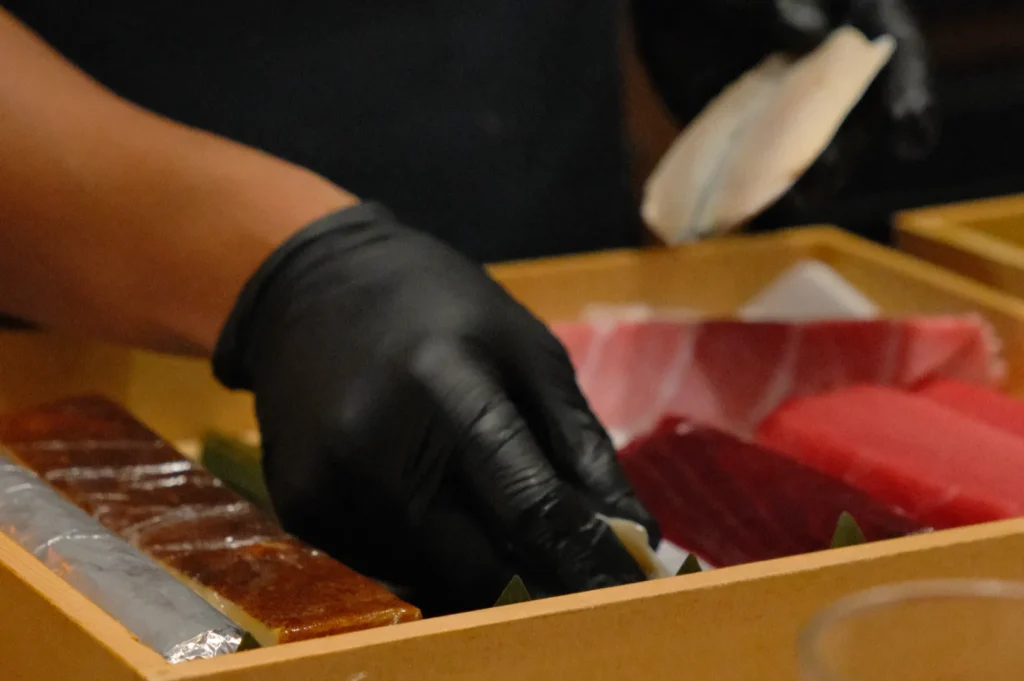
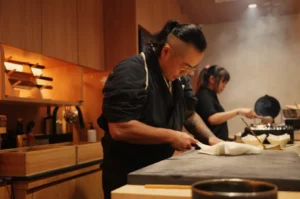
The pursuit of the perfect crimson cut requires an unwavering commitment to time-honored preservation and preparation techniques. At Sushi Masa by Ki-setsu, our chef treats each loin of bluefin with the profound reverence demanded by the Edomae tradition. Sourcing our seafood directly from the most prestigious purveyors at Toyosu market, we carefully age our akami to allow the natural umami and subtle acidity to reach their absolute peak. During our nightly dinner service, Chef Masa hand-presses each piece of sushi, balancing the iron-rich density of the tuna with warm, perfectly seasoned rice.
We invite you to join us at our counter to experience our omakase model, where the true soul of the deep sea is articulated through the master’s touch, one unforgettable piece at a time.