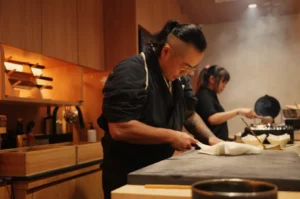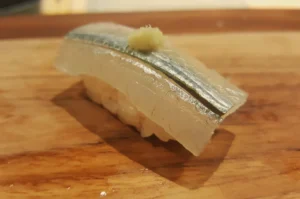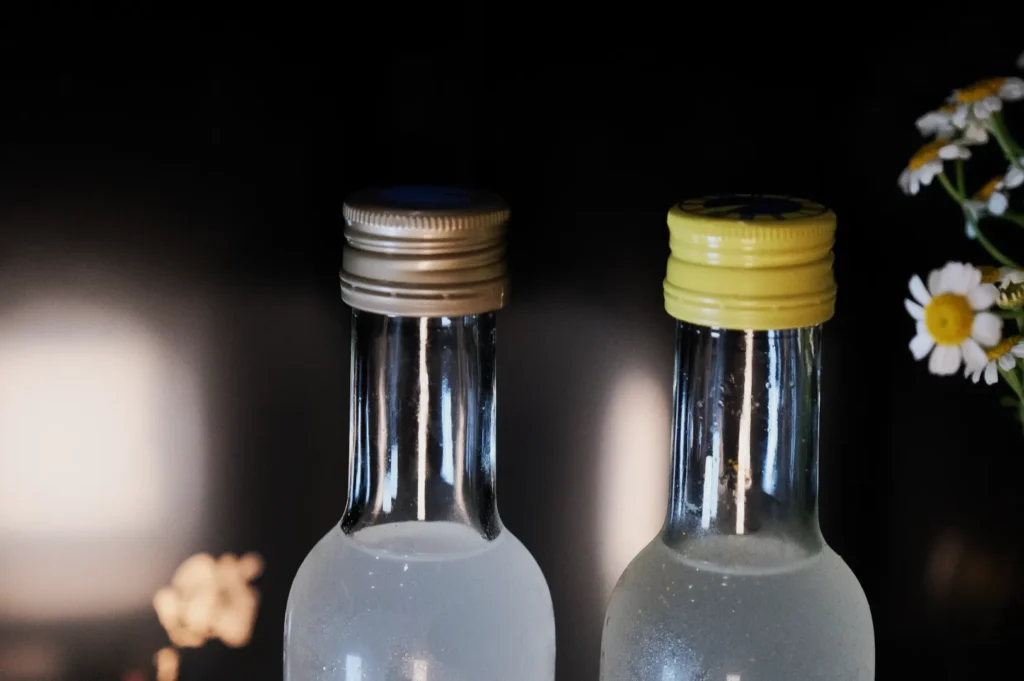
There is a quiet ritual in Japanese dining that often goes unnoticed by first-time guests: the moment the right sake arrives alongside the right dish, and the entire experience shifts. Flavours sharpen. Textures lift. The meal becomes something greater than the sum of its parts, especially in a refined Japanese omakase setting where each pairing is thoughtfully curated.
At Sushi Masa by Ki-Setsu, we believe that drinking sake is not merely a beverage choice. It is an act of intention, one that deserves the same care and understanding as the food on your plate. This sake pairing guide exists to give you exactly that: the reasoning, not just the rules.
Why Sake and Food Belong Together
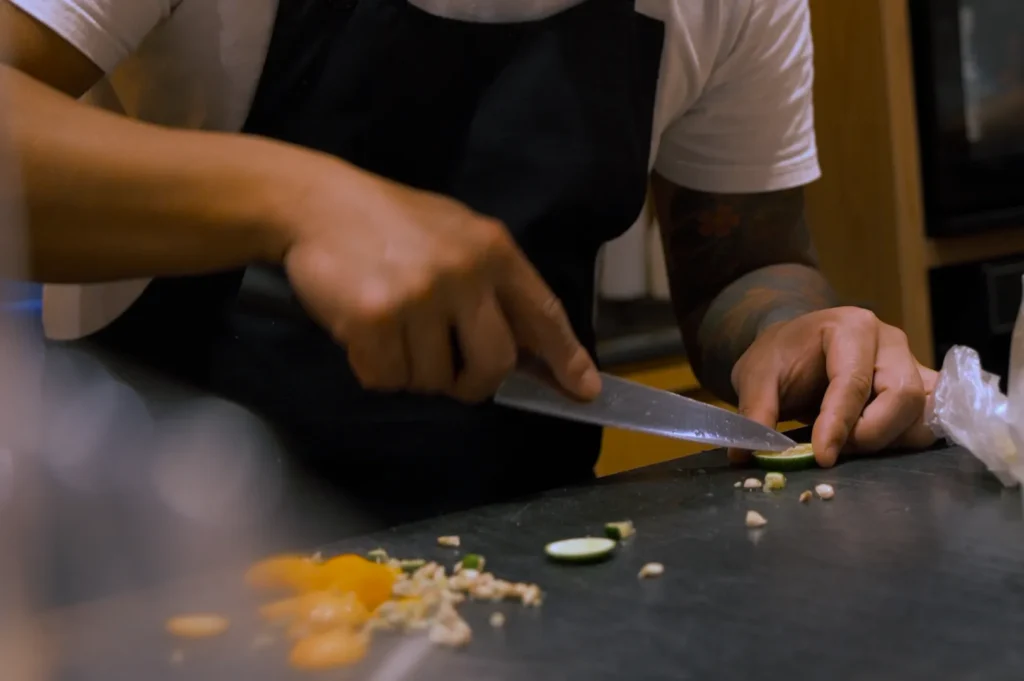
Sake is unlike any other alcoholic drink. As a Japanese rice wine brewed from polished rice grains, water, yeast, and koji mould, it carries a depth of amino acids that creates an almost seamless bridge between drink and food. This umami richness is what makes pairing sake so rewarding and, at times, surprisingly intuitive.
Where wine relies on acidity and tannins to cut through food, sake works differently. Its gentler profile complements rather than competes, which is precisely why it holds its own as a versatile drink across so many different foods. The best sake does not shout. It listens. And in the context of Japanese cuisine, that restraint is not a weakness: it is the whole point.
For guests who enjoy drinking sake alongside sashimi or sushi, this distinction matters greatly. Sake pairs with delicate Japanese food in ways that even the finest white wine cannot always replicate, because sake was, quite literally, made for this.
Understanding the Main Sake Categories
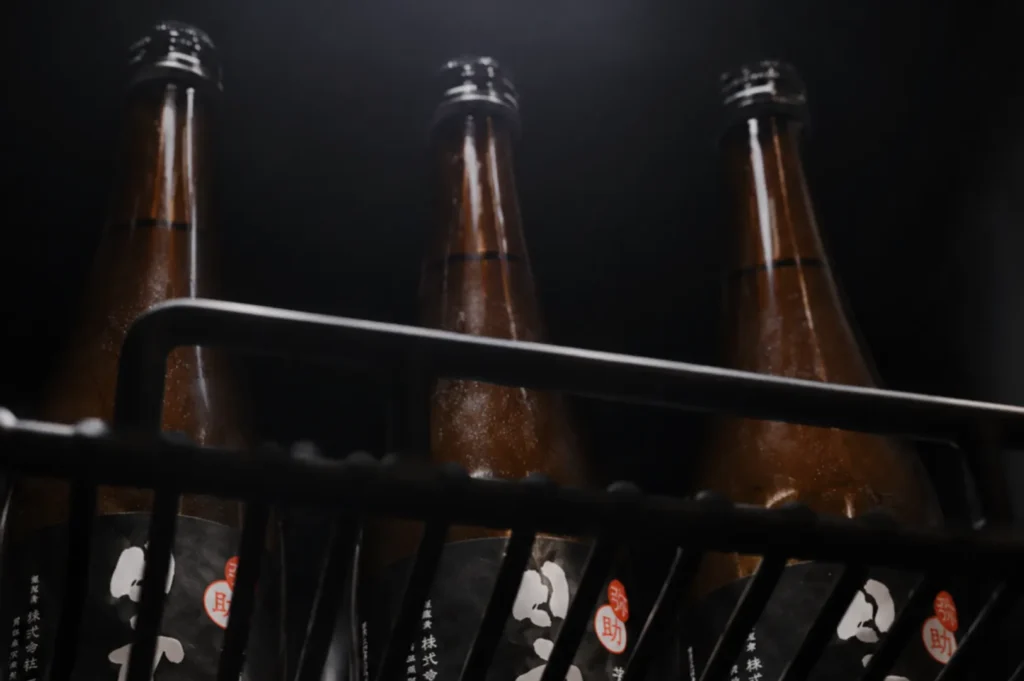
Before exploring which sake pairs with which dish, it helps to understand how sake is classified. The two most fundamental categories are junmai sake and non junmai sakes. The difference comes down to one ingredient: added alcohol.
Junmai Sake
Junmai sake, which translates literally to “pure rice,” contains no brewers alcohol. Every element of its flavour profile comes from the fermentation of rice alone.
This gives junmai sake a fuller, more rounded body with earthy, savoury qualities that pair well with robust, flavourful dishes. Making sake in this way requires greater precision from the brewer, as there is no alcohol added to smooth out any rough edges.
Non-Junmai Sakes
Non junmai sakes, by contrast, include a small amount of alcohol added during the brewing process. This is not a shortcut. The alcohol added is a deliberate technique to draw out aromatic compounds and produce a cleaner, lighter finish. Crisp honjozo is a good example: approachable, versatile, and a reliable companion across a wide range of food pairings.
Ginjo and Daiginjo: The Aromatic Tier
Within both junmai and non junmai sakes, the polishing ratio of the rice determines the sub-category.
The minimum polishing ratio for ginjo sake requires removing at least 40 percent of the outer rice grain. A less polishing ratio means more of the grain remains, resulting in a richer, earthier brew.
Polish beyond the 50 per cent mark and you enter daiginjo territory: the most refined and aromatic expression of Japanese sake.
Junmai ginjo is a particular favourite among those who enjoy drinking sake with seafood. Its floral, fruity notes and clean finish make it a near-perfect match for lightly seasoned sashimi, raw oysters, and sushi where the fish is the focus. Junmai daiginjo takes this further still. These are the best sake expressions for guests who want the full aromatic experience, best served chilled in a wine glass where their bouquet can bloom before the first sip.
At Sushi Masa by Ki-Setsu, our omakase courses are built around seafood sourced daily from Toyosu Market in Japan. This commitment to freshness means that aromatic sakes such as junmai ginjo are consistently at home alongside Chef Masa’s nigiri and sashimi selections.
Temperature and Its Role in Pairing Sake
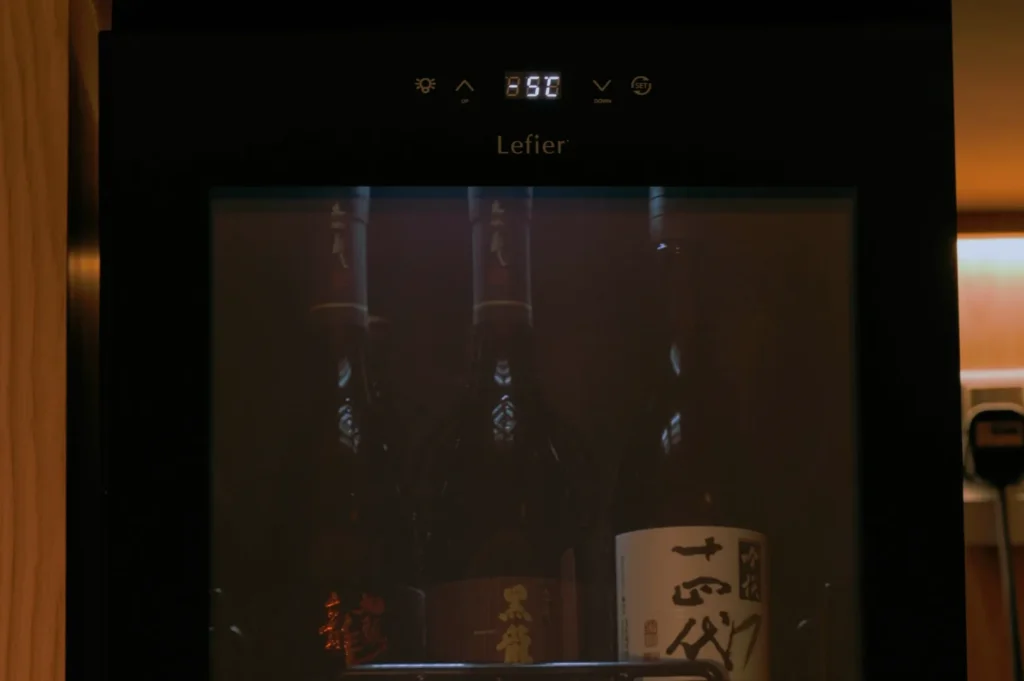
One of the most misunderstood aspects of drinking sake is serving temperature. Many assume sake is always served warm. In reality, temperature is one of the most extremely important variables in sake pairing, and it changes the character of the drink considerably.
Chilled
Chilled sake, typically served between 8 and 12 degrees Celsius, preserves the delicate aromatics of ginjo and daiginjo varieties. The cold keeps their flavours precise and clean. Sake served chilled alongside raw oysters or lightly seasoned white fish is one of the finest food pairing combinations in all of Japanese cuisine, and one of those pairings that genuinely needs to be tasted to be believed.
Warm
Warm sake is best suited to fuller-bodied junmai sake or honjozo. Gentle warming at around 40 to 45 degrees Celsius deepens their savoury, earthy qualities, making them a natural companion for richer, more umami-forward dishes. Nigori sake, the unfiltered variety with its distinctive creamy texture and faint sweetness, can also be enjoyed slightly chilled. Its body and residual rice character pair well with dishes that have a touch of richness, balancing rather than clashing.
Undiluted
Undiluted sake, known as genshu, carries a higher alcohol content and a concentrated flavour that holds its own against bold, salty dishes. A small pour of undiluted sake alongside something seasoned with soy sauce can create a genuinely striking pairing, where intensity meets intensity and neither blinks.
Matching Japanese Sake to Specific Foods
Oysters are perhaps the ultimate test of a sake’s character. Raw oysters carry a clean brininess and mineral depth that junmai ginjo handles beautifully. The ginjo’s gentle acidity provides enough contrast to lift each oyster, and its floral notes make the next bite feel fresh all over again.
For richer, dressed oysters, a fuller ginjo or even a warm honjozo can hold its ground, matching the oysters’ sweetness without being swamped by it. If you are ever uncertain about which is the best sake to order at a Japanese restaurant, ask which ginjo they are pouring and order oysters alongside it. It is rarely the wrong answer.
Sashimi, particularly white-fleshed fish such as flounder or sea bream, calls for something light and aromatic. Chilled junmai ginjo or junmai daiginjo is the ideal choice, as these aromatic sakes do not compete with the fish’s natural flavours.
For fattier cuts such as tuna or salmon, a slightly richer junmai sake holds up better, its full-bodied character matching the richness on the palate.
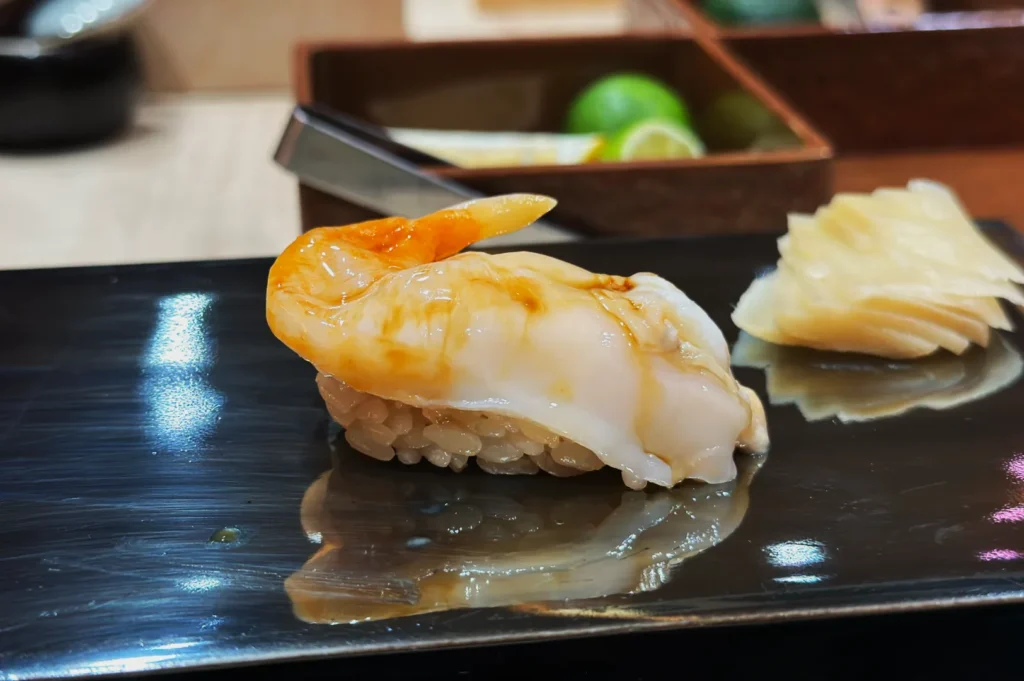
Sushi, with its vinegared rice and varied toppings, introduces a subtle sweetness and acidity into each piece. Here, clean sake or a crisp honjozo works well, refreshing the palate between bites without overwhelming the nuanced taste of each nigiri.
Sparkling sake is also a delightful choice for sushi, offering gentle effervescence that cleanses the palate and adds a celebratory quality to the meal.
Vegetables, particularly those prepared simply as a light dish, pair best with delicate, chilled sake where the drink enhances without masking.
Cheese is perhaps the most surprising partner in sake pairing: aged cheese and a full-bodied junmai sake create a genuinely compelling match through their shared depth of umami, and a creamy, mild cheese can echo the creamy texture of a good nigori. It is one of those combinations that sounds unlikely until you try it.
What to Avoid
Heavily spiced dishes can strip away the more delicate qualities of aromatic sakes.
Very sweet dishes can make even a well-balanced sake taste flat, flattening its natural sweetness into something one-dimensional.
And dishes with sharp, lingering bitterness can amplify the same quality in the sake, leaving an unpleasant finish that lingers well past the next bite.
When navigating different foods across a long omakase course, a clean mid-range junmai sake remains the most versatile drink in your pairing toolkit. Think of it as the white wine of the sake world: understated, adaptable, and rarely out of place.
The Philosophy Behind The Perfect Match
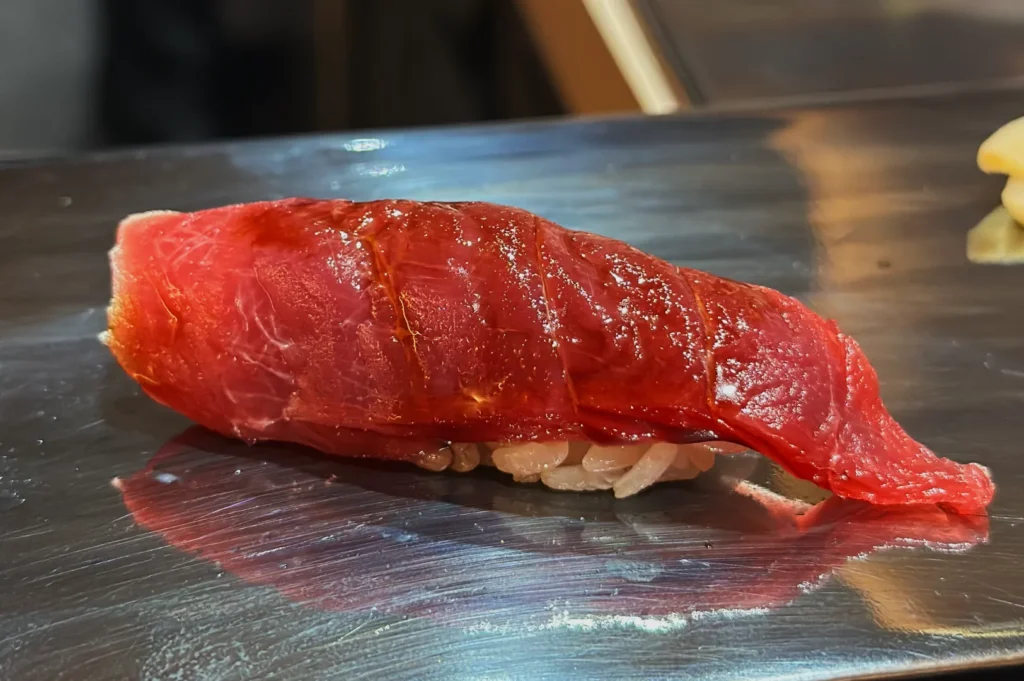
At Sushi Masa by Ki-Setsu, sake is not an afterthought. It is part of the Edomae philosophy that guides everything Chef Masa creates: respect for the ingredient, precision in preparation, and a deep awareness of how each element of the meal speaks to the next. Edomae-style sushi, rooted in the tradition of Tokyo Bay cuisine, values restraint and harmony above all. The best sake, at its finest, embodies exactly those qualities.
When guests sit at our eight-seat counter and experience an omakase dinner, they are not simply eating. They are participating in a carefully considered sequence of flavours, textures, and moments. The right sake at the right stage of the meal can sharpen that experience considerably, turning something excellent into something unforgettable.
Whether you are new to drinking sake or a seasoned sake tasting enthusiast, we hope this ultimate guide gives you a stronger foundation for your next pairing. The next time a wine glass of chilled junmai ginjo arrives alongside fresh sashimi, take a moment before you drink. Notice the aromas. Consider the fish before you. Then let the two meet on your palate. That is the sake pairing guide in practice, and it rarely disappoints.
We invite you to experience it firsthand at Sushi Masa by Ki-Setsu. Join us for dinner and allow Chef Masa to guide your evening, from the first delicate sashimi to the final pour.