There is something quietly profound about the way Singapore approaches its evening meal. From the sizzle of char kway teow at a bustling hawker centre to the contemplative silence of a sushi counter where every course arrives with intention, the Singapore dinner is a ritual, a conversation between cook and diner, and a declaration that good food deserves full attention.
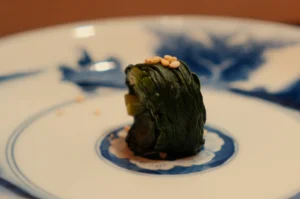
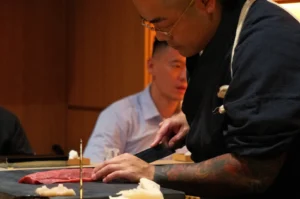
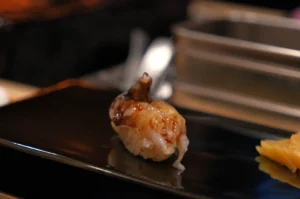
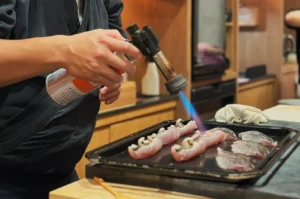
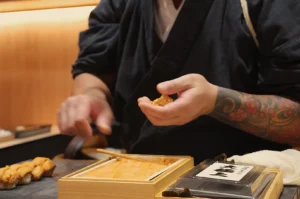
At Sushi Masa by Ki-Setsu, this belief is central. Our ingredients arrive daily from Toyosu Market in Japan, and dinner only starts once Chef Masa inspects and approves them. This discipline ensures every dining experience feels vibrant. We specialize in Japanese omakase, offering a seafood-only tasting menu that highlights the freshest seasonal ingredients and precise sushi craftsmanship.
The Food Culture That Makes Singapore a Dining Destination

Singapore has long been celebrated across Southeast Asia and beyond as a city where restaurants in Singapore span every register of culinary ambition. Visiting Singapore often means navigating an almost overwhelming abundance of choices, from fragrant rice dishes served on banana leaf in Little India, to delicate tasting menus at standalone restaurant spaces tucked into the upper floors of heritage buildings near Orchard Road.
What unites this diversity is a shared reverence for the meal itself. Singaporeans take food seriously, and the city’s dining experience reflects that. The best hawker stalls open before dawn and sell out by noon. The best restaurants in Singapore are booked weeks in advance. Whether it is the crisp, caramelised edges of carrot cake at a local hawker centre or the shimmering surface of a nigiri pressed by a trained hand, the standard of expectation is consistently high.
This is the context in which we situate ourselves at Sushi Masa by Ki-Setsu. We are a Japanese restaurant, yes, but we are also a product of Singapore’s broader obsession with excellence in food.
What Hawker Culture Teaches Fine Dining

It would be a mistake to treat hawker centres and high-end restaurants as opposites. In Singapore, they are part of the same conversation. The best hawker stalls have earned their reputations over three generations of repetition and refinement, not unlike the way a sushi master earns his through decades of practice.
The Discipline Behind Every Dish
Consider nasi lemak, one of the most beloved dishes in the Malay food tradition. The coconut rice must be cooked with the right ratio of coconut milk to water. The sambal must be balanced between heat, sweetness, and depth. The fried egg must be set properly at the edges while remaining yielding at the yolk. Each component is simple, but together they demand discipline and care.
The same logic applies to Edomae sushi. Every element, from the seasoning of the shari to the resting temperature of the fish, must be considered and executed with precision. Chef Masa approaches each course with the same rigour that the best hawker stall operators bring to their signature dishes. The medium is different; the commitment is identical.
The omakase cost reflects the dedication and skill behind each meticulously crafted course, showcasing the finest seasonal seafood flown in daily from Japan. Though premium, this experience embodies the precision and care found throughout Singapore’s dining scene, making it a worthwhile indulgence.
Peranakan food carries its own form of this discipline. A proper rendition of dishes from this tradition requires grinding spice pastes by hand and cooking over careful, patient heat. The result is bold flavours built on patience, a philosophy we recognise deeply in our own kitchen.
The Singapore Restaurant Scene Beyond the Tourist Trail

Many visitors to Singapore arrive with a list of must-eat experiences: kaya toast with local coffee, hainanese chicken rice at a famous hawker stall, chili crab by the marina bay waterfront, roti prata at a late-night mamak. These are genuine pleasures, and we would never diminish them.
But Singapore’s restaurant scene extends well beyond these touchstones. Across the city, a quiet generation of chefs is doing serious, focused work in intimate spaces. The standalone restaurant model, particularly in Japanese cuisine, has found a devoted audience here. Diners are increasingly drawn to the idea of a meal as an event: seated at a counter, guided through a menu, and invited to trust the chef completely.
This is the spirit of omakase, and it resonates powerfully in Singapore because it mirrors the best version of what great hawker culture already offers: a cook doing one thing exceptionally well, night after night.
At Sushi Masa by Ki-setsu, our menu is a seafood-only omakase course that changes with the seasons. There are no meat dishes, no shortcuts, and no gimmicks. What arrives at the counter each evening is a direct reflection of what Chef Masa found worthy at Toyosu Market that morning.
Marina Bay, East Coast Park, and the Geography of a Singapore Dinner

The geography of a Singapore dinner is as varied as its flavours. Marina Bay draws diners for its iconic skyline, with Singapore’s skyline reflected in the water as a backdrop for memorable evenings. East Coast park offers a more relaxed, coastal atmosphere, where seafood restaurants and casual dining spots draw families and groups of friends on warm evenings.
For date nights or special occasions, many diners seek out a more singular experience. This is where the omakase format earns its place. There are no decisions to make, no menus to compare, no dishes to debate. You sit, you trust, and you are rewarded. Chef Masa’s tasting menus are designed precisely for these moments: evenings when the meal itself is the occasion, and the dining experience is something worth remembering long after the final course.
Experience the Richness of Local Flavours and Street Food Traditions
Singapore’s culinary landscape is incomplete without paying homage to its vibrant street food culture. From the bustling stalls at Maxwell Food Centre to the lively Satay Street at Lau Pa Sat, street food here tells stories of heritage and community. Dishes like chicken satay grilled over charcoal, served with a rich peanut sauce, and mee rebus with its sweet-spicy gravy, are beloved staples that reflect the city’s multicultural roots.
Indulge in fried tofu snacks, a popular hawker centre treat, or savor the signature ayam goreng berempah, a fragrant fried chicken dish marinated with spices and herbs. These dishes, often enjoyed with a refreshing glass of lime juice, showcase the balance of flavors that define Singapore’s street food.
Why Toyosu Changes Everything

The name Toyosu is not simply a provenance marker. It is a guarantee of a particular standard of seafood that is difficult to replicate anywhere else in the world. Japan’s Toyosu Market is the largest wholesale seafood market on earth, and the daily auction process that takes place there sets the benchmark for freshness and quality across the global sushi industry.
When Chef Masa sources from Toyosu, he is participating in a centuries-old tradition of evaluation: looking carefully at the colour, texture, fat content, and firmness of each fish before committing to a purchase. The tender slices of fish that arrive at the counter each evening are the result of that rigorous selection, carried out thousands of kilometres away, every single morning.
This is why we say a Singapore dinner, at least the kind we serve at Sushi Masa by Ki-setsu, only truly begins when the last ingredient arrives. The meal is already in motion long before the first guest is seated. It begins at the fish markets of Toyosu, moves through the hands of our chef, and arrives at the counter as something both ancient and immediate.
What Michelin Recognition Means for Singapore’s Food Scene

The presence of Michelin starred restaurants in Singapore, across both the hawker and fine dining categories, has done something interesting for the city’s broader food culture. It has affirmed what many locals already knew: that delicious food does not require a particular price point or setting. It requires skill, consistency, and integrity.
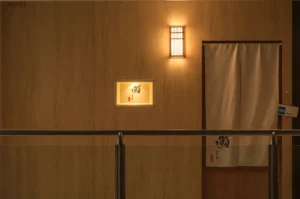
Sushi Masa by Ki-setsu is a hidden gem in the truest sense. Situated on the sixth floor of Cuppage Plaza, near Orchard Road, it holds just eight counter seats. There is no signage designed to attract passing foot traffic. The restaurant is discovered, not stumbled upon. And for those who do find it, the experience is precisely what they hoped for: a Japanese restaurant where the commitment to craft is absolute, and where every detail of the dinner has been considered in advance.
For guests visiting Singapore for the first time or returning for a next visit, an evening at our counter offers something genuinely rare: a meal that is deeply rooted in Japanese tradition yet wholly at home in the Singapore food scene.
Discover Singapore’s Restaurants and Signature Dishes for a Special Dining Experience

The best meals in Singapore share something beyond their flavours. They carry the sense that someone, somewhere, cared deeply about what ended up on the plate. That care is present in the pork bones simmered for fa bak kut teh, in the coconut rice of a nasi lemak pressed into shape by a hawker who has done it ten thousand times, and in the nigiri that Chef Masa places before you after a morning spent selecting the finest seasonal fish from Toyosu.
We believe that a Singapore dinner, at its best, is an act of mutual respect between cook and diner. When you sit at the counter at Sushi Masa by Ki-setsu, you are not simply ordering food. You are placing your trust in a process that begins before sunrise, thousands of miles away, and ends in a moment of stillness as a perfectly composed dish is set before you.
If that is the kind of dining experience you are looking for, we would be honoured to welcome you.