Singapore’s food culture is one of the most celebrated in the world. From the aromatic stalls at Maxwell Food Centre to the sizzling woks of hawker centres across the island, the city-state has built an identity around bold flavours, cultural diversity, and an almost devotional relationship with eating well. Yet amid this rich culinary landscape, one dining format has quietly risen above the rest: Singapore omakase.
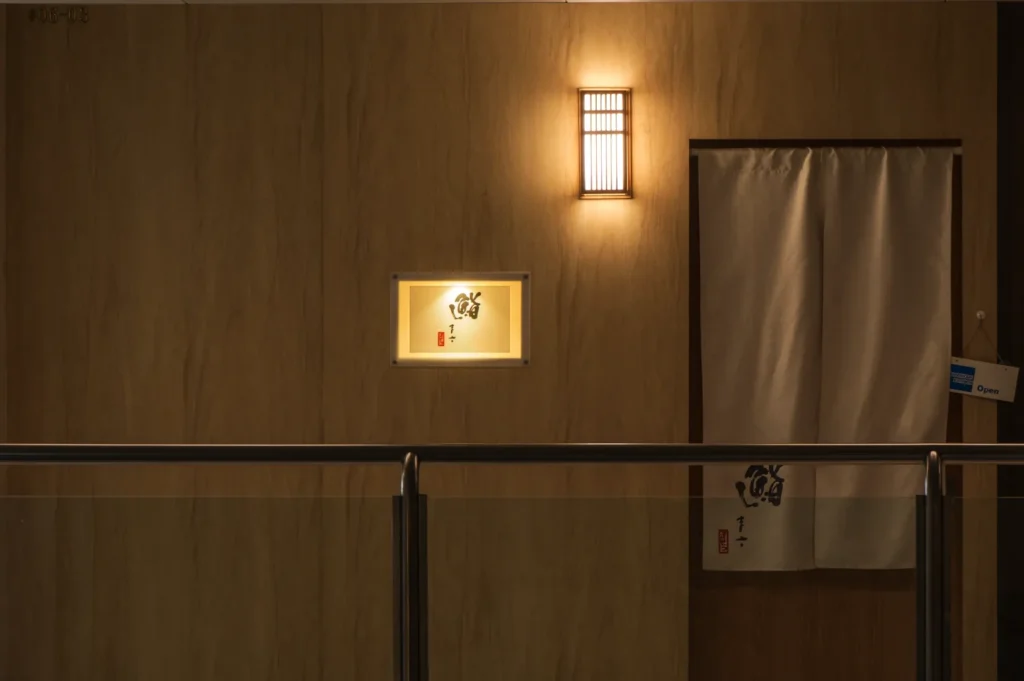
At Sushi Masa by Ki-Setsu, we witness this shift with every guest who steps into our eight-seat counter at Cuppage Plaza. Diners who have grown up tasting the full breadth of food in Singapore, from humble hawker stalls to fine dining experiences, are increasingly drawn to the intimacy, trust, and artistry that a well-executed omakase offers. To understand why, it helps to first appreciate just how extraordinary the wider food scene here truly is.
The Iconic Foundation: Singapore’s Hawker Culture
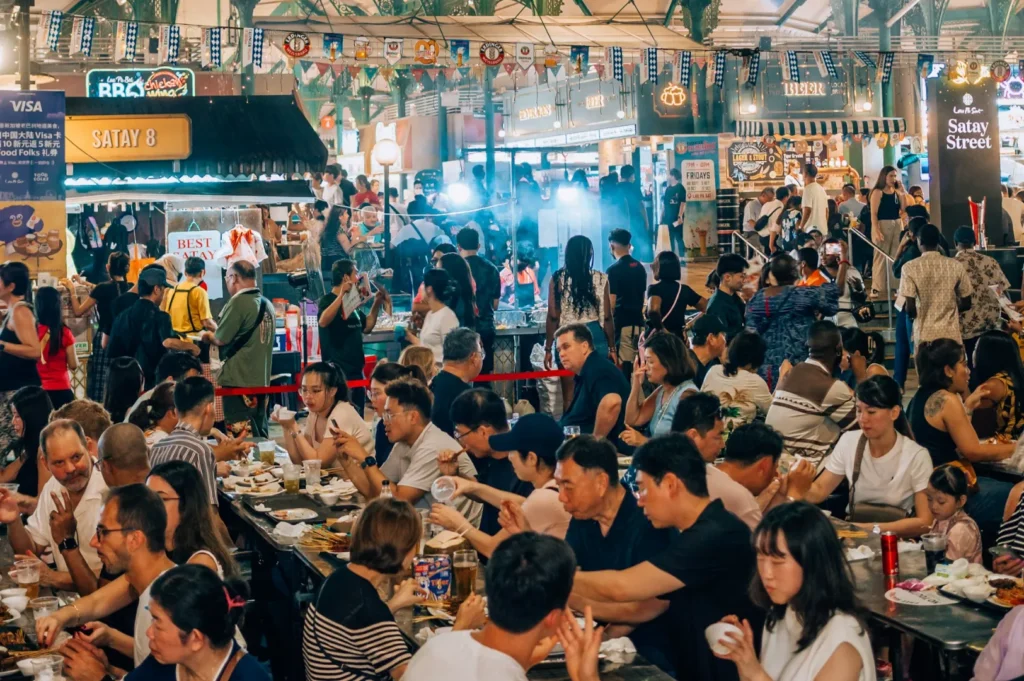
Singapore’s culinary identity is inseparable from its hawker centres. These open-air food centres, scattered throughout every neighbourhood, are where generations of locals grew up eating. The food centre is not merely a place to dine; it is a community institution, a living archive of the island’s multicultural heritage.
Hainanese Chicken Rice
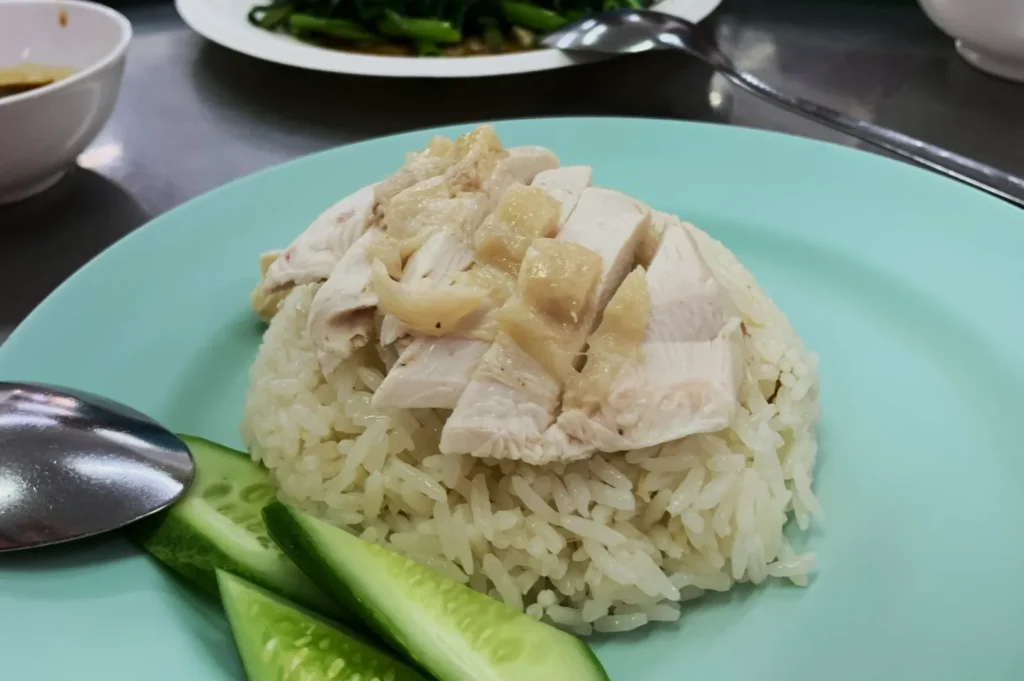
Dishes like hainanese chicken rice remain a cornerstone of Singapore food. The method is precise: fragrant rice cooked in chicken fat and light stock, steamed white rice served alongside tender poached meat, with a trio of sauces including chilli paste, dark soy sauce, and a ginger dip. At the best chicken rice stalls, every grain of rice carries flavour. This is Singaporean dish heritage at its finest.
Bak Kut Teh
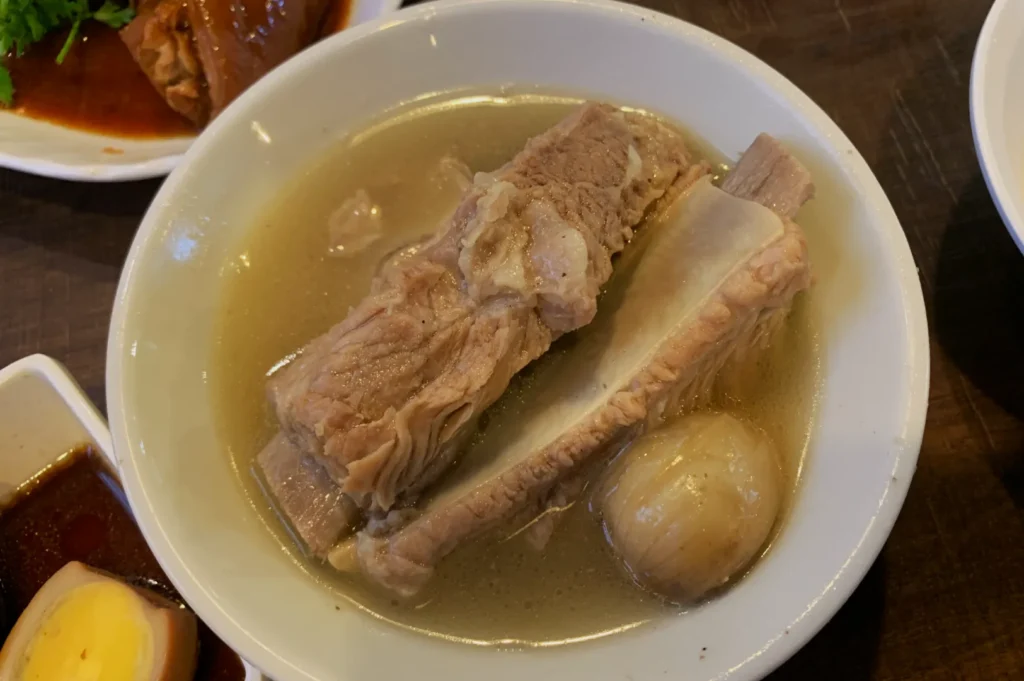
Equally beloved is bak kut teh, a comforting broth of pork bones and aromatic spices, traditionally eaten for its restorative warmth. The name itself, meaning meat bone tea, hints at its history as a dish that sustained labourers along the Singapore River. Today, bak kut teh remains a staple across hawker stalls and coffee shop counters throughout the island.
Char Kway Teow
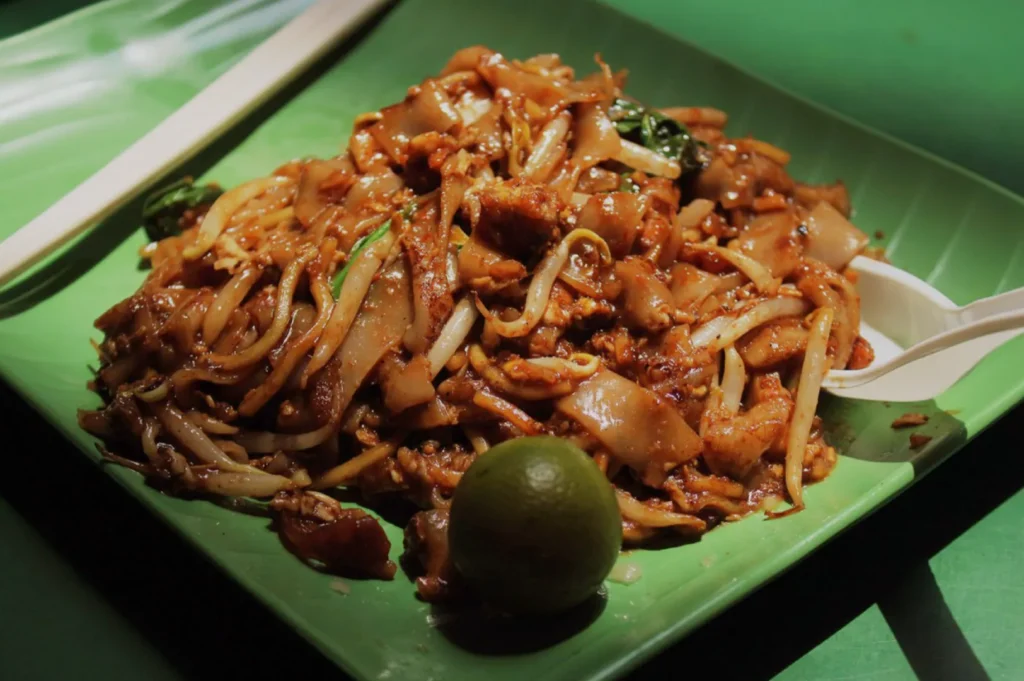
Char kway teow is a classic stir-fried noodle dish made with flat rice noodles, prawns, chinese sausage, crunchy bean sprouts, and egg. Traditionally cooked with pork fat and pork lard, it offers a smoky, savory flavor that many locals cherish. The dish’s balance of textures, from chewy noodles to crunchy bean sprouts, makes it a must-try.
Nasi Lemak
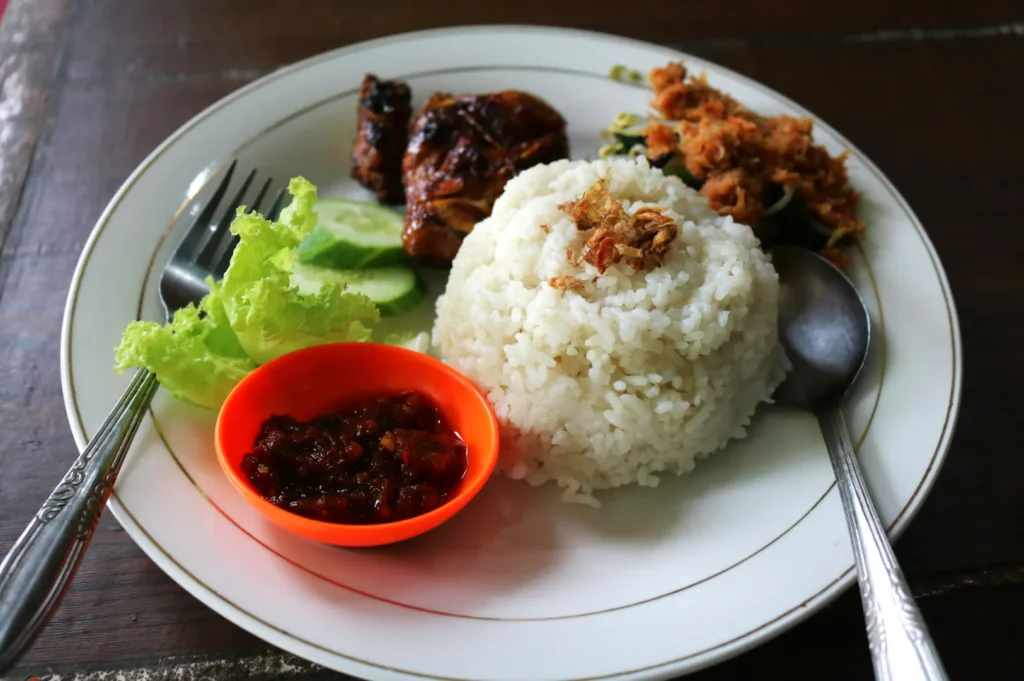
Nasi lemak, another crowd favourite rooted in Malay dishes and Peranakan food traditions, features coconut rice cooked with rich coconut milk, served with fried anchovies, sambal chili paste, fried chicken, fried fish, and egg. The interplay of coconut cream, palm sugar, and spicy sambal is a masterclass in balancing savory flavors.
Hawker Stalls and the Art of Specialisation
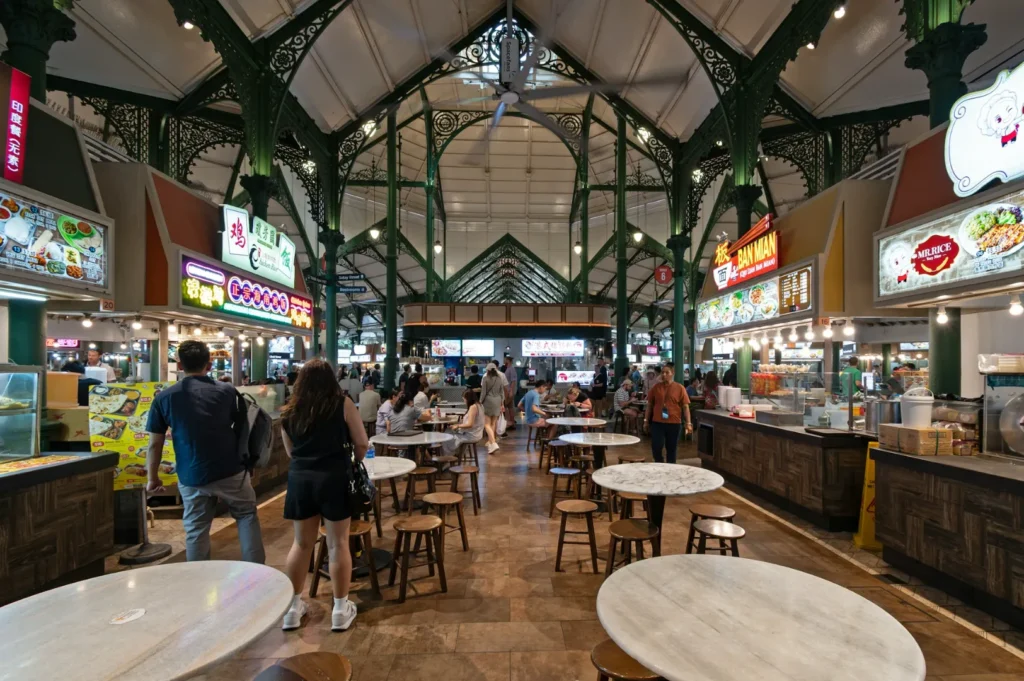
What makes hawker stalls so remarkable is their singular focus. Each stall typically does one or two things, and does them with decades of accumulated skill.
A noodle dish vendor at Old Airport Road Food Centre may spend an entire career perfecting flat rice noodles or yellow egg noodles cooked in a rich, smoky wok hei. Stalls serving:
fried rice
oyster omelette
fish cake dishes
zi char spreads with roast meats
These dishes represent a living culinary tradition that resists shortcuts.
Golden Mile Food Centre draws those seeking Thai-influenced fare, while Maxwell Food Centre remains a pilgrimage site for visitors exploring Singapore’s culinary scene. The variety is staggering:
vermicelli noodles in spiced broth
fish balls made from fresh fish paste
egg noodles tossed with minced pork and dark soy sauce
chili crab that locals fiercely defend as the nation’s most iconic dish
Kaya toast, served with soft boiled eggs and kopi, is a breakfast ritual so embedded in the culture that it transcends the meal itself. Kaya, made from coconut egg jam with palm sugar and condensed milk or evaporated milk, carries a sweetness that feels almost nostalgic. Pulled milk tea alongside kaya toast remains one of the most comforting rituals in Singapore food culture, one that speaks to the city’s multicultural roots and its love of kopitiam culture.
Where Singapore Food Meets Global Dining Standards
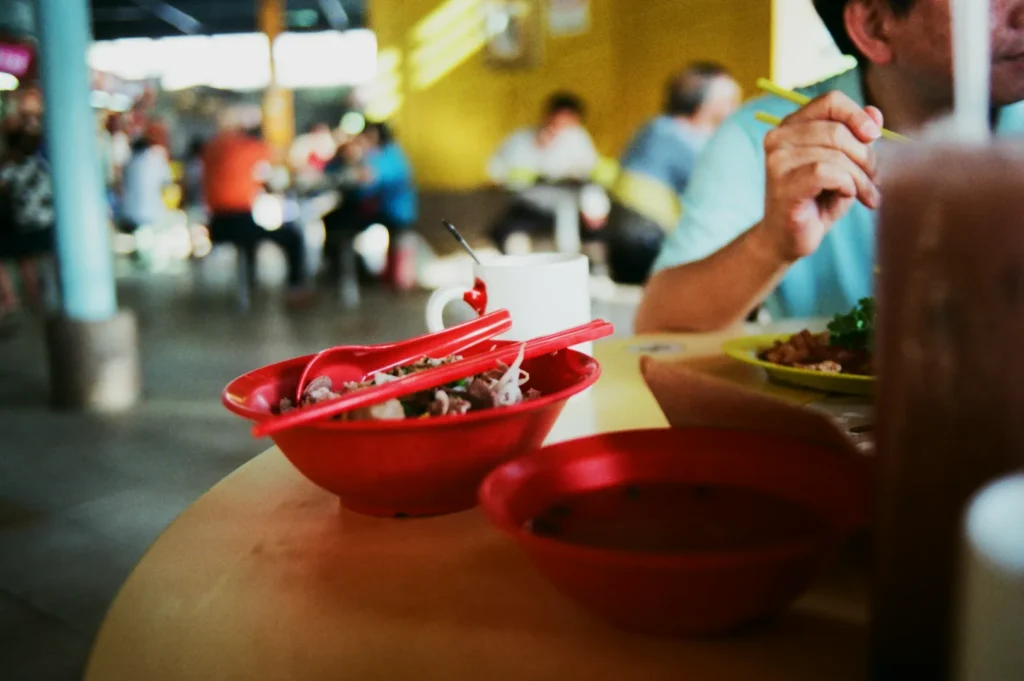
Singapore’s food credentials extend well beyond the hawker centre. The city now hosts some of Asia’s most respected fine dining establishments, with a growing number of Michelin-starred restaurants reflecting its status as a global gastronomy destination. The conversation around Singapore’s culinary scene increasingly bridges the gap between street-level authenticity and world-class technique.
Peranakan food, with its intricate use of coconut milk, spicy sauce, and slow-braised preparations, has earned renewed international attention. Indian food, represented through banana leaf curries and fragrant biryanis, adds another dimension to the city’s rich palette. The signature moonlight hor fun, a beloved zi char staple featuring flat rice noodles in an egg-laced gravy, is the kind of Singaporean dish that earns as much admiration from visiting chefs as from locals.
At Sushi Masa by Ki-Setsu, we hold deep respect for this landscape. Singapore food has cultivated in its people an exceptional sensitivity to taste, texture, and craftsmanship. When our guests arrive at our counter, their palates are already well-trained. Chef Masa’s role is not to impress through novelty, but to honour their taste buds with something they may not have encountered in quite this form.
Why Omakase Stands Apart
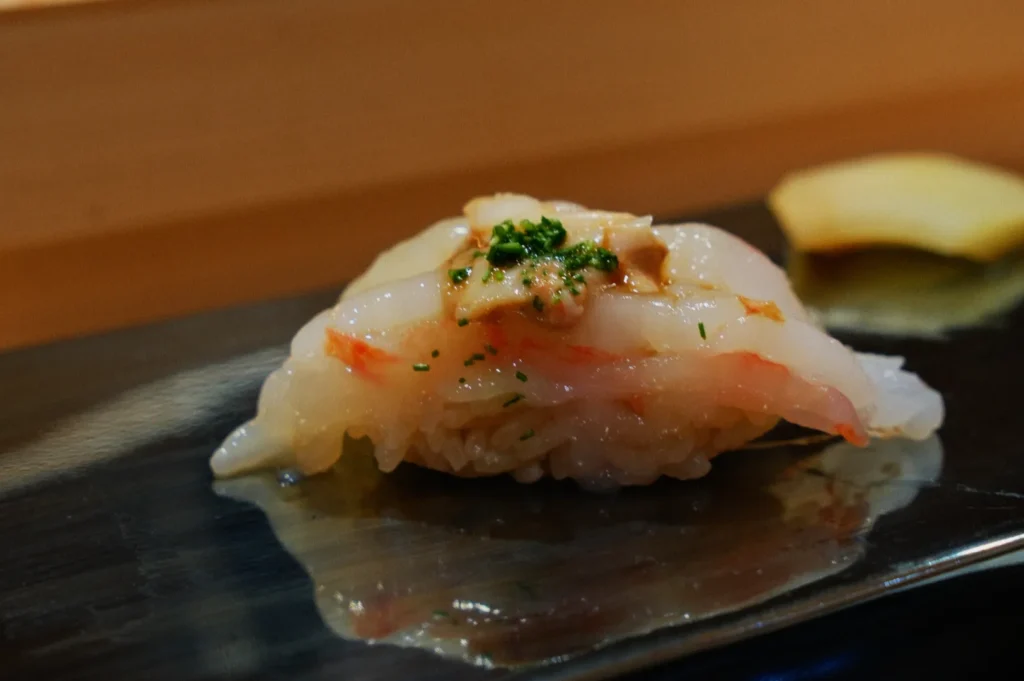
In a city where food is everywhere and excellent meals are accessible at almost every price point, omakase represents something different. It is a relationship. The word itself translates roughly to “I leave it to you,” and that act of trust is the foundation of everything we do at Sushi Masa by Ki-Setsu.
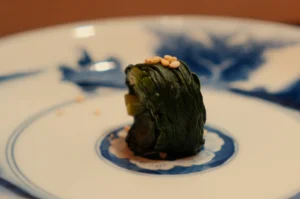
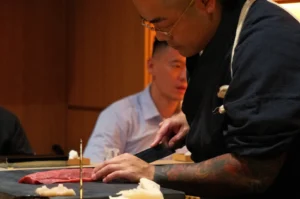
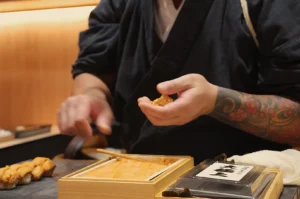
Our format is pure Edomae omakase: a single chef, a counter of eight seats, and a seasonal menu built entirely around what arrives fresh from Toyosu Market each morning. There are no à la carte choices because the menu is not a list. It is a conversation between Chef Masa and the ingredients available that day. Every course, from the opening dashi soup to the final nigiri, reflects a moment in time.
This approach contrasts with much of the broader food centre and restaurant culture, where consistency across hundreds of covers demands a degree of standardisation. At Sushi Masa by Ki-Setsu, there is no such compromise. If a particular fish is not at its peak, it does not appear on the menu. This is what separates a genuine omakase from a curated tasting menu dressed in Japanese aesthetics.
Edomae Principles in a Modern Context
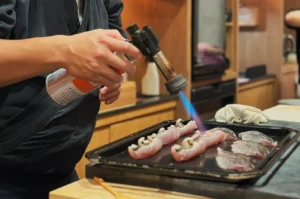
The Edomae tradition refers to the original style of sushi developed in Edo-period Tokyo, where fish from the nearby bay were prepared and served immediately at the counter. The techniques involved, from the ageing of certain fish to the precise seasoning of shari (sushi rice), were designed to draw out the natural character of each ingredient rather than mask it.
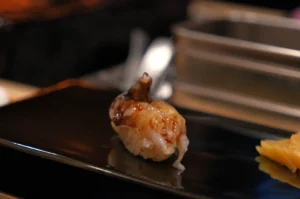
Chef Masa brings these principles to Singapore food with complete sincerity. The sushi rice is seasoned with red vinegar in the classical Edomae style. Fish sourced from Toyosu is selected not for visual drama but for flavour and texture. There is no overstatement, no gimmick. Every element on the counter has earned its place.
This philosophy extends to the pacing of the dinner. Guests are guided through a sequence of sashimi, nigiri, and warm courses, with a light dashi at the start and a clam miso soup served towards the close of the meal, a moment that signals the winding down of the evening with quiet elegance.
The Meeting Point of Two Food Cultures
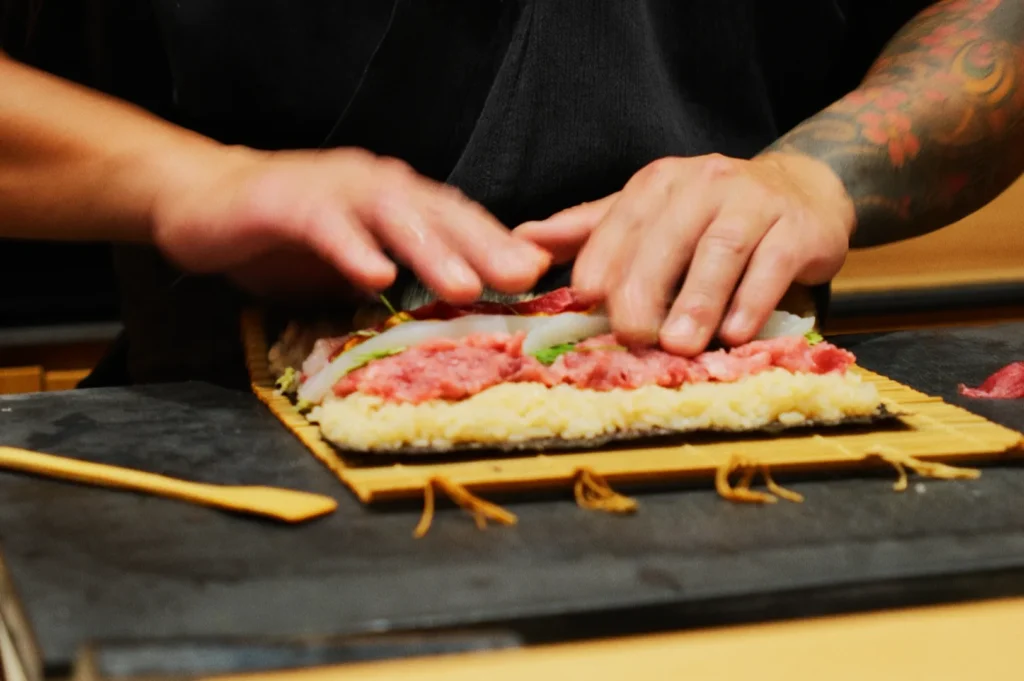
What makes Singapore an especially compelling setting for omakase is the unique palate its diners have developed. Growing up tasting the rice cakes and stir fried noodles of hawker centres, then exploring the roast meats and minced meat preparations of zi char kitchens, Singaporeans bring to the omakase counter an openness to texture, a love of umami, and a genuine curiosity about how ingredients behave.
This familiarity with bold, layered savory flavors means that a well-made piece of otoro nigiri, with its subtle richness and clean finish, lands differently here than it might in a market less accustomed to nuance. Singapore food has trained diners to notice things: the difference between steamed rice that is properly rested and rice that is not, the way a sweet sauce interacts with a briny element, the distinction between fish that is fresh and fish that is merely chilled.
At Sushi Masa by Ki-Setsu, we trust that our guests bring this knowledge with them. Our role is to meet their curiosity with equal honesty.
An Invitation to Something Singular
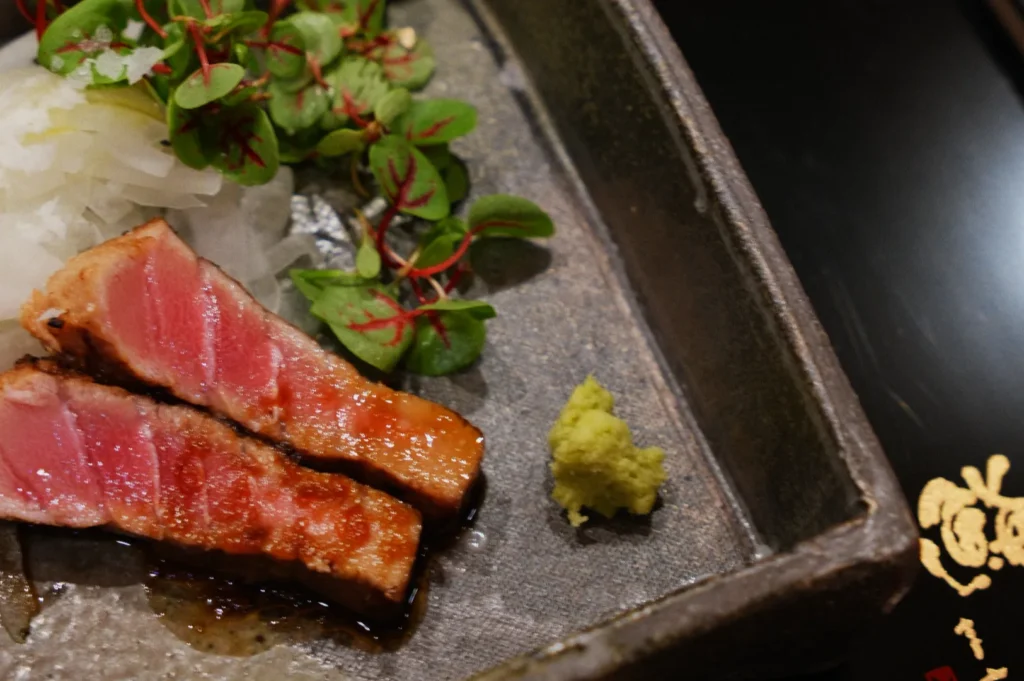
Singapore food is extraordinary precisely because it contains multitudes. The hawker centres, the food centre culture, the Michelin-starred restaurant circuit, the Peranakan dish traditions and the Malay dishes passed down through families, all of these exist in the same city, often within walking distance of each other.
Omakase, at its finest, does not reject this world. It distils it. It asks: what happens when a single chef, working with the best ingredients available, prepares each dish with complete attention for a small group of guests who have chosen to trust the process?
At Sushi Masa by Ki-Setsu, that question is answered anew every dinner service. If you have eaten your way through Singapore food and are ready for something that asks a little more of you in return, we would be honoured to welcome you to our counter. Dinner begins at 7:15pm, Tuesday to Saturday, at Cuppage Plaza. Reservations are available through our website at kisetsu.com.sg.