There is a particular kind of meal that does not simply feed you. It tells a story. It moves through seasons, textures, and temperatures with a quiet sense of intention. Kaiseki is precisely that kind of meal. For anyone with a genuine curiosity about Japanese cuisine, understanding kaiseki is like learning to read an entirely different culinary language. It is disciplined, poetic, and deeply rooted in traditional Japanese culture. And once you understand it, the way you experience any refined Japanese dining will never quite be the same.
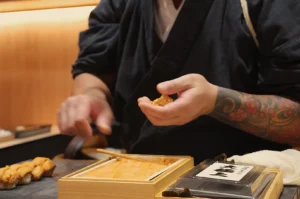
At Sushi Masa by Ki-Setsu, our approach to the Japanese omakase format shares many of the same values that define kaiseki: the use of seasonal ingredients sourced fresh from Toyosu Market, a deliberate progression of courses, and a singular chef whose craft shapes every plate. While our dining service is anchored in the Edomae tradition of sushi-making, we have a deep admiration for kaiseki and what it represents within the broader world of Japanese cuisine.
The Origins of Kaiseki: Two Traditions, One Name
The word “kaiseki” carries two distinct histories, each with its own written form in Japanese. Understanding this distinction is the first step in any proper kaiseki guide.
The older form, kaiseki 懐石, traces its roots to the tea ceremony and the teachings of Zen Buddhism. The term itself refers to a warm stone, kaishi, that Buddhist monks would place inside the folds of their robes to ward off the cold and hunger during long periods of meditation.
Over time, the name was applied to the modest, nourishing meal prepared before ceremonial tea, known as cha kaiseki. This was food in its most restrained form: simple, clean, designed not to overwhelm the palate but to prepare it. A typical cha kaiseki might include typically:
a soup
white rice
a small dish of simmered vegetables
All with the philosophy of seasonality and natural ingredients guiding every element.
The second form, kaiseki 会席, evolved separately as a more festive and elaborate tradition, shaped by banquet culture rather than the tea ceremony. This version gave rise to what most diners today associate with kaiseki cuisine: a sophisticated, multi-course Japanese meal served across a lot of courses, each highlighting a different cooking method and a different expression of the season.
Both traditions share a deep respect for seasonal ingredients, simplicity, and craft. But their purposes differ. One serves the spirit. The other celebrates the table.
How Kaiseki Ryori Is Structured
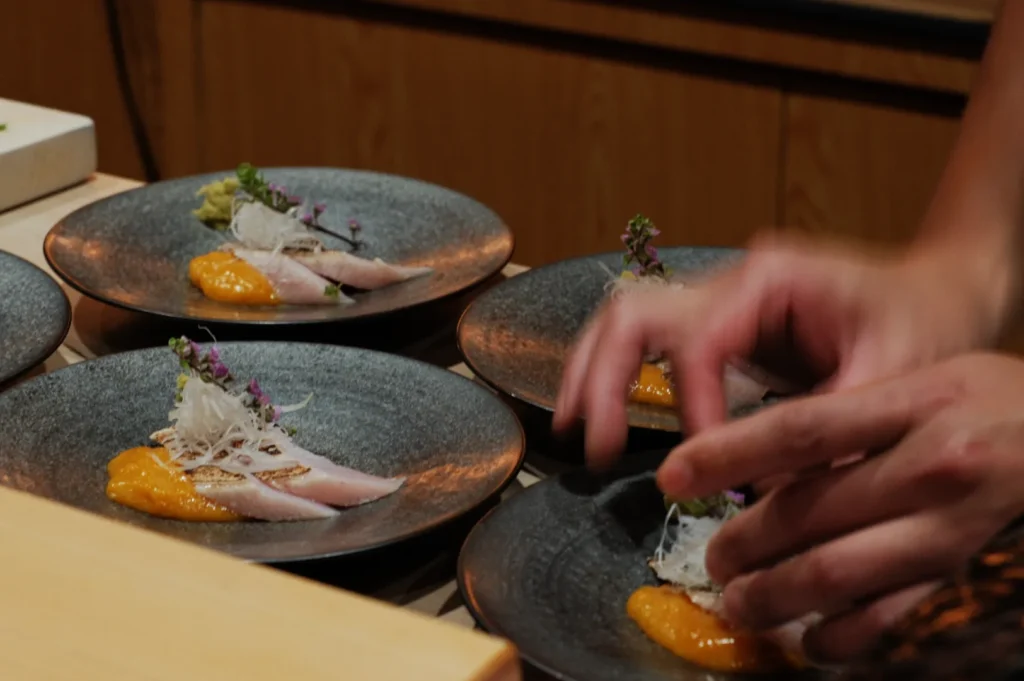
A kaiseki ryori progression follows a structure that has been refined over centuries. There is logic behind the ordering of each dish, and each course serves a distinct purpose in building the overall dining experience.
The Early Courses
The meal typically opens with a first course called sakizuke or zensai, a small dish similar to an amuse-bouche, followed by the hassun, the second course that establishes the seasonal theme. The hassun is often considered the heart of the kaiseki meal, as it reflects the chef’s vision for that particular time of year through a careful arrangement of seasonal sashimi, seasonal vegetables, and other small, precisely prepared items, often presented on a 24-centimeter platter.
From there, the progression moves through a soup course, often a clear soup known as suimono, made with dashi and soy sauce, which showcases the quality of the broth and provides a gentle transition between dishes. A sliced dish, known as mukozuke and often featuring seasonal sashimi, follows. These early courses are restrained and clean, designed to awaken the taste buds without overwhelming them.
The Middle Courses
The middle section of a kaiseki meal is where the cooking methods diversify. A yakimono, or grilled dish, such as grilled fish, is a fixture at this stage. So too is the takiawase, a simmered dish where vegetables and proteins are cooked separately to preserve their individual characters before being brought together. Lightly cooked vegetables, pickled vegetables, and rice dishes may also appear across these middle courses, each prepared with a precision that reflects the chef’s command over heat, seasoning, and timing.
In many kaiseki restaurants, a rice course arrives later in the progression, accompanied by pickled vegetables and miso soup. The miso soup served at this stage is often prepared with clams and marks a transition towards the close of the meal. Kaiseki courses are not hurried. Each dish arrives with enough space for the diner to appreciate it fully before the next one begins.
The Close
The meal typically concludes with white rice, a clear broth or soup, vegetables, and something sweet. The final courses are grounding and gentle, designed to bring the meal to a natural close rather than an abrupt one. A palate cleanser may appear at various points to reset the senses between more pronounced flavors.
Kaiseki Dining Etiquette and Utensils
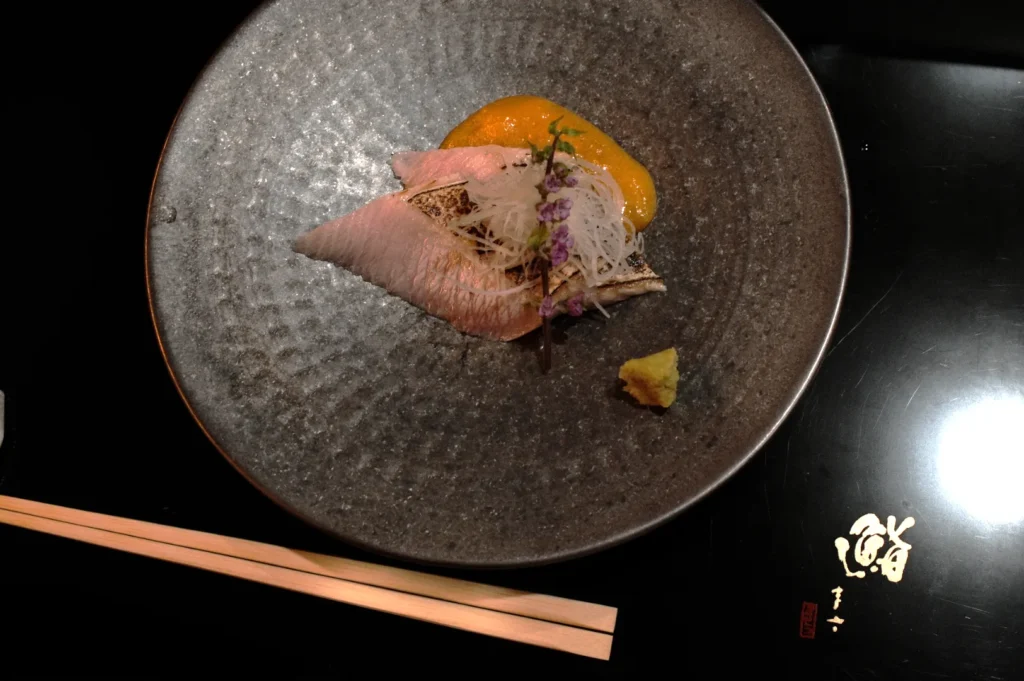
Kaiseki dining etiquette emphasizes the order of dish consumption to fully appreciate the progression and harmony of flavors. Diners should take a bite of new dishes before finishing previous ones, allowing the palate to adjust thoughtfully.
Formal kaiseki requires learning specific dining manners and how to use utensils properly. Chopsticks are the primary utensils used in kaiseki dining, and knowing how to handle them respectfully enhances the overall experience.
Cha Kaiseki Guide and the Tea Ceremony Connection
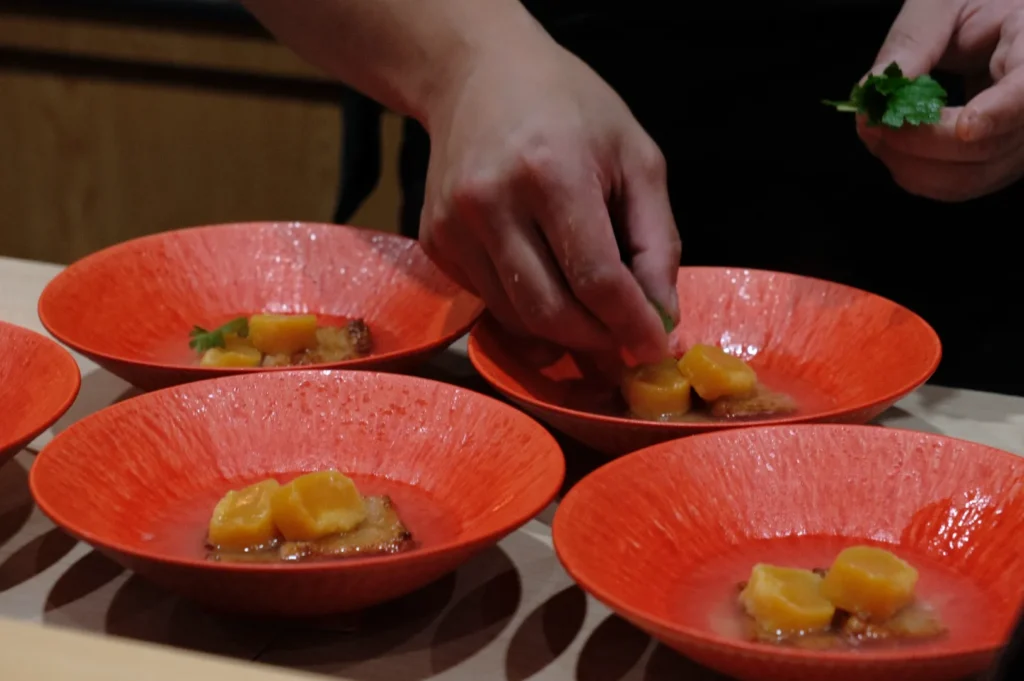
Cha kaiseki deserves particular attention because of how profoundly it shaped Japanese culinary philosophy. Served before tea, cha kaiseki was never about abundance. The quantities were small, the presentation spare, and the seasonality absolute. A meal served in this context was meant to honor the guest and the moment, not to impress with volume or complexity.
This ethos, that food should reflect the season and respect the diner’s senses, flows directly into the kaiseki cuisine we recognize today. Restaurants in Kyoto have long been considered the custodians of cha kaiseki, with many carrying centuries of tradition within their walls. Kaiseki restaurants in Kyoto remain some of the most revered dining destinations in the world, and for good reason. The connection to Japanese culture, to the rhythms of the natural world, and to the quiet discipline of the tea ceremony runs through every course.
The Michelin Guide has recognized a number of kaiseki restaurants in Kyoto and across Japan over the decades, acknowledging kaiseki ryōri as one of the most sophisticated expressions of haute cuisine anywhere in the world. Yet despite this recognition, the philosophy behind kaiseki remains accessible to anyone willing to approach a meal with patience and attention.
Kaiseki and the Spirit of Seasonal Cooking
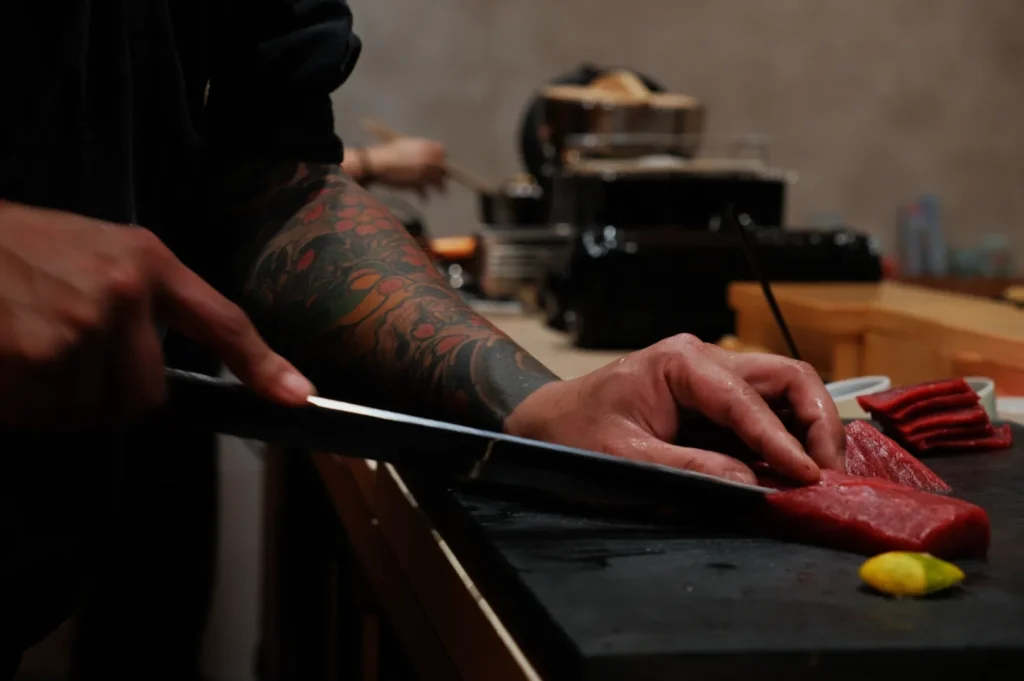
What unites both forms of kaiseki, and what makes kaiseki cuisine so enduring, is the absolute centrality of the season. Every kaiseki meal is built around what is available now, what is at its peak now, and what the current season communicates. There is no fixed menu in the truest sense. The kaiseki guide a chef follows is written by nature.
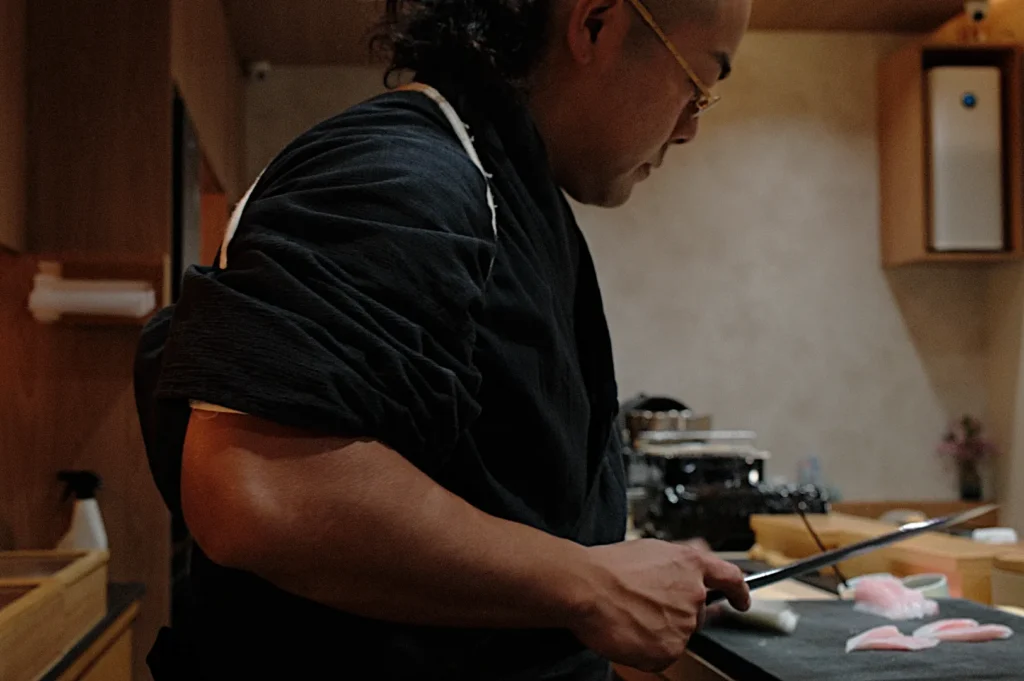
This is a value we hold closely at Sushi Masa by Ki-Setsu. Chef Masa sources ingredients from Toyosu Market in Japan daily, ensuring that whatever arrives at the counter reflects the very best of what the season has to offer. Whether it is a particular fish at the height of its flavor or a variety of seafood unique to a specific time of year, the freshest ingredients determine the direction of the evening. This is not merely a preference. It is a commitment to the same seasonal integrity that has defined Japanese cooking for centuries.
Kaiseki restaurants approach this commitment through many courses. Our omakase dinner approach distills it through the Edomae sushi tradition: careful preparation, precise technique, and an unwavering focus on natural ingredients as they are, not as they might be transformed beyond recognition.
Artistry and Presentation in Kaiseki
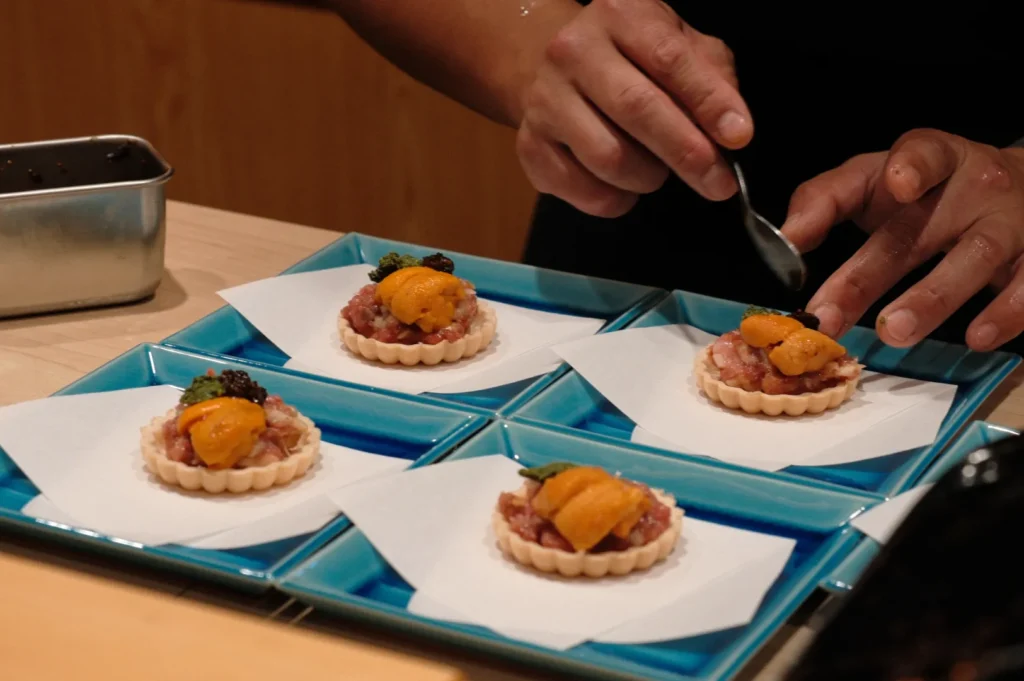
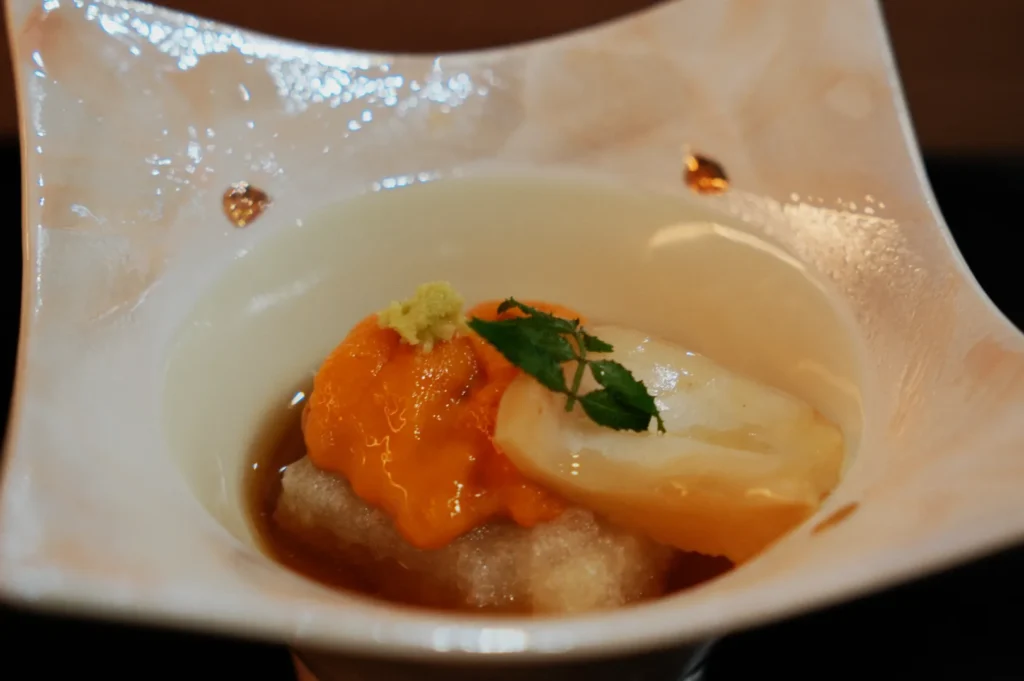
Artistry in kaiseki involves more than just the food itself. The choice of pottery and tableware complements each dish, enhancing the visual and tactile experience.
This attention to detail reflects the aesthetic concept of wabi-sabi, which finds beauty in imperfection and simplicity.
The presentation is carefully curated to evoke a sense of season and place, often incorporating elements from the restaurant’s garden or natural surroundings.
What Kaiseki Means for the Modern Dining Experience
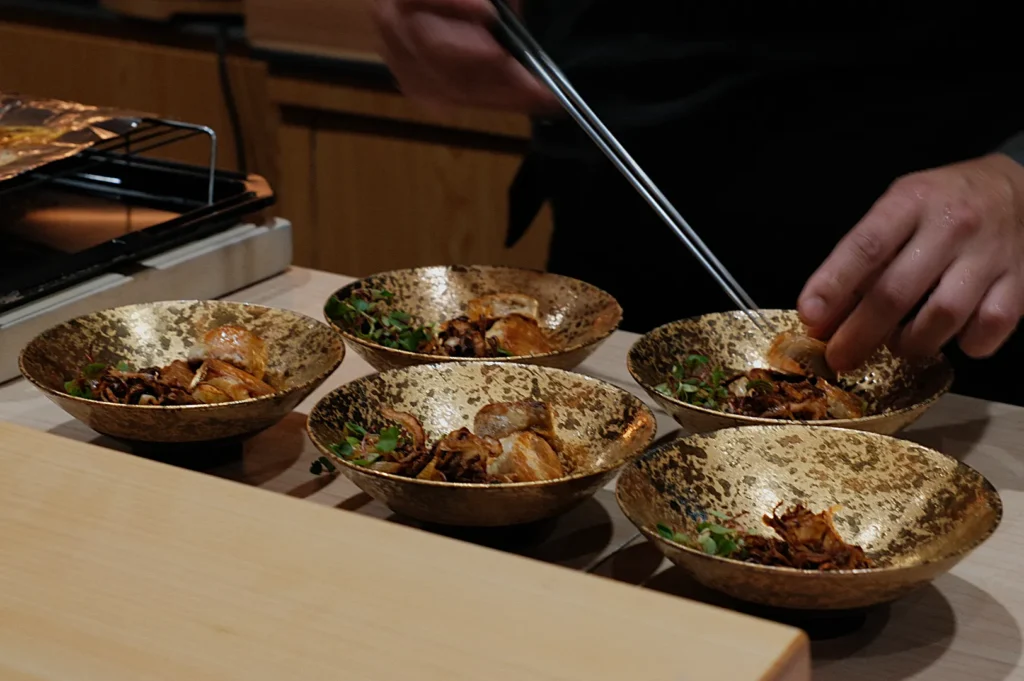
Understanding kaiseki helps to explain why so many aspects of refined Japanese dining feel the way they do. The careful pacing. The smaller portions that allow concentration on each individual element. The way a meal served in this style builds gradually, each course leading naturally to the next. The use of private rooms in many traditional kaiseki restaurants, preserving a sense of intimacy and focus that elevates the dining experience beyond a simple meal.
Even in formats that differ from kaiseki proper, such as the omakase tradition that sits at the heart of what we do at Sushi Masa by Ki-Setsu, the influence is unmistakable. Both kaiseki and omakase ask the diner to trust the chef, to surrender the impulse to choose and instead receive what has been thoughtfully prepared on their behalf. Both are, at their core, an expression of hospitality as craft.
The kaiseki guide to eating well is not a complicated one. Be present. Notice the season. Let the chef lead. And pay attention to how one course sets up the next.
An Invitation to Experience Japanese Cuisine
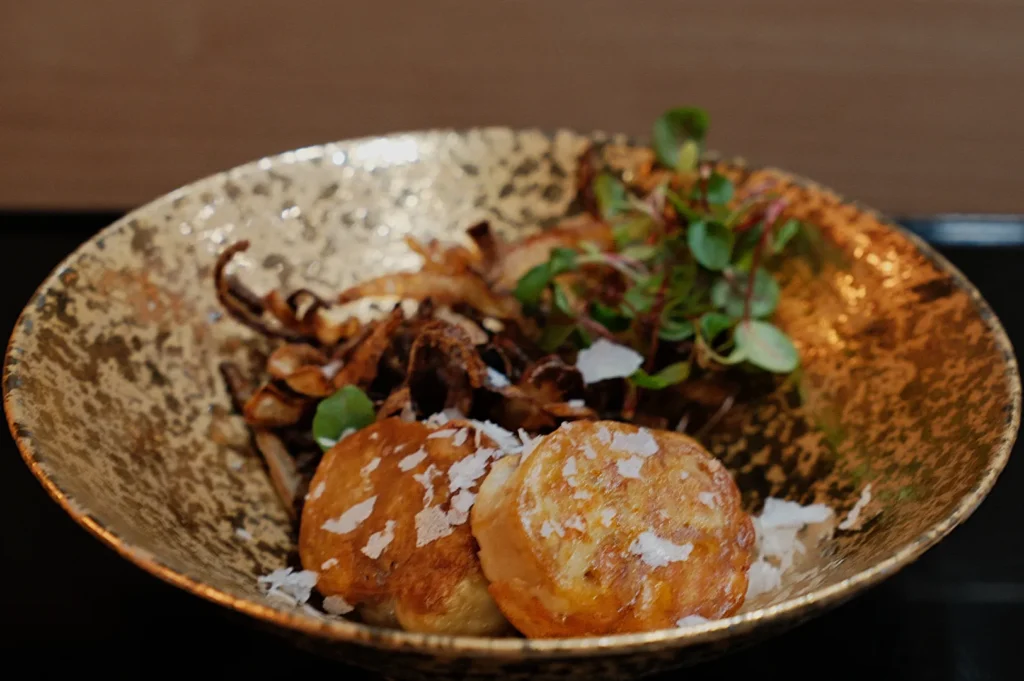
Kaiseki is one of the great culinary traditions of the world, with a long history that enriches every bite. Understanding its structure, its history, and its underlying philosophy is a genuine gift for any lover of Japanese cuisine. Whether you are exploring kaiseki restaurants for the first time, planning a visit to restaurants in Kyoto, or deepening your appreciation of the broader landscape of cooking, the principles of kaiseki will enrich every experience.
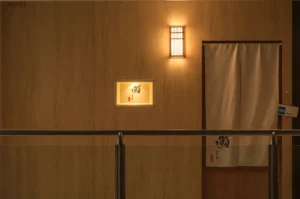
At Sushi Masa by Ki-Setsu, we invite you to encounter those same principles through the lens of Edomae sushi. Each kaiseki dinner is composed with seasonal intention, guided by the produce arriving fresh from Toyosu Market and shaped by the singular craft of Chef Masa. Our eight-seat counter in Cuppage Plaza offers an intimate setting where the connection between chef and guest is direct, unhurried, and deeply meaningful.
If the philosophy of kaiseki speaks to you, we believe our omakase counter will too. We would be honored to welcome you.