Sushi is often celebrated for its freshness, yet anyone who has spent time at a sushi counter knows that fish freshness is only part of the story. Behind a great piece of nigiri lies a quiet science of timing, temperature and technique, and one of the most fascinating parts of that science is the aging process. Sushi aging techniques have shaped Japanese culinary tradition for generations, allowing fish to develop flavour and texture that fresh fish alone cannot offer.
At Sushi Masa by Ki-Setsu, we believe that understanding how fish is handled, whether served fresh or carefully aged, helps our guests appreciate the craftsmanship behind every Japanese omakase course of fish, rice and sashimi. This article looks at aging fish, dry aged fish and how aged sushi differs from regular sushi served fresh.
The Actual Fish Aging Process
Aging fish for sushi is not simply about letting time pass. It is a controlled process where fish flesh and fish meat sit under specific temperature and humidity conditions over a set period, allowing natural enzymes within the fish to break proteins down into amino acids.
This enzymatic activity is what produces the deeper, more concentrated umami that aged sushi is known for, and it is why many sushi chefs treat aging fish as a discipline rather than a shortcut. Unlike regular sushi, where fish is consumed fresh close to the moment it is caught, aged fish undergoes a change that softens connective tissues and intensifies taste, texture and aroma.
| Aging Technique | Description | Typical Aging Duration | Fish Types & Effects | Key Benefits |
|---|---|---|---|---|
| Dry Aging | Fish is stored uncovered or lightly wrapped, often with a paper towel to draw out excess moisture, inside a controlled environment with optimal temperature and humidity. Moisture reduction concentrates natural fats and fatty acids. | Several days (varies by fish species and fat content) | Produces firmer bite, iron-rich aroma, and flavor unattainable in fresh fish. Favored for fish with higher fat content. | Enhances tender texture, intensifies umami, develops complex flavor, requires precise moisture and fat balance. |
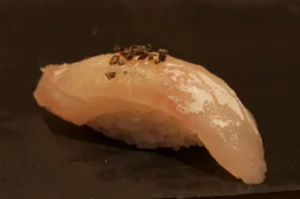
| Kombu Jime | Fish is wrapped in kelp (kombu) for typically two to three days, allowing kelp’s glutamic acid to infuse umami while gently drawing moisture. | 2-3 days (some fish up to about a week) | Ideal for delicate white fish such as sea bream or flounder, enhancing natural sweetness without overpowering. | Adds natural seasoning, maintains moisture balance, enhances sweetness and umami. |
At Sushi Masa by Ki-Setsu, our approach to Edomae style preparation draws on these same principles, though every piece of fish served at our counter reflects what Chef Masa determines is the right preparation for that fish on that day. Edomae has always been about more than serving raw fish. It is about understanding how each fish behaves and choosing fresh fish or dry aged fish, whichever allows true flavour to shine through the vinegared rice beneath it.
The Pros of Dry Aging and Other Aging Methods

Dry aged fish offers concentrated flavor as moisture decreases, intensifying proteins and fats for richer umami. Tuna aged several days gains an iron-rich aroma and silky texture from rising inosinic acid as ATP breaks down, making it more complex than fresh tuna.
Aging also tenderizes fish by breaking down connective tissues, softening firm flesh. Many fish benefit from short aging. Tokyo Michelin-starred restaurants often have special rooms to balance moisture, fat, and flavor in dry aged fish, highlighting the skill involved.
There are several key pros to sushi aging techniques that enhance the dining experience:
Flavour Concentration: Dry aging reduces water loss by 20-30%, intensifying the natural fats and proteins for a more flavorful and complex taste.
Enhanced Umami: Enzymatic breakdown of proteins increases inosinic acid and glutamate levels, enriching the mouth with deeper umami notes.
Improved Texture: Aging softens connective tissues, creating a melt-in-your-mouth tenderness prized in aged sushi.
Extended Shelf Life: Controlled temperature (optimal between 1-2°C) and humidity help preserve fish longer without spoilage.
Chemical Complexity: Aging develops an iron rich aroma and subtle flavor layers not found in fresh fish.
Selective Application: Techniques like kombu jime add a perfect balance of natural seasoning and moisture control, enhancing delicate fish varieties.
There is also a practical side that any sushi restaurant values. Proper temperature and humidity control during aging can extend the usable life of fish without compromising taste or texture, provided the aging process is carefully monitored. This is where real skill matters, since the line between perfectly dry aged fish and spoiled fish is a narrow one.
The Cons and Considerations of Aging Fish

Aging fish has its benefits, but it also has drawbacks. Many traditional sushi restaurants, especially those that source fish daily, prefer to serve most fish fresh. Aging fish requires careful control of temperature and humidity, and even a small mistake can spoil the fish. This makes dry aging a delicate and risky process that demands constant attention.
Key cons of sushi aging techniques include:
Strict Environment Control: Maintaining precise temperature and humidity is essential to prevent spoilage, making aging fish a complex and risky process.
Fat Content Sensitivity: High-fat fish can become overly soft or develop off-flavors if aged too long, while lean fish may dry out instead of gaining umami.
Requires Expert Judgment: Successful aging depends on a chef’s ability to read moisture content and texture changes, as practiced by Chef Masa when selecting fish from Toyosu Market.
Flavor Departure: Aged sushi presents a different profile from fresh fish, with reduced moisture and altered fat, which may not suit guests preferring the brightness and clean sweetness of fresh sushi.
Resource Intensive: Aging fish involves time, specialized equipment, and monitoring, which can increase operational complexity for sushi kitchens.
There is no single correct answer between dry aged fish and fresh fish, only what each fish, and each guest’s taste, calls for that evening.
Why Sushi Masa by Ki-Setsu Favours Same Day Freshness

At Sushi Masa by Ki-Setsu, our omakase philosophy centres on sourcing the finest fish flown in fresh, much of it from Toyosu market, so Chef Masa can work with fish at its natural peak rather than relying heavily on aging fish techniques. Our focus stays on fish whose quality speaks for itself, paired with precise knife work and seasoned vinegared rice that lets fish flavour, sweetness and texture come through without needing dry aging to do the work.
This does not mean aging fish is misunderstood at our counter, only that it is approached with caution. Many fish genuinely benefit from a brief rest or a touch of dry aging, but it takes a steady hand to know when fish calls for that extra time and when it is best served at its freshest. The aim has never been to chase trends, whether that trend is dry aged fish or aged sushi for its own sake, but to let each fish guide the decision of how it should be served.
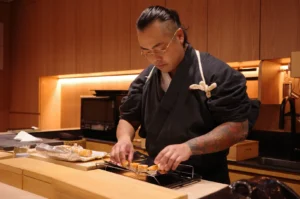
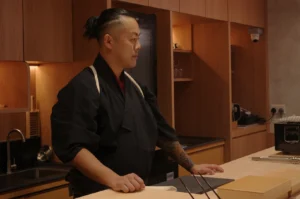
This philosophy extends to every course served within our intimate eight seat counter, where guests watch Chef Masa’s hands at work and ask why a piece of fish was prepared a certain way, whether that means serving it fresh or allowing it more time to develop. It is this transparency, paired with respect for Edomae tradition, that shapes the omakase experience at Sushi Masa by Ki-Setsu, keeping fish honest from Toyosu market to the counter.
The Role of Salt, Kelp, and Natural Seasoning

Salt and kelp both play quietly important roles in how fish flavour develops, whether the fish is aged or fresh. A light touch of salt draws moisture from the surface of fish, firming the flesh slightly while concentrating taste, sometimes used alongside kombu jime for a layered effect across the fish meat. Kelp itself, beyond contributing glutamic acid, lends fish a faint oceanic sweetness that complements rather than masks its flavour.
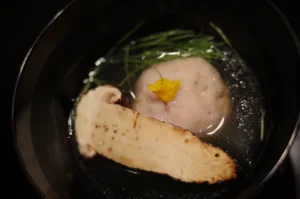
These methods reflect a broader truth in Japanese cooking, that the best results in fish preparation often come not from adding flavour but from drawing out what is already present within quality fish. This same principle guides the dashi based soup stock served towards the beginning of the omakase course at Sushi Masa by Ki-Setsu, made without shellfish to keep the palate clean before the sashimi and sushi that follow. Later in the course, a clam based miso soup brings warmth, a reminder that even simple preparations rely on the same balance found in dry aging and kombu jime.
Bringing the Conversation to the Table

Ultimately, the conversation around aging fish is not about which method reigns supreme, but about understanding the tools available to a chef and the thought behind each decision. Dry aging, kombu jime and same day fresh fish each have a place, and a chef’s ability to choose between them for each type of fish separates a forgettable plate from a memorable one.
At Sushi Masa by Ki-Setsu, this consideration goes into every seat at our counter. Guests are guided through a story of sourcing, seasonality and craftsmanship, with Chef Masa on hand to explain why a piece of fish was chosen and served a certain way that evening. Whether the fish before you arrived fresh that morning from Toyosu Market or was given more time to develop, the intention stays the same, to present each fish, from tuna to sea bream to flounder, in the way that best honours its moisture, fat and flavour.
For those curious to taste the difference between dry aged fish and fish served fresh, an evening at our eight seat counter offers more than a meal. It offers a window into the quiet decisions behind every plate of sushi, decisions rooted in Edomae tradition and respect for fish as an ingredient worth understanding. We warmly invite guests to reserve a seat for dinner and experience this omakase journey, where every course tells its own small story about freshness, patience and the art of sushi making.