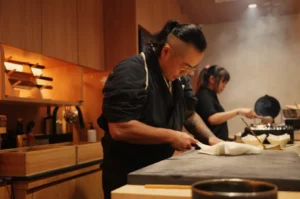
Step into any traditional sushi restaurant during different times of the year, and you will notice something curious: the menu rarely looks the same twice. This is not an oversight or inconsistency. It is the very heart of omakase dining, a philosophy in which the chef, not the diner, decides what arrives at the counter based on what the sea and the season have to offer. At Sushi Masa by Ki-Setsu, this principle guides everything Chef Masa does, from the moment ingredients are sourced to the final piece of nigiri sushi placed before a guest.
Understanding why omakase seasonal ingredients matter so deeply helps explain why an exceptional dining experience cannot be standardised. Each season brings its own treasures, and a menu that refuses to change with them is, frankly, refusing to honour the ingredients themselves.
It is also why those searching for the best omakase Singapore has to offer should look closely at how a restaurant treats seasonality, since this is often the clearest indicator of genuine craftsmanship rather than mere presentation.
The Philosophy Behind Edomae Sushi and Seasonality
Edomae sushi, the style that originated during the Edo period in what is now Tokyo, was built on the idea of using what was freshest and most abundant at the time. Fishermen would bring their catch directly to sushi counters, and chefs would prepare it the same day, often with minimal intervention beyond a touch of salt, vinegar, or a light cure. This was not simply convenient. It was a way of respecting the fish, the season, and the diner’s palate all at once.
Sushi Masa by Ki-Setsu draws directly from this tradition. Rather than designing a fixed menu and forcing ingredients to fit it, Chef Masa allows the seasons to dictate the structure of each omakase course. This is the reason our menus shift throughout the year, and why returning guests often discover an entirely different experience depending on when they visit.
Sourcing From Toyosu Market
A defining feature of this approach is sourcing directly from Toyosu Market, the successor to the historic Tsukiji fish market and one of the largest seafood markets in the world. Chef Masa places great importance on selecting ingredients personally, ensuring that every piece of fish, shellfish, or seafood that reaches the counter meets exceptional quality standards.
This relationship with Toyosu is not a marketing point but a practical necessity for any chef serious about Edomae sushi, as it provides access to the freshest catches arriving daily from across Japan.
What Makes Seasonal Ingredients So Prized in Japanese Cuisine
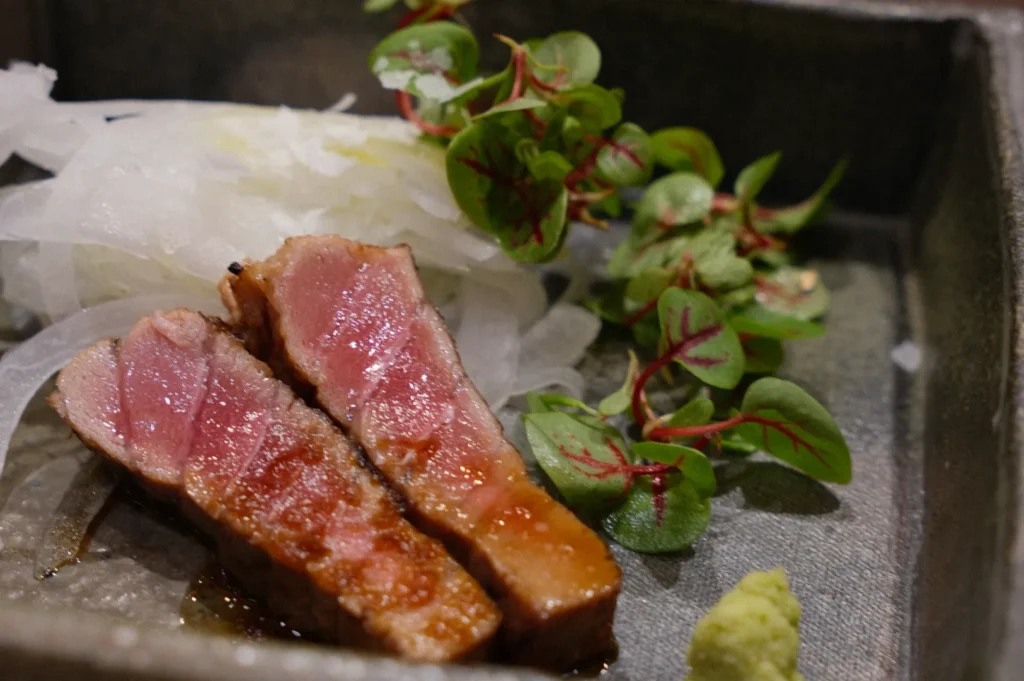
In Japanese culinary traditions, the concept of seasonality extends far beyond simply eating what is available. There is a deep cultural appreciation for the fleeting nature of certain ingredients, a brief window in which a particular fish or vegetable reaches its peak before disappearing until the following year. This natural sweetness, ideal texture, and unique flavour cannot be replicated artificially or preserved indefinitely.
Sea urchin, for instance, is widely regarded as one of the most prized ingredients in fine dining, particularly during late spring and into early summer when its richness and sweetness intensify.
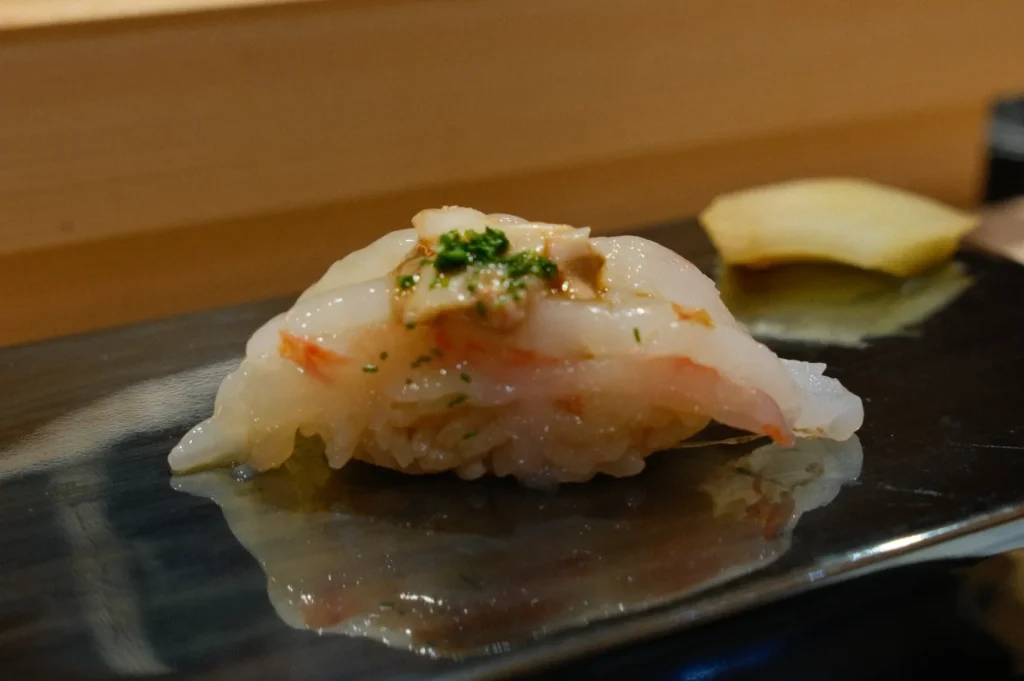
Sweet shrimp, often served raw to highlight its delicate, almost custard like texture, similarly reaches its best quality during specific months.
Fatty tuna, a cornerstone of nigiri sushi, varies in richness depending on the season and the specific cut, with the most marbled portions commanding particular reverence among connoisseurs.
These are not arbitrary preferences. They reflect centuries of accumulated knowledge about how marine life behaves, feeds, and matures throughout the year. A chef who understands this rhythm can showcase each ingredient at precisely the right moment, allowing diners to taste something close to perfection.
Spring Through Summer Highlights
As spring transitions into summer, certain ingredients take centre stage.
Young bamboo shoots, tender and slightly sweet, often appear in seasonal preparations that complement the seafood course without overwhelming it.
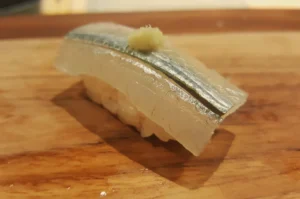
Japanese halfbeak, a delicate white fish with a clean, subtle flavour, is closely associated with early summer and offers a lighter counterpoint to richer cuts served earlier in the course.
Pacific saury, though more commonly associated with autumn, can also make appearances depending on regional catches and market availability.
Sea bream, prized for its firm texture and clean taste, remains a popular ingredient across multiple seasons but shows particular brilliance in the warmer months when its flavour is at its most refined.
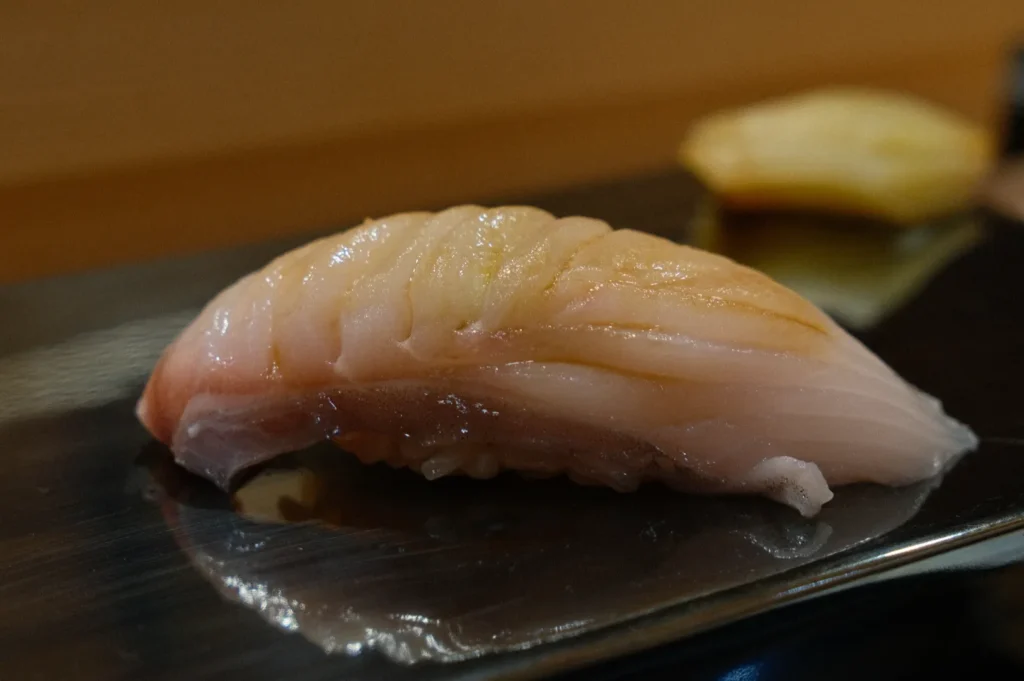
Chef Masa’s expertise lies in recognising these subtle shifts and adjusting preparation accordingly, sometimes lightly torched to enhance natural oils, other times served simply to let the freshness speak for itself.
How Seasonal Changes Shape the Omakase Experience
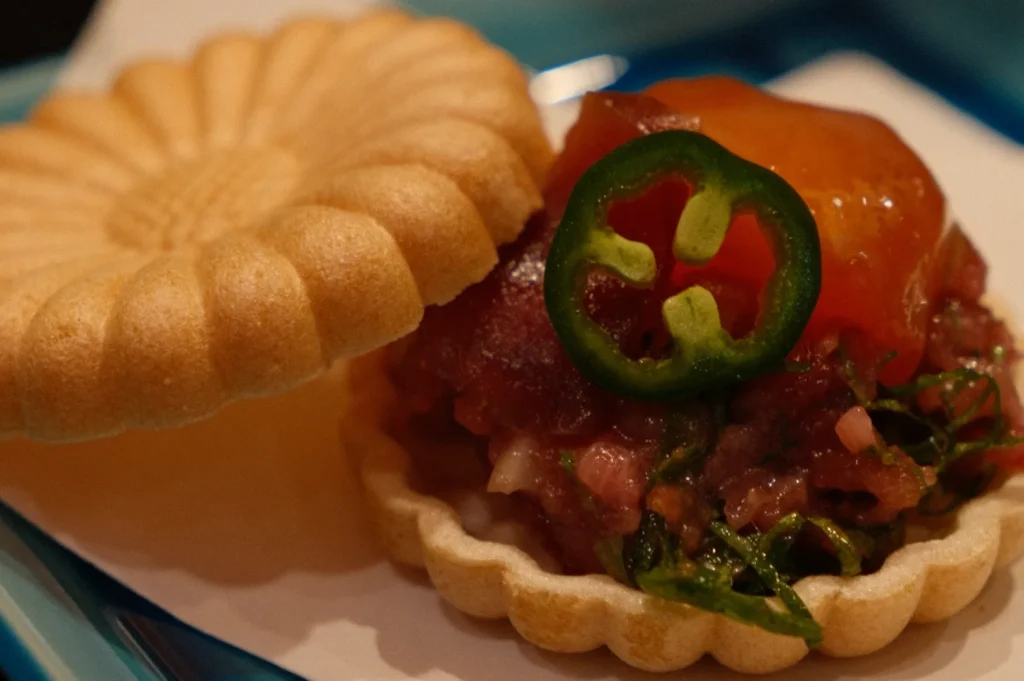
For many guests new to omakase menus, the idea of not knowing exactly what will be served can feel unfamiliar. However, this is precisely what makes the omakase experience so distinctive. Rather than choosing dishes based on personal assumptions, diners place their trust in the chef’s skill and judgement, allowing for a sequence of courses curated to showcase the very best ingredients available that day.
At Sushi Masa by Ki-Setsu, this trust is treated with the utmost seriousness. Each course is thoughtfully sequenced, typically beginning with lighter preparations such as a delicate dashi soup or light soup stock, free from shellfish, designed to awaken the palate without overwhelming it. From there, the meal progresses through increasingly rich and complex flavours, allowing diners to experience a natural arc that mirrors the structure found in many esteemed dining traditions.
Snow crab, when in season, often appears as one of the more luxurious offerings, its delicate sweetness providing a memorable contrast to the umami depth of other seafood.
Salmon roe, with its briny pop and vibrant colour, adds both visual appeal and a burst of flavour that diners frequently mention long after their meal has ended.
Scallop, prepared with precision to highlight its natural sweetness and tender texture, often appears as one of the lighter, more refreshing courses within the sequence.
Balancing Richness and Refreshment
A well constructed omakase course is not simply a procession of expensive ingredients. It is a carefully considered balance between richness and refreshment, ensuring that no single flavour dominates the palate for too long. This is where Chef Masa’s experience becomes particularly evident, knowing precisely when to introduce a lighter, more delicate piece of sashimi after a richer cut of fatty tuna, or when the timing calls for something with a touch of acidity to reset the palate.
Towards the latter stages of the course, miso soup may be served, distinct from the earlier dashi based soup stock, and notably prepared with clams to provide a comforting, savoury conclusion before any closing elements of the meal. This sequencing reflects long established conventions within Japanese cuisine, where soups are positioned with intention rather than as a mere afterthought.
Why a Static Menu Cannot Capture True Quality
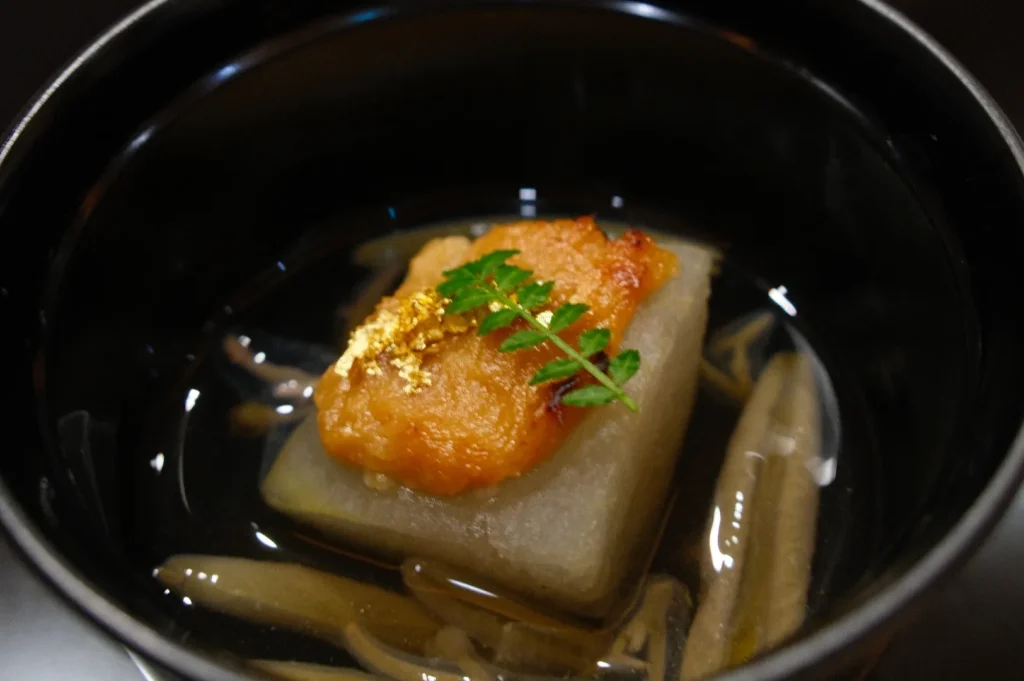
Many establishments attempt to offer consistency by locking in a fixed menu that remains unchanged throughout the year. While this might seem practical from an operational standpoint, it fundamentally limits the ability to source the finest ingredients at their peak. A fish that was exceptional in March may simply not be available, or may not meet the same standard, by August. Forcing a menu to remain static often means compromising on quality just to maintain uniformity.
This is one of the central reasons Sushi Masa by Ki-Setsu has built its entire dining experience around omakase rather than offering a fixed structure. By allowing the menu to evolve, Chef Masa retains the flexibility to reject ingredients that do not meet exceptional quality standards and instead select only what truly represents the best ingredients available on a given day. This approach naturally aligns with the values found in the Michelin Guide and other respected culinary recognitions, where seasonality and ingredient integrity are consistently regarded as markers of serious craftsmanship.
It is worth noting that this commitment to refinement also shapes what does not appear on the menu. Dishes such as overflowing ikura rice, often used as a visual gimmick in lower priced omakase settings, do not align with the considered, balanced approach favoured here. Every element of the course is designed to contribute meaningfully to the overall dining experience rather than serve as a spectacle.
The Role of Preparation Technique
Preparation technique plays an equally important role in honouring seasonal ingredients. Some seafood is best served raw, allowing its natural texture and flavour to remain entirely unaltered. Others benefit from being lightly torched, a method that releases subtle oils and intensifies sweetness without masking the ingredient’s essential character. Chef Masa’s approach to each piece is determined not by habit, but by what that specific ingredient, on that specific day, requires to reach its full potential.
This level of attentiveness is part of what distinguishes a genuinely considered omakase experience from a more formulaic one. Vegetables, too, receive this same careful consideration, with young bamboo shoots and other seasonal produce selected to complement rather than compete with the seafood course.
Discovering the Best Omakase Through the Seasons
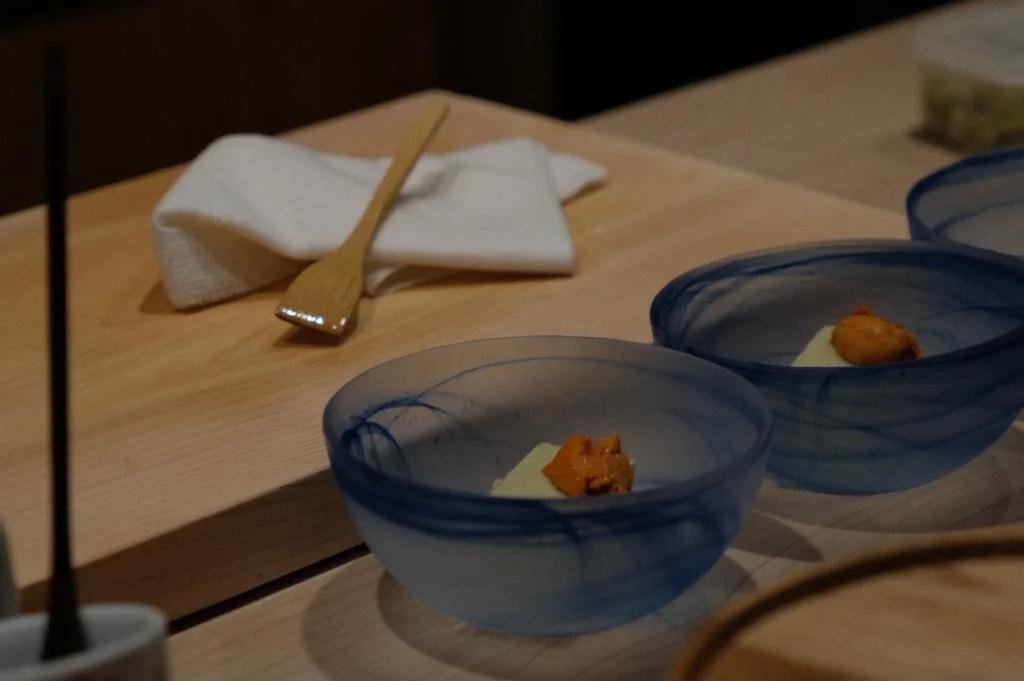
For those seeking the best omakase experience, understanding the role of seasonality offers a useful lens through which to appreciate what is being served. Each visit becomes an opportunity to encounter ingredients at a specific, fleeting moment in their availability, something that simply cannot be replicated by a fixed menu.
This is the quiet promise behind every course served at Sushi Masa by Ki-Setsu. The dining experience is shaped not by convenience, but by a continuous pursuit of freshness, quality, and respect for the natural rhythm of the seasons. Guests who return throughout the year often find themselves encountering an entirely different array of flavours, a reflection of how seriously this philosophy is upheld.
We invite you to experience this evolving approach to omakase dining for yourself. Whether it is your first visit or your tenth, there is always something new to discover at Sushi Masa by Ki-Setsu, guided by Chef Masa’s expertise and an unwavering commitment to seasonal excellence.