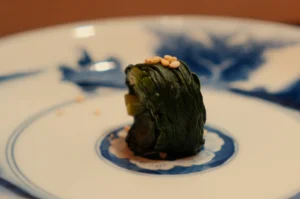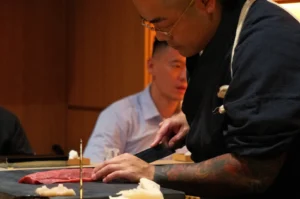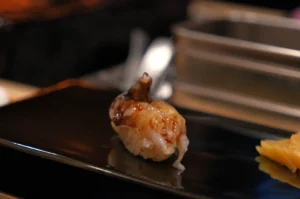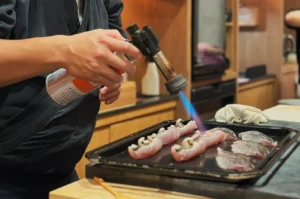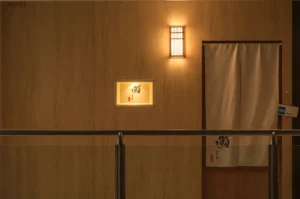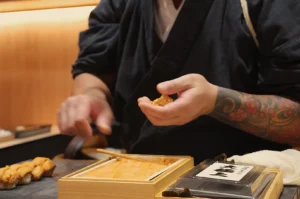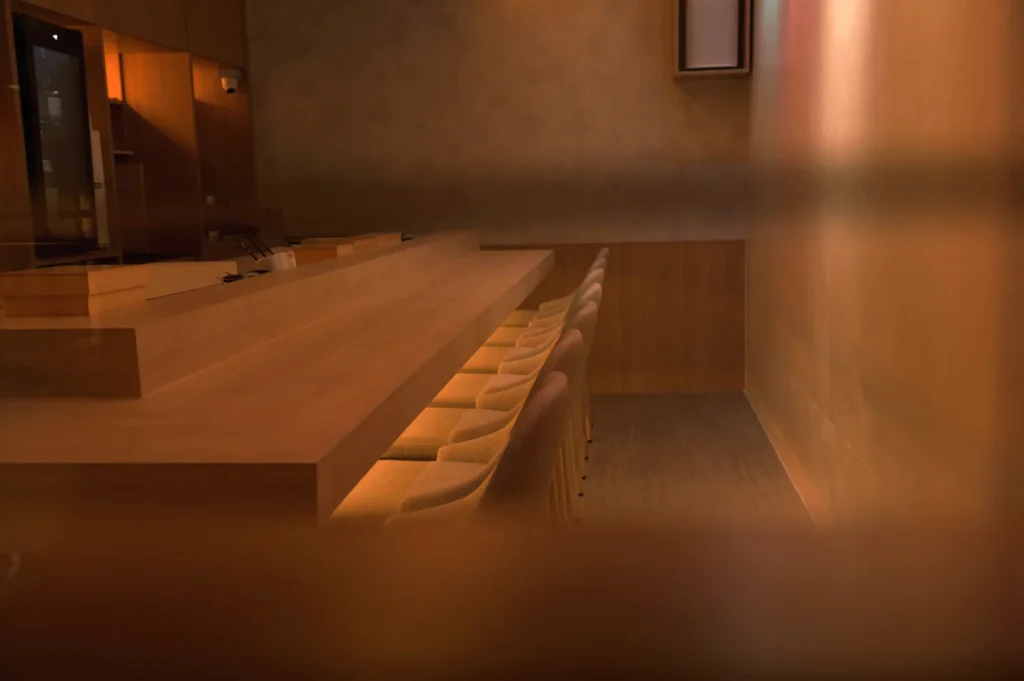
There is something quietly transformative about stepping into a private dining room after a long day. The noise of the outside world fades, the lighting softens, and the evening begins to feel less like a meal and more like an occasion. At Sushi Masa by Ki-Setsu, the spirit of a private omakase room has become something of a discovery for guests who once thought private dining was reserved for special occasions alone.
Regulars know better. They understand that the right private setting can turn an ordinary Tuesday into a memorable evening, and that the difference between a good meal and an unforgettable dining experience, even within the Singapore omakase scene, often comes down to a handful of details most diners never think to ask about.
What a Private Dining Room Actually Changes About the Meal
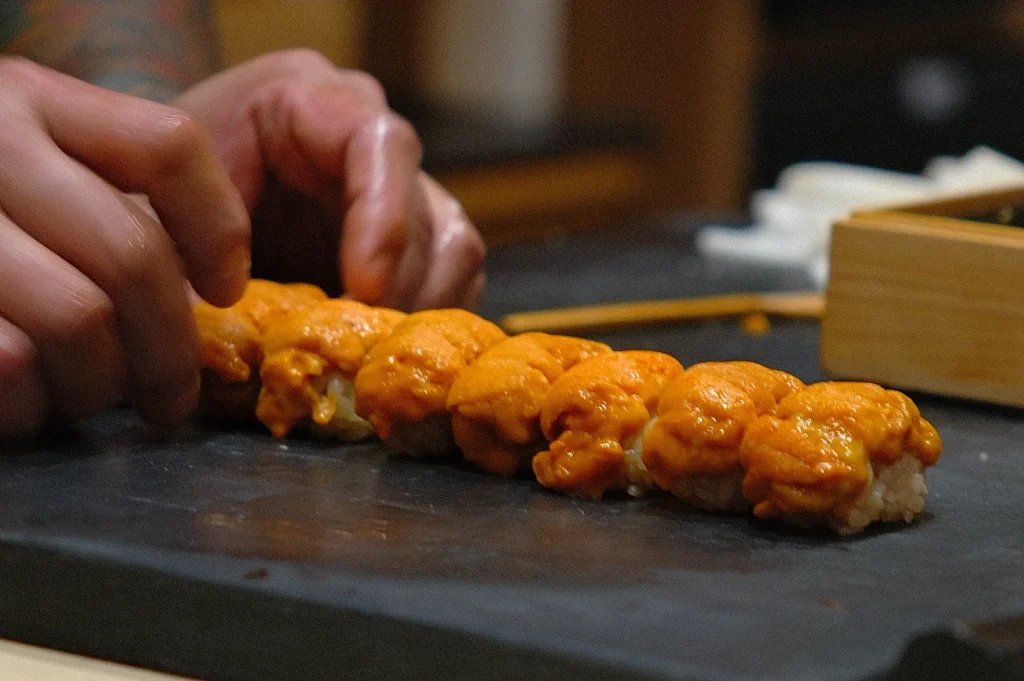
A busy restaurant has its own charm, full of conversation and movement, but it rarely allows guests to slow down and notice the details. A private dining room strips away the distractions. The focus shifts entirely to the food, the conversation, and the people sharing the table. This is particularly true of Japanese dining, where pacing and presentation are as important as flavour, and where the room itself is treated as part of the meal rather than a backdrop to it.
At Sushi Masa by Ki-Setsu, the omakase experience is built around this idea of intimacy. Each course is timed, plated, and served with intention, and a private room simply allows that intention to be felt more clearly. Guests are not competing for attention or rushing through courses. There is space to relax, to ask questions, and to appreciate the chef’s artistry without interruption.
What the Natural Materials Are Really Doing
Many of our regulars mention the atmosphere before they mention the food, and there is a reason for that. Natural materials such as timber, stone, and washi paper create a calm visual rhythm that complements the precision of the dishes.
Clean lines and understated decor are not accidental choices. They reflect a broader Japanese culinary tradition in which the dining room is treated as an extension of the kitchen itself, designed to support rather than distract from the meal, and the result is a perfect atmosphere that guests feel before they can quite explain why.
Why Business Meetings and Family Celebrations End Up Here
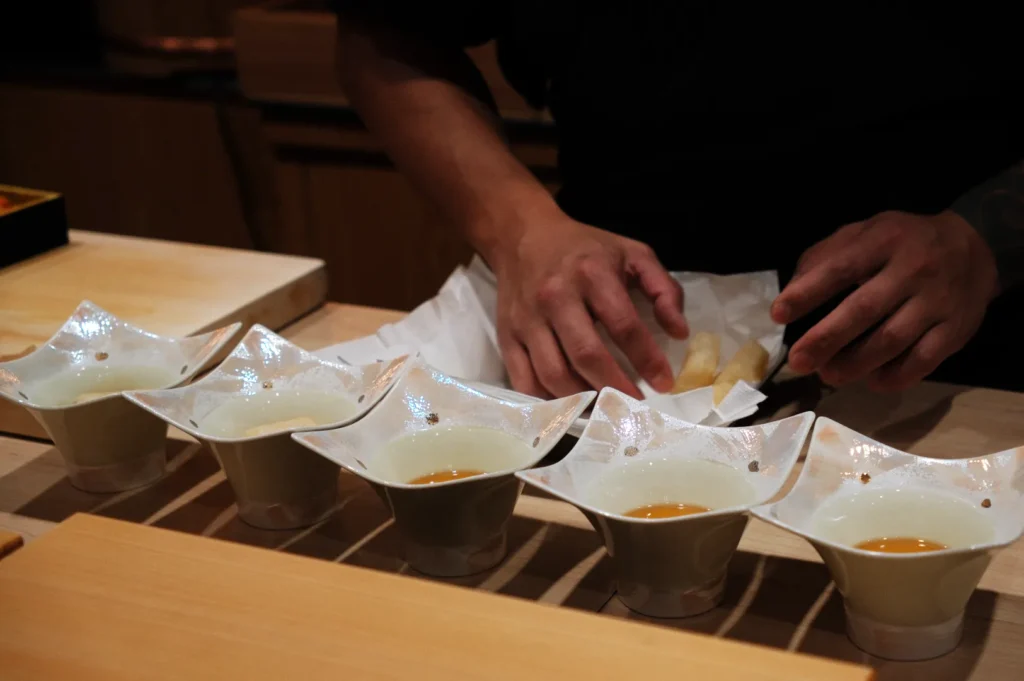
It is easy to assume that a private dining experience is only for milestone celebrations, but the reality is far more varied, and regulars rarely book for the reasons newcomers expect.
Business dinners benefit enormously from a private room, where sensitive conversations can take place without the worry of being overheard. Business meetings that extend into the evening often find that a relaxed, private setting encourages a different kind of dialogue, one less formal than a boardroom but still productive.
For a closer look at how this plays out in practice, our article Eight Seats, One Intention: A New Standard for Corporate Dining in Singapore explores why more companies are choosing this kind of setting over the traditional boardroom dinner.
- Family celebrations and intimate gatherings are equally common reasons to book.
- Anniversaries, in particular, seem to suit the slower pacing of an omakase experience, where each course gives a couple time to talk between bites.
- Friends marking a small achievement, or simply seeking an evening away from the usual routine, also find that a private room gives the gathering a sense of occasion without unnecessary formality.
Groups arrive for different reasons, but the common thread is a desire for a space that can accommodate conversation as comfortably as it accommodates a tasting menu. A private dining room allows the chef to focus attention on a smaller number of diners, which in turn allows for a more personalised culinary journey than would be possible in a larger, busier setting.
How Special Requests Get Handled Without Anyone Noticing
Many diners do not realise that a private room also makes special requests easier to manage. Dietary preferences, seating arrangements, or simply a request for a quieter pace can all be communicated and accommodated more smoothly when the chef is working with one table rather than many.
At Sushi Masa by Ki-Setsu, Chef Masa is able to adjust the rhythm of service to suit the group, something that becomes far more difficult once a restaurant has many diners to attend to at once.
The Omakase Experience Most Diners Never Fully Notice
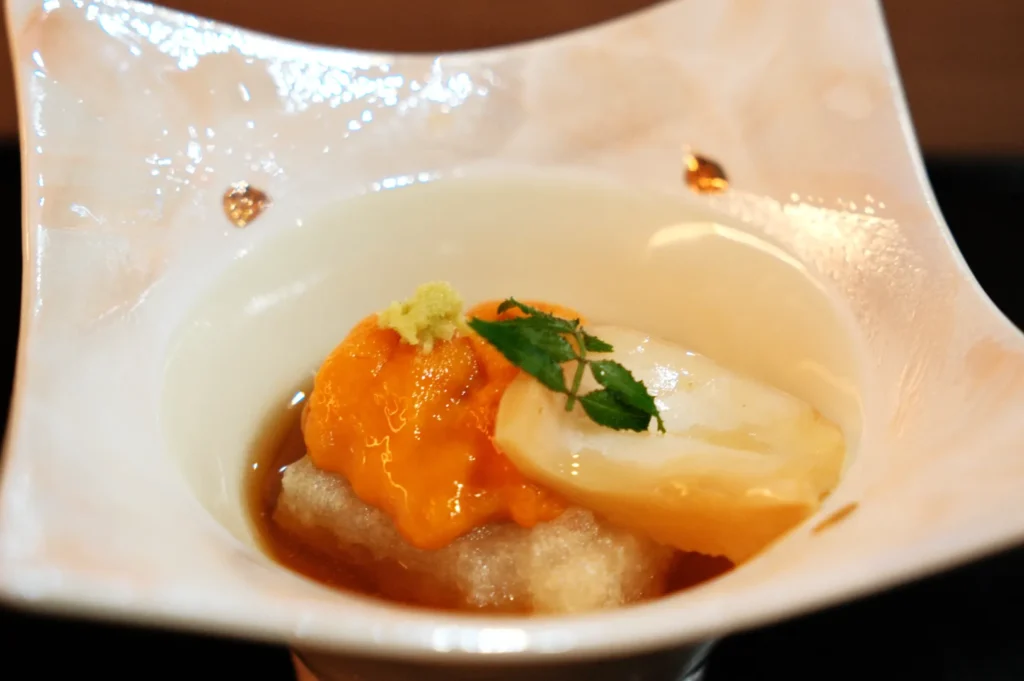
Omakase, which translates loosely to “we leave it to you,” is built on trust between the chef and the guest. There is no menu to scan, no decisions to agonise over. Instead, each course unfolds as a deliberate culinary journey shaped by what is freshest that day. This philosophy sits at the heart of Sushi Masa by Ki-Setsu, where the entire dining experience is structured around a single, evolving narrative rather than a fixed list of options, and where the sequence itself is part of the craftsmanship.
Edomae style sushi, the tradition our chef draws from most closely, relies on techniques developed generations ago in old Tokyo: curing, marinating, and lightly aging fish to draw out depth of flavour rather than relying on freshness alone. It is a slower, more deliberate approach than many guests expect, and it rewards patience. A private room gives that patience room to breathe, allowing guests to notice the subtle differences between one piece of sushi and the next.
Why Toyosu and the Freshest Ingredients Decide the Menu First
The quality of any omakase experience begins long before the chef picks up a knife. Sourcing is everything. Sushi Masa by Ki-Setsu places great importance on selecting freshest ingredients through Toyosu, the renowned market that has become the centre of Japan’s seafood trade.
Seasonal ingredients dictate much of what appears on the table, since the philosophy of Japanese cuisine has always favoured working with what the season provides rather than forcing consistency through imported or out of season produce.
This is one reason no two visits are ever quite the same. A guest who returns a few weeks later may find an entirely different sequence of courses, shaped by what the market offered that week. Regulars often say this is part of the enjoyment, since it transforms each visit into a fresh discovery rather than a repeat of the last.
Inside the Private Dining Experience Few Guests Talk About
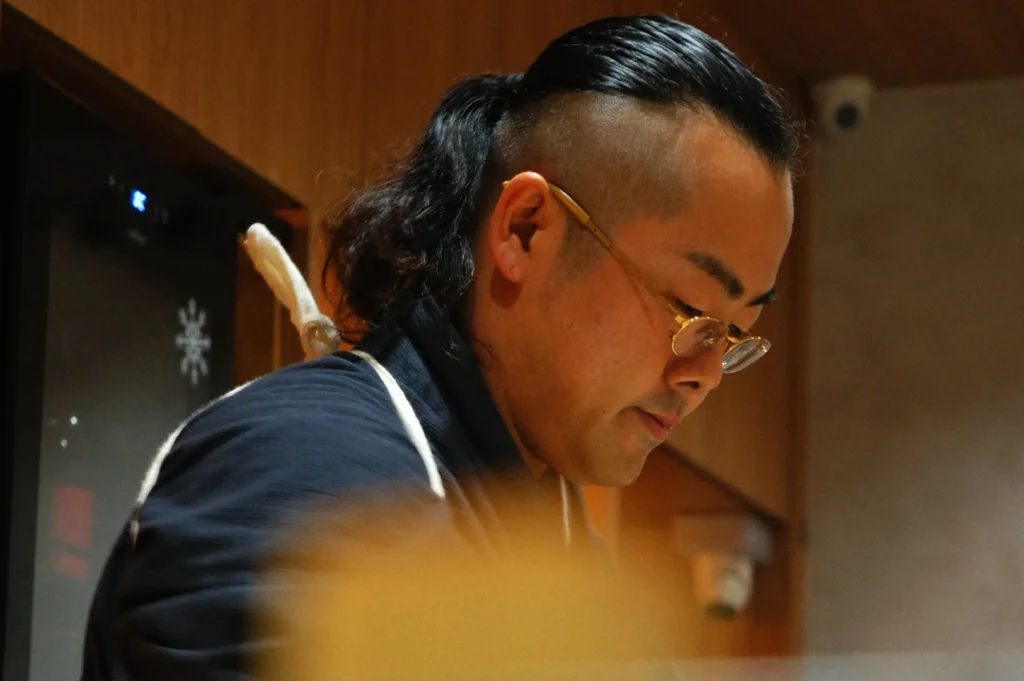
A perfect atmosphere is not simply about lighting or furniture, though both matter. It is about the sense of care that runs through every part of the evening, from the moment guests are welcomed to the final course. Hospitality, in the Japanese sense, is about anticipating needs before they are spoken aloud. This is something Chef Masa takes seriously, treating each table not as a transaction but as a small act of trust.
A sushi bar setting allows guests to watch this hospitality unfold in real time, observing the precision of each cut and the calm confidence with which dishes are prepared. For guests who prefer a more private setting, the same care is simply extended into a quieter room, away from the open counter but no less attentive.
Why Conversation Flows Differently in This Kind of Dining Room
One of the quiet benefits of a private dining room is how naturally conversation flows within it. Without the noise of a wider restaurant, guests find themselves more present, more attentive to each other and to the meal in front of them. This is particularly valued during family celebrations, where multiple generations might be gathered around the same table, or during a business dinner where a calmer setting helps build rapport.
What First Time Guests Are Never Told Before Their Culinary Journey Begins
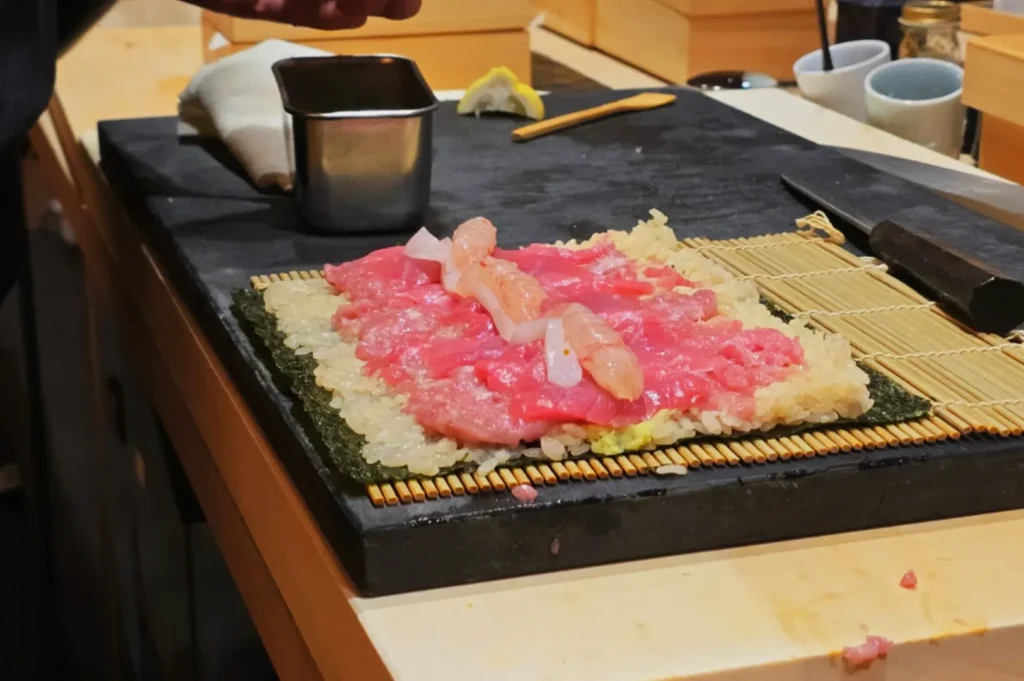
A visit typically unfolds over a sequence of courses, each introduced with a brief explanation from the chef. This is not a formality. Chef Masa believes guests enjoy their food more fully when they understand the thinking behind it, whether that is the origin of a particular fish, the curing method used, or the reason a certain cut was chosen for that evening’s menu. It is a small gesture, but one that reflects the broader hospitality woven into every aspect of the experience.
Because the restaurant operates on a single omakase model rather than an extensive menu, there is no pressure to make decisions throughout the evening. Guests are free to relax, trusting that each course has been considered carefully. This approach removes a layer of decision fatigue that can sometimes distract from genuine enjoyment, allowing the focus to remain entirely on the food and the company at the table.
It is worth noting that booking ahead is recommended, particularly for a private room, as space is limited and reserved on a first come basis. Many guests planning a special occasion, whether a family celebration or a smaller gathering with friends, find it helpful to contact us in advance to discuss preferences or special requests.
The Pacing Mistake Newer Diners Tend to Make
One mistake newer diners sometimes make is rushing through an omakase experience as though it were any other meal. The courses are designed to be eaten in sequence, often at the precise moment the chef presents them, while temperature and texture are at their best. A private room helps guests embrace this pacing naturally, without the pressure of a busy dining room moving around them.
Why This Personalised Culinary Journey Suits Intimate Gatherings Best
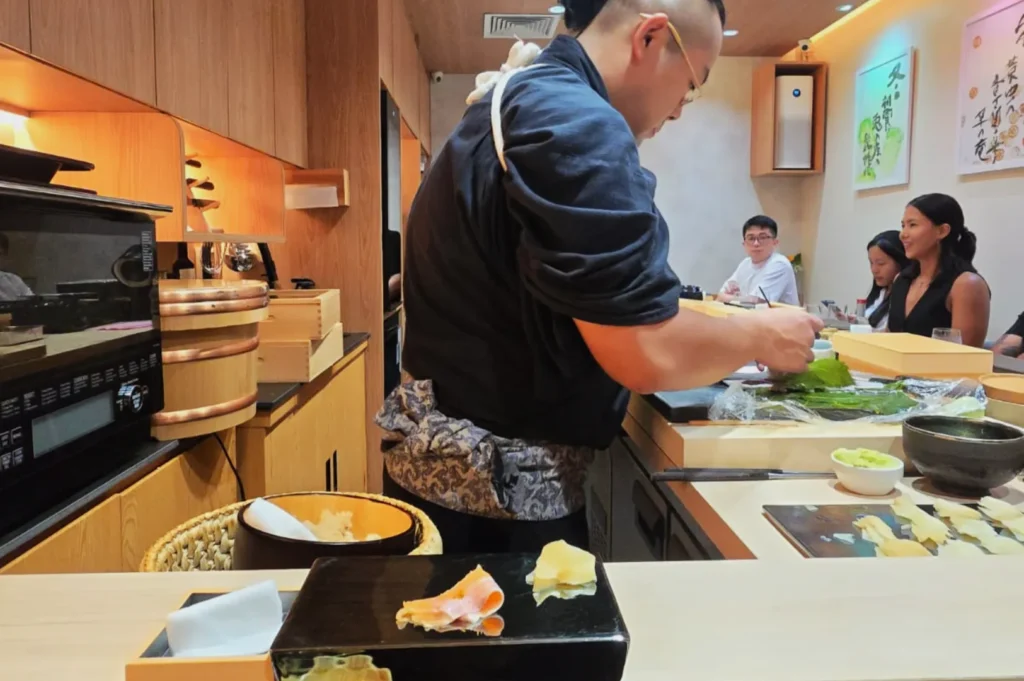
Not every meal calls for a personalised culinary journey, but intimate gatherings often benefit the most from one. A small group sharing an extended evening together tends to enjoy the slower reveal of an omakase sequence far more than a quick, predetermined order would allow. Each course becomes a small point of conversation in itself, a reason to pause and compare notes before the next dish arrives.
This is part of why intimate gatherings at Sushi Masa by Ki-Setsu tend to run longer than guests expect, in the best possible way. The pacing of the courses, combined with the privacy of the room, creates a natural rhythm for conversation that larger or more formal dining settings rarely achieve. Regulars often comment that the evening feels shaped around them rather than the other way around, which is, in many ways, the entire point of omakase.
What an Evening at Sushi Masa by Ki-Setsu Really Comes Down To
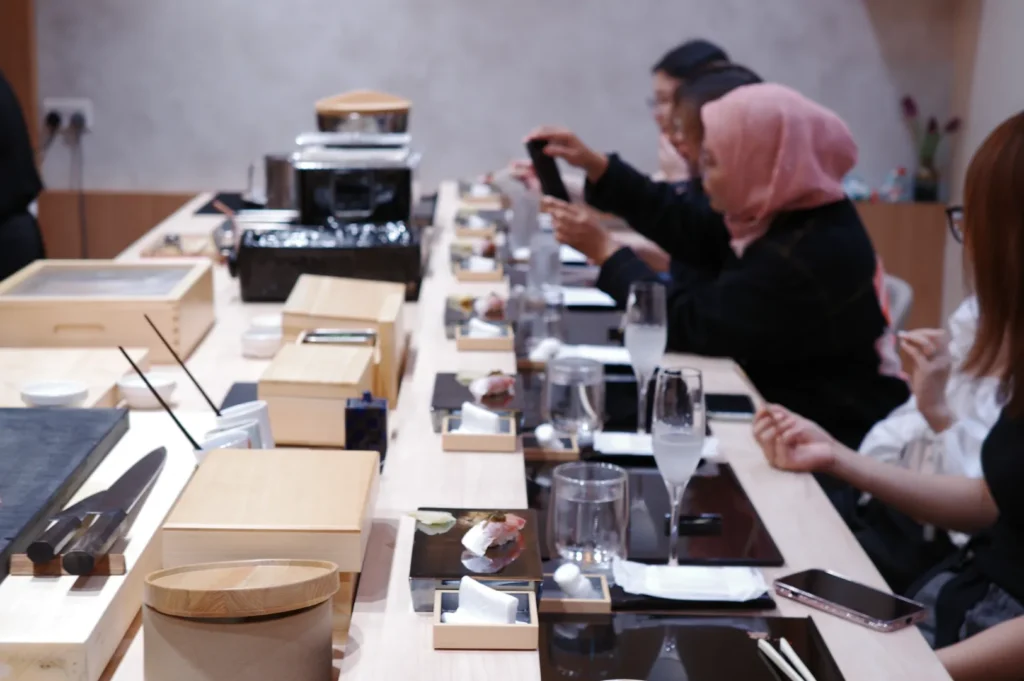
A private omakase room is more than a quiet corner of a restaurant. It is a deliberate setting designed to support the full range of what Japanese cuisine can offer, from the precision of Edomae technique to the quiet hospitality that defines a great dining experience. At Sushi Masa by Ki-Setsu, this philosophy shapes everything from ingredient sourcing through Toyosu to the calm, considered atmosphere of the dining room itself.
Whether the occasion calls for an intimate anniversary dinner, a thoughtful business meeting, or simply an evening spent discovering new tastes, a private setting offers a kind of attentiveness that is difficult to replicate elsewhere. Chef Masa’s approach to omakase rewards guests who are open to the unexpected, who trust the rhythm of the courses, and who appreciate the craftsmanship behind every dish.
We invite guests who have yet to experience our private dining room to discover it for themselves. Reach out to reserve a table, and allow Chef Masa to guide an evening shaped entirely around seasonal ingredients, time honoured technique, and genuine hospitality.