Omakase is often misunderstood. Many diners assume it means a premium Japanese meal, or a fixed tasting menu with a higher price. It is neither.
The word means “I leave it up to you.” That single phrase holds the whole idea. You do not choose the menu. You choose to trust the chef.
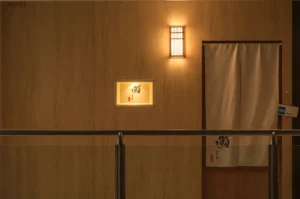
At Sushi Masa by Ki-setsu, that trust sits at the centre of everything. Chef Masa leads the experience from behind an eight-seat counter at Cuppage Plaza, near Orchard Road. Seafood-focused. Dinner-only. Guided by the seasons of Japan.
Here is how he defines omakase, and why it matters for diners seeking an intimate omakase experience in Singapore.
Omakase Is a Format, Not a Price Tag
A tasting menu is set in advance. The dishes are decided, printed, and repeated night after night. Omakase works differently.
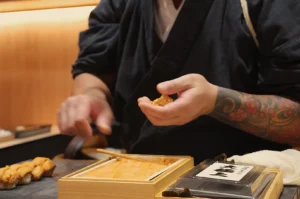
There is no fixed script. The chef decides the sequence. The chef decides the pacing. The chef decides how each ingredient is expressed on a given evening.
This is the key contrast. Most people think omakase means “expensive Japanese food.” What it really means is a meal shaped in real time by the person in front of you.
Key takeaways:
- Omakase is a dining format built on trust, not a set menu.
- The chef controls sequence, pacing, and expression.
- No two evenings are exactly alike.
Trust Sits at the Counter
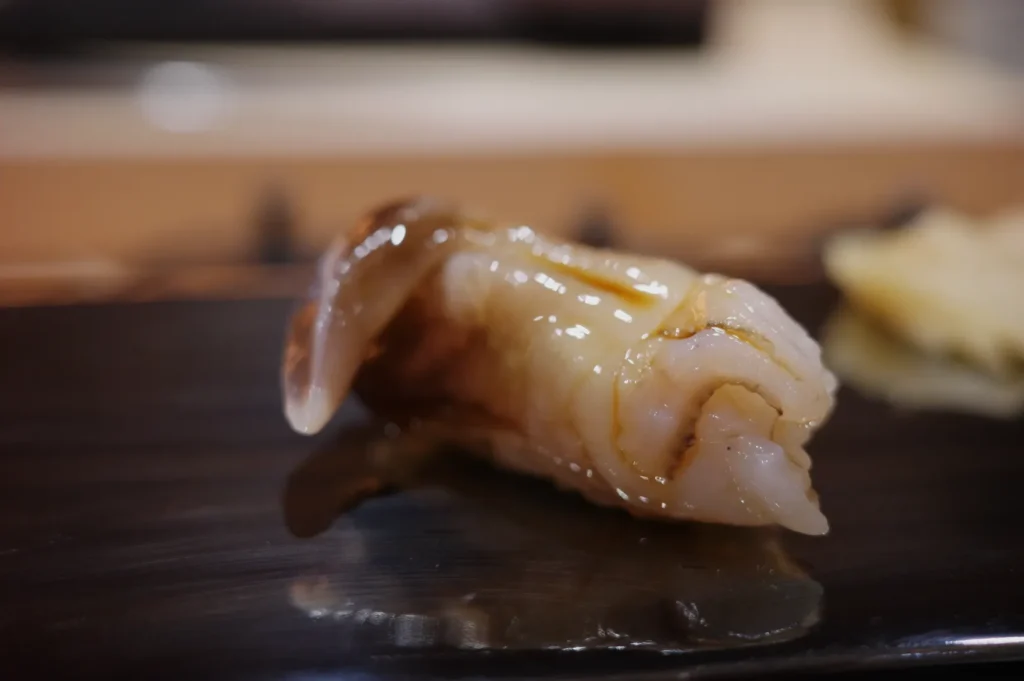
The eight-seat counter is not a design choice for atmosphere alone. It is the reason omakase works.
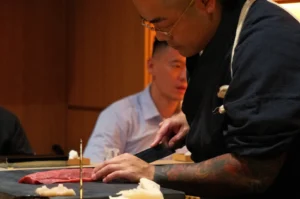
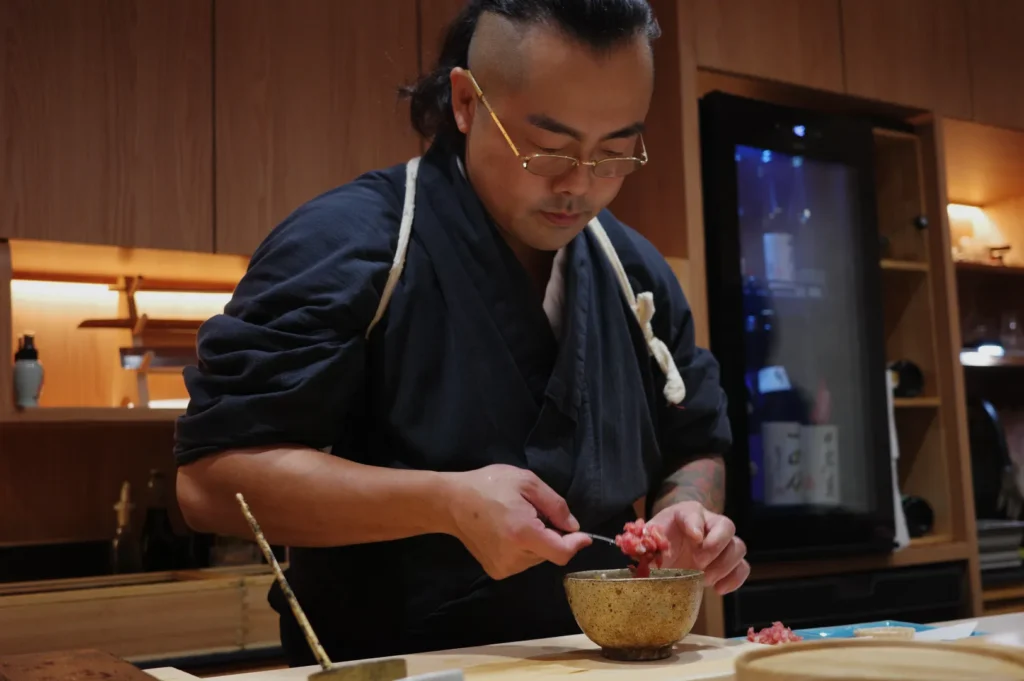
From this close range, Chef Masa can read the room. He notices how quickly you eat. He senses when to slow down and when to move forward. He responds to each guest, one plate at a time.
This direct interaction is something a printed menu cannot offer. It turns a meal into a quiet conversation between chef and guest. You are not served from a distance. You are guided, in person, through the evening.
Eight seats mean fewer distractions. Only presence. Only the work in front of you.
Seasonality Shapes Every Choice
Japanese cooking follows the idea of shun, the moment an ingredient is at its natural peak. Chef Masa builds the omakase around this principle.
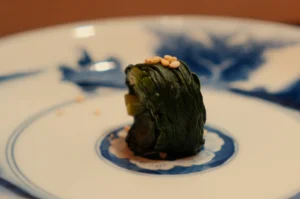
Seafood arrives from Japan, chosen by season rather than habit. What appears at the counter in one month may be gone the next. This is intentional. The menu shifts because nature shifts.
For the diner, this means the experience reflects a specific time and place. You taste the season, not a standard list. The ingredients decide much of what the evening becomes.
Why this matters:
- Seasonal sourcing keeps flavour honest and true to origin.
- The menu changes with the calendar, not the marketing plan.
- Each visit reflects the moment you arrive.
Quality and Timing Do the Quiet Work
Ingredient quality is the foundation. Without it, no technique can compensate. Chef Masa’s focus on seafood flown from Japan reflects a simple belief: the fish must be right before anything else can be.
But quality alone is not enough. Timing carries equal weight.
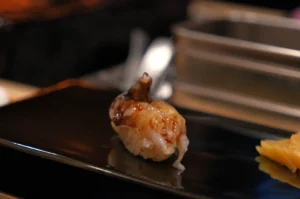
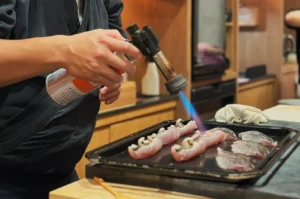
Rice is served at the temperature it should be. Fish is placed the moment it is ready, not before. A piece prepared with care can lose its character if it waits too long on the plate. So it does not wait.
This is where the chef-led format proves its value. Because Chef Masa controls the pacing, each element reaches you at its best. Sequence and timing become part of the flavour itself.
Chef Masa as the Person Behind the Philosophy
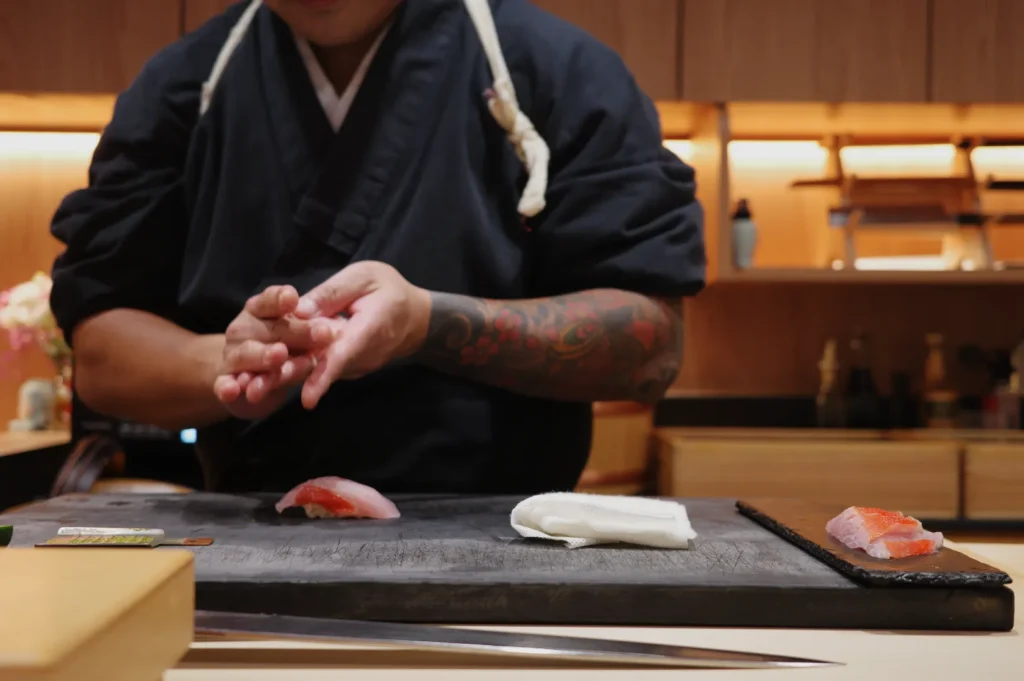
Omakase depends on the individual. Remove the chef, and the format falls apart.
Chef Masa’s story is built on decades immersed in omakase tradition. His approach is grounded rather than showy. There is no spectacle at the counter, no performance for its own sake. Only intention.
Every piece is selected, prepared, and placed with purpose. The stillness is deliberate. That steadiness is what allows trust to form between chef and guest.
At Sushi Masa by Ki-setsu, the philosophy is not abstract. It lives in the hands of one person, working within reach of every guest. This is why the experience feels personal. It is personal.
What to Expect When You Sit Down
If you are new to the format, a few things help set the right frame of mind:
- Come without a fixed plan. You are trusting the chef with the evening.
- Eat when the plate is ready. Timing is part of the meal.
- Slow down. The pace is set with intention, not urgency.
- Stay present. With eight seats, there is little between you and the craft.
The reward for this trust is a meal that belongs to that single night, shaped by the season, the ingredients, and the chef’s judgement in the moment.
A Quiet Definition
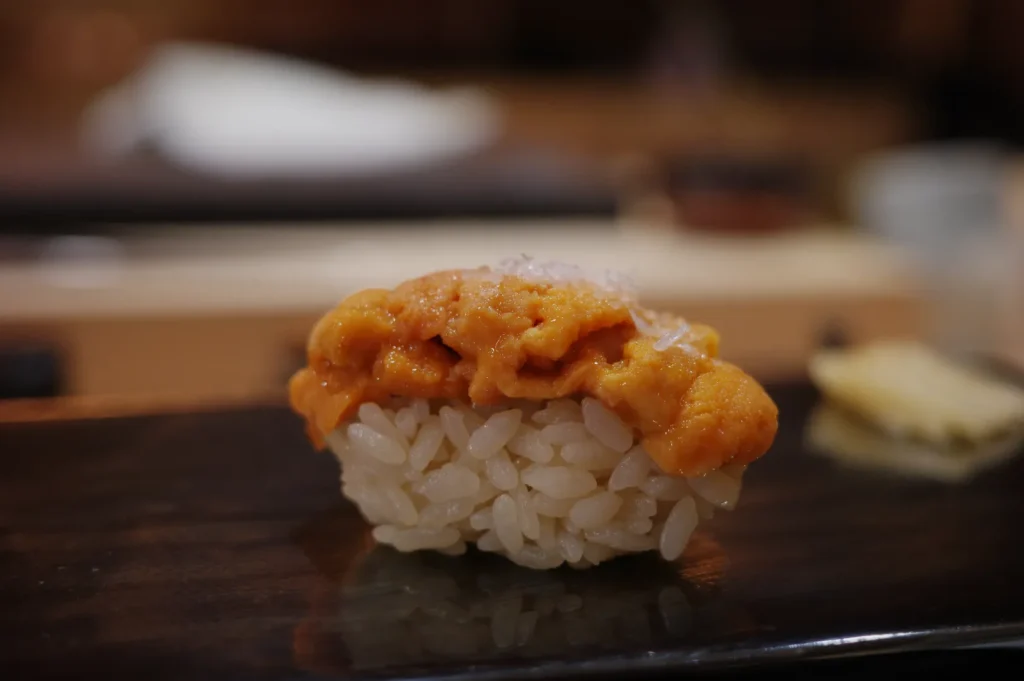
Chef Masa defines omakase not by luxury, but by trust. Seasonality guides the ingredients. Quality sets the standard. Timing and sequence carry the flavour. Direct interaction at the counter holds it all together.
That is the difference between a tasting menu and true omakase.
If you would like to understand the format by experiencing it, a seat at the eight-person counter at Cuppage Plaza is where the definition comes to life. Reserve an evening, and let the chef lead.