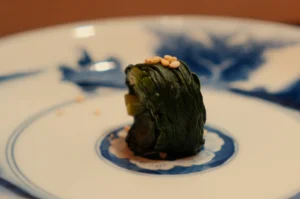
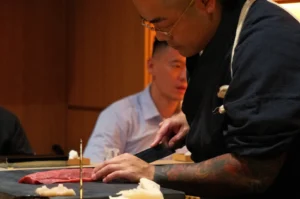
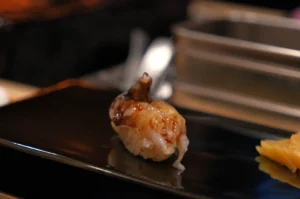
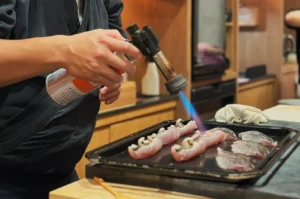
The world of premium Japanese cuisine is built upon a profound dedication to detail, timing, and ingredient integrity. For many discerning guests stepping into a Japanese restaurant, the terms Japanese omakase and kaiseki represent the absolute pinnacle of fine dining.
However, a common misconception persists that these two culinary traditions stand as polar opposites. One is often perceived as an impromptu creation at a lively counter or bar, while the other is seen as a rigid, highly structured multi-course banquet.
In reality, they are deeply harmonious interpretations of the exact same principle: precision. Whether a chef is meticulously calibrating the temperature of vinegar-seasoned rice or arranging a seasonal flower on a handcrafted ceramic plate, both formats aim to provide an unforgettable dining experience.
At Sushi Masa by Ki-Setsu, we believe that understanding the structural philosophy behind these two formats enriches your appreciation of traditional hospitality. By exploring how each format handles seasonal seafood, structure, and guest interaction, we can begin to see how they converge under the overarching umbrella of culinary mastery.
The Architectural Blueprint vs The Fluid Conversation
When you examine the structural differences between these two concepts, it helps to look at them through the lens of format flexibility.
A classic kaiseki dining experience is essentially a beautifully scripted narrative. Every single dish, from the opening appetiser to the final seasonal dessert, is predetermined long before the first diner sits down. This fixed menu operates much like a multi-act play, where every movement is explicitly designed to mirror a highly specific seasonal theme.
An omakase course, by contrast, thrives on a dynamic, fluid conversation between the master craftsman and the guest. While the chef has selected the finest ingredients from the morning market, the exact progression of the evening is guided by real-time observation.
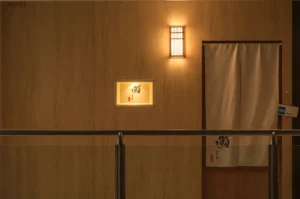
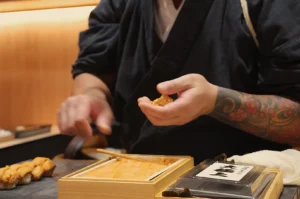
At our intimate eight-seat counter or bar, our chef watches how a guest reacts to a particular piece of seasonal sashimi or how quickly they enjoy a delicate slice of tuna. This close proximity allows for immediate adjustments in seasoning, pairing, or pacing, transforming the evening into a living, breathing culinary journey.
| Feature | Kaiseki Tradition | Counter Omakase Dining |
|---|---|---|
| Menu Structure | A highly structured, predetermined fixed menu with distinct ritualistic categories. | A fluid, progression-based sequence designed in real time by the singular chef, often presented as omakase sets. |
| Seating Arrangement | Often served in private dining rooms or structured main dining rooms. | Focused entirely around immersive counter seating directly facing the master craftsman or bar. |
| Pacing Control | Determined entirely by the kitchen staff based on a traditional multi-course timeline. | Adjusted continuously based on how individual diners interact with each item. |
| Primary Theme | A holistic celebration of nature, poetry, and classical cooking techniques. | A deep exploration of seafood mastery, ingredient freshness, and technical precision. |
Designing a Classic Dinner Omakase Menu

To truly understand how an omakase experience captures the heart of Japanese cuisine, one must look at the immense discipline required to construct a proper dinner omakase menu.
Unlike other places that offer high-volume lunch courses or all-day operational models, a premium evening service requires an entire day of solitary preparation. The foundation of this style rests upon sourcing the absolute freshest seasonal ingredients, which are flown directly from Tokyo’s famed Toyosu Market to ensure unparalleled quality.
When the dinner starts, the sequence begins with delicate, unheated presentations before transitioning into complex cooked dishes. Our chef balances the clean, refreshing profiles of seasonal sashimi with hot dishes that showcase gentle steaming or grilling methods. This progression ensures that the palate remains entirely engaged throughout the night without experiencing fatigue, providing a good balance of flavors.
The Sourcing Philosophy: True luxury begins at dawn, long before our opening hours, as premium seafood is handpicked at the market in Tokyo based on daily catch conditions.
The Raw Progression: Initial courses highlight natural oceanic sweetness, featuring pristine cuts of seasonal sashimi and rich sea urchin served at precise cellar temperatures.
The Cooked Transition: Carefully timed hot dishes are introduced to warm the palate, utilizing clean dashi soup stocks that avoid low-priced fillers or heavy sauces. Occasionally, innovative preparations involving beef may be included to diversify the flavor profile and surprise guests.
The Main Act: The meal transitions seamlessly into traditional Edomae nigiri, where the focus shifts exclusively to the harmony of fish, rice, and masterful hand pressure.
The Sacred Balance of Sushi Rice and Delicate Seafood
At the core of any world-class sushi omakase is the absolute mastery of rice preparation. Many people focus purely on the fish, but our chef will tell you that the seasoned grain is what defines the quality of the restaurant. The temperature of the grain must match the ambient temperature of the human hand, ensuring that when it is pressed into a piece of nigiri, it yields effortlessly on the palate.
When pairing this seasoned base with a delicate topping like sea urchin, the craftsman must exercise flawless portion control. We avoid any flashy, modern gimmicks like overflowing portions or non-seafood additions, choosing instead to let the natural creaminess of the ocean treasures blend seamlessly with the bright acidity of our vinegar blend. This careful consideration ensures that every individual piece achieved at the sushi counter honors the strict, centuries-old standards of authentic Japanese cuisine.
Navigating the Nuances of the Singapore Context
In the vibrant Singapore context, finding an authentic sanctuary that preserves these timeless traditions can sometimes feel challenging.
Many traditional sushi restaurants are situated in historic commercial centers like Cuppage Plaza, where generations of food lovers have gathered to seek out hidden culinary gems. Over the years, the local dining community has developed a highly sophisticated understanding of premium Japanese omakase restaurants, with many venues receiving recognition in the prestigious Michelin Guide and earning coveted Michelin stars.
However, as the popularity of this dining style grows across the city, it is essential to distinguish between commercial high-volume venues and intimate, single-chef operations. True precision cannot coexist with generic promotional deals, lunch omakase menu packages, or crowded seating layouts.
When you book your seat at an exclusive counter or bar, you are choosing to step away from the noise of the commercial world to participate in a quiet, deeply focused ritual. Here, you can expect to eat a carefully curated sequence of omakase sets that showcase the best seasonal ingredients and innovative techniques.
Structural Differences in Premium Japanese Restaurants

While a dinner omakase focuses heavily on the singular artistry of the counter craftsman, a classical kaiseki meal distributes its focus across a wider variety of classical cooking techniques. A traditional kaiseki menu offers a specific series of historical dish classifications, which must be executed in a precise order to respect centuries of cultural etiquette.
Sakizuke: A seasonal appetiser that sets the tone for the entire evening, showcasing the chef’s creativity through subtle, delicate flavours.
Hassun: The thematic center of the meal, presenting a beautiful arrangement of small seasonal specialties that celebrate the current month.
Mukouzuke: A pristine selection of seasonal sashimi, sliced with exact geometric precision to highlight the natural texture of the seafood.
Futamono: A lid-covered dish, typically featuring a refined steamed preparation or an elegant hot dish infused with a rich, clear dashi broth.
Yakimono: A masterfully grilled course, focusing on a single premium seasonal ingredient cooked over traditional charcoal embers.
Honouring the Final Stages of the Evening Dining Experience
As any premium evening meal draws to its conclusion, the manner in which the final savory courses are handled reveals the depth of a restaurant’s commitment to traditional Japanese protocol. In strict adherence to classical standards, we never present a heavy or cloud-infused soup as an initial appetiser or starter. Instead, the final savory crescendo of the night is reserved for our signature miso soup.
This specific stage is meticulously cooked with sweet, flavorful clams, providing an ocean-forward, deeply satisfying finale that beautifully binds together all the delicate seafood profiles enjoyed throughout the evening. By serving this warm, comforting dish towards the end of the course, we allow diners to feel thoroughly settled, relaxed, and deeply nourished before moving into the final refreshing notes of our seasonal dessert.
Securing Your Preferred Seat for an Unforgettable Premium Evening

An exceptional dinner in Singapore is ultimately about the lasting memories created around an intimate table, and the profound feeling of being genuinely cared for throughout the night. Our doors are open to provide an unparalleled sanctuary of quiet luxury. Every detail of our service is intentionally designed to ensure you feel relaxed, valued, and thoroughly inspired by the timeless beauty of authentic Japanese craftsmanship.
Because we operate strictly on an exclusive dinner-only model to safeguard the absolute integrity of our daytime preparation, seats at our intimate counter or bar are highly limited and fill up well in advance. We completely bypass any generic promotional deals, lunch services, or high-volume models to maintain our focus on singular quality.
We invite you to note our current opening hours and counter availability on our official website to secure your preferred date. Allow Chef Masa to take you on a timeless, unforgettable culinary journey through the pure, uncompromised flavours of Japan at Sushi Masa by Ki-Setsu, one of the best omakase experiences you can prepare for in Singapore.