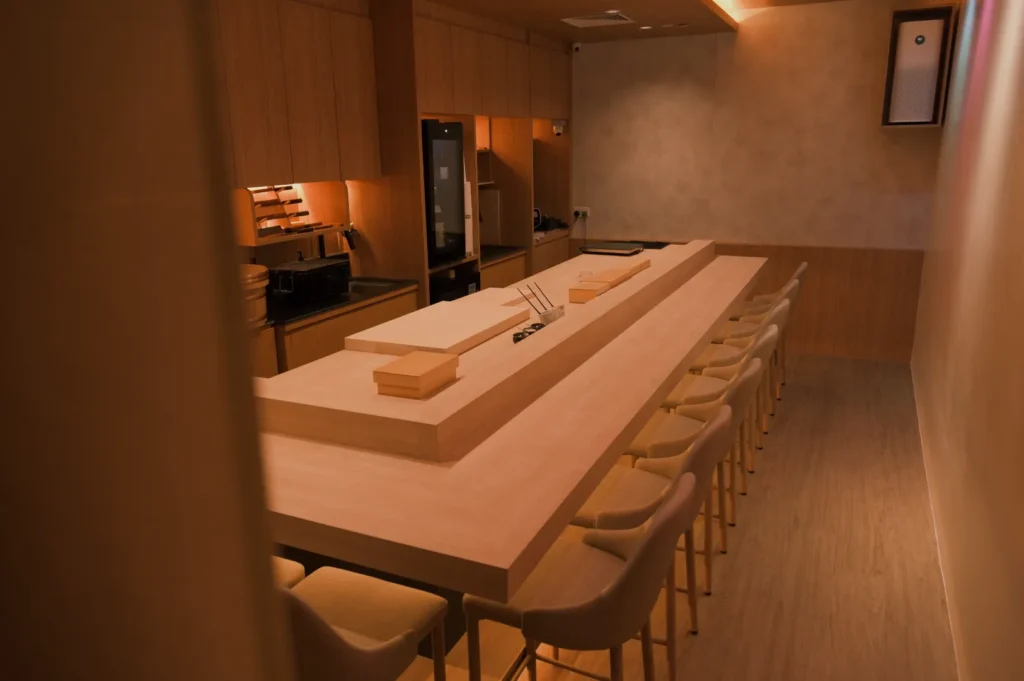
The counter at Sushi Masa by Ki-setsu holds eight seats and a certain stillness. But away from the hinoki wood and the quiet click of the knife, Chef Masa remains a diner too. In the second episode of Behind the Counter, he sets aside his own routines and travels to Bangkok, not to compare, not to judge, but to taste and to watch.
A Seat at a Local Table
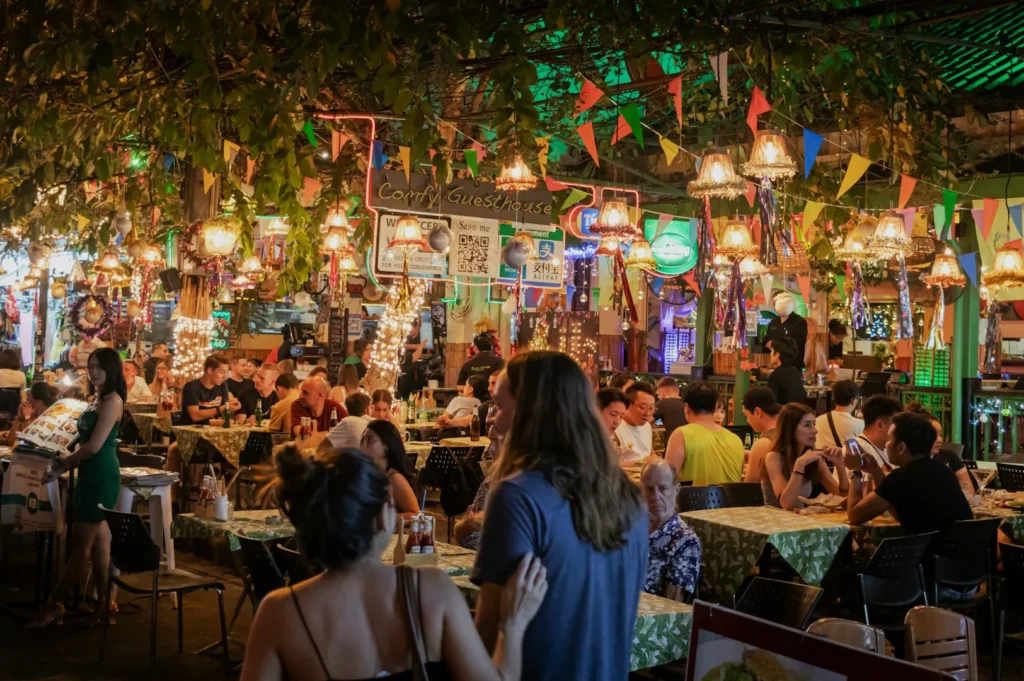
In Bangkok, Chef Masa settles into a local spot, the kind of place where the food speaks before anyone does. Asked what he would like to drink, he keeps it simple. Water. A small choice, but a telling one. It leaves the palate clear, ready to meet whatever arrives.
The setting is unpolished and alive. There is laughter at the table. There is the ease of people eating together, sharing plates rather than ceremony. For a chef used to the measured pace of omakase, this is a different rhythm entirely, and he meets it with openness.
Som Tum, and a First Taste of Heat
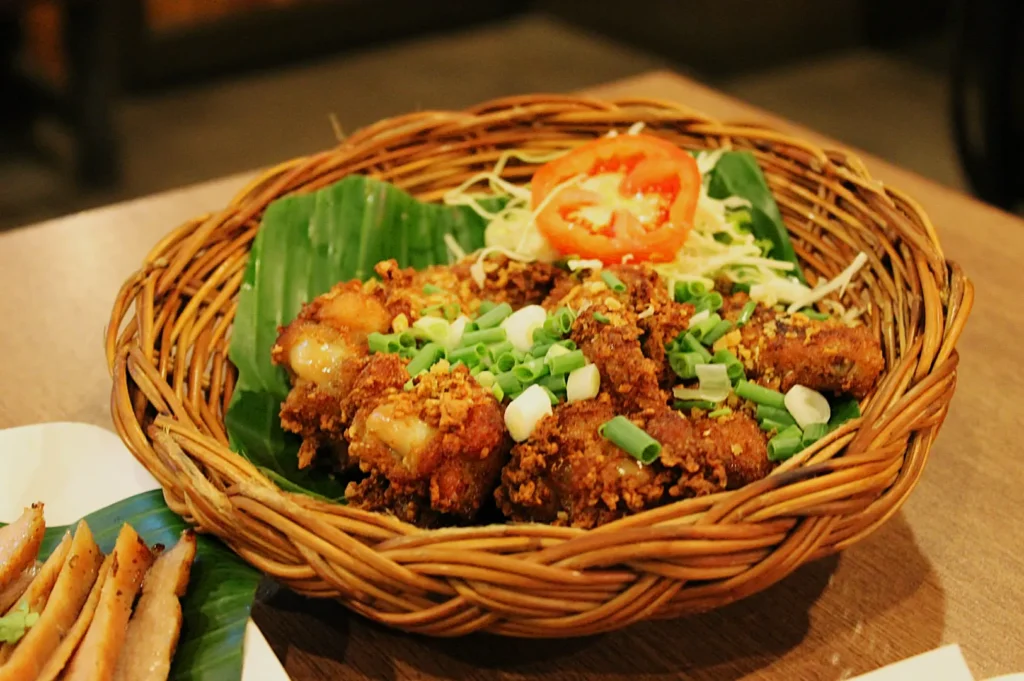
The dish that draws his attention is som tum, green papaya salad. Someone at the table offers the name, explaining what it means, and Chef Masa listens.
Then he tastes.
“Very good,” he says. “Right. Very good.” The heat follows quickly. “Very spicy. Very spicy.” He does not shy away from it. Instead, he notes what sits behind the burn: “A lot of flavour.”
That single observation says much about how he eats. Where sushi often works through restraint: salt, a whisper of wasabi, the clean line of a single ingredient: Thai cooking layers boldly. Chilli, sourness, sweetness and salt arrive at once, insistent and generous. Chef Masa does not resist the contrast. He registers it. He tastes the heat, and past it, he finds the flavour worth remembering.
Curiosity as Craft
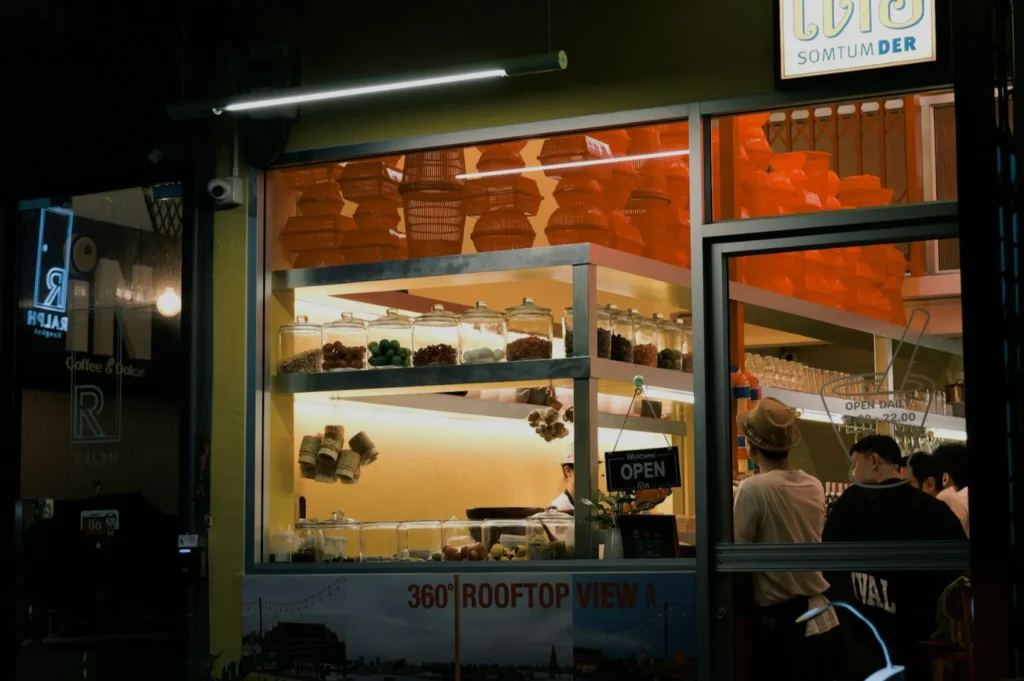
There is nothing performed about the moment. He is not there to declare a winner or to rank one tradition above another. He is there to understand how another kitchen thinks, how a papaya, a lime, a chilli can become a dish that carries so much in a single bite.
The episode closes with a promise. Next time, Chef Masa and the crew will go further, street food, izakayas, more of what Bangkok has to offer. The first taste, it seems, only sharpens the appetite for the next.
Why We Follow Chef Masa Beyond the Counter
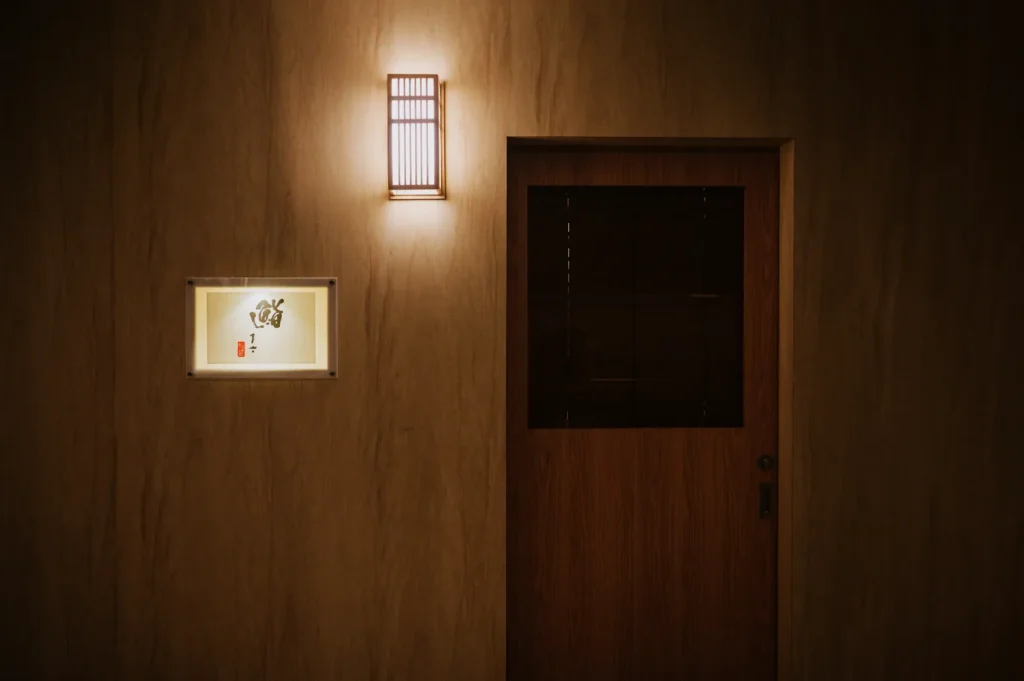
Behind the Counter exists because a chef never stops learning. Every meal eaten elsewhere, every flavour met for the first time, every table shared with strangers becomes part of how he sees his own work. To travel, to eat, to observe. This is not a break from the craft. It is the craft, continuing. And in these quieter moments, away from the counter, you meet the person behind Sushi Masa.