Enthusiasts of Japanese cuisine often find that the key to an unforgettable meal lies not in the menu itself. It begins long before a single plate reaches the table, in the early hours when fishmongers, farmers, and chefs select the day’s catch.
Singapore’s growing passion for Japanese cuisine has led diners to ask more about the origins of their food. At Sushi Masa by Ki-Setsu, we believe that ingredient sourcing is not a footnote. It is the entire story, especially for those seeking an authentic Japanese omakase Singapore experience.
Why Japanese Food Depends So Heavily on Sourcing
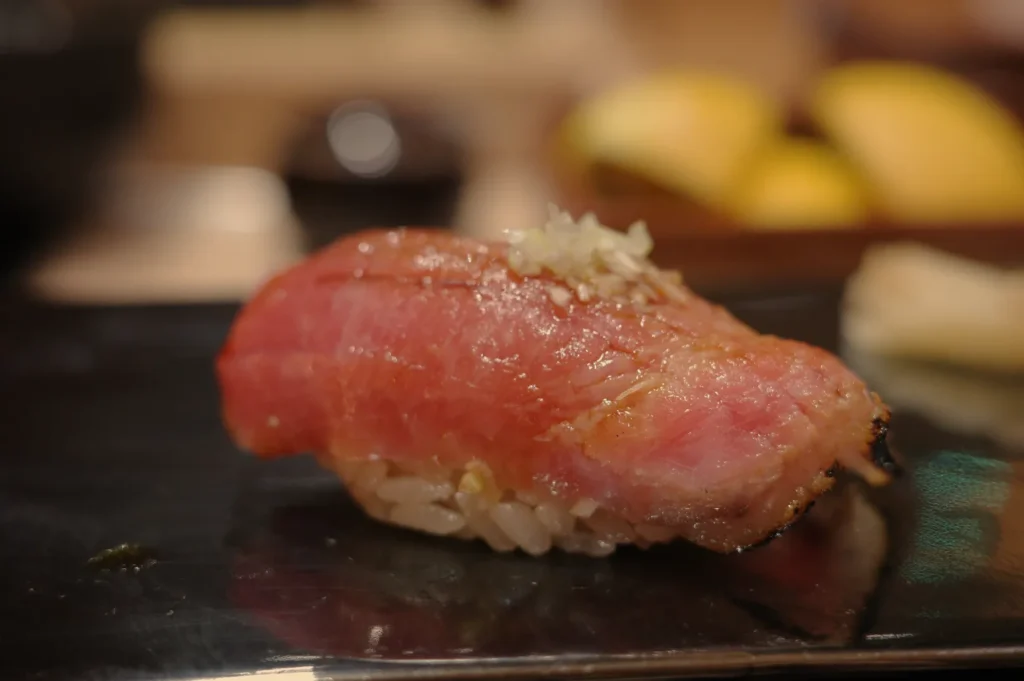
Japanese cuisine is often described as minimalist, and in many ways it is. A single piece of nigiri sushi has perhaps three components: rice, fish and a touch of seasoning. With so few elements on display, there is nowhere for a mediocre ingredient to hide. This is very different from cuisines that rely on layers of sauce, spice or slow cooking to build flavour. In Japanese dining, the ingredient itself carries the weight of the entire dish.
This is why chefs across Japan speak of “shun,” the idea that every ingredient has its own precise moment of peak flavour tied to Japan’s seasons. A cut of fatty tuna caught in winter tastes entirely different from the same fish caught in summer. Botan shrimp, sea urchin and salmon belly each have windows of a few short weeks when they are at their absolute best. A restaurant that understands and respects this rhythm is, in our view, already halfway to becoming a favourite Japanese restaurant for discerning diners.
Singapore’s Growing Love Affair With the Sushi Bar
Singapore offers one of the most vibrant Japanese dining landscapes outside Japan itself. From Raffles City Shopping Centre to Ngee Ann City, from Far East Plaza to Shaw Centre, from Millenia Walk to Palais Renaissance, from Mandarin Gallery to Holland Village, and from Chinatown Point to the quieter corner of Cuppage Plaza, a sushi bar is rarely more than a short walk away. Even around Marina Bay Sands, Thomson Plaza, International Plaza and Customs House, the appetite for good food with a distinctly Japanese soul continues to grow.
With so many options available, guests naturally begin comparing more than just price or ambience. They start asking whether the fatty tuna on their sushi platter was flown in that morning or sitting in storage for days. They start noticing whether a printed menu changes with the seasons or stays identical all year round. It is this growing awareness that has pushed ingredient sourcing to the centre of the conversation about what truly makes a memorable meal. Many Japanese restaurants also offer a la carte dishes alongside omakase menus, giving diners the flexibility to enjoy their favourites such as hearty meals or specialty items like wagyu don.
Tokyo’s Toyosu Market: The Engine Behind Every Great Plate
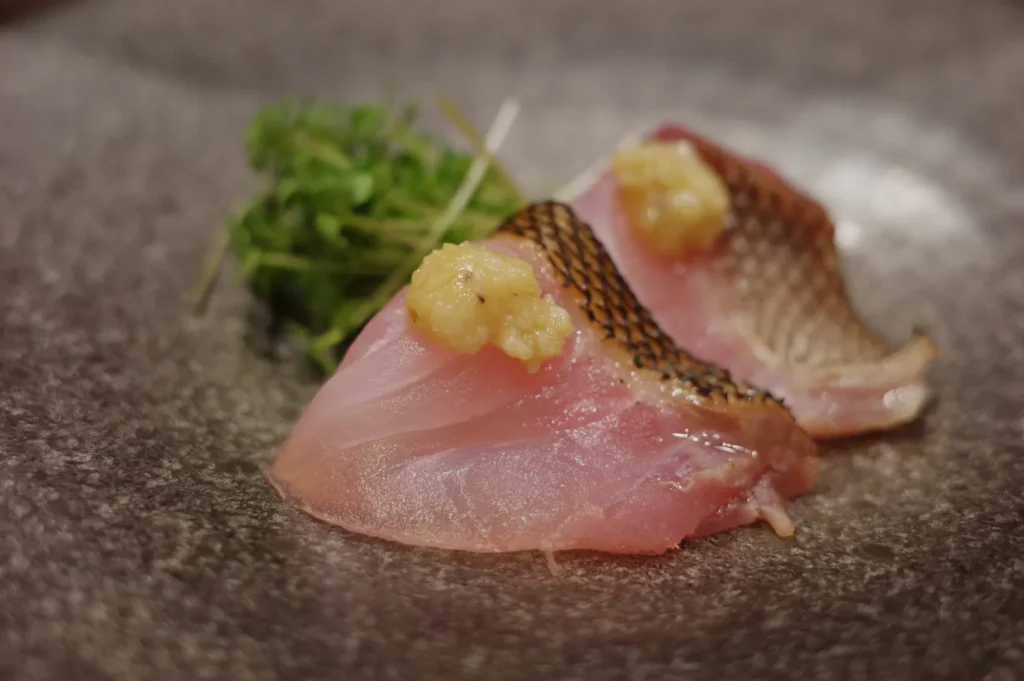
To understand serious sourcing, it helps to understand Tokyo’s Toyosu Market, the vast successor to the old Tsukiji grounds and one of the largest seafood markets in the world. Long before most of Singapore wakes up, auctioneers at Toyosu are already calling out bids on the freshest catches of the morning, from glistening Hokkaido uni to prized fatty tuna destined for sushi counters across the globe.
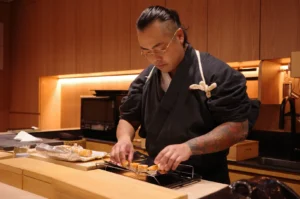
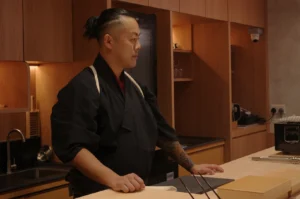
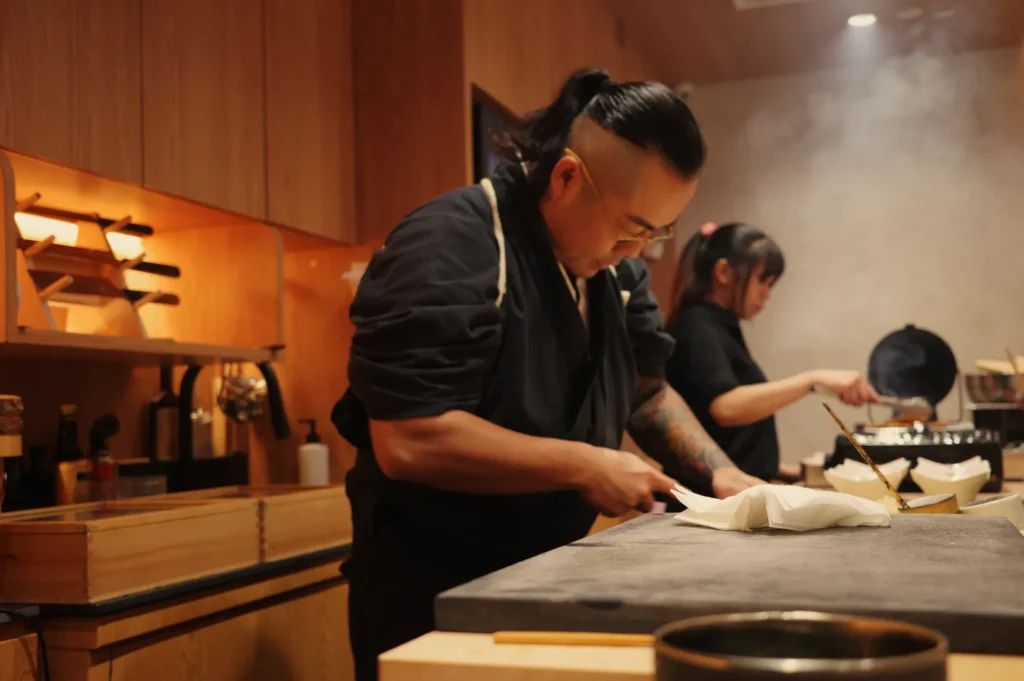
At Sushi Masa by Ki-Setsu, our ingredients are flown in daily from Japan, with much of our seafood sourced through the same networks that supply Toyosu Market. Chef Masa maintains close relationships with trusted suppliers so that what arrives at our eight-seat counter reflects, as closely as possible, what a discerning buyer would select in Tokyo that same morning. It is a small operation by design. There is no large brigade rotating through the kitchen, only Chef Masa, and that singular focus is precisely what allows such close attention to every ingredient that passes through his hands.
A Brief Detour Through Japan’s Culinary Landscape
Sourcing culture is not unique to sushi. Anyone who has stood before Kyoto’s Fushimi Inari Shrine and its endless vermilion gates, then wandered down into the city for a bowl of something warm, knows that Japan’s food culture runs far deeper than raw fish.
Steaming bowls of ramen with thick broth, springy noodles served dry or in a rich dipping ramen style, skewers of yakitori grilling over charcoal, and comforting rice bowls piled with hearty ingredients are all part of the same national obsession with sourcing done properly. Even a simple item like beef tongue, grilled until smoky at a yakitori stall, depends entirely on the quality of the cut behind it. We share this same obsession, even though our own menu remains devoted purely to seafood.
What Makes Fresh Sashimi Truly Fresh
Fresh sashimi is one of those phrases that gets used loosely across the industry, so it is worth explaining what it actually requires. Freshness in this context is not simply about how recently the fish was caught. It is about handling, temperature control and timing at every stage between the water and the plate.
The table below outlines the difference between sourcing that merely claims freshness and sourcing that delivers it.
| Consideration | Ordinary Sourcing | Sourcing We Practise |
|---|---|---|
| Origin | Mixed suppliers, inconsistent quality | Daily arrivals connected to Japan’s key markets |
| Selection | Bulk ordering | Chef Masa personally reviews each ingredient |
| Seasonality | Same offering year round | Menu shifts with Japan’s seasons |
| Handling | Extended storage | Minimal handling before service |
| Portioning | Pre-cut, uniform | Cut to order at the counter |
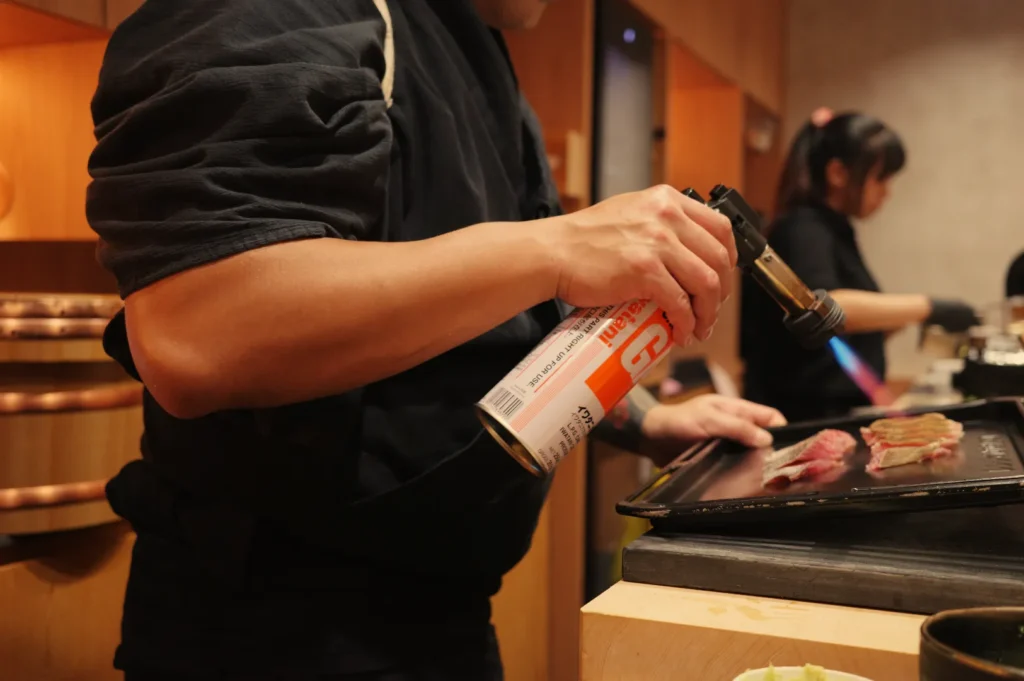
This is why guests who have tasted genuine Edomae sushi, the traditional Tokyo style of preparing fish with light curing, marinating or searing rather than serving everything raw, often describe it as a revelation. Edomae sushi was born from necessity in old Tokyo, when refrigeration did not exist and fishmongers needed techniques to preserve freshness for a few extra hours. Today it survives as a mark of craftsmanship, and it remains central to how Chef Masa approaches his nigiri sushi.
The Omakase Menu: Trusting the Chef Over the Printed Menu
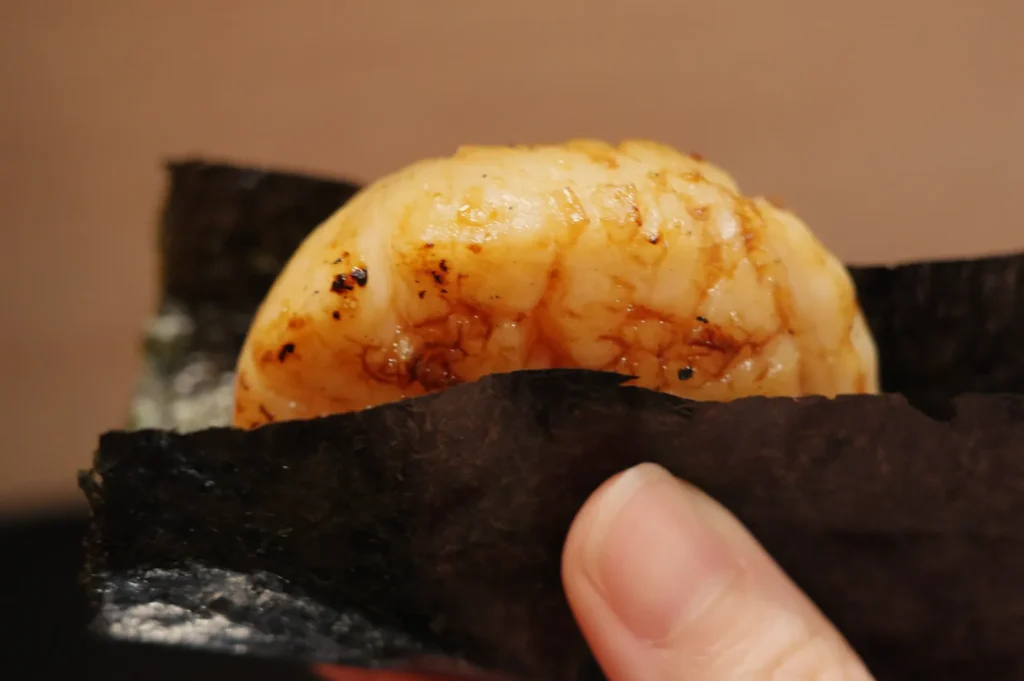
Unlike restaurants where a printed menu dictates every choice in advance, an omakase menu places trust entirely in the chef. There is no ordering from a list of options and no attempt to guess what will taste best together. Instead, the chef curates a sequence of courses based on what arrived that morning, what is at its peak, and what pairs well with what came before it.
This is the model we have built Sushi Masa by Ki-Setsu around. Seated at our eight-seat counter, guests watch as Chef Masa selects, slices and presents each course, often explaining the origin or seasonal significance of what is being served. It is an intimate, unhurried experience, and it stands in contrast to establishments that tout unlimited servings of sushi platters as their main draw. We would rather serve fewer pieces of exceptional fatty tuna, botan shrimp or Hokkaido uni than serve endless portions of something forgettable.
A typical evening might move through a sequence such as this:
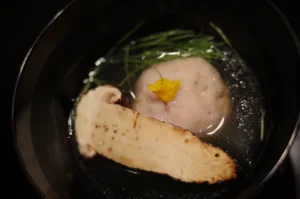
A light dashi-based soup stock to open the palate, gentle and free of shellfish
A selection of fresh sashimi highlighting the day’s finest catches
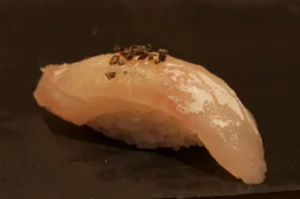
A progression of nigiri sushi, often including salmon belly, fatty tuna and sea urchin depending on the season
A specialty course built around whatever premium ingredient is at its peak that week
A stage of clam-based miso soup, served later in the course rather than at the start
A closing dessert to round off the meal
This structure reflects a wider truth about quality ingredients. They deserve to be the centre of attention, not buried under everything else on the table.
Signature Dishes Built on Seasonal Produce
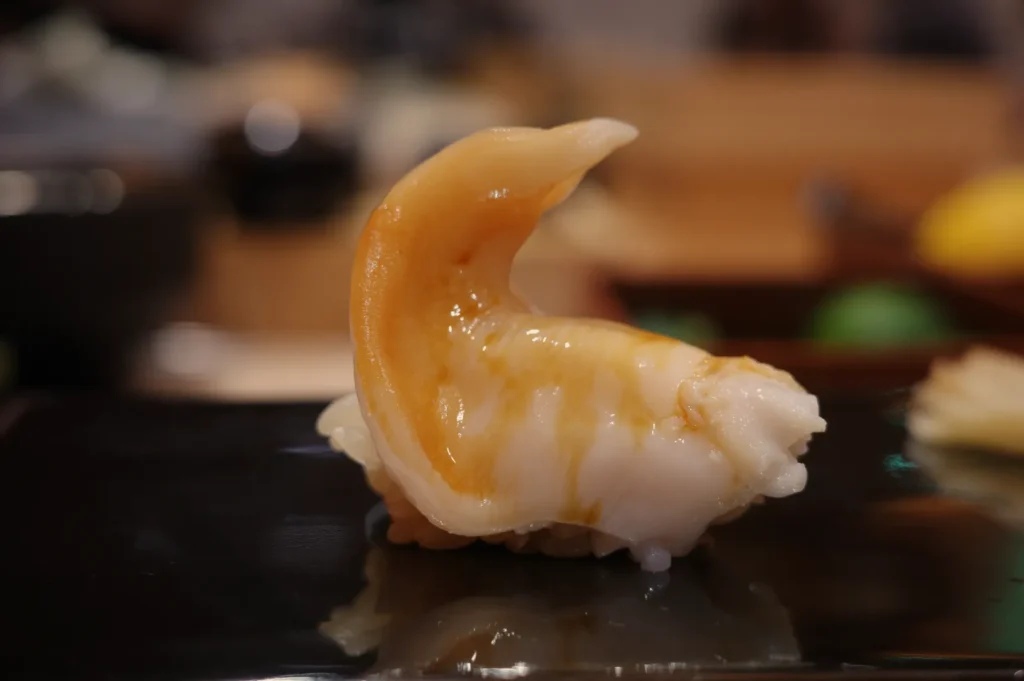
Every kitchen has its own way of expressing seasonal produce, and at Sushi Masa by Ki-Setsu this shows most clearly in how Chef Masa treats his signature dishes. Rather than fixing a set list of items that never changes, the offering adjusts as Japan’s seasons turn, so that a visit in spring can look quite different from one in autumn. Spicy tuna prepared with restraint, delicate cuts of soft shell crab when in season, and seasonal ingredients chosen for their peak flavour all reflect this same philosophy.
This approach also explains why we do not serve certain dishes that have become common shortcuts elsewhere. We do not serve overflowing bowls of ikura rice piled theatrically high, a gimmick more suited to lower priced omakase experiences than to a restaurant built on precision. We do not serve tempura or chawanmushi, and our menu contains no meat of any kind. Every course is seafood, chosen with intention rather than spectacle. Guests seeking other Japanese favourites such as dry ramen or yakitori skewers will find dedicated spots elsewhere, as our focus remains on seafood excellence.
A Hidden Gem Worth Discovering
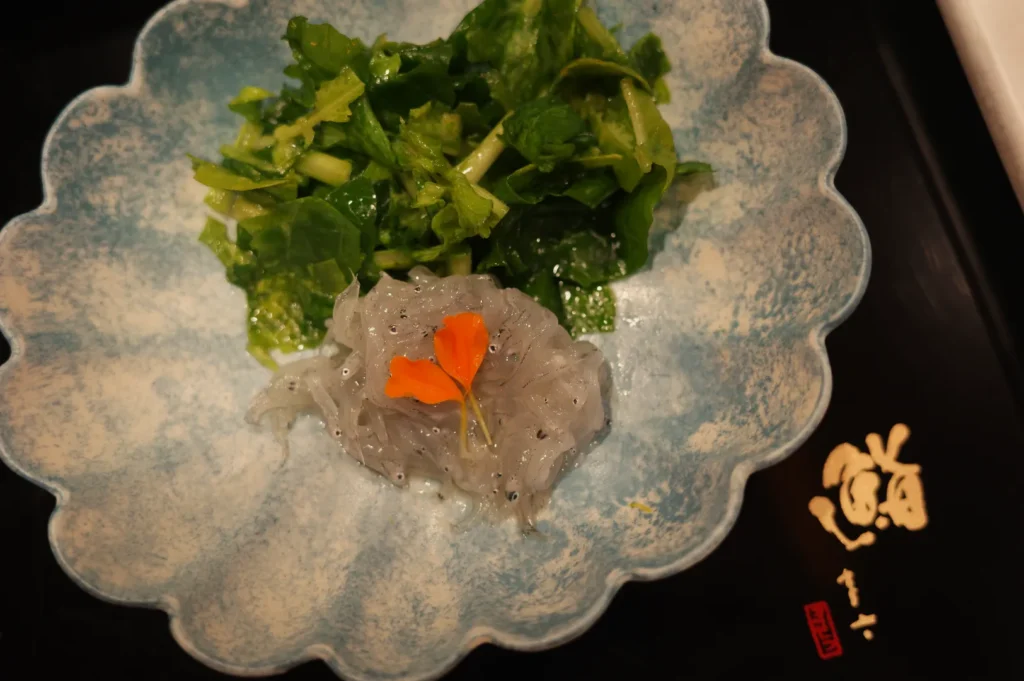
Tucked within Cuppage Plaza, away from the busiest stretches of Orchard Road, Sushi Masa by Ki-Setsu has quietly become something of a hidden gem for guests searching for their next favourite Japanese restaurants. Our opening hours are dedicated solely to dinner, reflecting our belief that the freshest ingredients deserve an unhurried evening setting rather than a rushed midday sitting.
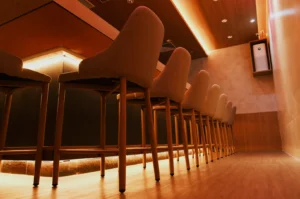
Since our Singapore debut, we have kept our footprint small on purpose. Eight counter seats mean every guest receives genuine attention, and it means Chef Masa can maintain the same exacting standard from the first course to the last. This is not a restaurant built for scale. It is built for those who understand that a truly memorable meal comes from restraint, patience and respect for premium ingredients. Guests often remark on the serene setting, enhanced by the elegant traditional footbridge visible nearby in Cuppage Plaza, adding a touch of Japan’s timeless aesthetics to the dining experience.
Taste the Difference That Sourcing Makes
The next time you find yourself craving good food that goes beyond the ordinary, we invite you to consider what stands behind the plate in front of you. Ingredient sourcing is not a marketing term. It is the quiet discipline that separates a forgettable dinner from one that lingers in the memory long after the last course.
At Sushi Masa by Ki-Setsu, this discipline shapes everything we do, from our relationships with trusted suppliers to Chef Masa’s daily selection at the counter. We welcome you to reserve a seat, settle into our intimate eight-seat counter, and taste for yourself how far genuine sourcing can carry a meal. Your taste buds, and your evening, deserve nothing less.