Whenever you dine out, Singapore has never been a city short on choice. It offers a dizzying mix of hawker stalls, cocktail bars, cafés and fine dining rooms, each one competing for a seat at your table. Yet amid all this abundance, there is one quality that the finest meals still demand of their diners: patience. Good food, the kind that lingers in memory long after the plate is cleared, is rarely rushed.
At Sushi Masa by Ki-Setsu, we believe that a truly memorable meal unfolds slowly, one considered bite at a time, and that this unhurried rhythm is precisely what separates an ordinary dinner from an extraordinary one.
The Art of Waiting: Why Patience Belongs on the Table
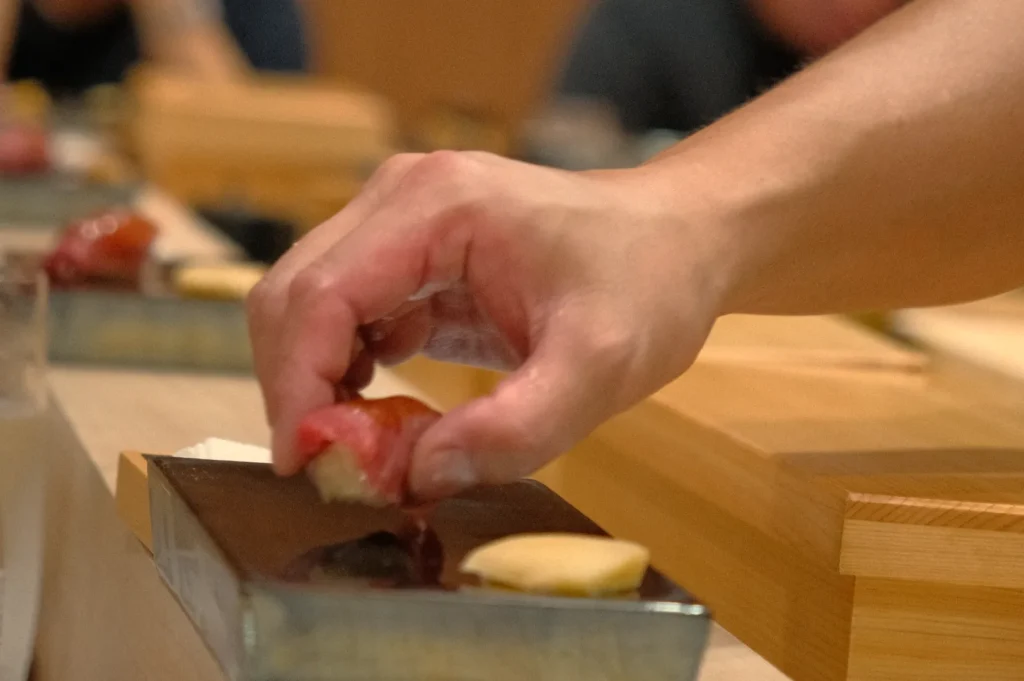
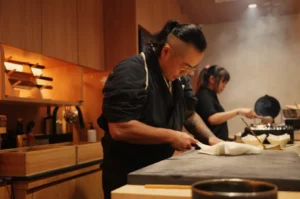
Omakase, loosely translated, means to leave the decision to the chef. It is an act of trust, a quiet agreement between diner and chef that the evening’s course will unfold exactly as it should, without menus to flick through or dishes to negotiate. This format rewards patience above all else. Each course arrives only when it is ready, prepared to Chef Masa’s exacting standard rather than to the clock.
Some guests describe the experience as treating every course like it might be their final meal, savouring textures and flavours with full attention rather than rushing toward the next course. There is something deeply grounding about eating this way. In a city that moves as quickly as Singapore, choosing to slow down for a few hours becomes its own small luxury.
This approach is rooted in Japanese culinary tradition. Long before omakase was popular, sushi counters operated on the principle: the chef decides, the diner receives, and conversation fills the pauses between courses.
It is a far cry from flipping through pages of a menu trying to decide between dishes, or negotiating between what one person wants and what another at the table might prefer. Instead, the whole table shares the same journey, course after course, discovering each new plate together.
Singapore’s Ever Evolving Food Scene
Singapore restaurants have long drawn visitors from across the world, and it is easy to see why. The island’s food culture stretches from humble hawker stalls to refined dining rooms, often within the same neighbourhood. Local cuisine here is a genuine mix of Chinese, Malay, Indian and Peranakan influences, all simmering together into something distinctly Singaporean.
| Local Dish | What Makes It Special |
|---|---|
| Hainanese chicken rice | Fragrant rice cooked in stock, served with tender, silky chicken |
| Chicken satay | Charcoal grilled skewers dipped in rich peanut sauce |
| Chilli crab | Spicy, hot and sweet gravy, best mopped up with fried mantou |
| Hawker noodles | Steaming bowls built on recipes handed down for decades |
It is a different tradition entirely to the one practised at Sushi Masa by Ki-Setsu, yet the underlying instinct is the same: a single dish, made with care, served exactly as it should be.
A Melting Pot on Every Corner
Local coffee culture deserves a mention too. Traditional cafés serving kopi, the strong local coffee brewed through a cloth filter, remain a fixture of daily life across the island. Whether enjoyed slowly at a corner café or savoured between errands, this ritual reflects a patience we take just as seriously at Sushi Masa by Ki-Setsu, only stretched across an entire evening rather than a single cup. Great food and drink, whatever the price point, tends to share this respect for tradition and technique.
Much of Singapore’s food culture runs from breakfast queues at neighbourhood cafes through to lunch crowds and late night suppers, with hawker stalls busy at almost any hour. Many stalls are known for stretching a budget further than expected, with generous portions and the occasional discount or seasonal deal keeping the total bill low.
Locals rarely miss a chance to save on a quick, delicious plate of noodles or a side of stir fried vegetables between errands, treating each visit as a small dose of fun rather than a chore. Our own kitchen sits at the opposite end of that spectrum, favouring one unhurried course over many quick ones, but the appetite for good food that drives both is exactly the same.
From Marina Bay to Tanjong Pagar and Holland Village
Part of the joy of exploring Singapore is discovering how differently each neighbourhood expresses the city’s food culture, each offering its own character and pace.
| Neighbourhood | Character |
|---|---|
| Marina Bay | Sweeping skyline views and polished, refined dining rooms |
| Tanjong Pagar | Intimate, chef driven concepts tucked along quiet shopfronts |
| Holland Village | A relaxed, village like charm suited to a laid back evening out |
Wherever your trip takes you across town, it is worth taking the time to discover a little beyond the obvious. A short walk off the main strip in any of these areas often leads to a room, a stall or a bar with genuine character, the kind of location that rewards curiosity rather than convenience.
Sushi Masa by Ki-Setsu offers its own quiet corner of the city for exactly this kind of discovery, an intimate room set apart from the bustle where an evening can unfold at its own pace. Be sure to book in advance to secure your seat and fully enjoy the experience.
Singapore’s Vibrant Bars and Cocktail Culture
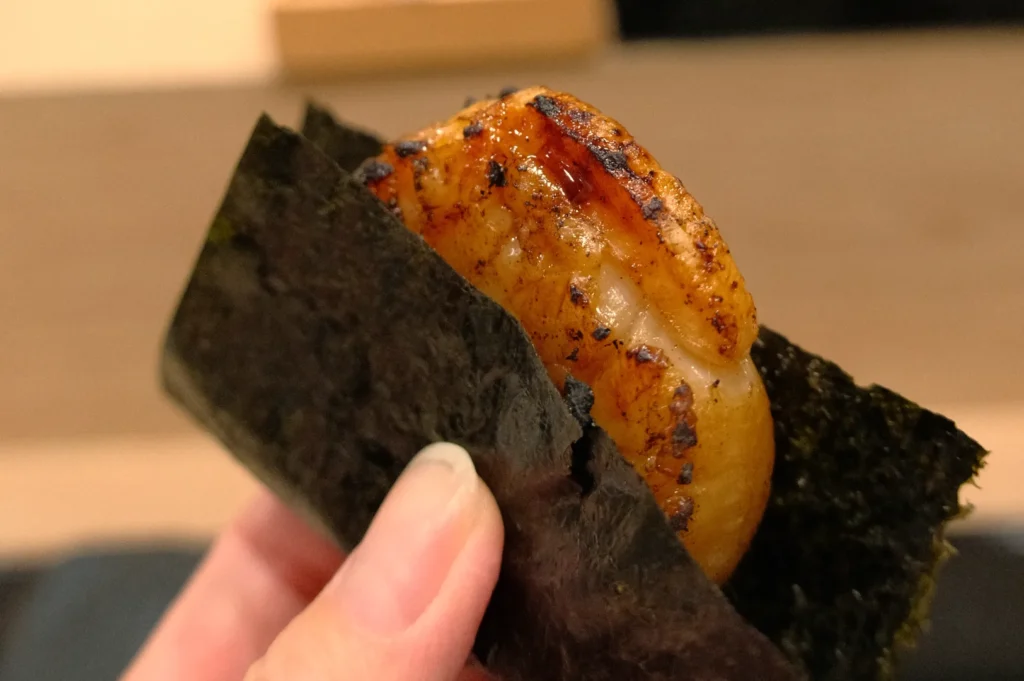
No conversation about Singapore’s dining scene is complete without its bars. Singapore bars and cocktail bars have earned international recognition in recent years, and the scene continues to draw both locals and visitors night after night.
- Several award winning bars regularly feature on global lists
- The Singapore Sling, invented on the island, remains a fitting symbol of its playful approach to drinks
- Many diners begin or end their evening with cocktails among friends, treating the bar as part of a wider night out
- A light dessert often rounds things off after an evening of drinks and conversation
For guests who prefer to begin the night with something quieter before heading out to the bars, or who would rather let a long dinner be the whole occasion in itself, a seat at Sushi Masa by Ki-Setsu offers a fitting alternative pace to the evening.
The Michelin Standard and the Pursuit of Craftsmanship
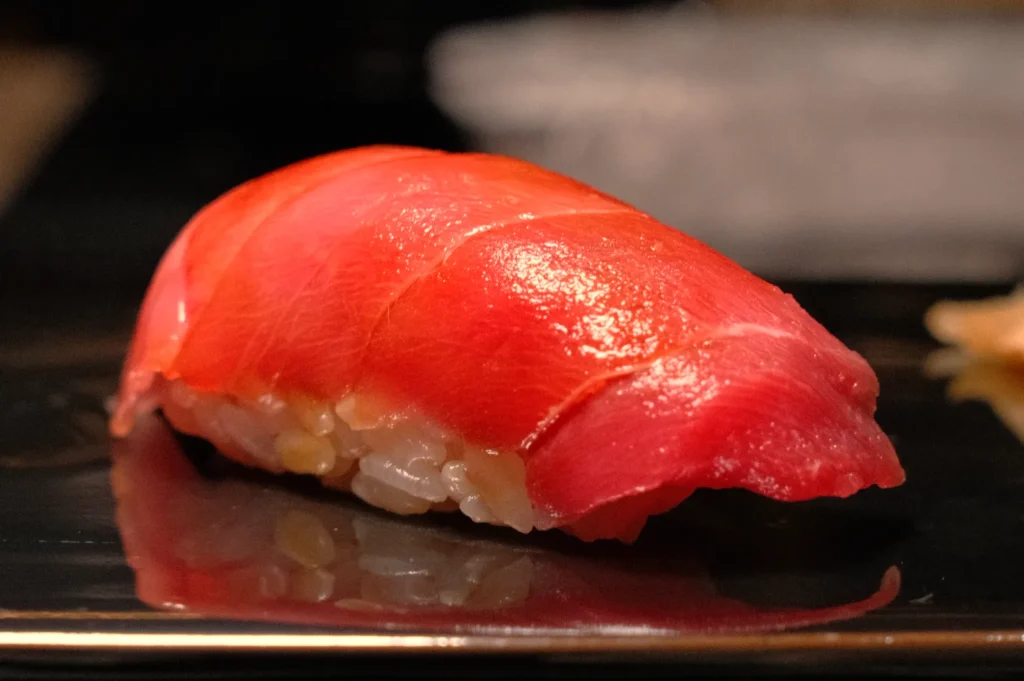
Singapore is now home to a genuine cluster of Michelin starred restaurants, a recognition that has helped cement the island’s reputation on the world culinary stage. This kind of accolade is never about flash. It reflects years of discipline, an obsessive attention to ingredients and a refusal to compromise on taste, even when it would be easier to do so.
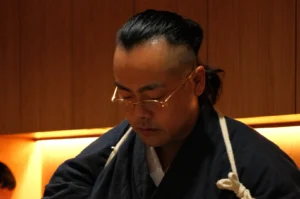
Chef Masa’s own approach mirrors this philosophy closely. Years spent training in traditional Edomae technique shaped a deep respect for precision, timing and restraint, values that continue to guide every course served at Sushi Masa by Ki-Setsu today. Recognition, when it comes, is simply a reflection of consistency rather than the goal itself.
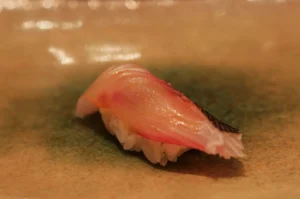
For many diners, a meal at a Michelin starred establishment becomes a benchmark against which future meals are measured, a reminder of what is possible when quality is never treated as negotiable. Yet a star alone does not make a meal memorable. What lingers afterwards is usually something quieter: the way a piece of fish was cut, the warmth of the rice against the palate, or the small moment of conversation shared with the chef across the counter.
These details, more than any accolade, are what keep discerning diners coming back to the restaurants that consistently deliver them.
Understanding Omakase at Sushi Masa by Ki-Setsu
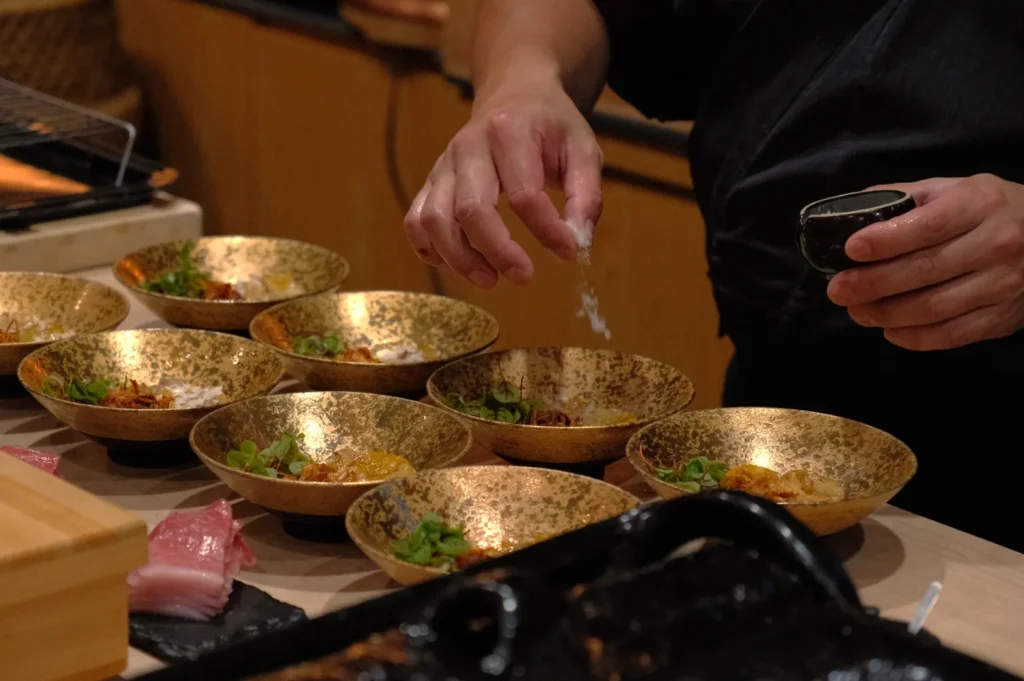
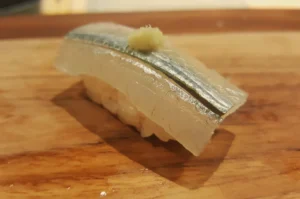
Edomae sushi, the style that originated in old Tokyo, is built entirely around seafood, and this is a tradition Sushi Masa by Ki-Setsu follows closely. Unlike many restaurants that build their menus around meats such as chicken, our own kitchen centres entirely on fish and shellfish, prepared with techniques refined over generations. There is no meat on our table, only the freshest catch treated with the respect it deserves.
Sourced From Toyosu, Prepared With Precision
Much of what arrives at Sushi Masa by Ki-Setsu is sourced directly through relationships connected to Toyosu, the market that now carries forward the legacy of Tokyo’s famous fish trade. This is the quiet discipline behind every plate of sushi we serve, and it is central to why the omakase format suits us so well.
- Sweet, plump prawns and glistening cuts of fish are selected with care before ever reaching the table
- Each piece is chosen specifically for that evening’s course rather than kept in reserve
- Trusting Chef Masa to choose is not a limitation, but an invitation to discover flavours you might never have picked yourself
Seasonality plays a large part in this process as well. Certain fish taste best only for a handful of weeks each year, and part of Chef Masa’s role is knowing precisely when that window opens and closes. A cut of fish served slightly too early or too late rarely carries the same depth of flavour, which is why the course at Sushi Masa by Ki-Setsu changes gradually throughout the year rather than staying fixed. Guests who visit more than once often notice this shift, discovering a slightly different balance of textures and flavours with each return.
An Evening to Remember
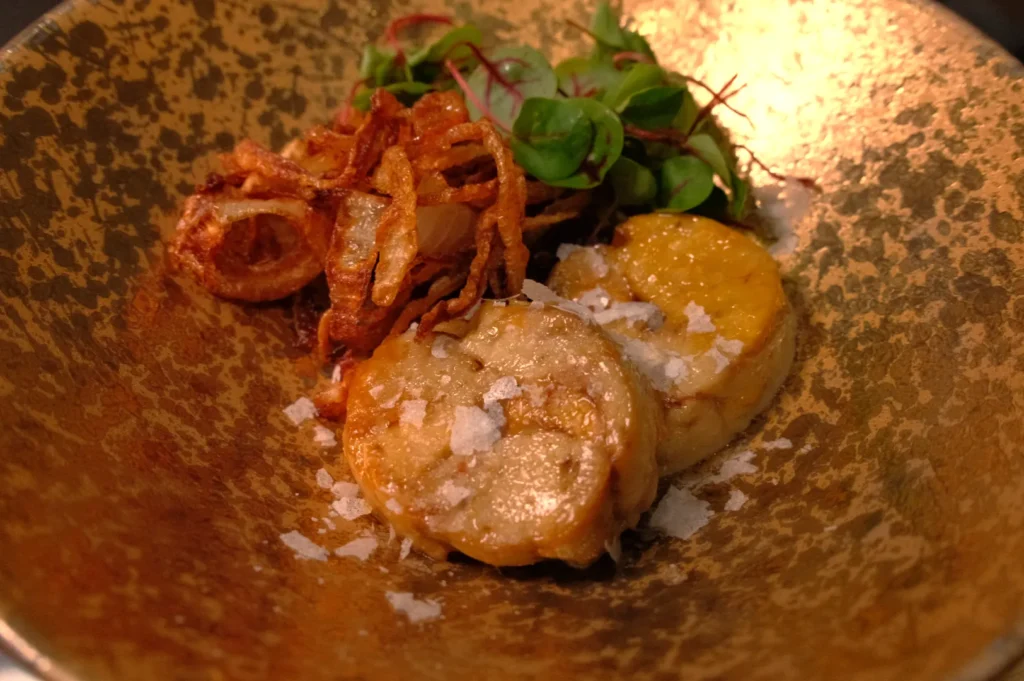
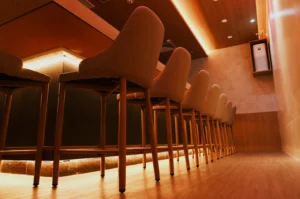
A dinner at Sushi Masa by Ki-Setsu unfolds course by course in an intimate room designed for quiet conversation rather than spectacle. Each dish is served directly across the table, often within moments of being prepared, so that every bite arrives at its very best. Guests are encouraged to indulge fully in the experience, taking in the small details, the delicate knife work, the balance of rice and fish, the subtle mix of textures from one course to the next.
Whether dining as a couple or with a small group, this format naturally slows the evening down, giving diners space to talk, taste and simply be present. It is this sense of occasion, rather than any single dish, that guests often say they remember most.
Discover Singapore’s Dining Culture, One Patient Bite at a Time
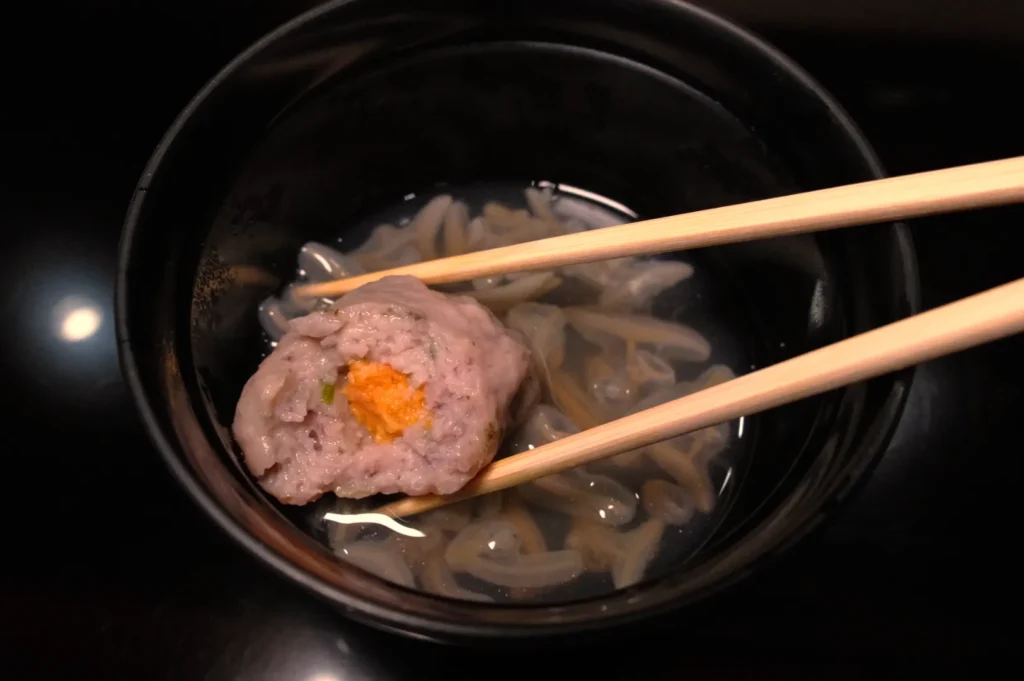
To dine out Singapore style is to embrace variety, from bustling hawker stalls to celebrated cocktail bars and everything found across neighbourhoods like Marina Bay, Tanjong Pagar and Holland Village. Yet within all that choice, there remains real value in slowing down for an evening built entirely around trust, craftsmanship and patience.
Sushi Masa by Ki-Setsu invites you to experience this for yourself. Come hungry, come curious, and let Chef Masa guide you through a dinner shaped by tradition, precision and a genuine love of the sea.