Aroma reaches you before the first sip. Lift the glass, and the sake speaks. Apple, pear, a trace of banana, sometimes a whisper of rose. This fragrance carries meaning at the table. It shapes how sake meets fish, and sometimes it decides whether the two sit in harmony or quietly compete.
Understanding aroma intensity helps you choose with intention, rather than by habit.
Where Ginjo Aroma Comes From
The fruity, floral fragrance of premium sake is not added. It is born during fermentation.
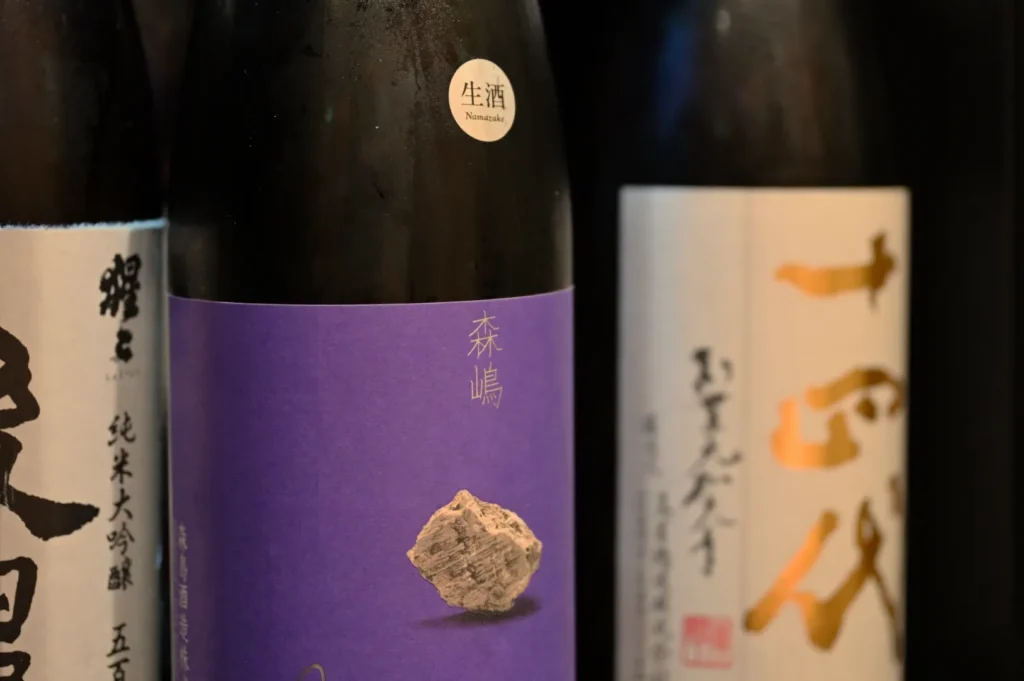
When yeast works slowly at low temperature over a long period, it produces esters. These compounds give Ginjo and Daiginjo their signature scent, known as ginjo-ka.
A few esters lead the way:
- Ethyl caproate: The apple and pear note, often the loudest voice in the glass
- Isoamyl acetate: Soft banana
- Ethyl caprylate: Floral tones
- Phenethyl acetate: Rose and honey
Together, these create the bright, perfumed character many people associate with fine sake. It is beautiful on its own. But beauty in isolation does not always translate to beauty at the table.
The Counterintuitive Truth About Fragrant Sake
Here is where many assumptions fall away.
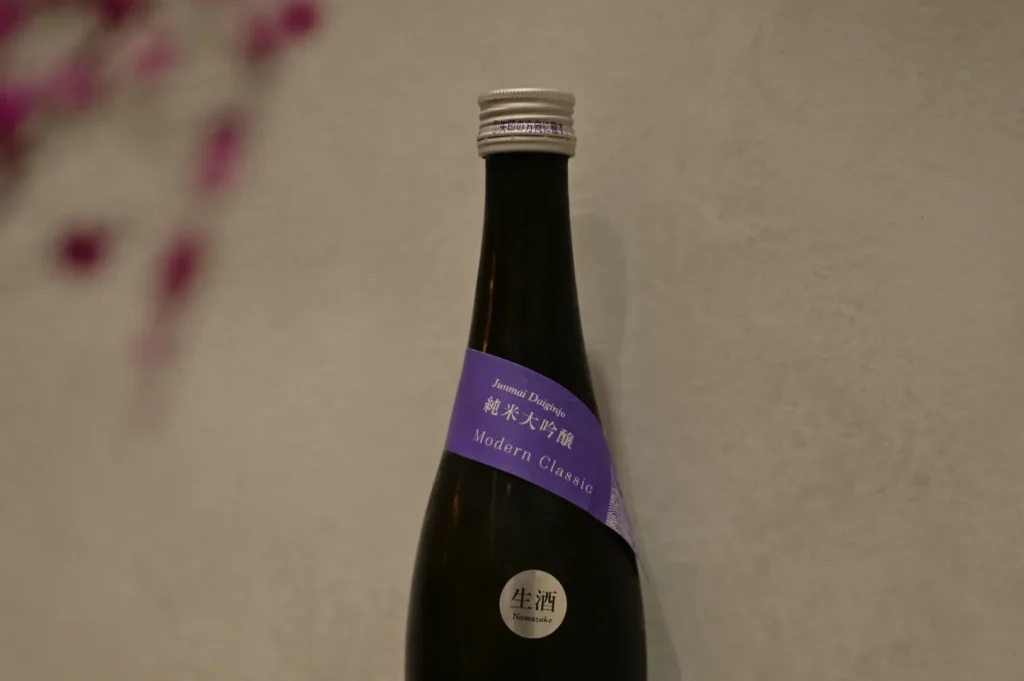
A highly aromatic Ginjo, rich in ethyl caproate, can make a worse partner for delicate raw fish than a quieter sake. The more fragrant bottle is not automatically the better match.
The reason lies in how we perceive flavour. Much of what we call taste is actually smell, travelling through the retronasal pathway at the back of the mouth. When a powerful fruity or floral aroma fills that space, it dominates.
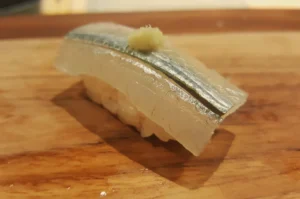
Fresh fish speaks softly. The subtle volatile compounds in hirame or a raw scallop are gentle, more suggestion than statement. Human perception favours strong stimuli. So a loud Ginjo draws all attention to itself, masking the quiet character of the fish beneath it.
This is olfactory competition. Two aromas, one stage, and the delicate one loses.
For this reason, a restrained Junmai Ginjo, clean, balanced, without aggressive fragrance, is often the most versatile choice across a full range of sashimi cuts. It supports rather than overpowers.
Matching Aroma to the Fish
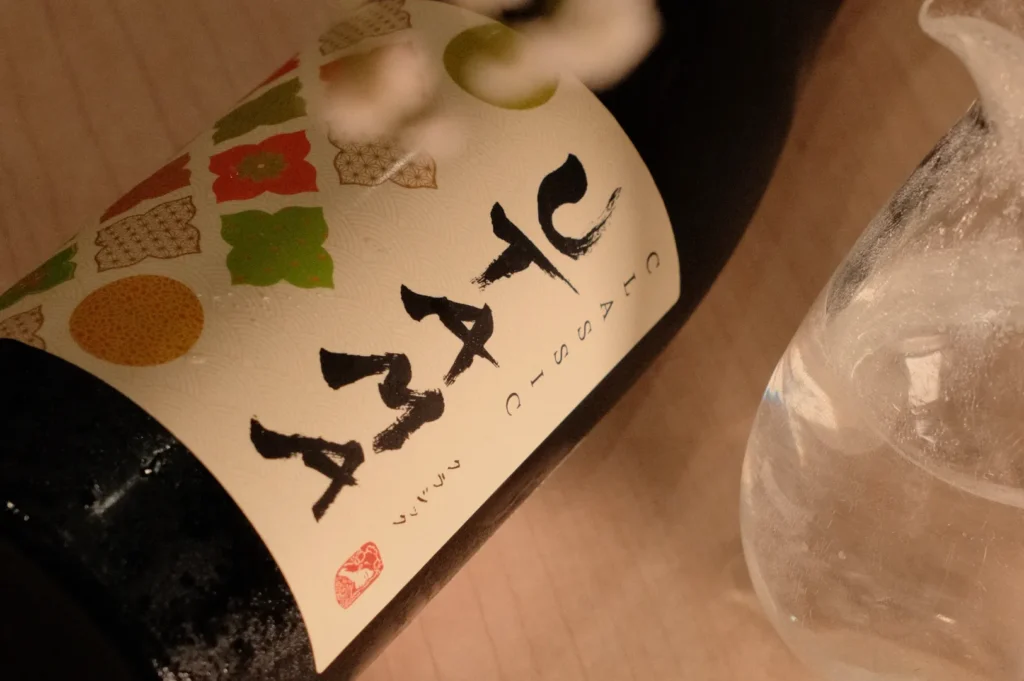
Once you understand this, sake pairing principles become less about rules and more about listening. The guiding idea is simple: match the intensity of the sake to the intensity of the fish and its preparation.
Delicate white fish (hirame, tai)
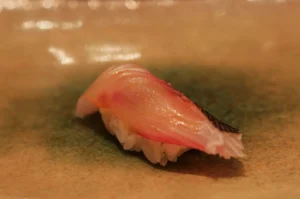
These need room to breathe. A clean, dry Junmai or a low-fragrance Junmai Ginjo lets their fine flavour come forward. Low to moderate aroma serves them best.
Medium fish (hamachi, saba)
With a little more presence, these can hold their own against moderate aroma. A standard Junmai Ginjo with balanced esters tends to sit comfortably alongside them.
Fatty tuna (otoro, chutoro)
Rich fat can carry bolder aromatics. Here a more expressive sake may work well, though body matters as much as fragrance. The sake needs enough weight to meet the fat, not just enough scent.
Strong-flavoured fish (mackerel, sardine)
These oily, assertive fish call for sake with more character. A fuller Junmai, a Honjozo, or a light Kimoto can offer earthiness that complements the fish rather than fighting it.
None of this is fixed. Preparation, seasoning, serving temperature, and your own preference all shift the outcome. A gentle sear, a touch of citrus, or a warmer pour can change the balance entirely. Treat these as starting points, not verdicts.
Beyond Ginjo: Earth, Rice, and Fire
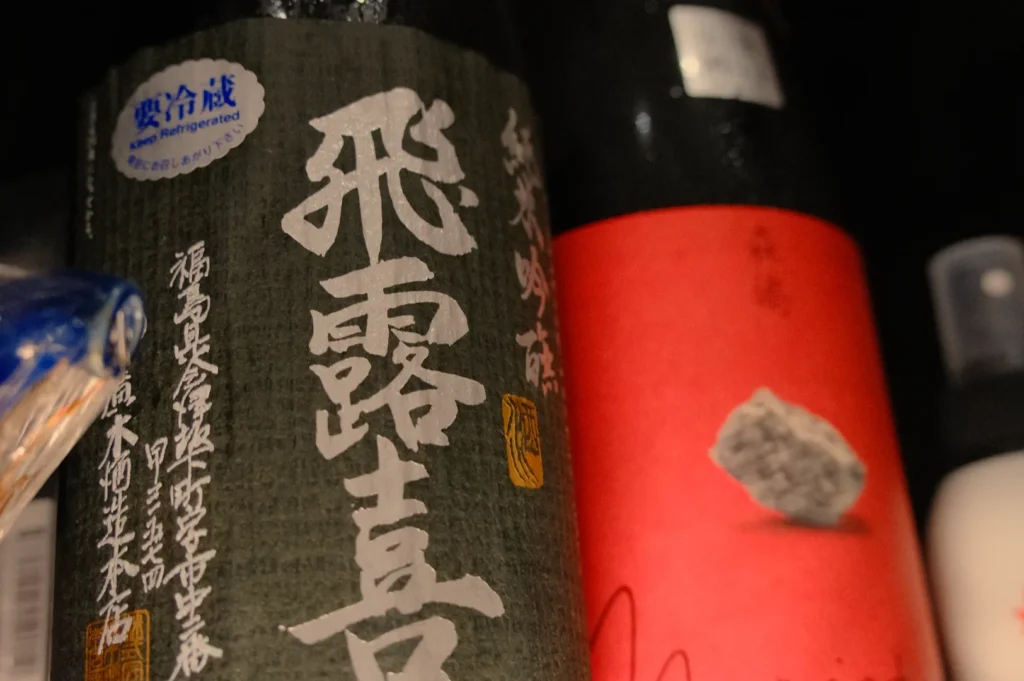
Not every pairing turns on fruit and flowers. Some of the most rewarding matches come from quieter aromatic families.
Different Japanese sake styles carry very different scents. Kimoto and Yamahai, along with some Junmai, lean towards earthy, savoury, and mineral tones. These share a natural kinship with the Maillard compounds that form when seafood is grilled or roasted. The browned, toasty notes of the fish find an echo in the sake, and the two settle together.
Junmai styles often show rice and cereal notes. These sit beautifully with nigiri, where the vinegared rice becomes a bridge between the sake and the fish. One grain speaks to another.
Bear in mind that no two bottles within a single category taste alike. One Yamahai may lean sharp and mineral, another rounder and softer. Category is a guide, never a guarantee.
Aroma as a Progression
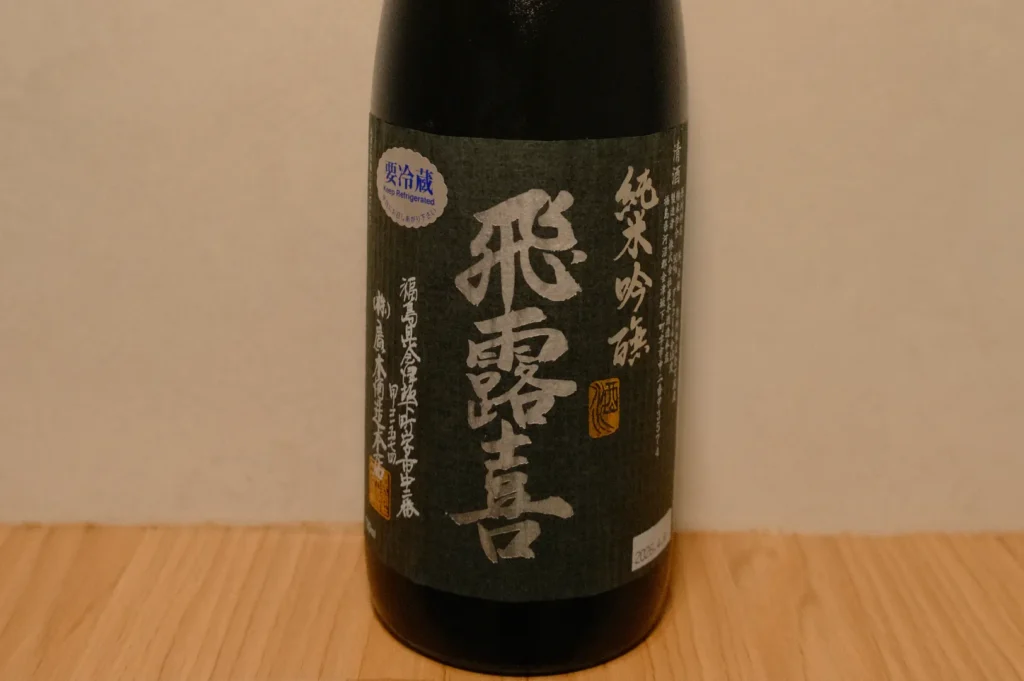
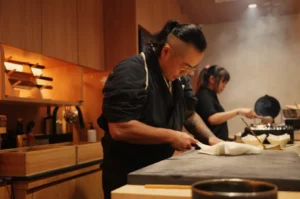
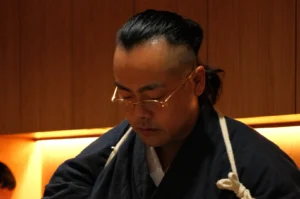
At Sushi Masa by Ki-Setsu, an intimate eight-seat Japanese omakase counter at 5 Koek Road, #06-03 Cuppage Plaza, Singapore 228796, near Orchard Road, the meal moves with intention.
The counter often opens with delicate white fish, then builds towards richer, more assertive preparations. This natural rise in flavour is a useful map for aromatic intensity in the glass.
Begin quiet. Let a restrained sake sit beside the gentlest fish. As the courses gain weight and fat, the sake can gain fragrance and body in step. The way Sushi Masa’s seafood-focused omakase unfolds gives the aromatic progression its shape, each pour meeting the moment it belongs to.
A Question of Balance
Aroma is not a measure of quality. A loud sake is not a great sake, and a quiet one is not lesser. Each has its place.
The art lies in the match. Knowing when fragrance lifts a dish, and when it drowns it. Sometimes the finest pairing is the most restrained. The sake steps back, and the fish is heard.
Listen to both. Let intensity meet intensity. And trust that the quietest choice is often the wisest one.