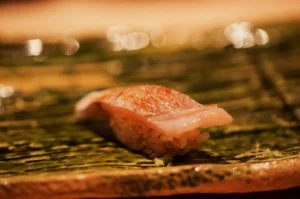
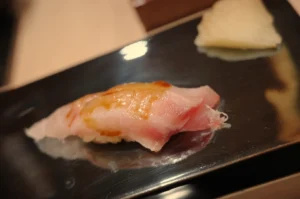
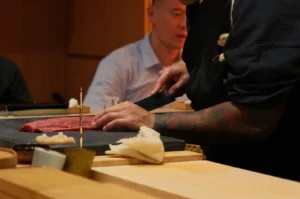
Few ingredients carry the weight of tradition, craftsmanship and quiet drama quite like tuna. Walk into any conversation about sushi and sashimi, and the subject of tuna cuts is never far behind. For guests new to omakase, the sheer variety can feel bewildering: akami, chutoro, otoro, maguro, toro, and the many species behind them. Yet understanding these distinctions is not simply a matter of trivia. It is central to appreciating what a chef is trying to express through a single piece of nigiri sushi.
At Sushi Masa by Ki-Setsu, tuna is treated with the same reverence given to any other seasonal, premium ingredient. Every cut tells a different story about the fish’s body, its fat content and the particular flavour a chef wishes to highlight.
Consider this a complete guide to understanding what sits before you at the counter, and why so many guests choose to mark special occasions with an evening built around this remarkable fish. This dedication to quality and detail is part of what makes Sushi Masa by Ki-Setsu a standout destination for Singapore omakase enthusiasts seeking an authentic and refined dining experience.
A Complete Guide to Maguro Sushi and Its Many Cuts

To understand why cuts of tuna are treated so differently in Japanese cuisine, it helps to think about the tuna’s body as a landscape of contrasting textures. As a large fish, bluefin tuna can weigh several hundred kilograms, and its size is precisely what allows for such a wide range of cuts from a single specimen. A single fish yields lean meat from its back and flanks, alongside progressively fattier meat closer to the belly. This is why maguro sushi is never a single, uniform experience. The same fish can offer a lean, almost meaty texture in one bite and a rich, creamy texture in the next.
- The lean tuna, known as akami, comes primarily from the back and sides of the fish. It carries a firm texture and a clean, slightly assertive flavour that many consider the truest expression of raw tuna itself.
- Drawn from the area between the back and belly, chutoro offers a gentler balance of fat and lean red meat, often described as having the perfect balance for those newer to sashimi.
There are lesser known cuts too.
- The collar area and back cheek, a cut called kamatoro, yield a fatty meat with a distinctive richness, though these pieces are limited, often only two pieces per fish, making them a rare treat when available.
- Even the tail area has its place, yielding a leaner, firmer cut that some chefs use to showcase tuna’s more understated side, quite different in fat compared to the belly.
Understanding this anatomy is not academic. It explains why a knowledgeable chef, such as Chef Masa, considers the specific cut before deciding how to prepare it, whether that means a light touch of soy sauce, a careful hand with the sushi rice, or simply allowing the fish’s natural flavour to lead.
Why the Cut Changes the Experience

A piece of akami served as nigiri sushi will never taste the same as a piece of otoro, even though both come from the same species. The fat content fundamentally changes how the fish interacts with warm sushi rice, how it carries seasoning, and how long its flavour lingers. This is precisely why cuts of tuna are not interchangeable in a well considered omakase course. Each cut is chosen with intention, building a narrative across the meal rather than simply repeating the same flavour in different forms.
Southern Bluefin Tuna and the Reputation of Expensive Tuna

When people speak of the most expensive tuna, they are almost always referring to bluefin tuna. Bluefin is prized above other species for its exceptional quality, particularly the depth and richness of its fatty tuna cuts. Southern bluefin tuna, caught in the cooler waters of the Southern Hemisphere, is especially renowned for its high fat content and the complexity it brings to sashimi.
The reputation of southern bluefin tuna did not happen by accident. Southern bluefin populations spend their lives in nutrient rich, cold waters, which encourages the development of the marbled fat that defines premium toro sushi. This is part of why expensive tuna, particularly bluefin sourced from Japan, commands such attention among chefs and diners who understand what they are tasting.
At Sushi Masa by Ki-Setsu, ingredients including tuna are flown in daily from Japan’s Toyosu Market, the world’s largest and most respected seafood market. This daily sourcing is not a marketing flourish. While frozen tuna is common practice across the wider seafood trade, allowing fish to travel further without spoiling, it is fresh, never frozen tuna that Chef Masa insists upon when curating each evening’s omakase course, believing texture and flavour are simply unmatched.
Bigeye Tuna and Other Species Worth Knowing
- Bigeye tuna, sometimes labelled mebachi maguro, and yellowfin tuna are also widely used in Japanese cuisine, offering a more approachable price point while still delivering respectable flavour.
- Albacore tuna, generally lighter in colour and milder in taste, tends to appear less frequently on a refined sushi counter but remains part of the broader tuna family found across sushi restaurants worldwide.
In fact, most tuna consumed as everyday food across Japan and beyond comes from these more abundant species, with true bluefin reserved for more considered occasions.
Fatty Tuna, Toro Sushi and a Brief Look at Tuna’s History

Interestingly, tuna’s belly fat was not always the prized delicacy it is today. Before refrigeration technology became widespread, particularly before World War II, fattier cuts spoiled more quickly than lean tuna and were often considered less desirable. Lean red meat travelled and kept better, even in early frozen form, and so akami cuts were historically favoured in large quantities across Japan. It was only as refrigeration technology and transportation improved that fatty toro rose to the prominence it enjoys today, eventually becoming one of the most highly valued items in modern sushi culture, and toro sushi as we know it began to take shape.
Regional traditions, including styles reminiscent of old Yoshino sushi houses in Japan’s culinary history, reflect just how differently tuna was once regarded before its fattier cuts became fashionable. This shift is a reminder that even something as celebrated as toro has a history shaped by practicality as much as taste.
Tuna’s versatility also extends well beyond sushi and sashimi. In home kitchens and traditional eateries across Japan, leaner cuts and off cuts have long found their way into warming dishes such as negima nabe, a hot pot pairing tuna with leek, a reminder that this fish has always been valued from head to tail, not only for its most luxurious pieces.
Why Tuna Cuts Matter So Much in an Omakase Setting

Omakase, at its heart, means placing trust in the chef. Rather than selecting dishes from a fixed list, guests allow the chef to guide the meal, course by course, according to the day’s finest available ingredients. Within this format, tuna cuts play an outsized role, precisely because they offer such a wide spectrum of texture and flavour from a single fish.
A thoughtfully composed omakase course might move from a lean, firm piece of akami early on, allowing the palate to appreciate tuna’s cleaner side, before progressing toward richer chutoro and finally the indulgent creaminess of otoro. This progression is intentional. It mirrors the way many traditional sushi restaurants structure a meal, building from lighter to richer flavours so that no single piece overwhelms the palate too early.
At Sushi Masa by Ki-Setsu, this approach is central to how each omakase course is composed. Rather than offering a fixed a la carte selection, every seating is guided entirely by Chef Masa’s judgement of what the day’s tuna, and the wider selection of seafood, has to offer. This is the essence of Edomae style sushi making, an approach rooted in precision, seasonality and respect for the ingredient, rather than volume or spectacle.
Because Sushi Masa by Ki-Setsu is intentionally intimate, with Chef Masa personally overseeing every piece served, there is a level of attentiveness that larger operations often cannot replicate. Each cut of tuna, whether it is a delicate piece of lean tuna or a luxurious slice of toro sushi, is handled individually, with sushi rice temperature, seasoning and timing adjusted to suit that specific piece of fish.
The Role of Craftsmanship in Every Slice
It is worth noting that identifying and preparing tuna cuts correctly requires genuine expertise. Distinguishing chutoro from otoro by eye, understanding how a particular fish’s fat content will behave once sliced, and knowing precisely how thick or thin to cut each piece all demand years of practice. This is part of why sashimi and sushi, when done well, are considered a serious culinary art form in Japan rather than a simple assembly of raw tuna and rice.
Appreciating Tuna Beyond the Plate

For many guests, a growing appreciation of tuna cuts changes the way they engage with sushi and sashimi more broadly. Rather than simply ordering maguro sushi without much thought, understanding the difference between akami, chutoro and otoro allows diners to make more informed choices and to better articulate what they enjoy. It also deepens appreciation for the chef’s decisions throughout an omakase course, recognising that each selection reflects a deliberate choice rather than a random assortment of fish.
This is part of why Sushi Masa by Ki-Setsu places such emphasis on education alongside dining. Chef Masa is often happy to share insight into a particular cut, its origin, or why a certain preparation was chosen for that evening’s course. This kind of dialogue, small as it may seem, transforms a meal into something closer to a shared appreciation of Japanese culinary tradition, whether guests are marking special occasions or simply seeking an evening of exceptional food.
Experience Tuna Cuts the Way They Were Meant to Be Enjoyed

Tuna cuts sushi matter because they represent far more than a single ingredient. They capture the anatomy of a remarkable fish, centuries of Japanese culinary refinement, and the ongoing skill of a chef translating that knowledge into a single, considered piece of nigiri sushi. From the clean assertiveness of lean tuna to the indulgent richness of otoro, every cut has its place within a well crafted omakase course.
At Sushi Masa by Ki-Setsu, guests are invited to experience this spectrum firsthand, guided entirely by Chef Masa within an intimate, eight seat counter setting at Cuppage Plaza. With ingredients sourced daily from Toyosu Market and a philosophy grounded in Edomae tradition, every seating offers a genuine opportunity to understand, and truly savour, why tuna cuts remain so central to the art of sushi. We warmly invite you to reserve your seat at Sushi Masa by Ki-Setsu and discover this journey for yourself.