No other drink behaves quite like sake. Wine has a narrow serving range. Beer is almost always cold. Sake, by contrast, can be enjoyed anywhere from 5°C to beyond 55°C. Across that entire spectrum, every sensory dimension shifts. Aroma changes. Texture changes. The way umami lands on the palate changes.
Understanding sake serving temperature is not a technical exercise. It is the first step toward understanding sake itself.
The Ten Traditional Temperature Terms
Japanese sake culture formalises this spectrum with ten named temperature points, each a small poem in its own right:
- Yuki-bie (雪冷え) — 5°C: “Snow cold.” Aromatics pulled tight, texture slightly viscous.
- Hana-bie (花冷え) — 10°C: “Flower cold.” Delicate and fragrant, the classic range for premium chilled sake.
- Suzu-bie (涼冷え) — 15°C: “Refreshing cold.” Flavour begins to open.
- Jo-on (常温) — 20–25°C: “Room temperature.” Full expression of the sake’s natural character.
- Hinata-kan (日向燗) — 30°C: “Sun-basking warm.” Barely heated, gentle and approachable.
- Hitohada-kan (人肌燗) — 35°C: “Body temperature.” Sweetness reaches its peak perception here.
- Nuru-kan (ぬる燗) — 40°C: “Lukewarm.” Umami notes from rice and koji open most prominently at this point.
- Jo-kan (上燗) — 45°C: “Elevated warm.” Sharper, drier finish.
- Atsu-kan (熱燗) — 50°C: “Hot.” The version most familiar to Western diners. Bold, direct.
- Tobikiri-kan (飛び切り燗) — 55°C+: “Through the roof.” Intensely bracing; style-specific aromas are largely replaced by sharp alcohol vapour at this stage.
These are not arbitrary divisions. They describe how sake feels, not just how warm it is.
How Temperature Shapes What You Taste
Cold suppresses sweetness and umami while preserving the most volatile, delicate aromas. This is the reason why chilled sake often smells more expressive than it tastes. It also makes the liquid feel slightly more viscous on the tongue.
As temperature rises, sweetness becomes more perceptible, peaking near body temperature at Hitohada-kan (35°C). At Nuru-kan (40°C), rice-driven umami opens fully. The same kind of depth that emerges from a slow-cooked dashi. Perceived acidity softens with warmth, though the actual acidity of the sake does not change; it is simply processed differently by the palate. Above 50°C, most style-specific character fades.
Matching Sake Style to Temperature
Not every sake responds well to every point on the spectrum. For the best sake pairing decisions, style is the starting point:
- Ginjo and Daiginjo should always be chilled, ideally between 5°C and 15°C. The fruity ginjo-ka aromas are volatile and dissipate rapidly with heat.
- Junmai and Honjozo are the most versatile. Cold, they are clean and precise. Warmed to Nuru-kan, they become richer, rounder, more savoury. A noticeably different drink from the same bottle.
- Kimoto and Yamahai are built for warmth. Their complex umami and cereal notes emerge most fully between 35°C and 50°C.
- Nama (unpasteurised) sake must always be kept cold. Warming destroys the freshness that defines it.
- Nigori is best chilled; warmth makes its texture cloying.
- Genshu (undiluted) sake benefits from cold or ice service to manage its higher alcohol.
- Koshu (aged sake) often reveals its layered complexity best at room temperature.
Understanding how serving temperature changes sake pairing is especially important at the table, where temperature must work in dialogue with the food in front of you. Not just the sake in the glass.
Temperature Through an Omakase Progression
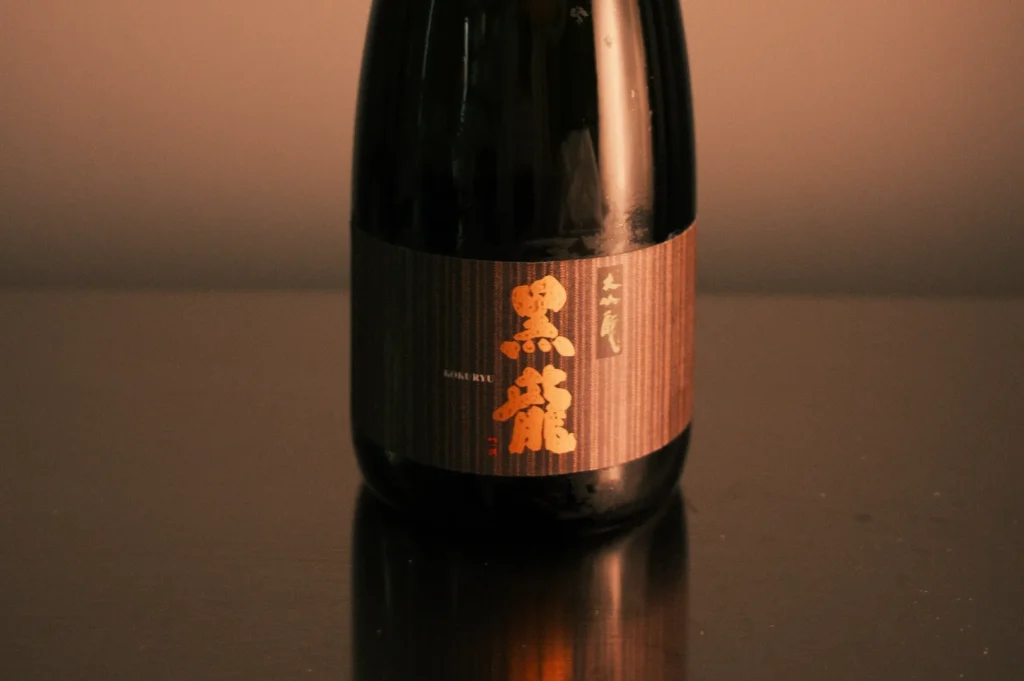
Research identifies 10–12°C as the optimal range for sake alongside sashimi (Nakamura et al., 2017). At this temperature, sake is cold enough to offer refreshing contrast without suppressing the amino acid-driven umami in fresh fish.
As an omakase meal moves forward, from delicate raw preparations toward warmer, richer, more complex courses, sake temperature tends to rise in parallel. It is a quiet progression rather than a rule, responsive to what each course asks of the drink.
At omakase at Sushi Masa, an eight-seat counter at 5 Koek Road, #06-03 Cuppage Plaza, Singapore, temperature selection is considered as part of the pairing design. The meal unfolds course by course, and the sake alongside it is chosen not merely for style, but for where it sits in the evening’s arc. No single temperature is universally correct. Preparation method, seasoning, and personal preference all shape the outcome.
The Temperature is Part of the Drink
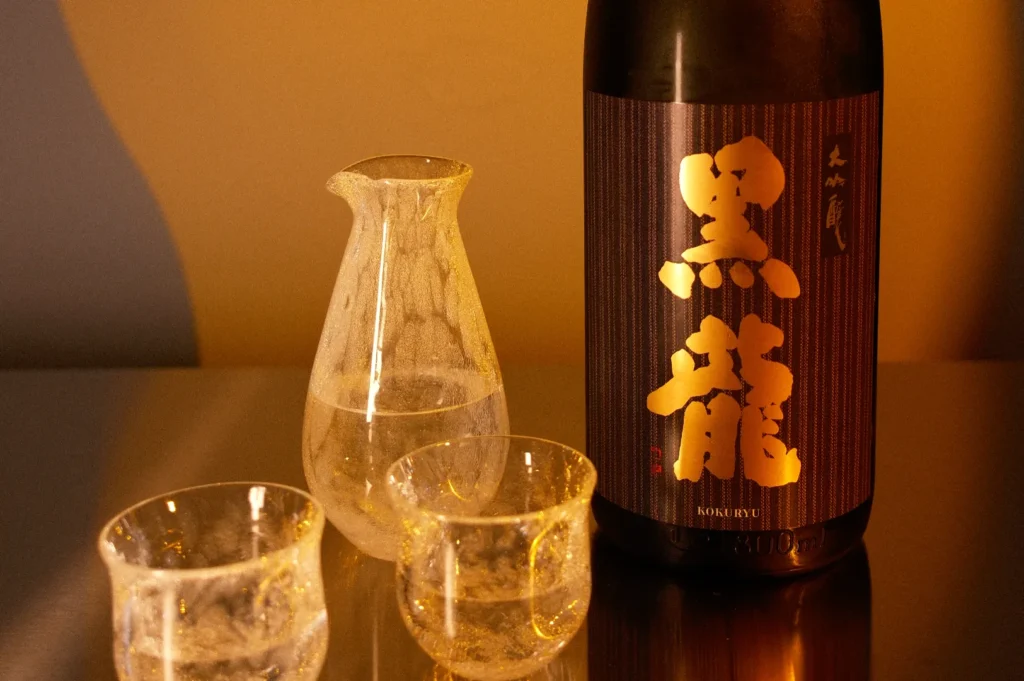
Sake does not have one serving temperature because it is not one drink. It is the same liquid expressing itself differently depending on the conditions you create for it.
That is what makes sake serving temperature worth understanding. Not as a technicality, but as a way of listening more carefully to what is already in the glass.