There is a quiet rhythm to omakase dining that only reveals itself once the weekend crowds have gone home. Anyone who has slipped into a sushi counter on a Tuesday evening will notice the pace feels different, the conversation flows more freely, and the chef has room to breathe between courses.
At Sushi Masa by Ki-Setsu, a renowned Japanese restaurant, we have noticed that weekday omakase timing shapes the entire evening, from how the seasonal tasting omakase menus range and unfold to how closely guests can engage with the person preparing it. This article looks at what changes when you step away from the weekend rush, and why understanding omakase in Singapore dining as a rhythm, not just a reservation, can transform the way you experience Japanese cuisine.
Understanding Omakase as a Japanese Dining Style
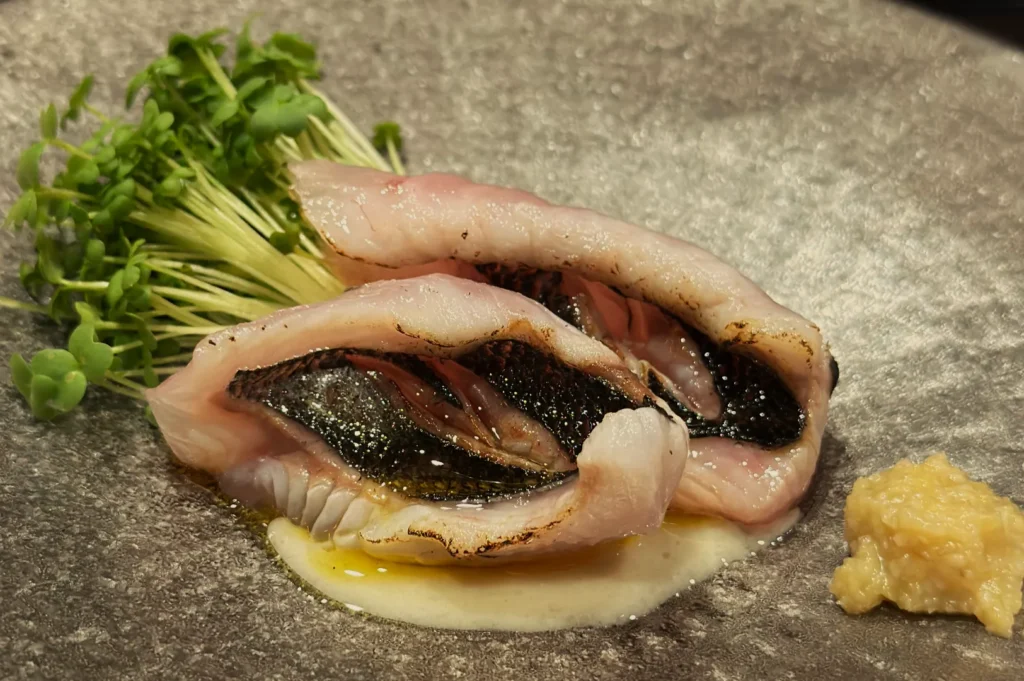
Omakase is a Japanese dining style built on trust. The word itself translates loosely to “I leave it up to you,” and it describes a meal where the diner hands over the decisions to the chef rather than choosing from a fixed list. For newcomers to sushi omakase, this can feel unfamiliar at first, since there is no ordering in the conventional sense. Instead, a chef curates each course based on what arrived fresh that day, building a narrative from appetiser through to dessert, and turning what might otherwise be an ordinary dinner into a considered omakase meal.
This is quite different from the way many people first encounter Japanese cuisine, often through casual sushi restaurants where diners pick and choose freely. Omakase dining asks for a different kind of participation: attentiveness, patience, and a willingness to be guided. At Sushi Masa by Ki-Setsu, this philosophy sits at the very centre of what we do, expressed through a single dinner omakase experience rather than a menu of alternatives.
Why the Format Rewards Slower Dining
Because each dish is served in sequence and often eaten within moments of being prepared, omakase naturally resists rushing. A sushi counter is not designed for speed. It is designed for observation, for watching knife work happen inches away, and for the small pauses between courses where a chatty chef might explain why a particular fish was chosen that evening. This is part of why timing matters so much, and why a quieter weekday seating can change the entire tone of the meal.
Lunch Omakase Versus Dinner Omakase Timing
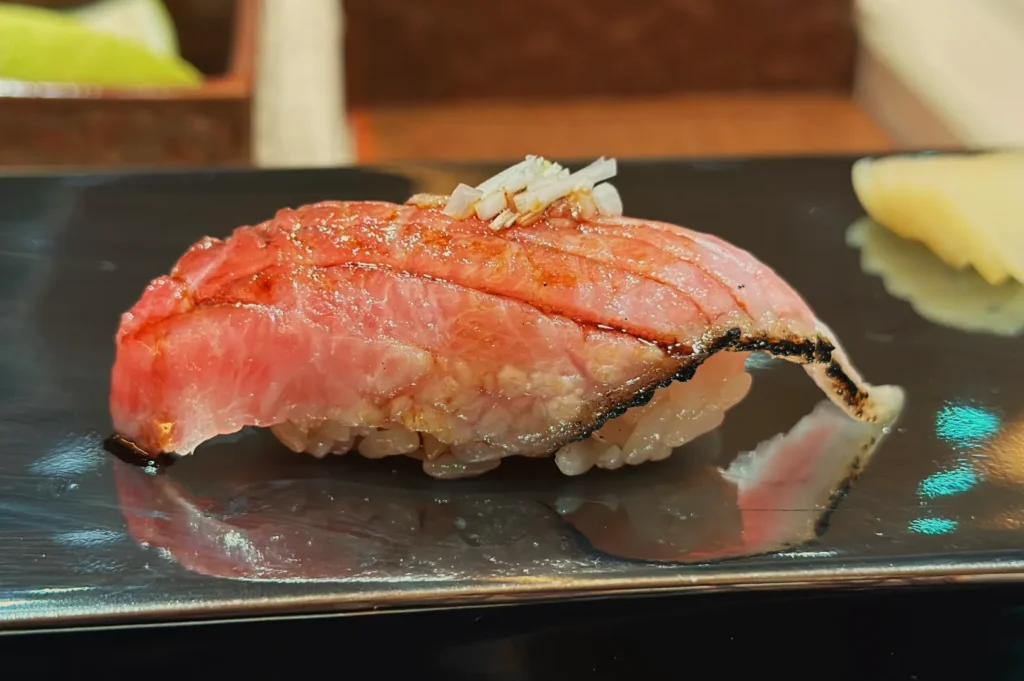
Across Singapore’s omakase restaurants, timing varies considerably. Some establishments offer lunch seatings alongside their dinner omakase, positioning the midday meal as a shorter, often more affordable omakase experience for guests short on time. Others focus solely on the evening, treating dinner as the definitive expression of their craft.
Sushi Masa by Ki-Setsu belongs firmly to the latter camp. We do not serve lunch courses, and this is a deliberate choice rather than an oversight. Our finest ingredients arrive fresh each morning from Japan, and the hours before service are reserved entirely for Chef Masa’s preparation, ensuring every substantial dish reaches the counter at its peak.
Dinner starts at 7:15pm, and that single, unhurried seating is where the full expression of our seasonal tasting omakase sets comes to life. For diners comparing lunch omakase and dinner omakase timing across the island, it is worth knowing that the two formats are rarely equivalent experiences. A lunch seating is often built for efficiency, while a dedicated dinner omakase allows a chef to draw out the full arc of a seasonal tasting menu based on that morning’s Toyosu Market delivery, without compromise.
Why Weekday Bookings Offer a Different Kind of Omakase Experience
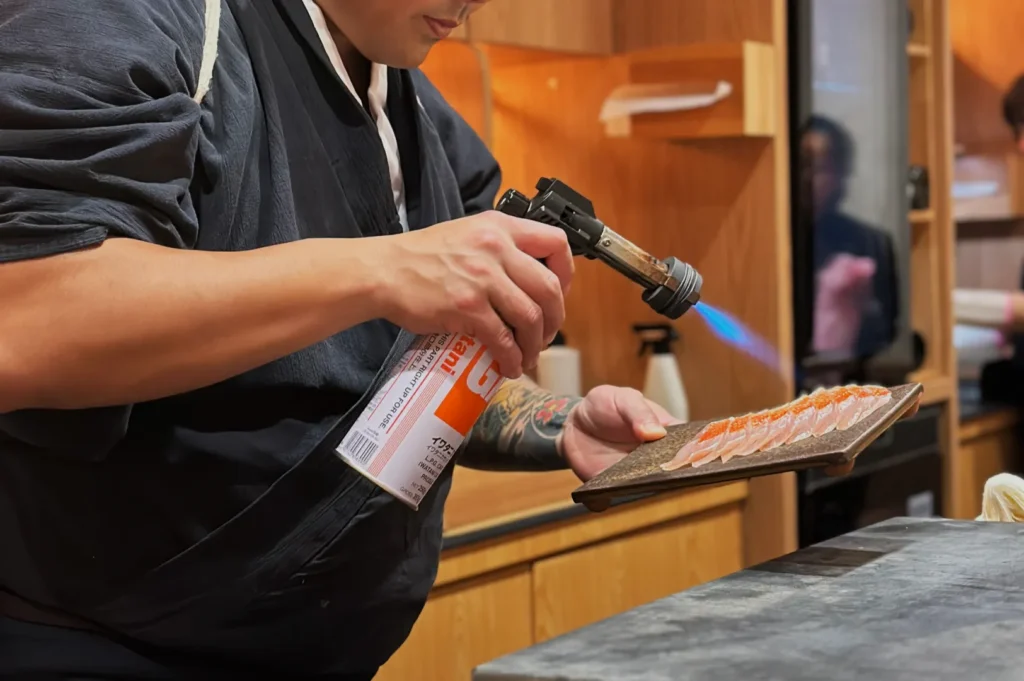
Weekend reservations at popular omakase restaurants tend to book out weeks in advance, and the atmosphere on a Friday or Saturday evening is understandably lively. Weekday omakase timing offers something quieter. With fewer guests navigating the same seatings, a chef can move through hot dishes and substantial courses at a pace that suits genuine conversation rather than table turnover.
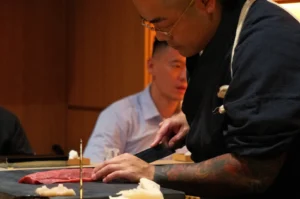
At our eight-seat sushi counter, this matters enormously. Every diner sits close enough to see each cut, each garnish, each small adjustment Chef Masa makes as the meal progresses. On a weekday, there is simply more room for that connection to happen naturally. In these quieter moments, the exchanges between chef and guest feel shaped by real curiosity rather than the bustle of a packed room.
Booking Early Still Matters
Even with the calmer pace of a weeknight, seats at an intimate counter are limited by nature. With only eight seats available each evening, we always encourage guests to book early, particularly if a specific date holds significance. A quieter Tuesday can still fill quickly once regulars and first-time diners alike discover the benefits of dining outside the weekend rush.
What Goes Into a Seasonal Tasting Menu
The heart of any good omakase lies in sourcing. At Sushi Masa by Ki-Setsu, our seasonal ingredients are flown in daily from Japan’s Toyosu Market, the successor to the legendary Tsukiji, and widely regarded as the benchmark for quality seafood worldwide. This daily sourcing shapes the entire seasonal tasting menu, meaning the courses served in early summer look quite different from those served in autumn.
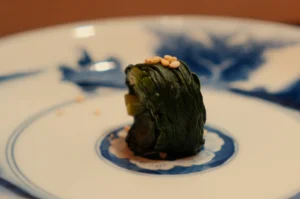
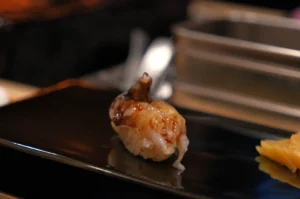
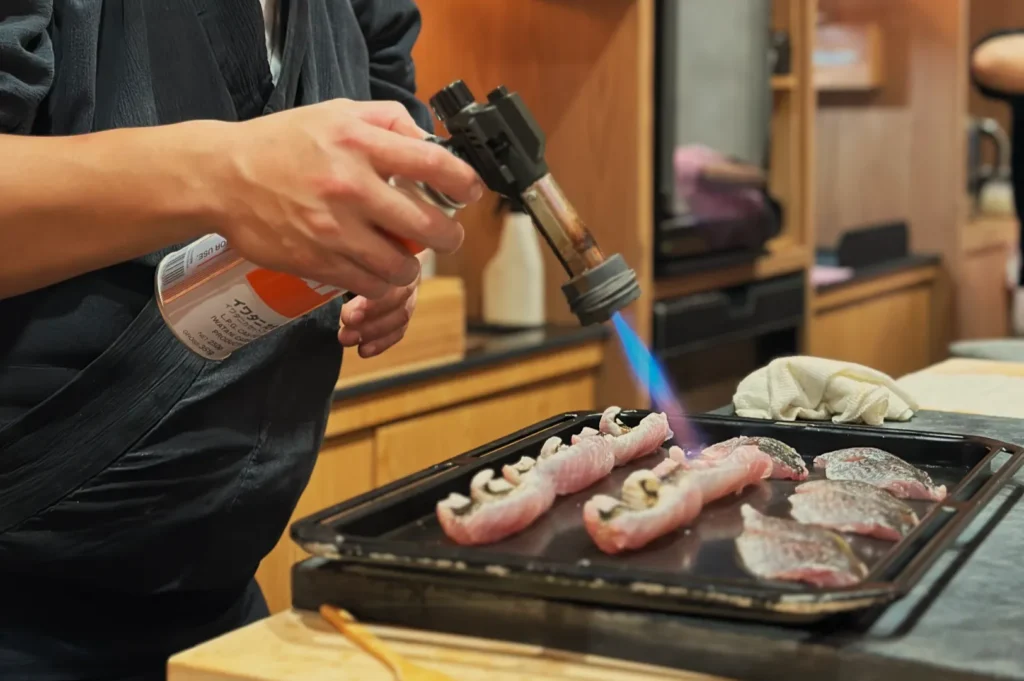
Seasonal sashimi, delicate nigiri, and the prized textures of Hokkaido uni all depend on this rhythm of freshness. A menu built around what is genuinely in season, rather than what is convenient to stock, is part of what separates a refined omakase from more casual sushi courses. We focus exclusively on seafood, with no meat included on the menu, allowing every course to stay true to the Edomae philosophy that underpins traditional Japanese sushi craftsmanship.
A typical evening at our counter might include:
Stage of the Meal | What to Expect |
|---|---|
Opening courses | Delicate seasonal sashimi selections showcasing the day's freshest catch |
Middle courses | A sequence of nigiri featuring seasonal sashimi and premium cuts such as sea urchin |
Hot dishes | Substantial, warmly prepared seafood courses that balance the lighter opening |
Closing course | A refined dessert that brings the seasonal tasting menu to a gentle finish |
This structure is not rigid, since the very nature of omakase means the sequence shifts with what is available. Still, the underlying principle remains constant: a good balance between texture, temperature, and intensity, guided entirely by the chef curating the evening.
The Craft Behind the Counter Seating
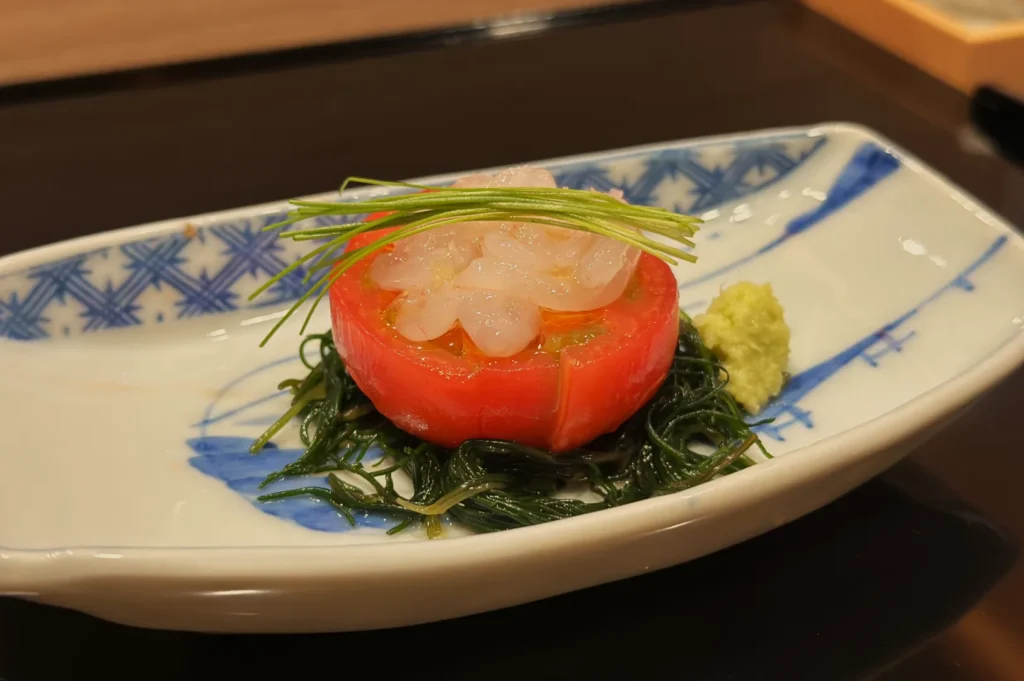
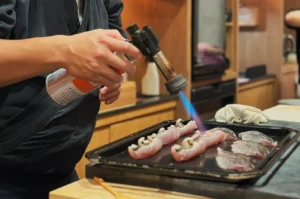
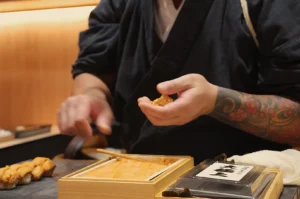
Counter seating is central to the omakase experience for a reason. It removes the distance between kitchen and table, allowing diners to watch sushi rice being seasoned, fish being sliced, and each nigiri shaped by hand. This proximity is part of what makes omakase feel less like a meal and more like a shared moment.
Chef Masa’s approach draws on years of dedication to Edomae technique, a tradition rooted in old Tokyo that emphasises precise knife work, careful curing, and a deep respect for the natural qualities of each fish. Rather than masking ingredients with heavy preparation, the goal is always to let the freshest seasonal ingredients speak for themselves. At our eight-seat counter, guests are not simply served a meal, they are invited to witness the process that produces it.
Omakase Pricing and What You Are Paying For
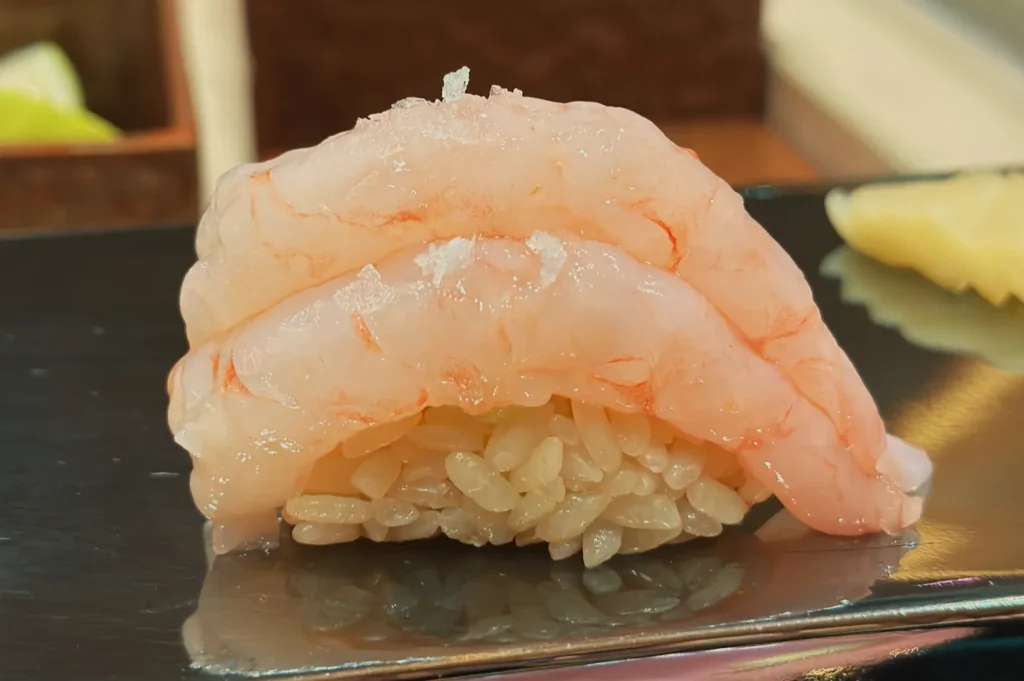
Omakase pricing often puzzles first-time diners, particularly when comparing an affordable omakase lunch elsewhere with a premium omakase dinner. The difference usually comes down to sourcing, seating, and time. A dedicated dinner omakase, prepared for a small number of guests using ingredients flown in that same day, naturally involves a different cost structure than a quicker, higher-volume lunch seating.
At Sushi Masa by Ki-Setsu, our pricing reflects daily Toyosu Market sourcing, an intimate eight-seat sushi counter, and a single chef preparing every course by hand rather than delegating across a larger kitchen. This is part of why we consider our omakase cost to represent genuine value rather than a simple transaction, an investment in craftsmanship, seasonality, and an evening that unfolds entirely around the guests present.
Where Singapore’s Omakase Scene Sits Today
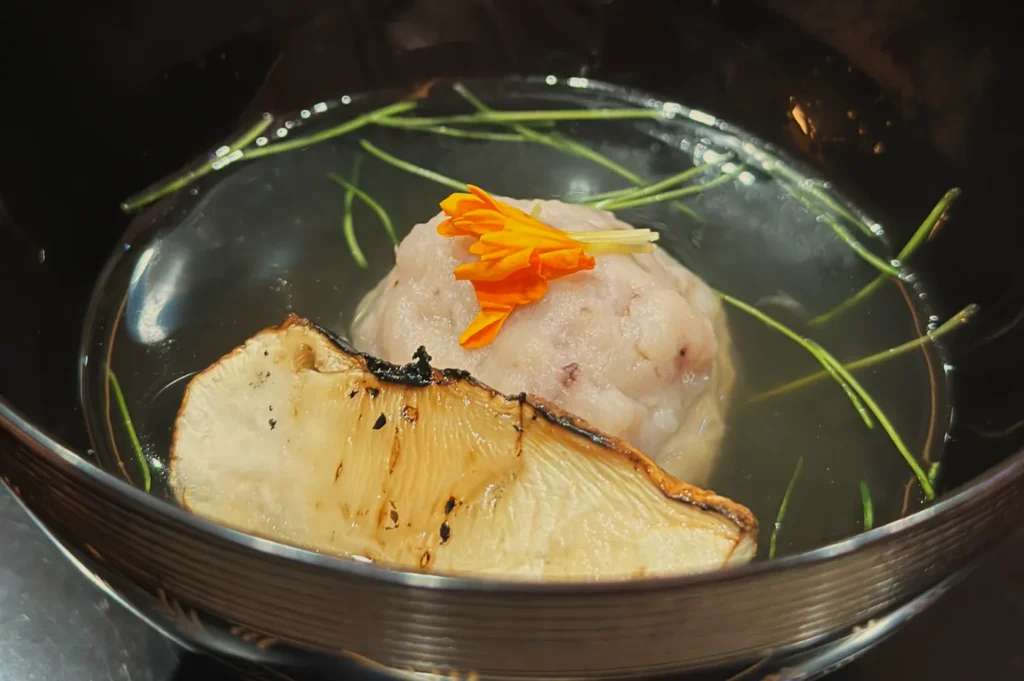
Singapore’s appetite for omakase has grown considerably in recent years, and restaurants now stretch across various popular dining districts such as Tanjong Pagar, Tras Street, and International Plaza. The scene is diverse, with a wide range of dining styles reflecting different chefs’ interpretations of the omakase format. Diners exploring omakase for the first time will find everything from casual sushi counters to considerably more formal settings, offering a broad spectrum of experiences.
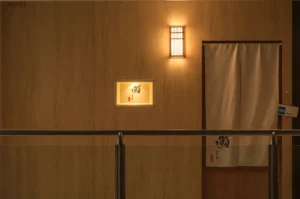
Sushi Masa by Ki-Setsu sits within this wider Singapore context but takes a distinctly focused approach. Tucked within Cuppage Plaza, our eight-seat sushi counter is intentionally small, favouring depth over scale. We are not attempting to be everything to every diner. Instead, our single dinner omakase is designed for those seeking a proper omakase experience built around seasonality, craftsmanship, and quiet attentiveness rather than volume.
Planning a Visit Around Weekday Timing
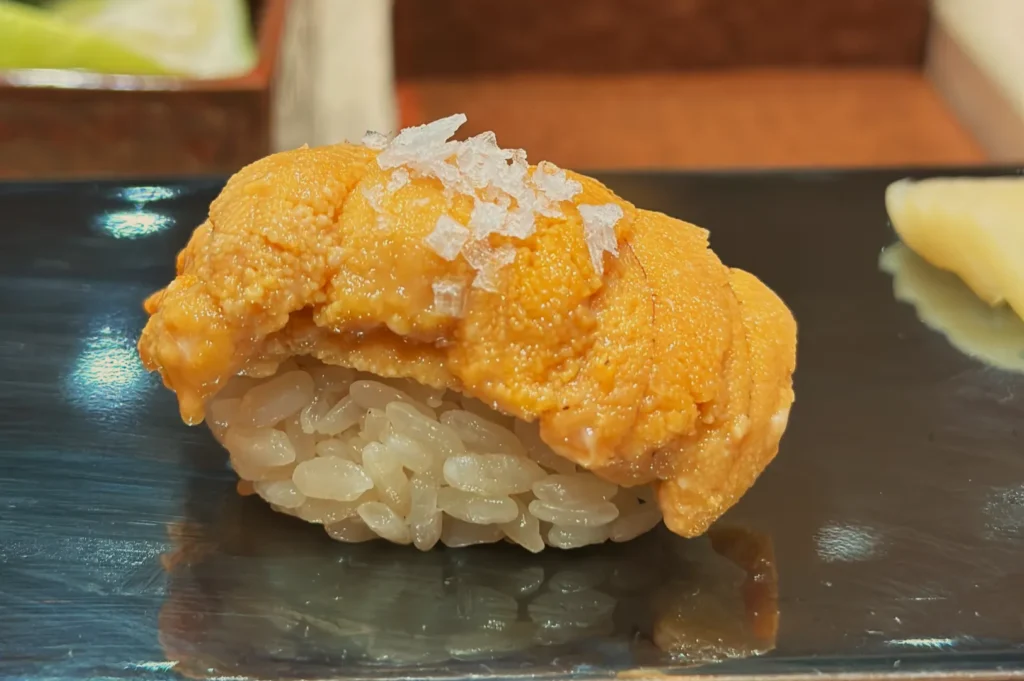
For diners weighing up when to book, weekday evenings offer a meaningfully different rhythm from the weekend rush. The food remains the same in quality and intention, since every seasonal tasting menu is built around that day’s freshest ingredients regardless of which evening you visit. What changes is the atmosphere: more space to talk, more time to watch the sushi counter at work, and a pace that allows each course to be appreciated rather than hurried through.
Whether you are marking a special occasion, introducing a friend to omakase for the first time, or simply looking for a good omakase experience without the weekend crowds, a weekday seating at our counter offers something genuinely different. We would encourage anyone curious about Japanese cuisine, seasonal sourcing, or the quiet craft behind each piece of nigiri to experience it firsthand.
Sushi Masa by Ki-Setsu welcomes diners for dinner from Tuesday to Saturday, with our eight-seat sushi counter offering an intimate setting for those ready to place their trust in the chef and the season. We look forward to sharing an evening with you.