A single dip of nigiri into soy sauce can change how your sake tastes. The sake in your glass has not moved. Yet after that salted, umami-rich bite, it may seem sweeter, softer, or suddenly sharp. This is not chance. Soy sauce is one of the most concentrated flavours on the counter, and it holds real power over what happens next.
This guide looks at how soy sauce shapes the perception of sake, why salinity sits at the heart of it, and what to keep in mind during an omakase meal. You will find the science, the five main soy sauce types, and a note on dipping etiquette that quietly affects everything.
Why Soy Sauce Holds So Much Power
Soy sauce delivers two forces at once: salt and umami.
Standard koikuchi soy sauce contains roughly 900 to 1,300 mg of sodium per 100 g. It also carries around 412 to 1,264 mg of glutamate per 100 g, plus additional umami peptides drawn out during fermentation. Few things on the table are this concentrated in both salt and savoury depth.
That combination makes soy sauce a dominant partner in any pairing. A few drops can reshape a delicate piece of fish, and by extension, the sake beside it. Understanding this is a core part of thoughtful sake pairing.
How Salt and Umami Change Sake
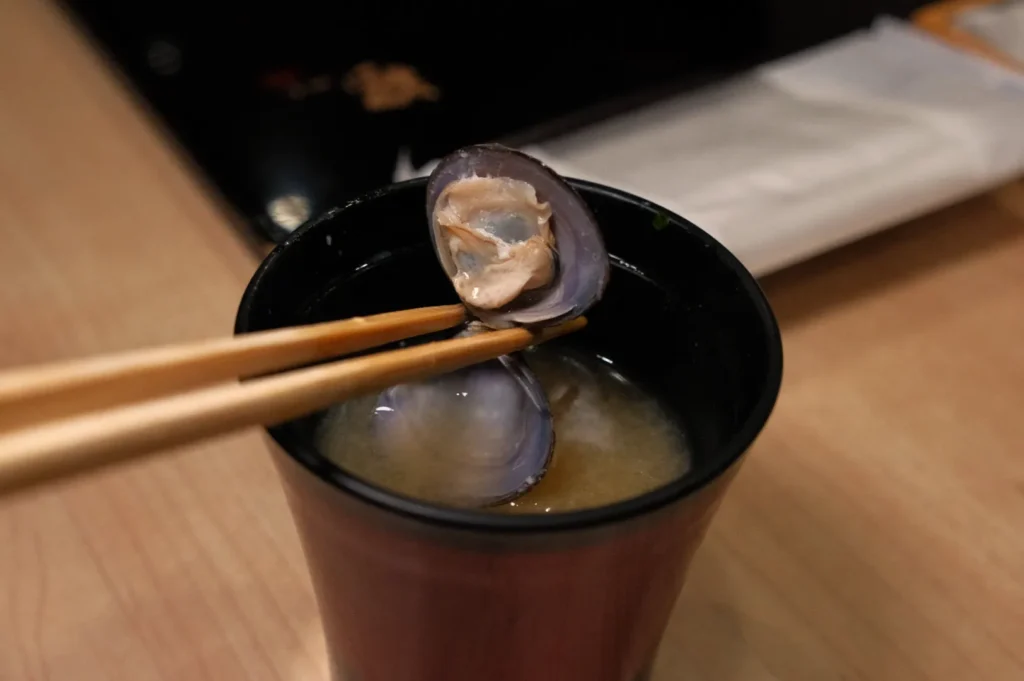
A bowl of clam miso soup with a clam shell being lifted by chopsticks.
The interaction works through a few clear mechanisms. These are drawn from taste science and long culinary observation, though results always shift with the dish, the fish, and the drinker.
Salt Suppresses Bitterness and Acidity
Salt softens the sharper notes in sake. It suppresses bitterness and acidity, which makes the same sake taste sweeter and fruitier after a soy-touched bite. A crisp, structured sake can feel rounder and more generous.
Glutamate Compounds with Glutamate
Sake carries its own glutamate. Soy sauce adds more. When the two meet, umami builds on umami, and the savoury impression deepens on both sides. This can be rewarding, though it can also tip into heaviness if the dish is already rich.
High Salt Can Unbalance Very Dry Sake
There is a limit. A high salt concentration can make a very dry sake taste sharp and unbalanced. Pair an ultra-dry sake with soy-heavy fish and the result may read as harsh, or simply too salty.
The practical takeaway: dishes seasoned heavily with soy sauce often sit better with sake closer to neutral or slightly negative on the Sake Meter Value (SMV). The gentle roundness meets the salt with more ease. This principle sits within broader sake pairing principles for seafood, where salinity guides many choices.
The Five Soy Sauce Types and Their Pairings
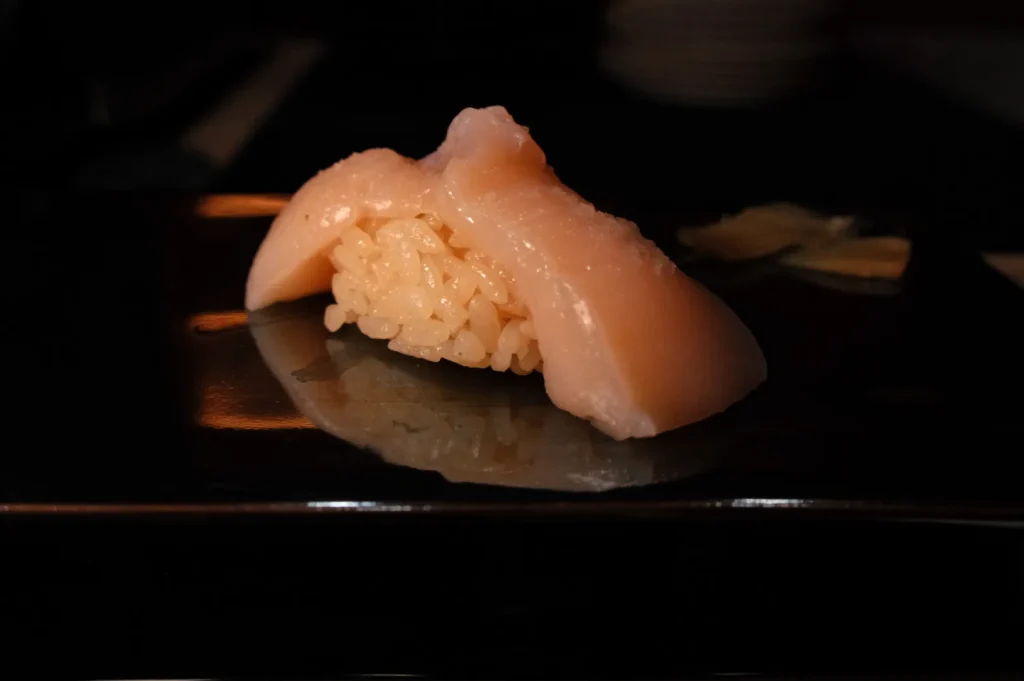
Not all soy sauce is the same. Japan officially recognizes five types under the Japan Agricultural Standards, each carrying a different balance of salt, sweetness, and depth. The pairings below are informed starting points, not fixed rules. Serving temperature and personal preference will always shape the final impression.
- Koikuchi (dark, standard). Rich, salty, and deep in umami. It tends to suit medium-bodied Junmai or Junmai Ginjo, which can meet its weight without being flattened.
- Usukuchi (light colour). Saltier yet lighter in umami. A lighter Honjozo or Ginjo often works well, keeping the exchange clean rather than dense.
- Saishikomi (twice-brewed). Very rich, sweet, and complex. It calls for a full-bodied Junmai or a Kimoto with enough structure to hold its ground.
- Shiroshoyu (white, wheat-based). Light, sweet, and delicate. A refined Daiginjo can match its softness without overpowering it.
- Tamari (wheat-free). Thick, intense, and concentrated. A rich Junmai or an aged sake tends to stand beside its depth with poise.
These groupings help, but no single pairing is universally best. Two sake within the same category can taste quite different, so treat each bottle on its own terms.
Nigiri Dipping Etiquette and Its Effect on Sake
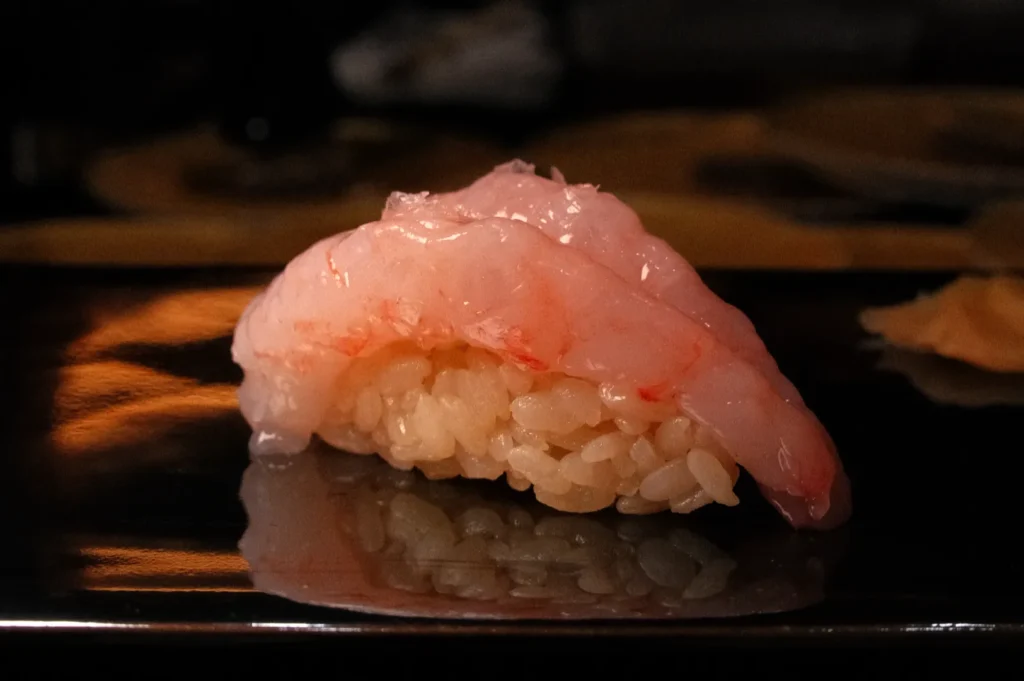
Etiquette here is not about manners alone. It changes flavour, and therefore your pairing.
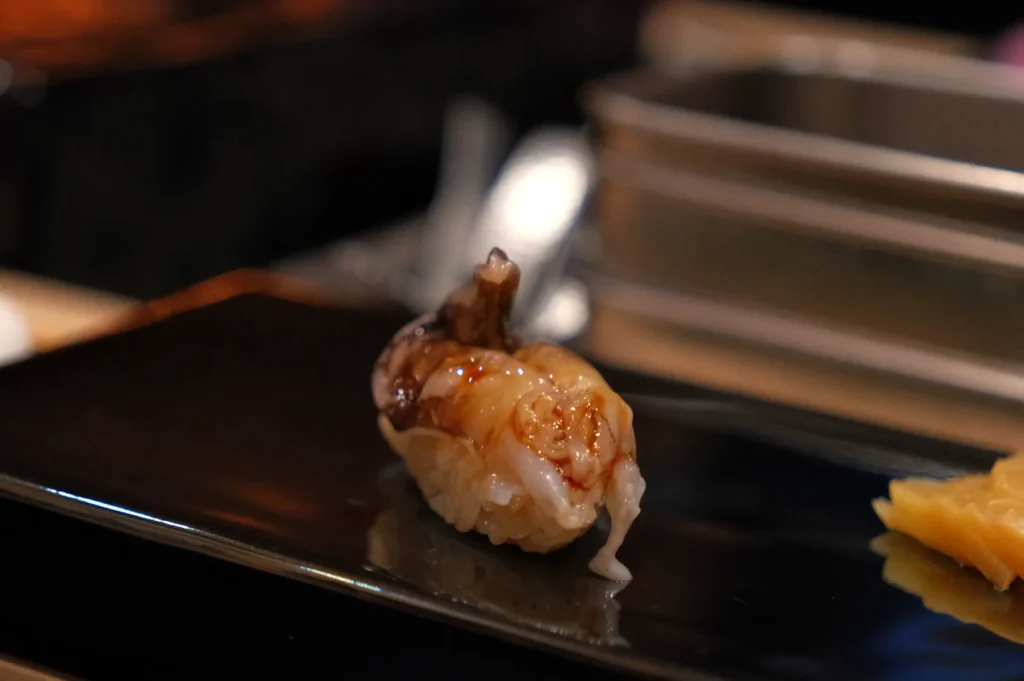
When you dip nigiri rice-side-down, the rice acts like a sponge. It absorbs too much soy sauce and disrupts the balance the chef built into it. The careful ratio of vinegar, salt, and sugar in the rice shifts. The clean aroma of freshly grated wasabi fades under the salt.
For the sake, this matters. An over-soyed piece of nigiri arrives saltier and more umami-dense than intended. That extra load can overwhelm a delicately balanced sake, pulling a considered pairing off course.
If you want to protect the balance: Turn the piece and let only the fish touch the soy sauce, lightly. The rice stays as the chef seasoned it, and the sake keeps its footing.
Where Balance Becomes Part of the Meal
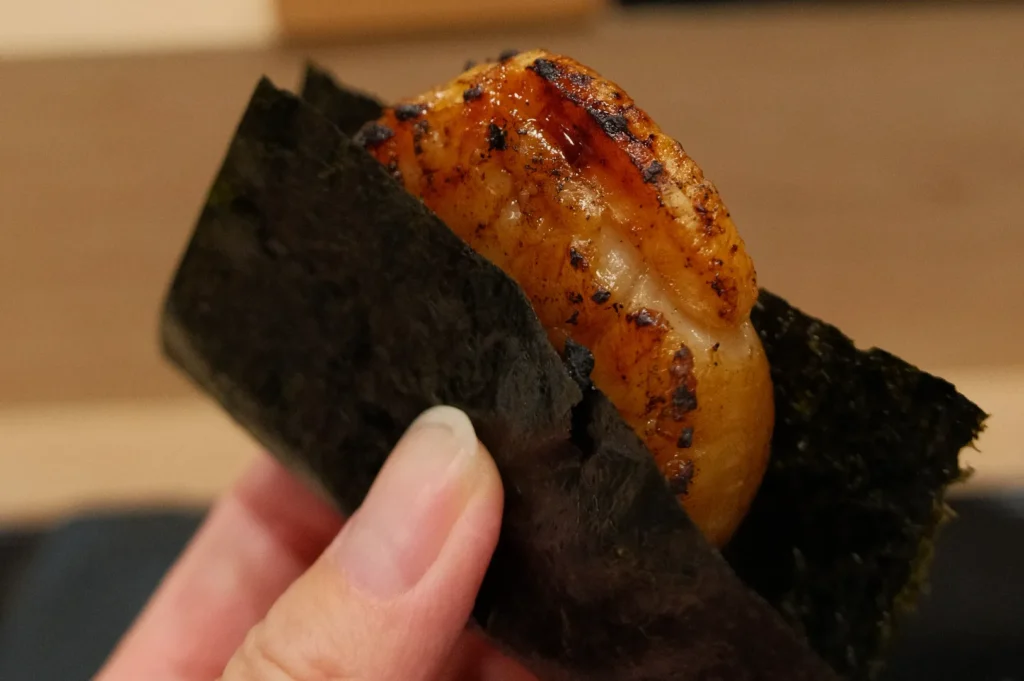
At an omakase counter, this balance is quiet, deliberate work. The soy seasoning and the sake selection are considered together, piece by piece, so neither drowns the other.
You can experience this attention at Sushi Masa in Cuppage Plaza, an intimate eight-seat Japanese omakase counter at 5 Koek Road, #06-03 Cuppage Plaza, Singapore 228796, near Orchard Road. Here, the relationship between soy seasoning and sake is part of the dining experience rather than an afterthought.
Bringing It Together
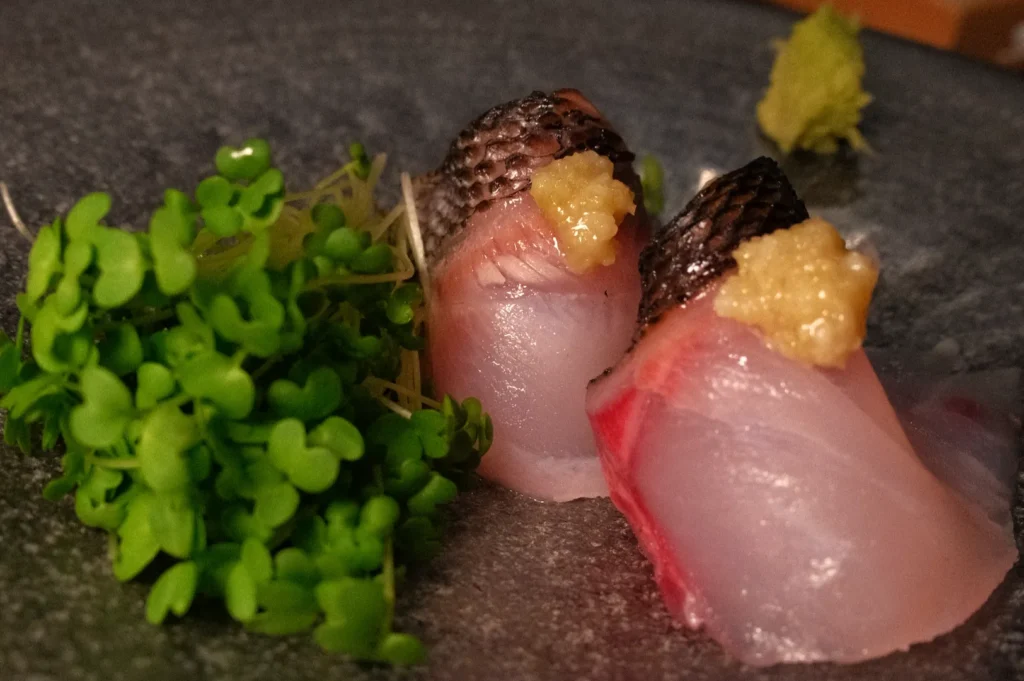
Soy sauce shapes sake through salt and umami. Salt suppresses bitterness and acidity, so sake reads sweeter and fruitier. Glutamate deepens the savoury exchange. Too much salt, though, can leave a very dry sake feeling sharp, which is why softer, more neutral styles often suit soy-heavy dishes.
Match the soy sauce type to a sake with the right weight, dip with a light hand, and let the rice stay as it was made. Remember that preparation, seasoning, temperature, and your own palate all play a part.
Next time sake sits beside a soy-touched bite, taste before and after. Notice the shift. That small pause is where real pairing begins.