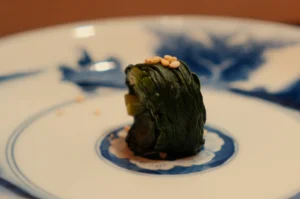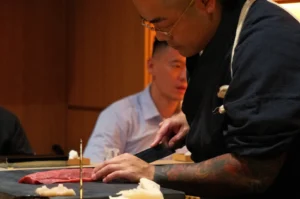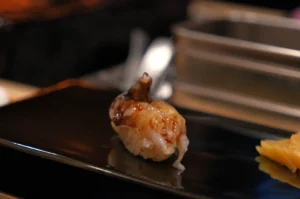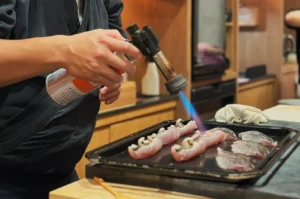
An omakase meal is not a single note held for two hours. It moves. It begins soft, then deepens, then settles. Each course arrives with intention, and the sake beside it ****should follow the same quiet arc.
This is the heart of a good sake progression omakase: the drink evolves as the food does. A single bottle rarely carries an entire meal. Professional pairing usually means switching styles at a few strategic points, letting each transition feel earned rather than abrupt.
Progressive Intensity: The Shape of the Meal
Omakase course order follows one guiding principle. Lightness first. Richness later.
The opening dishes are delicate and clean. The middle builds structure and fat. The closing courses offer comfort and resolution. Sake style progression mirrors this shape, moving from bright and cool toward full and warm, then returning to something crisp at the very end.
Think of it as building intensity pairing, one course at a time. When the food gains weight, the sake gains body. When the food warms, the sake often warms too.
The Six Phases, From Zensai to Dessert Sake
Here is a working omakase pairing template. Treat it as a starting point, not a rule. Preparation, seasoning, serving temperature, and personal taste all shift the outcome.
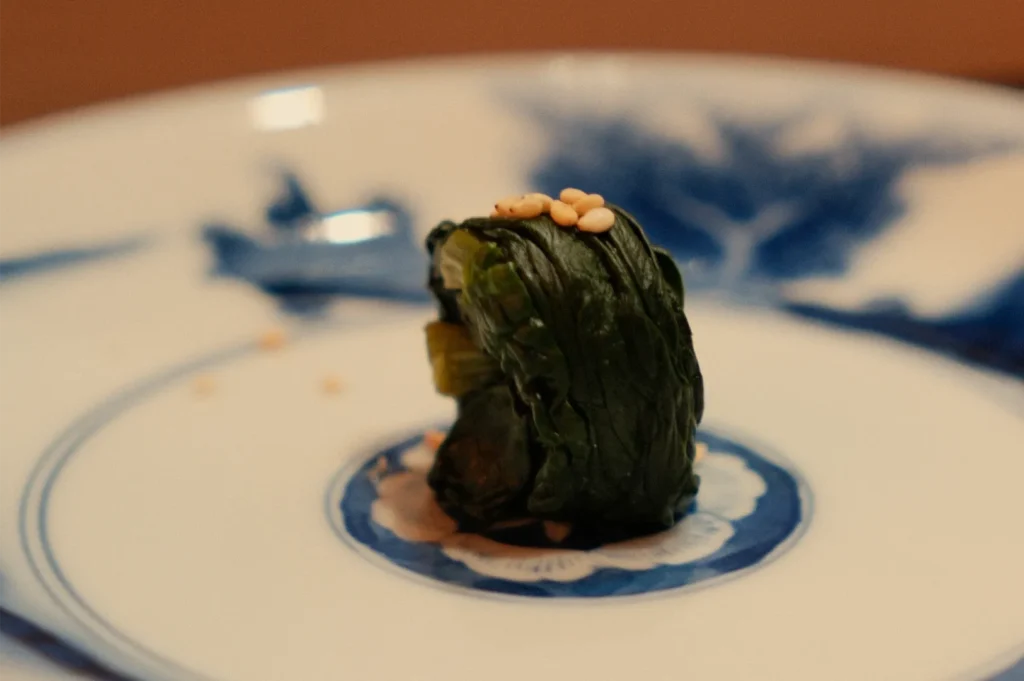
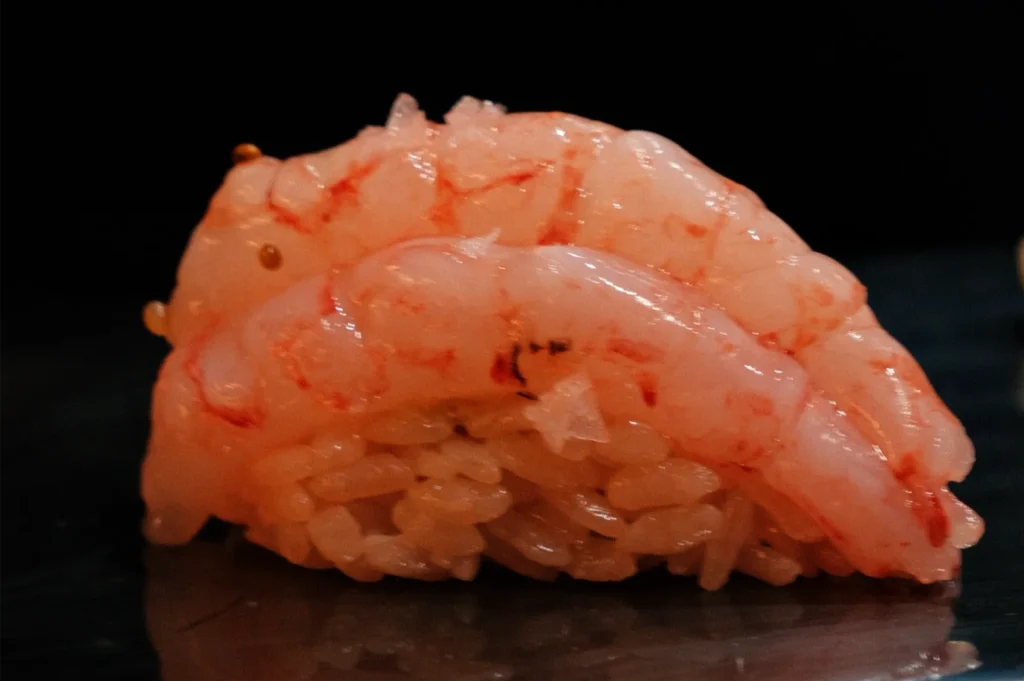
Opening (zensai): Light, bright, gently aromatic. A Junmai Ginjo served chilled at hana-bie, around 10°C, or a dry Daiginjo. Cool and fragrant sake suits the delicate first bites. Research by Nakamura et al. (2017) points to an optimal sake and sashimi temperature of 10 to 12°C, which sits neatly within this opening range.
Development (shiromi and hikarimono): White fish and silver-skinned fish call for restraint. A dry Junmai or Honjozo, still chilled, keeps the pairing elegant without overpowering the subtle flesh.
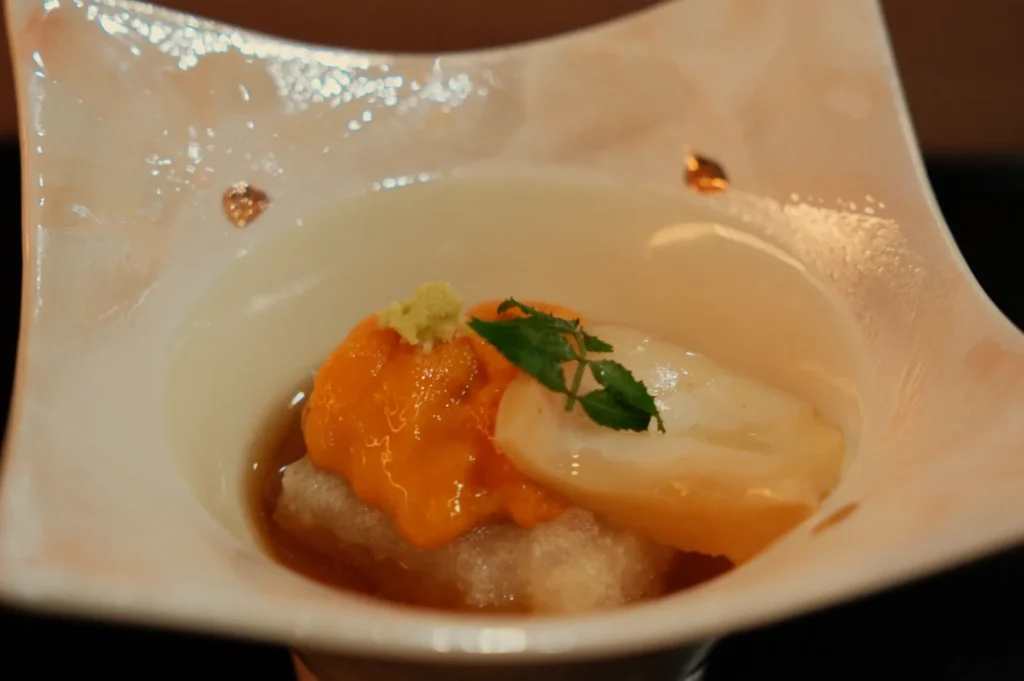
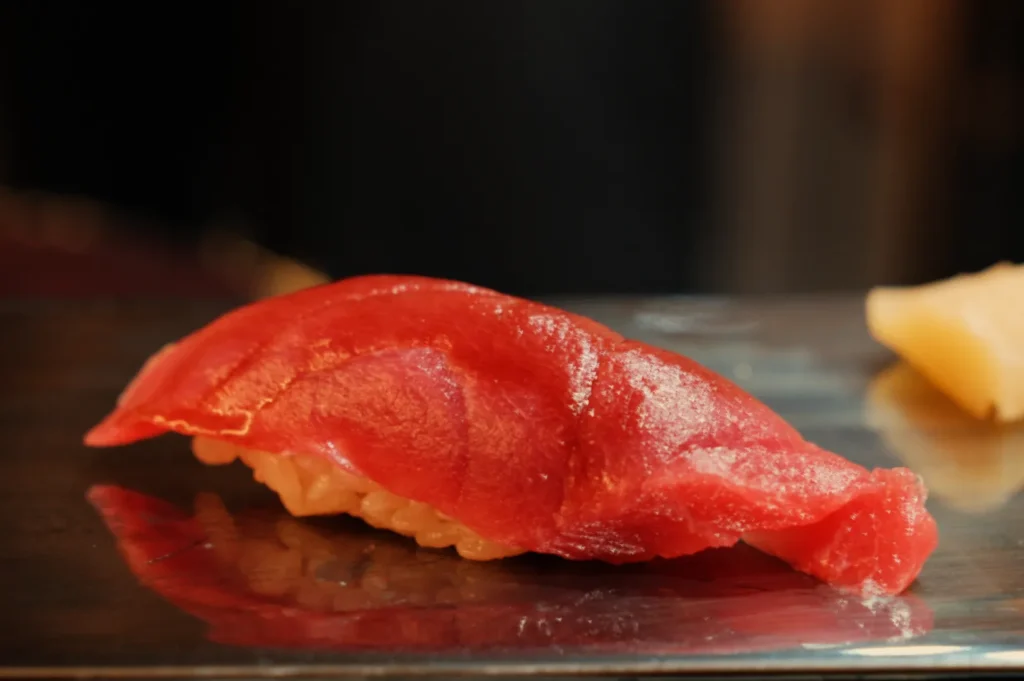
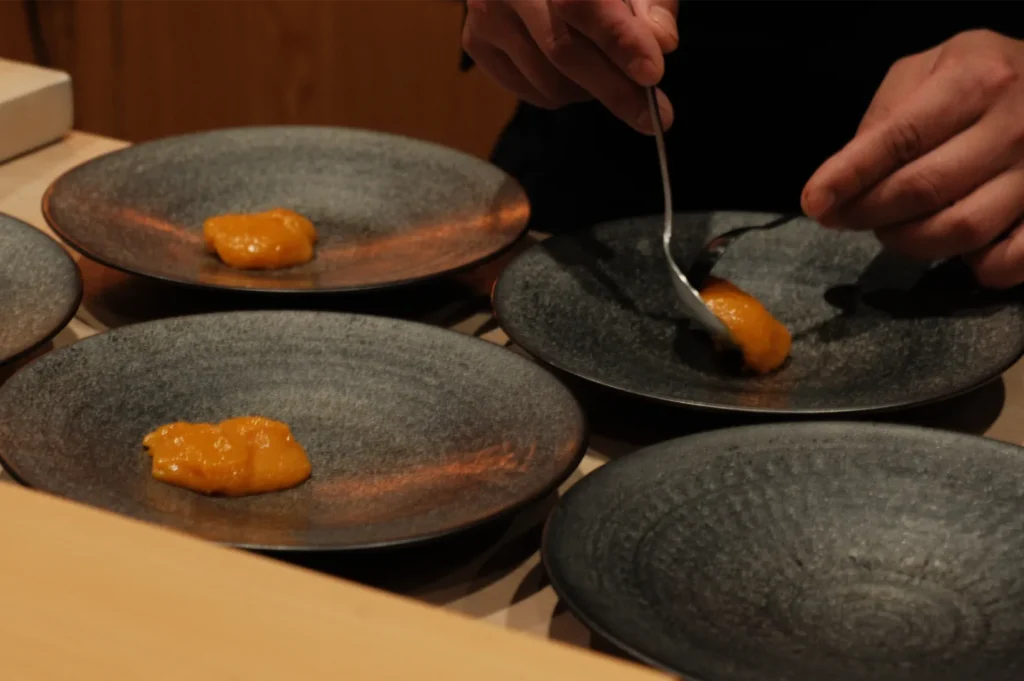
Climax (akami and toro): As tuna deepens toward otoro, and uni arrives, the sake fills out. A richer Junmai or a restrained Kimoto, served closer to room temperature, meets the fat and umami with more presence.
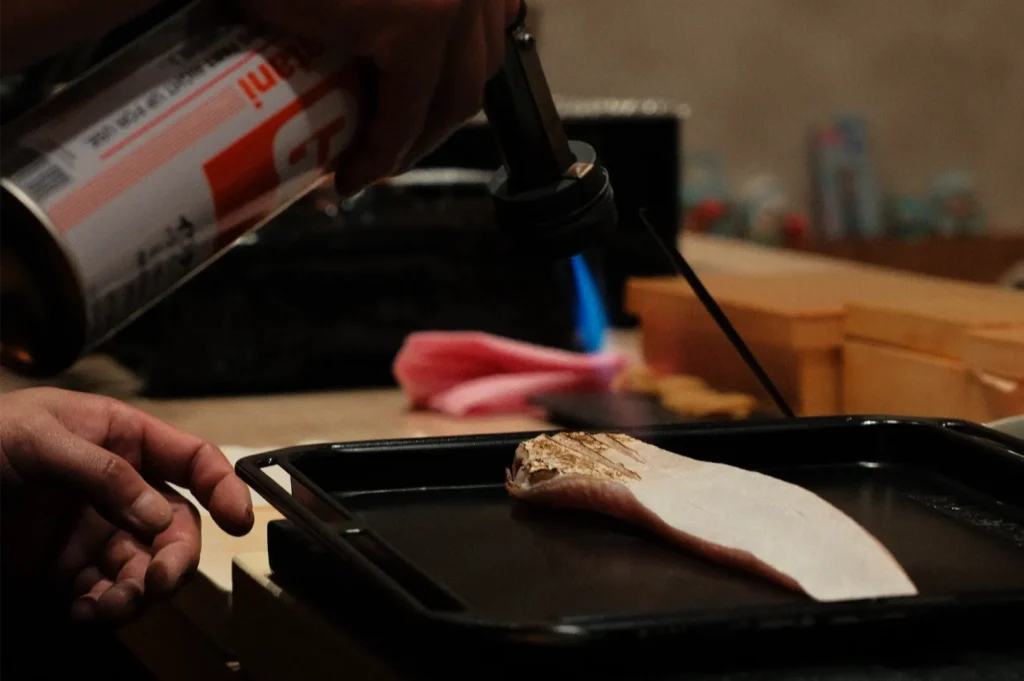
Transition (yakimono and nimono): Grilled and simmered dishes bring warmth to the counter. Warm sake answers well here. A Kimoto or Yamahai at nuru-kan, around 40°C, up to jo-kan at 45°C, carries the heat and depth of cooked plates.
Resolution (gohan and osuimono): Rice and soup close the savoury chapter. A warm, comforting Junmai at jo-kan brings the meal to a gentle rest.
Finale: For a clean finish, a sparkling or lightly sweet sake, served very cold. From zensai to dessert sake, the palate arrives refreshed rather than heavy.
Not every sake within a category tastes the same. A Junmai from one brewery can feel worlds apart from another. Let the specific bottle, and the specific dish, guide the choice.
Two Ways to Pair: Complementary and Contrasting
There are two philosophies behind complementary contrasting pairing.
Complementary pairing matches like with like. Fatty otoro beside a rich, full-bodied Junmai creates a layered, echoing effect, one richness meeting another.
Contrasting pairing does the opposite. A crisp Junmai Ginjo set against fatty hamachi cuts through the oil, keeping the mouth clean and the meal feeling light.
As Master Sake Sommelier Joshua Kalinan notes, contrast generally stops an omakase meal from becoming heavy. Sushi already carries a great deal: fat, umami, soy sauce, and rice vinegar. A thoughtful pairing should refresh the palate, reset the mouth for the next piece, and lift the rice and fish together rather than weigh them down.
Transition Triggers: When to Switch
Certain shifts on the plate signal a change in the glass. These course transition sake cues are worth watching:
- Raw to cooked: Move from lighter to fuller, cooler to warmer.
- Lean to fatty: Move from delicate to structured.
- Cold to warm food: Let the sake temperature rise to meet it.
- Light to rich seasoning: Give the sake more weight to hold its ground.
Each trigger marks a natural point to change styles. You are not switching for novelty. You are switching because the food has asked you to.
The WSET Framework
For those who like a clear structure, WSET sake pairing rests on four essential approaches:
- Match intensity: Delicate food, delicate sake. Bold food, bolder sake.
- Balance the five flavours: Consider sweetness, acidity, saltiness, bitterness, and umami together.
- Pair by similarity: Congruent pairing links shared textures and flavours.
- Consider temperature: The same sake can feel entirely different chilled, at room temperature, or warmed.
These four principles hold whether you follow them by instinct or by method.
For guests who wish to explore premium bottles before shaping their own progression, our guide to the best sake Singapore offers a useful place to begin.
Where the Progression Comes to Life
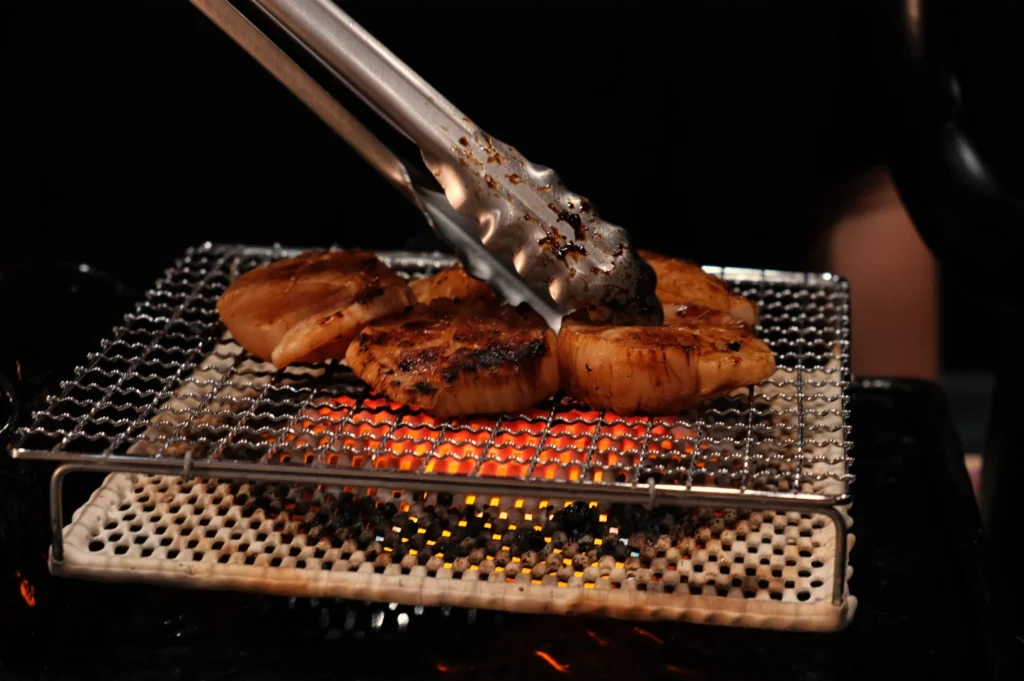
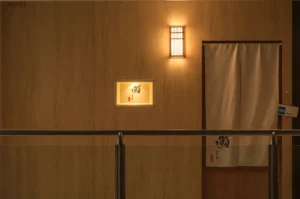
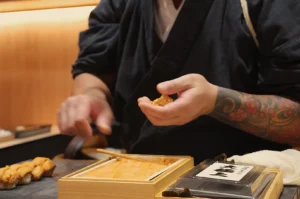
At Sushi Masa by Ki-Setsu, an intimate eight-seat omakase counter at 5 Koek Road, #06-03 Cuppage Plaza, Singapore 228796, near Orchard Road, the movement from a delicate opening through to a satisfying resolution is part of the designed experience. Eight seats. Quiet focus. Course by course, the meal finds its shape.
The progression is felt, not announced.
A Framework, Not a Formula
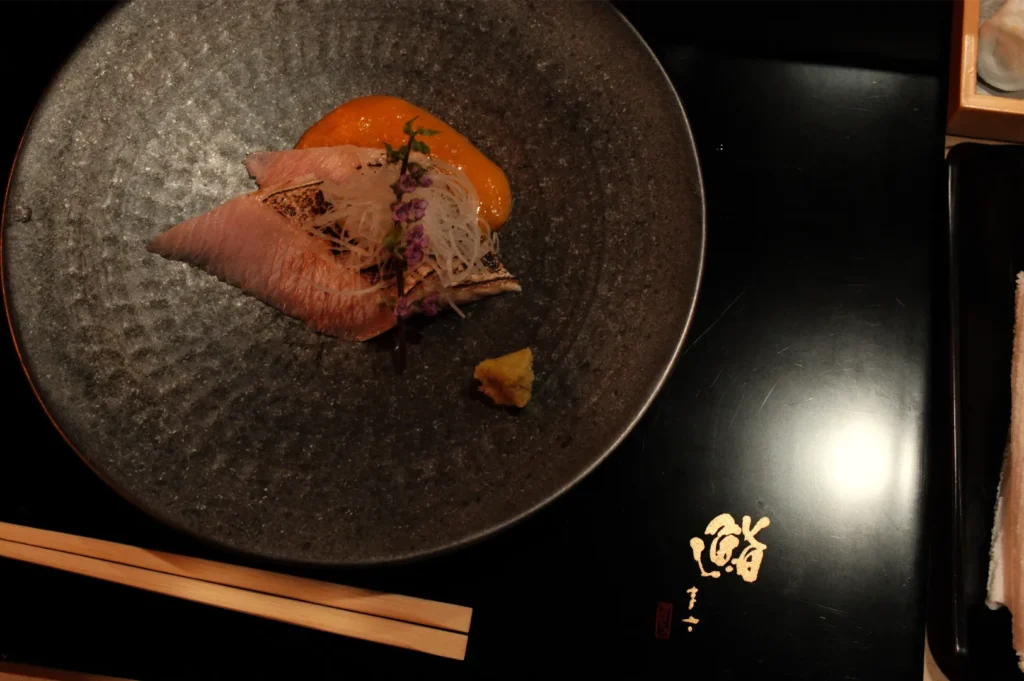
Sake pairing across an omakase meal is dynamic and responsive. There is no single correct bottle, no progression that is objectively the best. What works depends on the fish, the season, the preparation, and the person seated at the counter.
Use these ideas as scaffolding. Then trust the meal in front of you. For a fuller view of how the pieces fit together, our overview of Japanese sake pairing for omakase gathers the principles behind building a progression.
Light to rich. Cool to warm. One course leading to the next.
That is the quiet logic of it all.