An anniversary deserves more than a hurried lunch squeezed between errands. It calls for a moment set apart, an evening where the ordinary pace of the week is allowed to slow down and the two of you can simply be present with one another. This is the quiet logic behind an anniversary omakase: a Japanese omakase built not around a fixed menu of familiar dishes, but around trust, seasonality, and the personal attention of a single chef who has spent the day thinking about what the sea has to offer.
At Sushi Masa by Ki-Setsu, we have watched this kind of evening unfold many times, and it never loses its charm.
Why a Special Occasion Deserves an Omakase Evening
The word omakase means, roughly, “we leave it to you.” For a special occasion like an anniversary, that surrender is precisely the point. Instead of scanning a menu and negotiating between preferences, both guests can simply arrive, sit at the counter, and let the evening unfold course by course. There is something quietly romantic about this kind of trust. It removes decision fatigue from the table and replaces it with anticipation.
An anniversary is, after all, a celebration of continuity: of a relationship that has grown a year older, a little wiser, and hopefully a little closer. A dinner that mirrors that sense of unfolding, one dish revealing itself after another, feels more fitting than a static plate chosen from a printed list. At Sushi Masa by Ki-Setsu, every evening is guided in this way, with Chef Masa selecting each course according to what arrived fresh that day rather than what has always been on offer.
Setting the Right Expectation
Guests who are new to omakase sometimes arrive with the expectation of a rigid, formal ritual. In practice, the evening is warmer than that. There is conversation, there is comment on the fish as it is served, and there is space to ask questions about technique or origin. The formality lies in the craftsmanship, not in the atmosphere. It is this balance that helps make an omakase a truly romantic evening experience.
For any diner sitting down to their first omakase, it also helps to understand that the evening is designed to be followed rather than directed. There is no ordering back and forth, no second guessing what to try next. A guest who simply follows Chef Masa’s lead, course after course, tends to enjoy the evening far more than one who arrives with a fixed idea of what a Japanese dinner should look like. This is, in many ways, the whole appeal: an evening where expectation gives way to discovery.
Seasonal Ingredients: The Heart of Japanese Cuisine
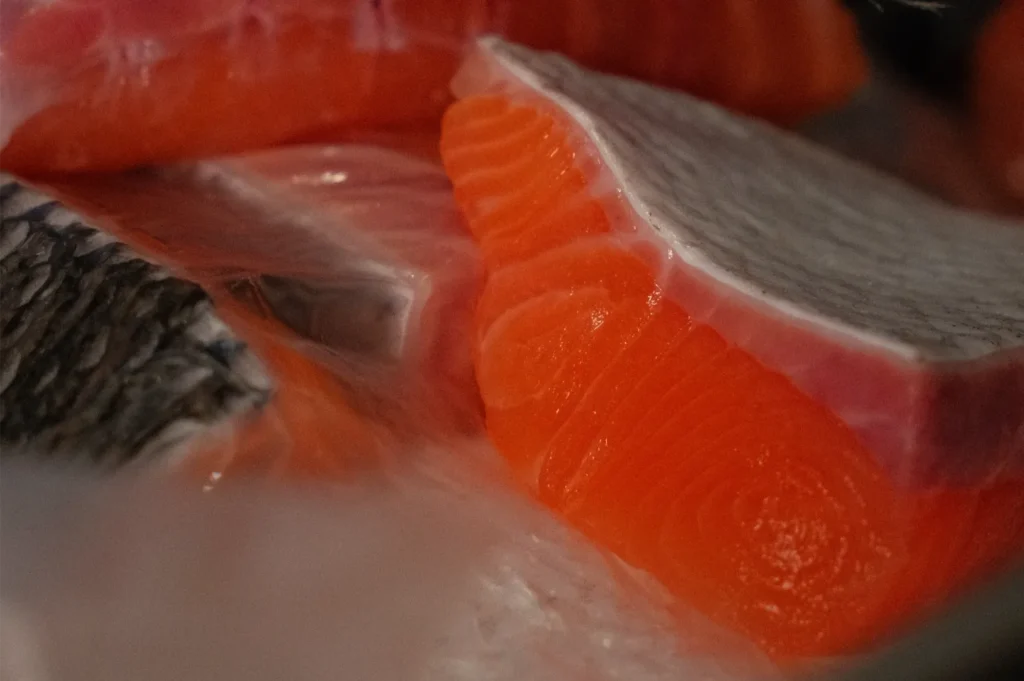
Central to any respectable omakase is seasonality. Japanese cuisine has always followed the calendar closely, with each month bringing its own expectation of what fish, shellfish, or vegetable is at its peak. A chef who ignores this rhythm is, in a sense, ignoring the entire philosophy of the cuisine. Seasonal ingredients are not simply a marketing phrase; they are the reason a piece of fish tastes the way it does on a given evening, whether that is the natural sweetness of a fattier cut in the cooler months or the cleaner, lighter texture of certain fish in warmer weather.
At Sushi Masa by Ki-Setsu, this philosophy is taken seriously. Ingredients are flown in daily from Japan’s Toyosu Market, arriving in Singapore in time to be prepared fresh for that evening’s service. This is not a convenience; it is a discipline. Freshness of this kind cannot be stockpiled or planned weeks in advance. It has to be pursued, day after day, week after week.
From Toyosu Market to the Counter
The journey from Toyosu to a plate at our eight seat counter is short in distance travelled but long in dedication. Chef Masa follows the market closely, understanding which fish are at their best in any given week and building the evening’s courses around that reality rather than a predetermined script. Guests seated at the counter can watch this process directly, which is part of why an omakase counter feels so different from an ordinary dining room. There is no kitchen door separating preparation from presentation.
A Dinner Service Paced Around the Two of You
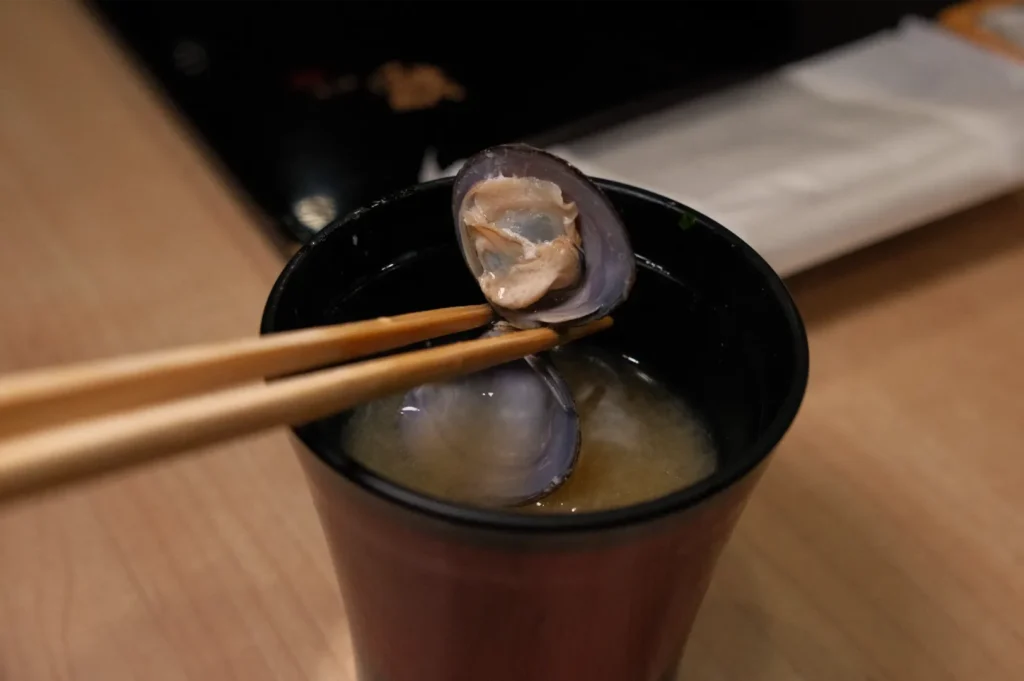
A well run dinner service does not rush. For an anniversary in particular, pacing matters. Each course should arrive with enough space around it to be noticed, tasted properly, and discussed if the mood allows. Sushi and sashimi are, after all, dishes built on restraint. A single cut of fish, precisely sliced sushi rice, a light touch of seasoning: the balance between these elements is easily lost if a course is served too quickly or too casually.
This is where the intimacy of a small setting matters. With only eight seats at the counter, Sushi Masa by Ki-Setsu keeps each evening close and unhurried. Chef Masa is able to read the room, adjusting the timing of each course according to how the evening is going rather than following a fixed clock. For a couple marking a birthday, an anniversary, or simply a quiet evening together, this kind of attentiveness is difficult to replicate at a larger, busier restaurant.
The Quiet Mastery Behind Every Course
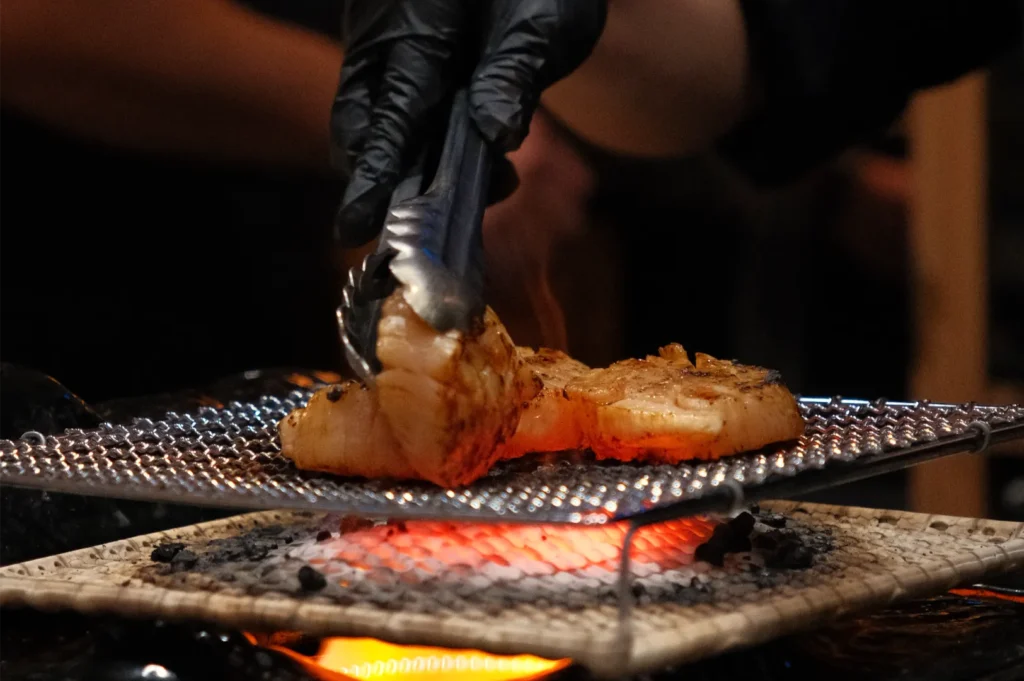
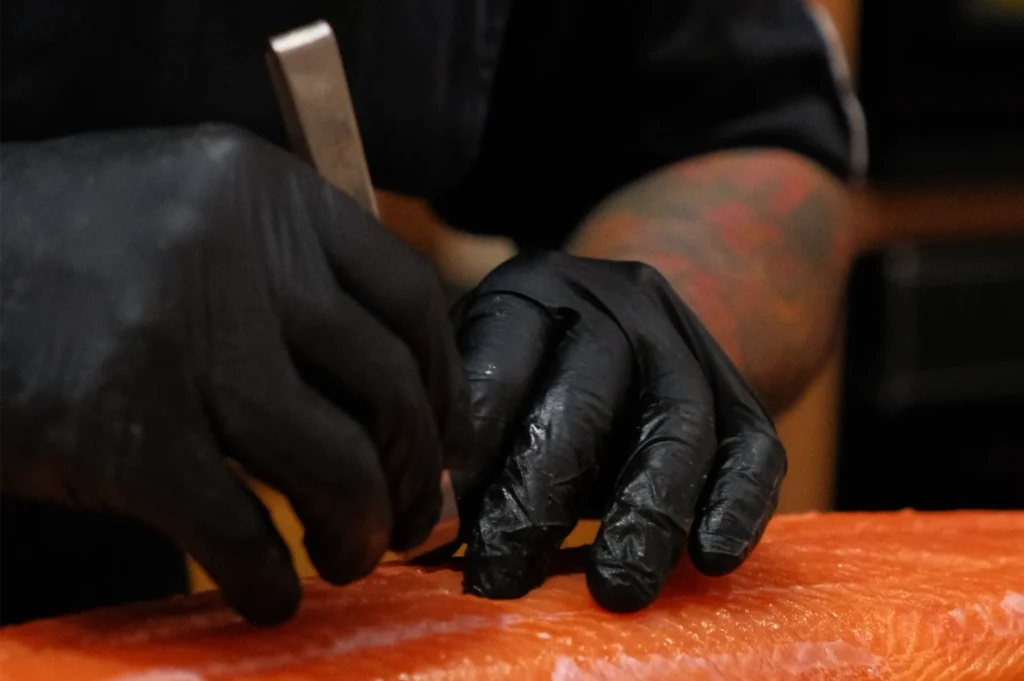
Mastery in Japanese cuisine rarely announces itself loudly. It shows up in restraint: in what is left off the plate as much as what is placed on it. A skilled hand does not need excessive garnish or elaborate presentation to impress a diner. The elegance comes from technique, from years spent understanding how sushi rice should be seasoned, how a knife should move through a fillet, and how the temperature of a hand can affect the texture of nigiri.
Chef Masa’s approach follows the Edomae tradition, a heritage of sushi making that began in old Tokyo and still shapes how a proper counter service is run today. This is not about novelty for its own sake. It is about honouring technique that has been refined over generations, then applying it with attention to whichever ingredients that week’s seasonality has provided. Every dish that reaches the counter at Sushi Masa by Ki-Setsu carries that lineage, even when the specific fish or preparation changes from one evening to the next.
Guests sometimes ask what makes one piece of sushi noticeably better than another. The honest answer is rarely a single dramatic ingredient. More often it is a set of small decisions: the freshness of the catch, the seasoning of the rice, the precise moment the fish is sliced before serving, and the discipline of a chef who resists the temptation to overcomplicate a dish that is already, quietly, complete.
For guests who enjoy a paired drink alongside their courses, a well chosen sake can showcase the same seasonality as the fish itself. Certain styles sit more comfortably beside the cleaner, lighter courses served earlier in the evening, while a rounder, fuller sake tends to suit the richer cuts that arrive later. It is a small detail, easily overlooked, but one more example of how much thought can go into a single evening when the person preparing it treats every element as part of one continuous idea rather than a list of separate dishes.
Choosing the Evening and Making a Request
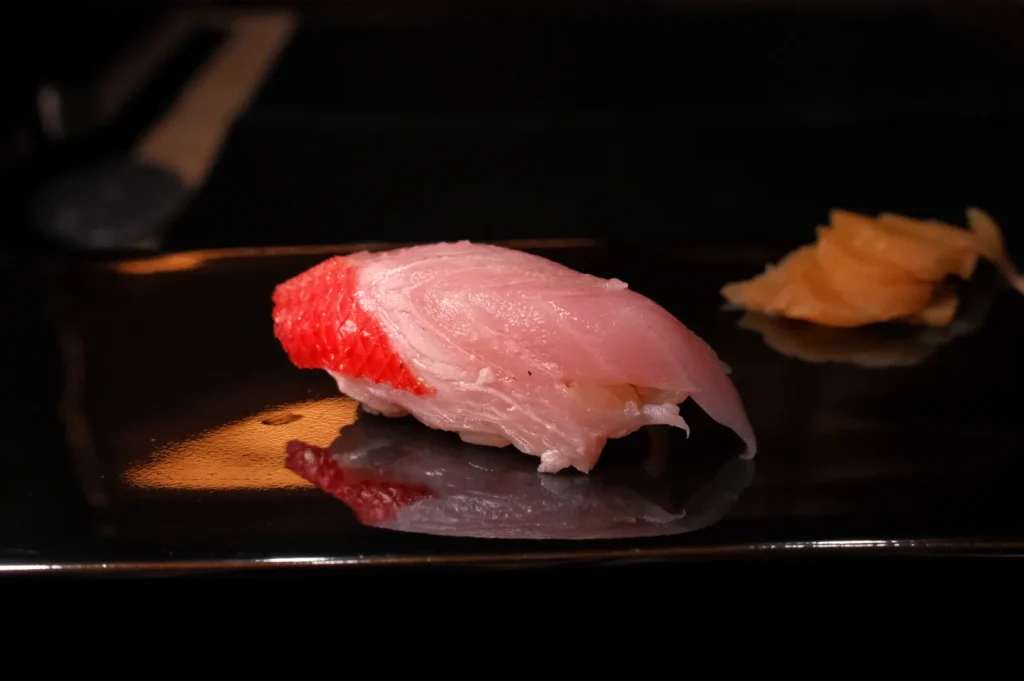
An anniversary omakase is worth planning ahead. Dinner service at Sushi Masa by Ki-Setsu runs from Tuesday to Saturday, with private bookings available on Sunday for guests who would like the counter to themselves. We are closed on Monday, which gives Chef Masa the time needed to source and prepare for the week ahead. Because the counter seats only eight guests each evening, reservations are recommended well in advance of the date you have in mind, particularly around anniversaries, birthdays, or other occasions guests tend to plan around a specific week or weekend.
If you have a particular request, whether that is a preference to note, a small celebration to mark quietly at the table, or a question about what the evening might involve, our concierge is glad to help before the date arrives. Reservations can be made through our website or by email, and any specific requests are best flagged at the time of booking so that Chef Masa can take them into account while planning the evening’s courses.
We understand that guests weighing where to celebrate often think about price alongside experience. What we would offer instead is a different way to think about value: an evening built entirely around a single chef’s attention, sourced daily rather than stocked in advance, and paced for two people rather than a crowded room. That is not something easily measured against a set number on a page. It is closer to the difference between a meal and an occasion.
A Fitting Way to Mark the Year
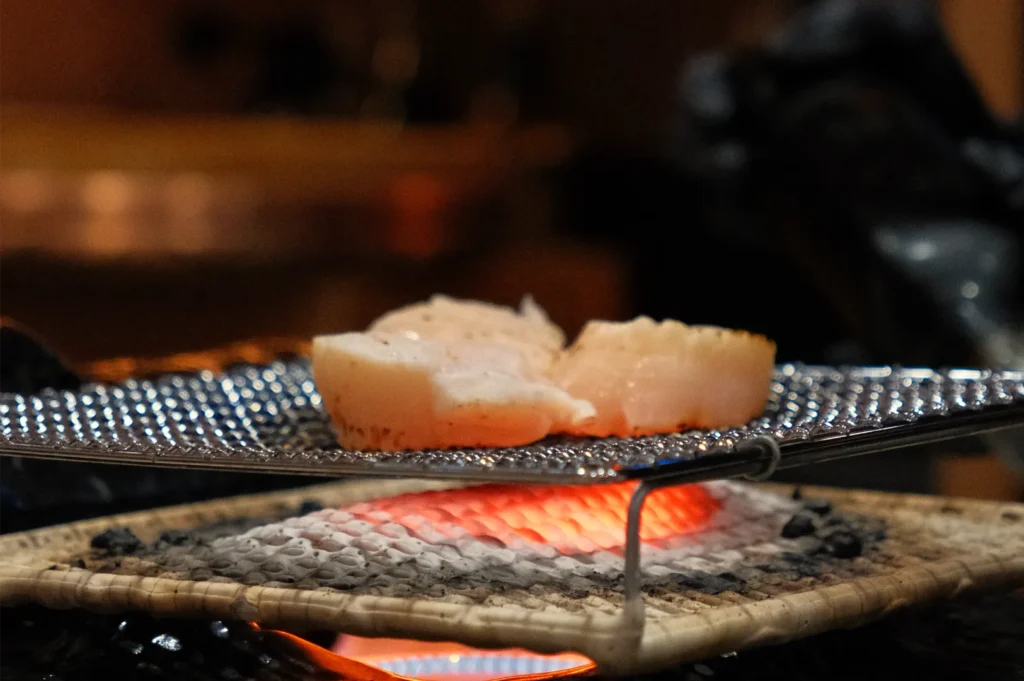
Anniversaries ask us to pause and notice how far a relationship has come. An omakase dinner, built course by course around what the season allows, asks something similar of its guests: slow down, pay attention, and let the evening reveal itself naturally rather than all at once. At Sushi Masa by Ki-Setsu, this is simply how every evening is run, whether the table is celebrating a specific date or simply choosing to spend a Tuesday evening together over sashimi and sushi at the counter.
If you are considering how to mark this year’s anniversary, we would be glad to have you join us at the counter. Reach out to reserve your evening, and let Chef Masa take care of the rest.