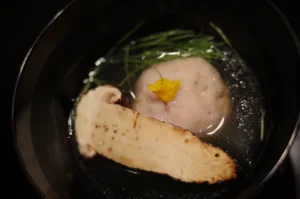
Walk into many dining rooms across the island today and you may notice something different. The grand halls of twenty tables are giving way to snug spaces of eight, ten, or sometimes a single counter where one chef commands full attention. This is not a trend born of necessity. It is a deliberate choice, and it is reshaping what a Singapore fine dining restaurant actually means.
At Sushi Masa by Ki-Setsu, we have long believed that a smaller room often makes for a far richer dining experience, and we are glad to see the wider industry beginning to agree.
The Quiet Shift Toward Smaller Fine Dining Restaurants
For decades, prestige in the restaurant world was often measured by scale. A sprawling floor, a long wine list, and a packed reservation book were signs of success. Today, many of the best fine dining restaurants in Singapore are moving in the opposite direction. Diners increasingly want a dish and a story behind it, not simply a seat in a busy room.
This shift is visible across contrasting fine dining traditions. Whether it is a chef specialising in local cuisine, a kitchen devoted to classic French cuisine, a room built around Italian cuisine, or a dining room celebrating the depth of Indian cuisine, the pattern is the same: fewer covers, more care. Restaurants are choosing to serve fewer guests each evening so every plate gets the attention it deserves. For a restaurant in Singapore competing on a global stage, this has become its own form of ambition.
Recognition from the Michelin Guide and Michelin Starred Restaurants
It is also worth noting how many of these rooms sit among Singapore’s most decorated addresses. The Michelin Guide has, in recent years, recognised a growing number of Michelin starred restaurants that follow exactly this model, and several lists of the city’s best restaurants now favour smaller, chef-led counters over expansive floors.
Why the City’s Best Restaurants Keep Getting Smaller
Success, in this new model, is no longer about how many diners pass through the door. It is about how many leave having felt something on their taste buds long after the meal ends. Tasting menus built for eight guests allow premium ingredients to be sourced with precision and prepared without compromise.
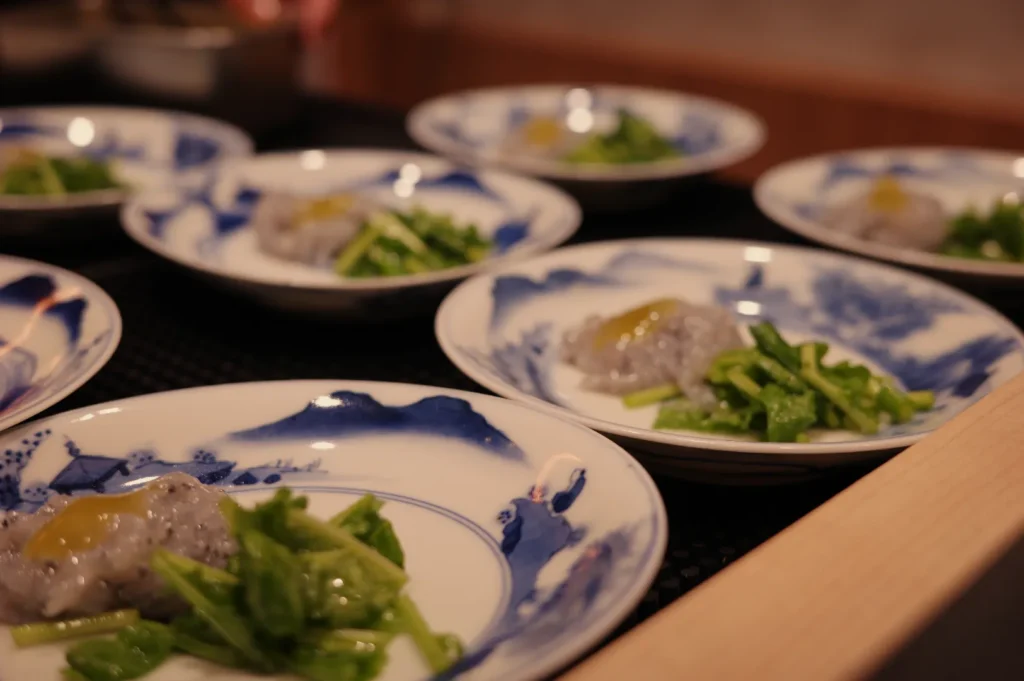
Fewer seats mean a kitchen can plan its seasonal produce and seasonal ingredients weeks in advance, rather than guessing at volume. This is precisely the philosophy behind our own omakase experience at Sushi Masa by Ki-Setsu, where every seat at the counter is accounted for before the ingredients are even sourced.
What the Best Fine Dining Restaurants Get Right About Fewer Seats
There is a simple, almost mathematical logic behind the shrinking seat count. A chef working alone, or with only a very small team, can only give undivided focus to a limited number of plates in a single evening. Push that number too high, and something inevitably gives, whether it is the freshness of the ingredients, the precision of the knife work, or the pacing of the meal itself.
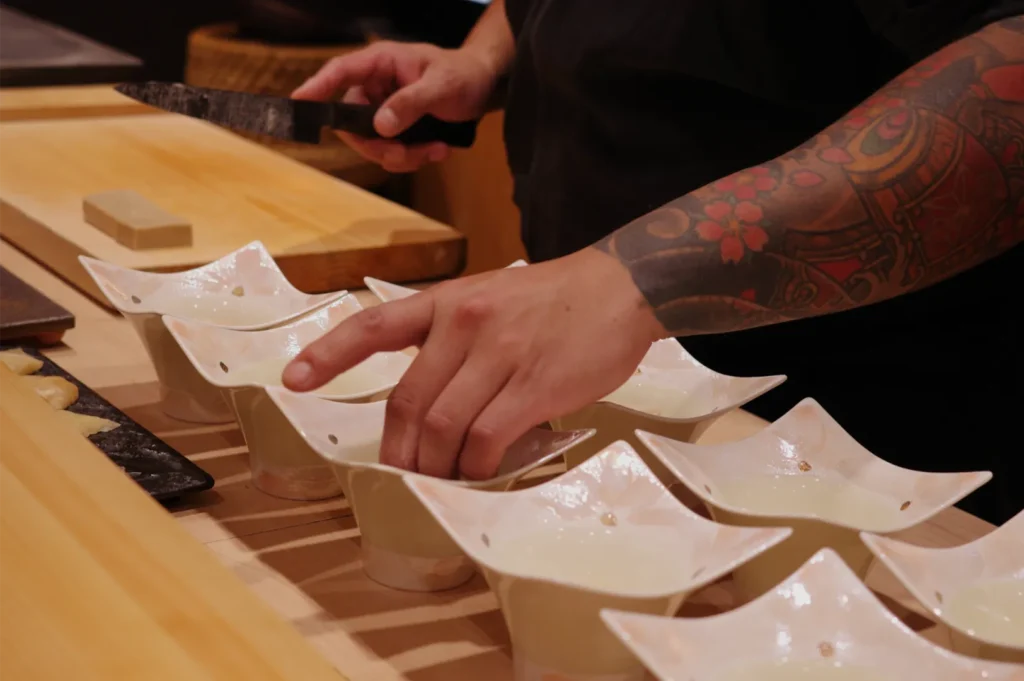
This is especially true in Japanese culinary traditions, where technique is unforgiving. Rice temperature, the angle of a slice, the exact seconds a piece of fish rests before it reaches the counter, these are not details that can be rushed across thirty covers a night. A smaller room protects the integrity of the craft.
Our chef has long held that culinary excellence is not about producing more, but about producing exactly enough, and doing it with complete intention. At Sushi Masa by Ki-Setsu, the intimate counter is not a limitation. It is the entire point.
This is a lesson that local culinary talent has been learning alongside its international peers, that a kitchen only truly performs at its best once it stops trying to be all things to all guests.
The Rise of Omakase and the Trust It Requires
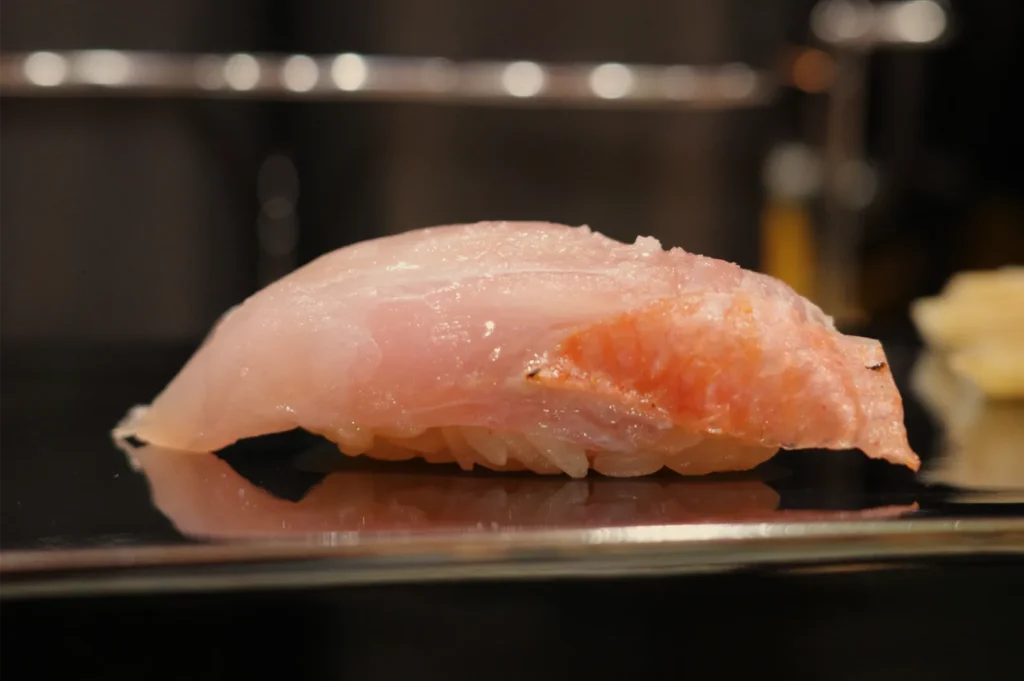
Nowhere is this shift more visible than in the growing popularity of omakase dining across Singapore. The word itself, meaning to entrust, captures the spirit of the smaller room perfectly. Guests are not choosing individual items from an extensive menu. Instead, they place their trust in the chef, allowing the evening to unfold course by course according to what the day’s sourcing offers.
This is not a fixed formula but a living response to the market. Unlike a traditional set menu chosen from a printed page, an omakase evening is composed fresh, based on what proved exceptional that morning at the source. It is a model that does not work at scale, which is part of why kitchens, from the malls around Marina Bay Sands to the quieter corners near Ion Orchard, are choosing to shrink their rooms rather than expand them.
At Sushi Masa by Ki-Setsu, our omakase experience follows the Edomae tradition, a style of Japanese culinary traditions rooted in Tokyo that treats each piece of sushi as a finished dish in itself, seasoned and prepared before it ever reaches the guest. Traditional techniques such as careful curing, gentle vinegaring of the rice, and precise timing are applied to every piece, a process that is far easier to uphold in a room of ten than a room of eighty. Even as global cuisines continue to borrow Japanese influences for their own menus, few can replicate this level of discipline outside of a room built specifically to protect it.
For many guests, this becomes less a single meal and more a culinary journey, one course quietly leading into the next until the evening builds a shape of its own.
Sourcing: The Real Story Behind Every Restaurant in Singapore
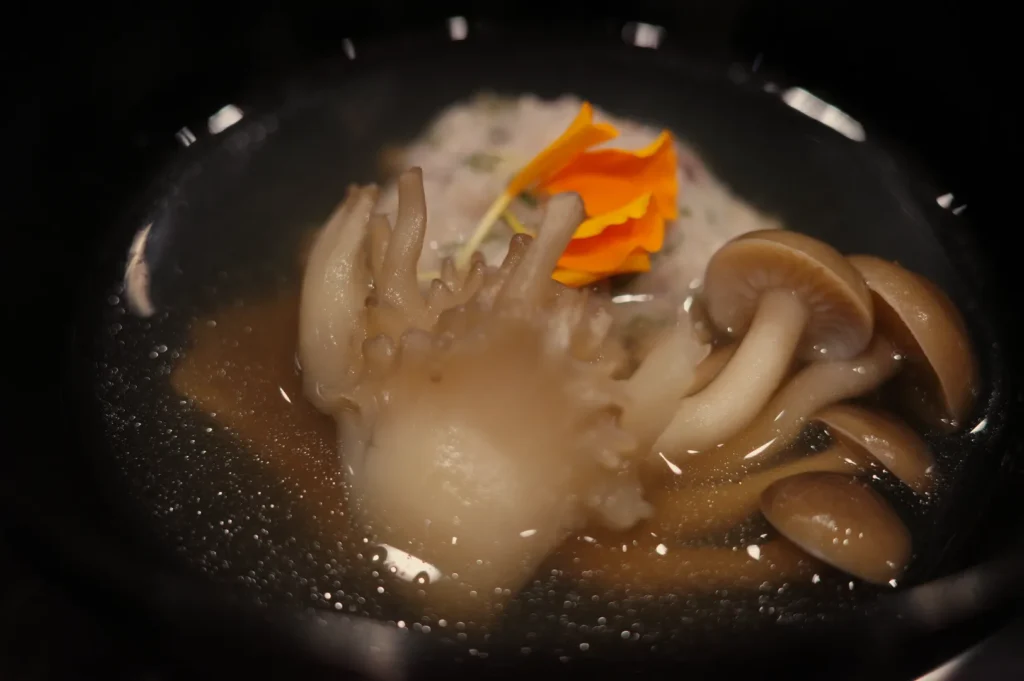
Behind every shrinking dining room sits an equally important story about where the ingredients actually come from. Many of the best fine dining restaurants in Singapore have quietly built relationships with specific markets and suppliers, understanding that signature dishes are only as strong as what goes into them. It is one more reflection of the sheer diversity Singapore offers within such a small footprint, from Orchard Road to the waterfront, each room drawing on its own network of growers, fishers, and markets.
For Japanese cuisine in particular, this often means a direct line to Tokyo’s Toyosu Market, long regarded as the benchmark for freshness worldwide. At Sushi Masa by Ki-Setsu, our ingredients are sourced with this same standard in mind, chosen for their authentic taste rather than convenience. A smaller room allows this sourcing to remain personal rather than transactional, with each piece selected for a specific evening.
A few reasons fewer seats support better sourcing:
Ingredients can be selected for a known number of guests, reducing waste and preserving freshness
A chef can build relationships directly with specific suppliers rather than large-scale distributors
Seasonal ingredients can be introduced or removed from the menu with far greater flexibility
Premium ingredients that arrive in limited quantity can be shared fairly among a small group rather than stretched thin
Elegant Ambiance in an Intimate Setting
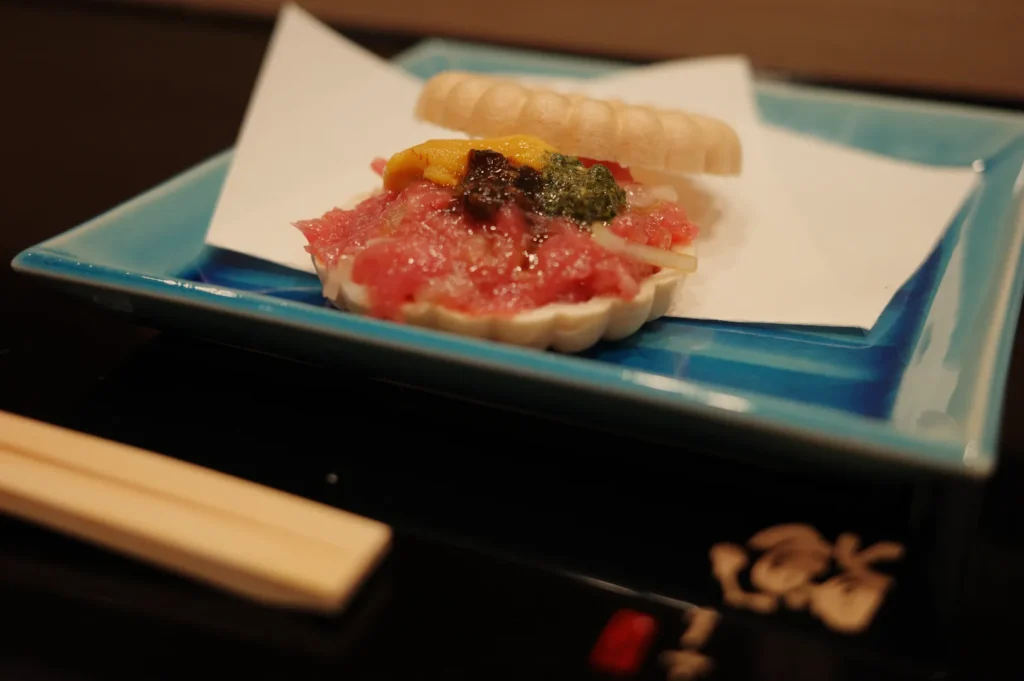
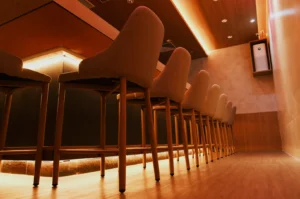
Reducing the number of seats also changes the atmosphere of a room entirely. Warm lighting, an open kitchen, and a quieter floor all become possible when the space is designed around a handful of guests rather than a full house. The result is an elegant ambiance that feels closer to being hosted at a private table than seated in a restaurant.
This inviting atmosphere is not accidental. Many establishments across Singapore now design their dining rooms specifically to support conversation between guest and chef, something that becomes nearly impossible once the room grows too large or too loud, or feels closer to a casual bar than a considered dining room. An elegant setting, paired with attentive service, allows guests to actually notice the details of the meal in front of them rather than simply moving through a course.
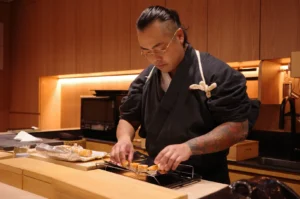
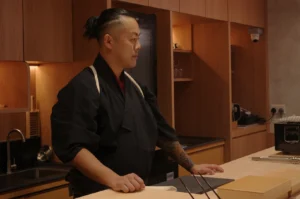
At Sushi Masa by Ki-Setsu, our counter is intentionally modest, allowing Chef Masa to interact directly with each guest throughout the evening. The room boasts warm lighting and an open kitchen, and every guest is invited to indulge in each course as it is placed before them. This is world class hospitality expressed not through scale, but through genuine presence. Exceptional service, in this context, means knowing exactly when to explain a dish and when to let it speak for itself.
What This Means for the Modern Dining Experience
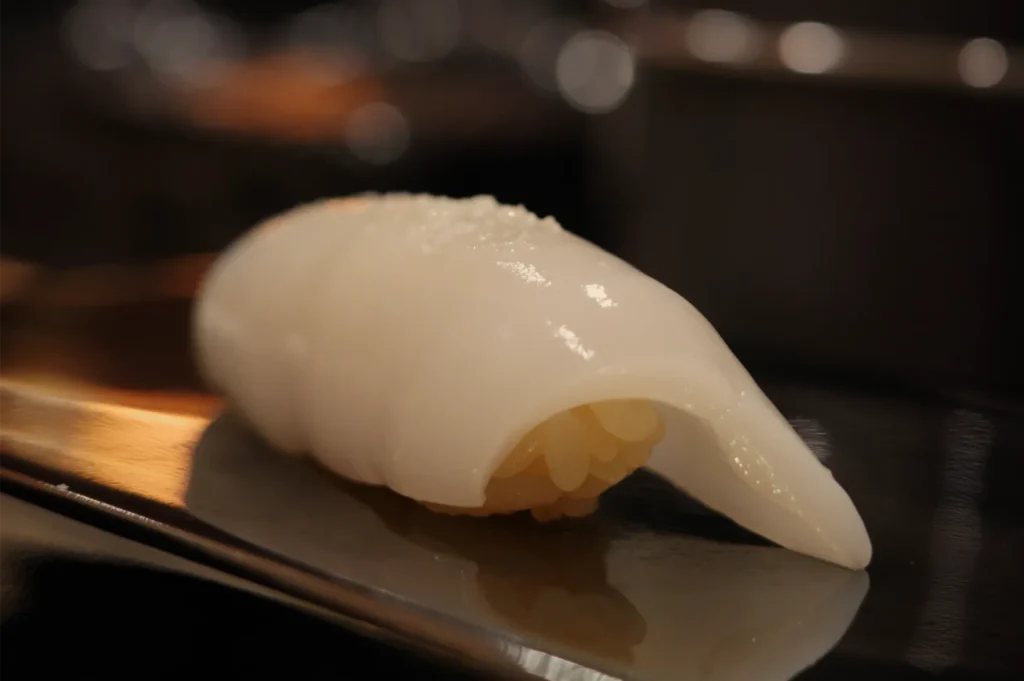
For guests, this shift changes how special occasions should be approached. Reservations at smaller rooms are naturally harder to secure, as there are fewer seats to fill each evening of dinner service. What guests gain in return is a genuinely different kind of dining experience, one built around global cuisines interpreted through a singular point of view, rather than a broad menu designed to please everyone at once. For some, it will be their first restaurant experience built entirely around omakase, and it tends to leave a lasting impression.
It also changes expectations around value. A smaller room with a focused omakase experience can represent exceptional value precisely because nothing is wasted, from the ingredients themselves to the time given to each guest. Diners are increasingly recognising that a shorter, considered evening often leaves a stronger impression than a longer one spread thin across too many tables.
This growing appreciation for hidden gems, tucked into smaller corners of the city rather than sprawling across a mall or hotel lobby, reflects a broader appetite for authenticity. Guests are searching less for spectacle and more for craftsmanship, for the sense that the people preparing their meal are genuinely present.
The Philosophy Behind Sushi Masa by Ki-Setsu
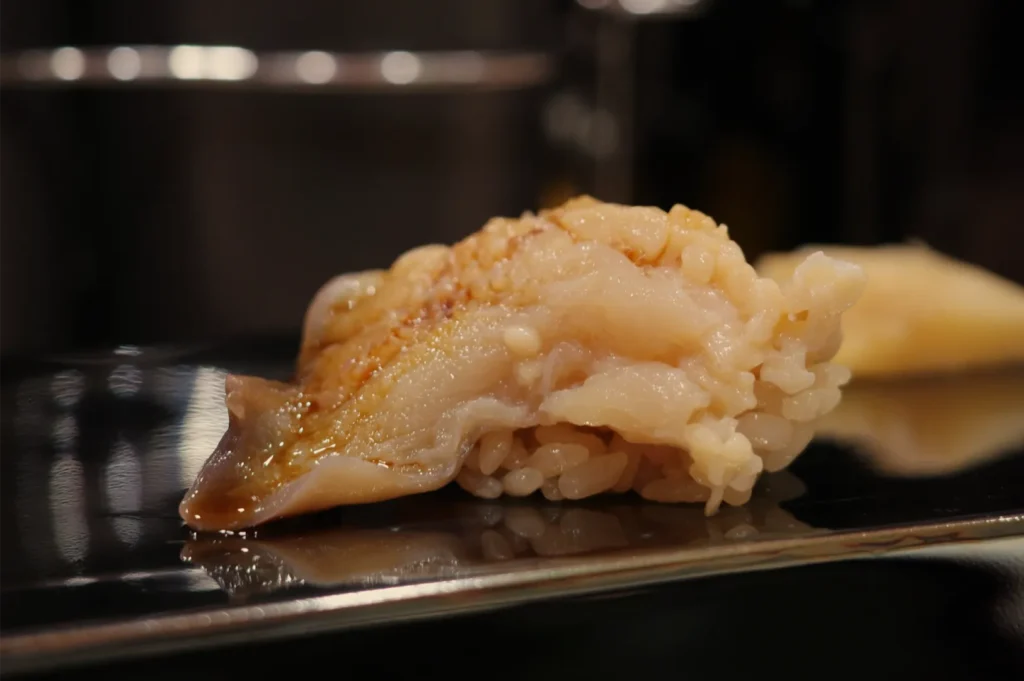
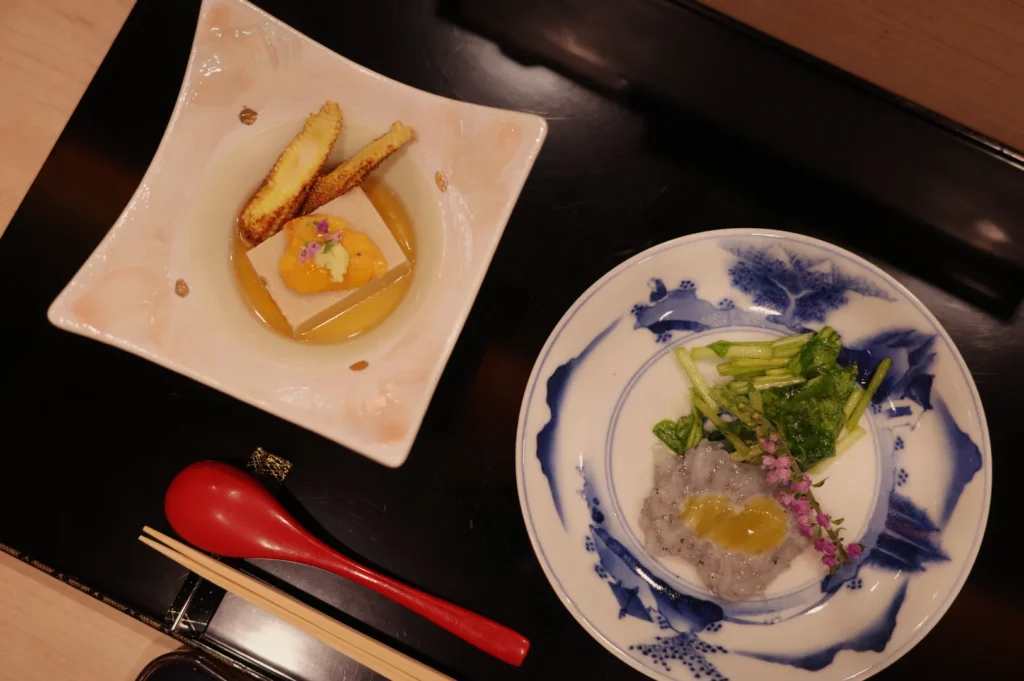
Since welcoming our first guests, Sushi Masa by Ki-Setsu has held firmly to the belief that Japanese cuisine is best experienced at a small counter, not a large floor. Our omakase experience is guided entirely by Chef Masa, whose approach draws on Edomae tradition while remaining responsive to what Toyosu offers on any given day. This is a menu built purely around seafood, chosen with care and prepared with techniques passed down through years of dedicated practice.
We do not aim to be the biggest room in the city. We aim to be a place where every guest feels the difference of a chef’s undivided focus, from the first course until the last piece is served. It is, in many ways, the same instinct now guiding fine dining restaurants across Singapore, a quiet return to craftsmanship over volume.
If you have been curious about what an intimate omakase evening truly feels like, we would be glad to welcome you to our counter. We invite you to visit Sushi Masa by Ki-Setsu and reserve your seat, and discover why, for us, fewer seats have always meant a far richer table.