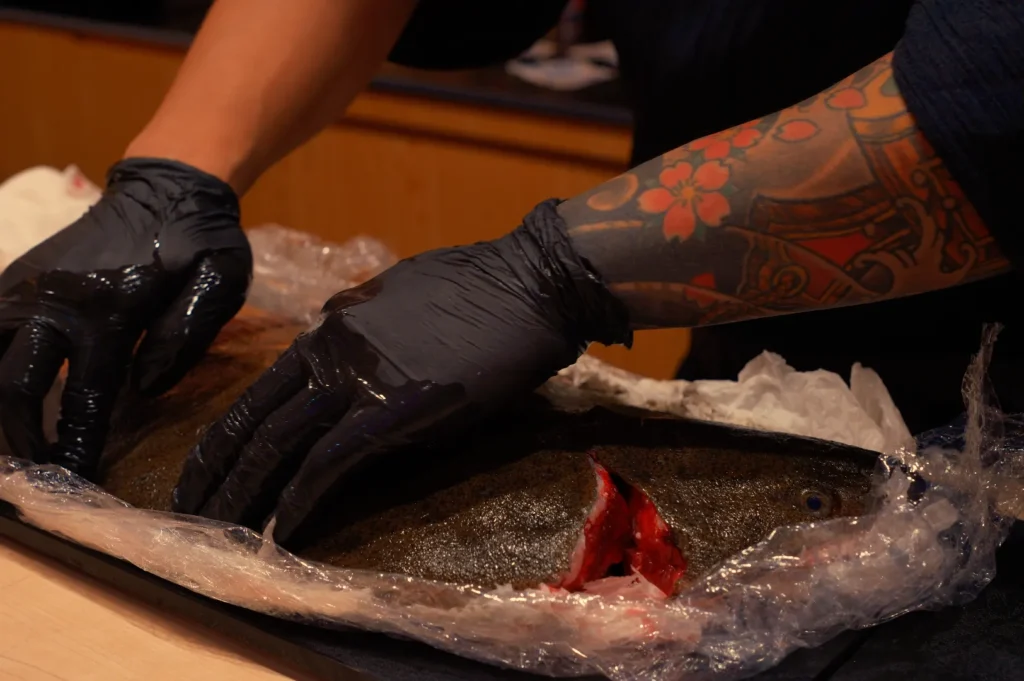
Hirame, the Japanese olive flounder, is one of the most prized shiromi-dane in the sushi repertoire, and finding the right sake to accompany its delicate flavour is a lesson in restraint and precision. This is a fish that rewards attention. Its taste is quiet, clean, and easily lost beneath anything too bold. So the art of sake pairing hirame is not about matching strength with strength. It is about listening to the fish and choosing a sake that follows, rather than leads.
Hirame (Paralichthys olivaceus) is a left-eyed flatfish. Both eyes gather on the left side of its head, a trait captured in the old saying “Hidari Hirame,” meaning left is hirame. Chefs use this feature to identify authentic specimens. That subtle nature carries through to the plate. The flavour is gentle enough that a heavy pour can wash it away entirely.
In this guide, you will learn how hirame tastes, when to seek it out, how it is prepared, and which sake styles let its quiet character shine.
The Sensory Profile of Hirame
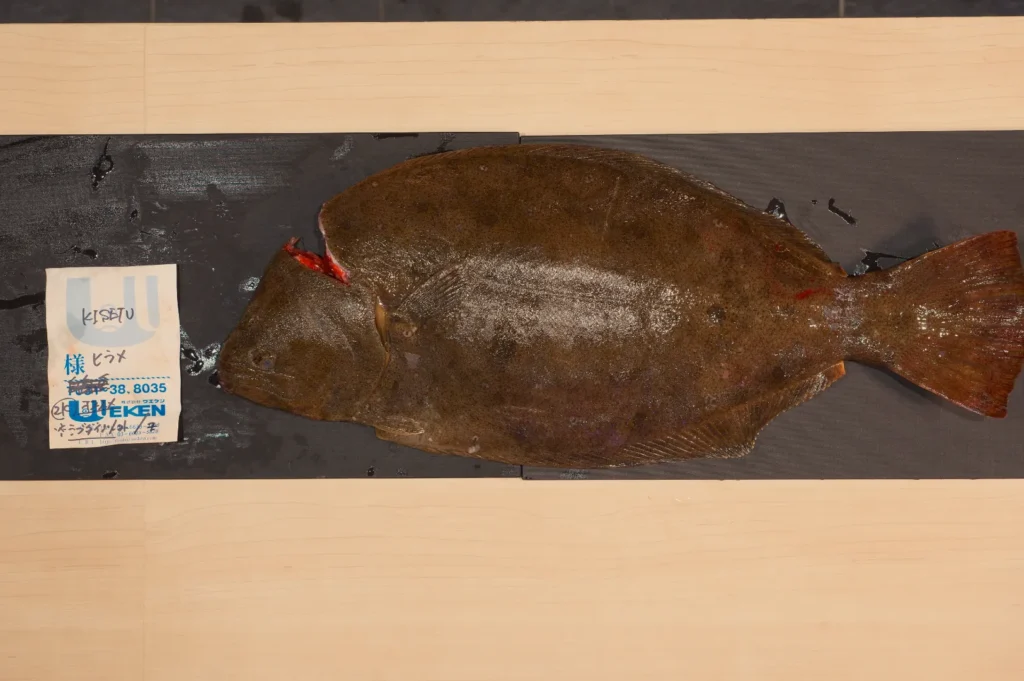
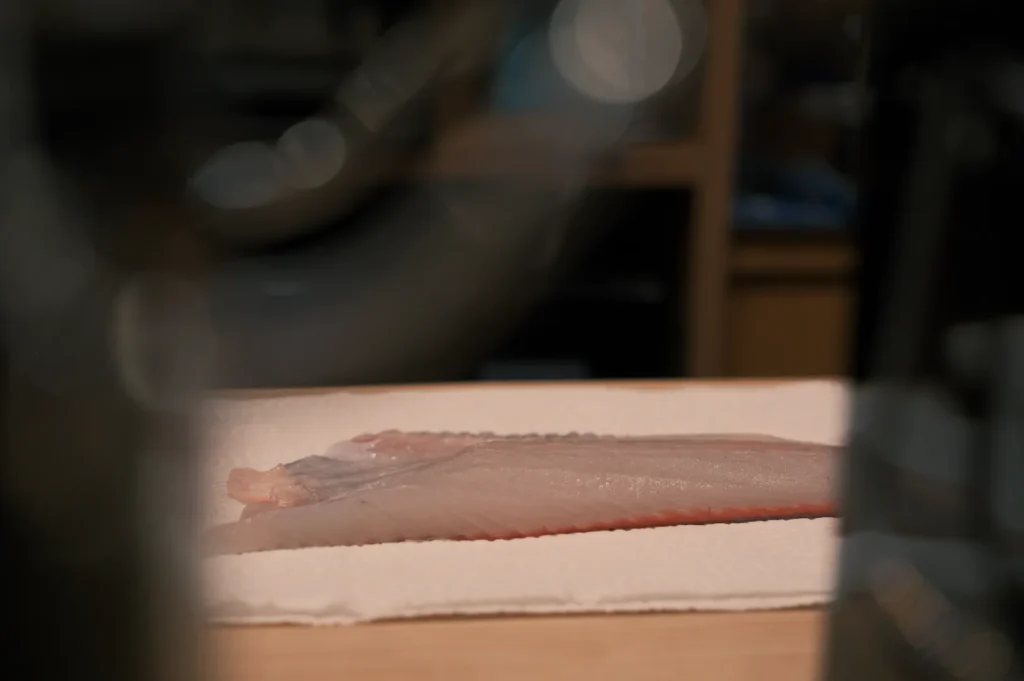
Hirame is a shiromi fish, prized for its clean, understated taste. Its fat content is low to moderate, and it rises through the colder months. The texture is firm yet elastic, offering a gentle resistance before it gives way. There is a subtle sweetness, along with mild briny notes that recall the sea itself.
That cleanliness is exactly what makes hirame so easy to overwhelm. Strong seasonings, oily accompaniments, or bold beverages can flatten its character in a single sip. When you build a hirame sashimi pairing, the goal is balance. You want a partner that respects the fish rather than competes with it.
A quick recap: hirame is lean, firm, gently sweet, and delicate. Keep that fragility in mind, and every pairing decision becomes clearer.
Seasonality: Why Winter Matters
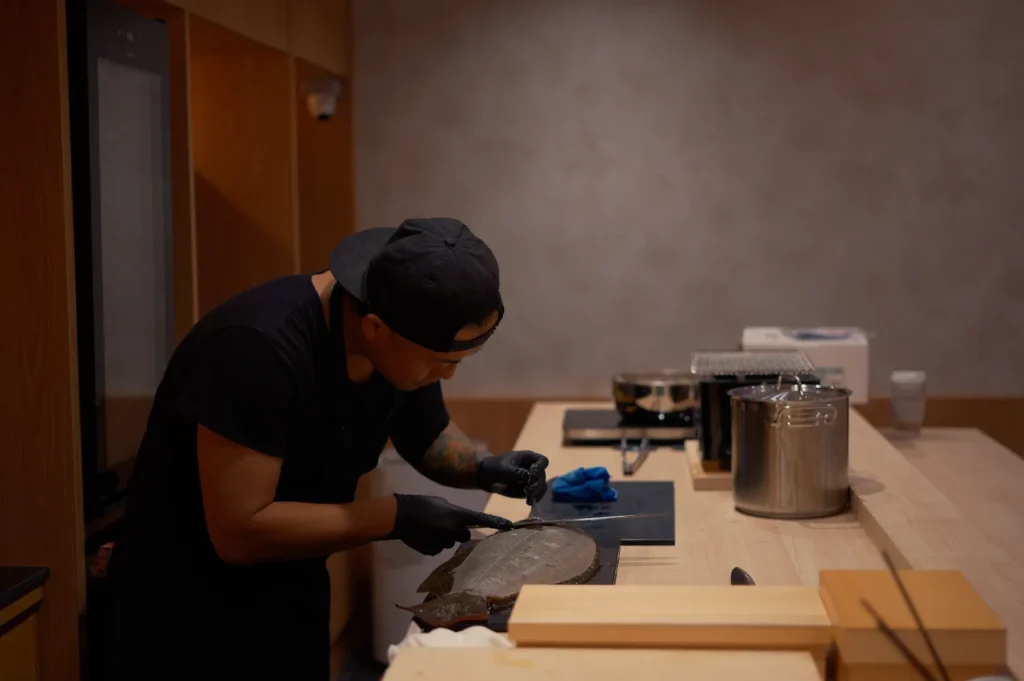
Hirame is at its finest in winter, from late autumn through early spring. As waters cool, the fish stores fat to see it through the cold. These winter specimens are known as “Kanchirame,” and their flesh takes on a slightly pink hue, turning exceptionally soft yet firm at once.
Summer tells a different story. Warmer waters leave the fish leaner, and it can develop a “muddy” flavour that lacks the clarity of its winter form. This is why many chefs treat cold-weather hirame as the benchmark. When you plan a winter flatfish sake pairing, you are working with the fish at its richest and most expressive.
It is also worth noting the difference between wild and farmed hirame. Wild fish tends to show more seasonal variation and a cleaner finish, while farmed hirame offers consistency across the year. Both can be excellent. Knowing which you are eating helps you judge how much fat is on the plate.
Notable Preparations
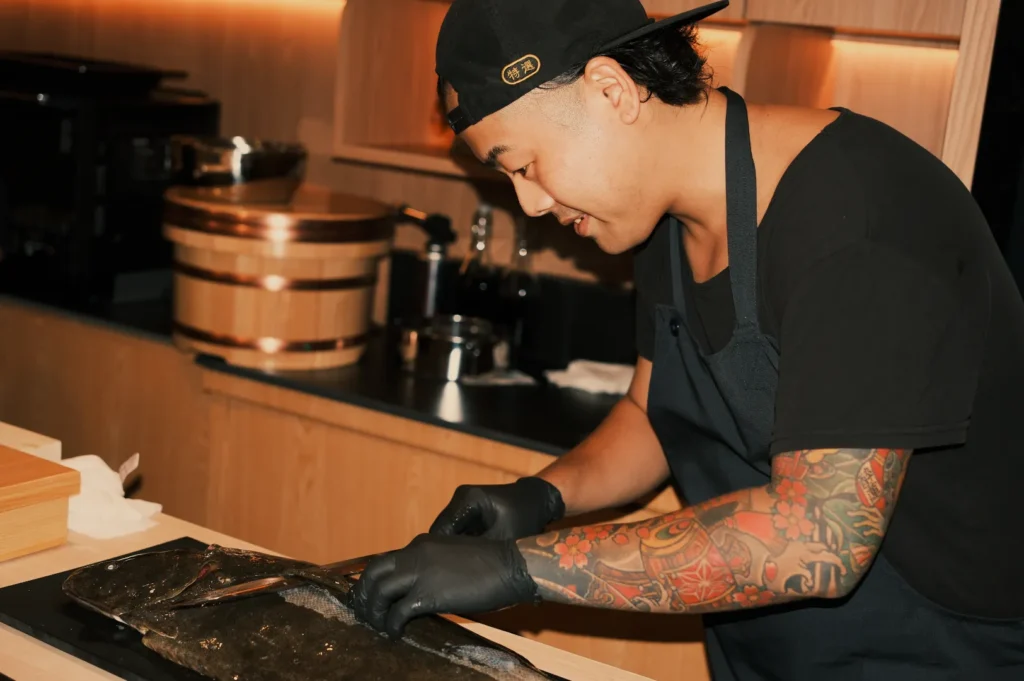
Hirame is versatile, and each preparation asks something slightly different of your sake. Regional and stylistic variations abound, so treat these as common approaches rather than fixed rules.
- Usu-zukuri sashimi: Sliced so thin you can see the plate pattern beneath. This showcases the fish at its most delicate.
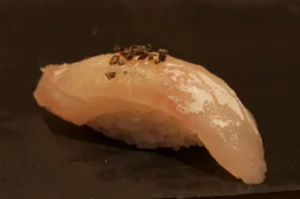
- Nigiri: Often finished with a shiso leaf, a touch of momiji oroshi (grated daikon with chilli), or a light brush of ponzu. Each accent brightens the fish without burying it.
- Kobujime hirame: The fillet is cured between sheets of kombu. This draws out moisture, firms the texture, and infuses the flesh with umami from kelp glutamates. The result is a deeper, rounder flavour.
- Engawa: The fin muscle running along the edge of the fish. Rich in engawa collagen and fat, it delivers a pleasant crunch and a noticeably stronger flavour than the main fillet.
Larger specimens may also be aged for two to three days. During this time, natural enzymes increase glutamate content and gently soften the texture, deepening the taste. If you want to explore how these preparations interact with different pours, our guide to sake pairing with white fish offers a broader framework you can carry from one shiromi to the next.
The key takeaway here is that preparation changes intensity. A slice of usu-zukuri and a piece of engawa are almost different foods, and they call for different sake.
Sake Pairing with Hirame
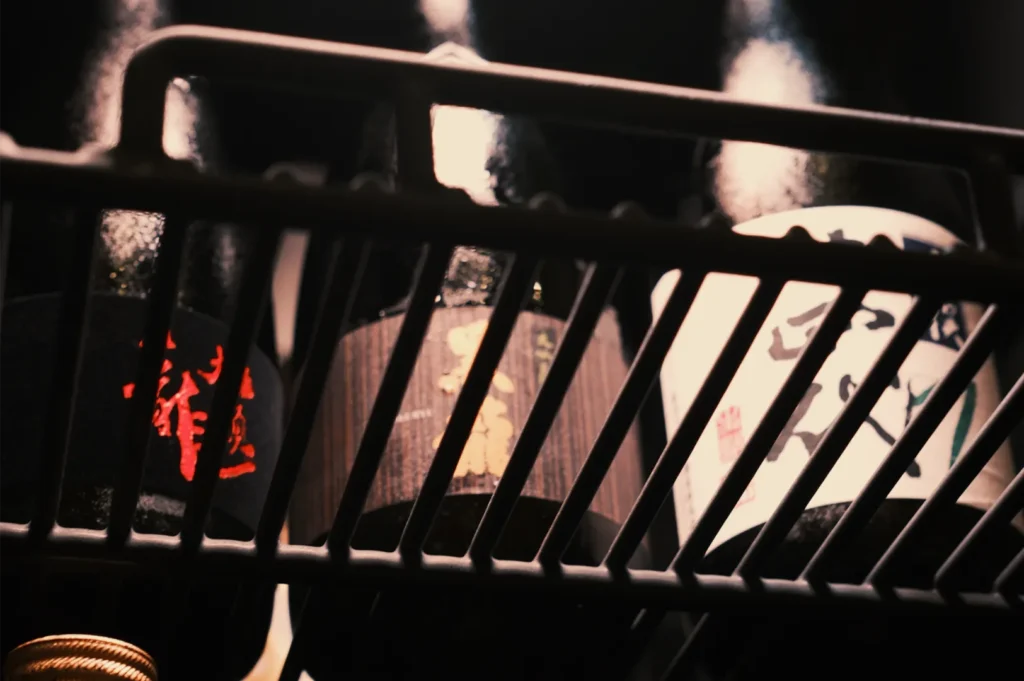
The guiding principle is simple: match delicacy with delicacy. Hirame’s subtle flavour needs an equally restrained sake, one that supports the fish instead of shouting over it.
For most hirame nigiri pairing and sashimi, reach for a light, refined style. A delicate fish junmai daiginjo works beautifully. So does a crisp ginjo with clean citrus notes. These sakes bring a soft aromatic lift and a clean finish that echoes the fish rather than masking it. Their gentle acidity refreshes the palate between pieces, keeping each bite as clear as the first.
Engawa is the exception. Its richer fat content and firmer bite can stand up to something with a little more body. A slightly more robust junmai, with a touch more weight and rice character, meets that extra fat without overpowering it. Even so, restraint remains the rule. More robust does not mean heavy.
Avoid heavy, high-alcohol, or noticeably sweet sakes. Their intensity overwhelms hirame’s quiet sweetness and briny finish, leaving the fish tasting muted. If you are new to the categories and want to know how junmai, ginjo, and daiginjo differ, understanding Japanese sake is a helpful place to begin before you order.
You may wonder about wine. While an olive flounder wine match such as a bone-dry, mineral-driven white can work in principle, sake tends to sit closer to the fish. Its lower acidity and gentle umami rarely fight the seafood the way wine tannins or sharp acids sometimes do. For a Japanese flounder sake match, sake usually wins.
A short recap: light junmai daiginjo or crisp ginjo for the fillet, something a touch fuller for engawa, and nothing heavy or sweet.
Practical Serving Advice
How you serve the sake matters as much as which one you choose. A few simple habits keep everything in balance.
- Temperature: Serve delicate sakes well chilled, around 8 to 12 degrees Celsius. The cold sharpens their crispness and protects the fish’s clean profile. Warming these styles tends to blur their finesse.
- Glassware: Choose a small, thin-rimmed glass or a fine ceramic cup. A narrow rim concentrates the sake’s gentle aroma and encourages small, considered sips.
- Ordering within omakase: Hirame usually appears early in a sushi progression, among the lighter shiromi and before the fattier or more heavily seasoned pieces. Pour your most delicate sake at this stage, then move to fuller styles as the courses build. Starting light keeps your palate honest.
The logic mirrors the meal itself. Begin quietly, then let intensity rise. That way, the fish and the sake move in step.
Conclusion
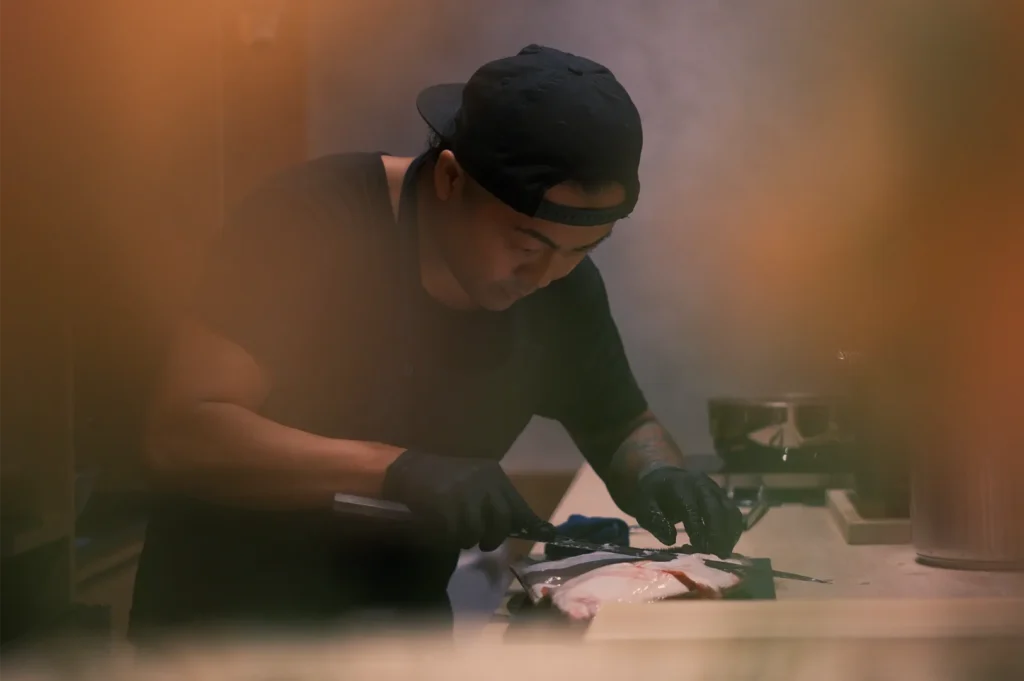
Hirame asks for patience and a light hand. Its clean sweetness and firm, elastic bite reward a sake that whispers rather than declares. Choose a delicate junmai daiginjo or a crisp, citrus-touched ginjo for the fillet, lean a little fuller for the engawa, and keep everything chilled and served in the right glass.
Above all, remember the single idea that guides good sake pairing hirame: match delicacy with delicacy. Do that, and the fish and the sake finish each other’s sentences, quietly and completely.
Frequently Asked Questions
What Is the Best Sake for Hirame Sashimi?
A light junmai daiginjo or a crisp ginjo with clean citrus notes is ideal. These styles support hirame’s subtle sweetness without overwhelming it. Serve them well chilled to keep the fish tasting clean and fresh.
Why Is Winter Hirame Considered Better Than Summer Hirame?
In winter, hirame stores fat to survive the cold, producing slightly pink, soft yet firm flesh with a fuller, cleaner flavour. These specimens are called Kanchirame. Summer hirame is leaner and can develop a muddy taste.
Should Engawa Be Paired Differently From the Main Fillet?
Yes. Engawa is richer in collagen and fat, with a stronger flavour and a crunchy texture. It can handle a slightly more robust sake than the delicate fillet, though heavy or sweet styles still overwhelm it.