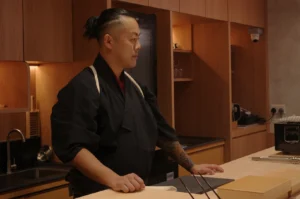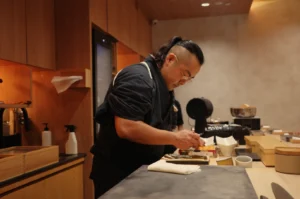
Stepping into the world of Singapore omakase dining for the first time can feel like standing at the edge of something wonderfully unfamiliar. There are no menus to browse, no dishes to choose, only trust between guest and sushi chef.
At Sushi Masa by Ki-Setsu, we believe that trust is the very heart of an omakase experience, and that a little preparation goes a long way in helping first timers feel confident and comfortable. Whether you are booking your very first seat at a sushi counter, planning an evening with friends, or simply want to sharpen your understanding of omakase restaurants before your next visit, these booking tips will help you arrive ready for the whole experience.
Understanding What Omakase Dining Really Means
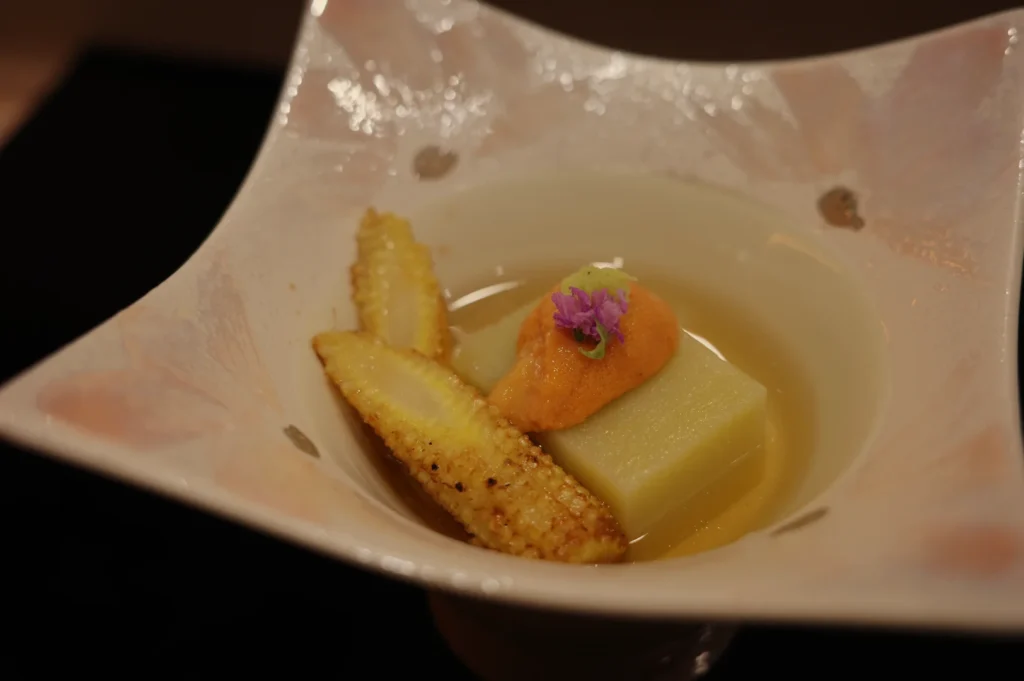
Before diving into booking tips, it helps to understand what omakase dining actually involves. The word itself comes from the Japanese phrase meaning “I leave it up to you,” and it reflects a dining philosophy built entirely on trust in the chef. Rather than ordering individual items, guests surrender their choices to the chef, who selects each course based on the freshest seasonal ingredients available that day.
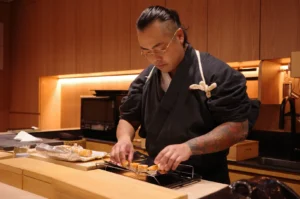
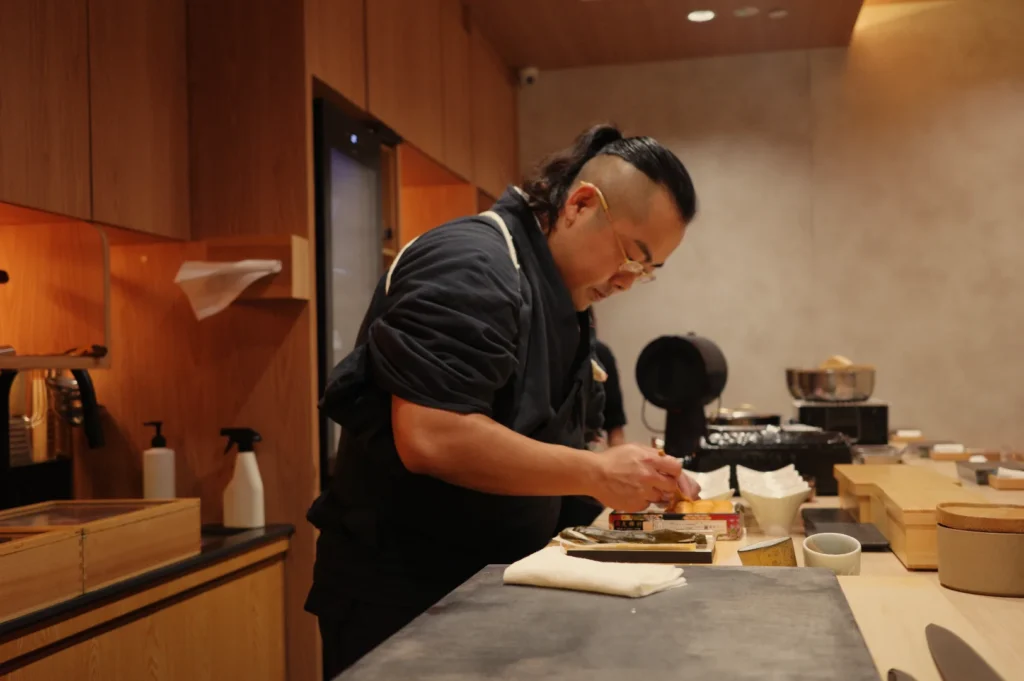
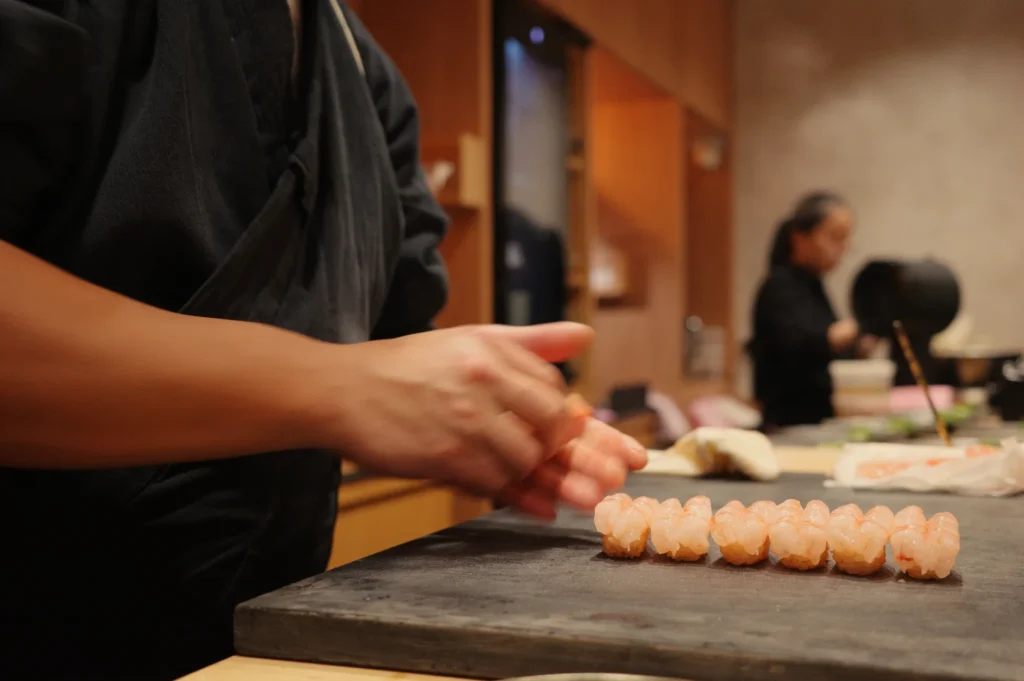
This is quite different from the way many people are used to dining. There is no à la carte browsing, no substitutions, and no rushing. Chef Masa, a sushi chef trained in Tokyo, Japan, carries this story into every grain of rice pressed by hand at the counter.
At Sushi Masa by Ki-Setsu, Chef Masa designs each course around what arrives fresh from Toyosu Market, so that every plate reflects the season rather than a fixed routine. Understanding this philosophy before you book helps set realistic expectations for what an omakase sushi experience should feel like: unhurried, intentional and deeply personal.
Why Omakase Booking Tips Matter for First Timers
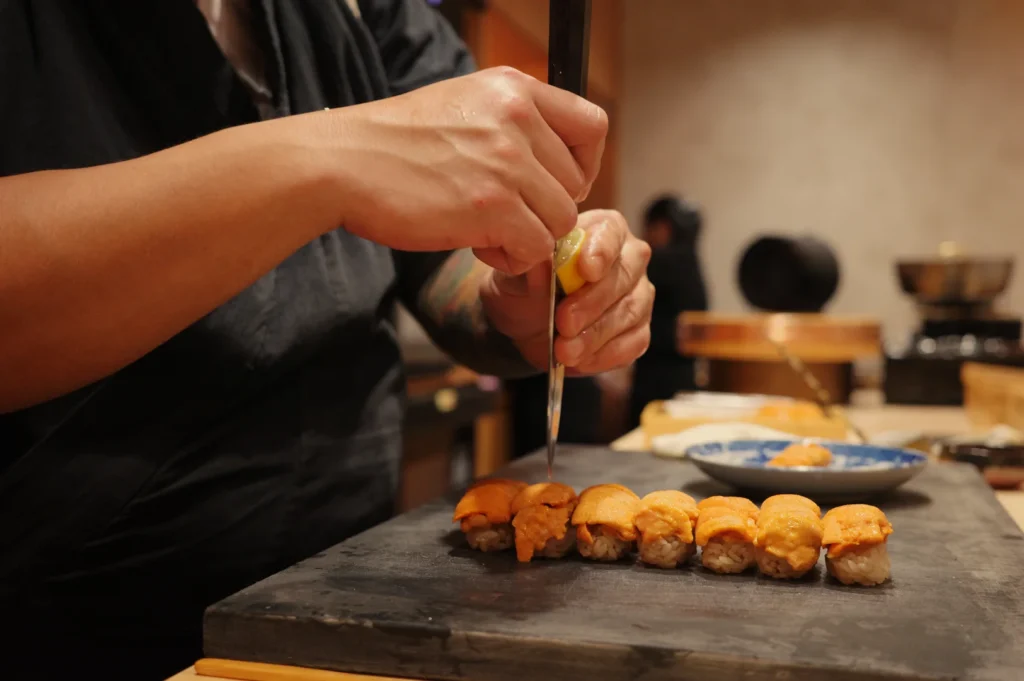
Omakase restaurants tend to operate quite differently from popular restaurants that serve large volumes of diners across sprawling dining rooms. Many high end sushi restaurants operate with only a handful of counter seats, and this limited seating tends to attract both locals and foreign visitors drawn to a slower, more personal pace of dining.
This intimacy is part of what makes the omakase experience so special, but it also means that booking well in advance and understanding a few unspoken rules can make the difference between a smooth evening and an awkward one.
First timers often assume that omakase dining works the same way as any other reservation, but there are subtle differences worth knowing. From how far ahead you should book to what questions are appropriate to ask, being informed transforms nervous curiosity into genuine anticipation.
Booking Windows at a Fine Dining Counter
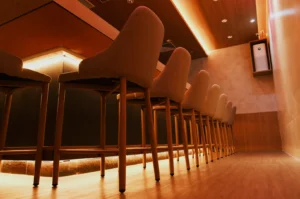
Because omakase courses are built around seasonal and daily market finds, seating is often limited and fills quickly, particularly for those seeking a genuine fine dining experience rather than a rushed meal. Reservations can be made through phone calls, our online booking platform, or a hotel concierge for visitors combining the evening with a longer stay. At Sushi Masa by Ki-Setsu, our eight-seat counter allows every guest a close view of Chef Masa at work, but this also means availability is finite, so it helps to take account of how far ahead you should book, especially around weekends or special occasions.
Comparing Omakase Restaurants and Michelin Guide Restaurants
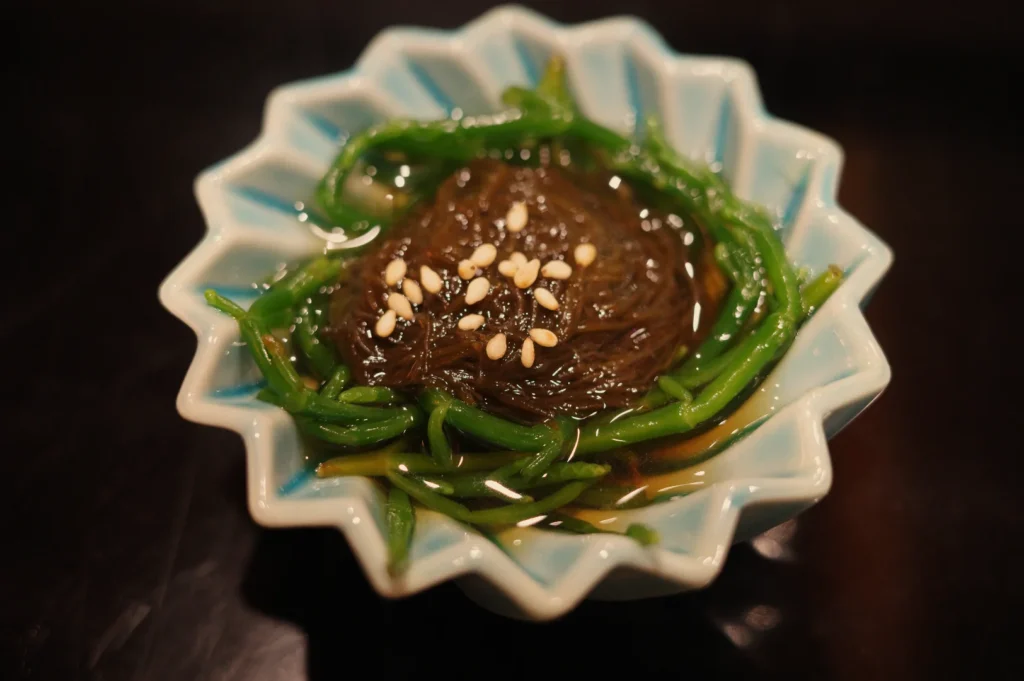
Not all omakase restaurants follow the same format, price point or style, so a little research goes a long way. Not all high end restaurants or sushi restaurants share the same philosophy. And looking into how a kitchen approaches culinary artistry, whether through creative dishes or quietly precise nigiri, can help you choose the kind of culinary experiences you are hoping for. Reading about a restaurant’s philosophy, its sourcing practices and its chef’s background can help you choose an omakase experience that matches what you are looking for.
Michelin guide restaurants are often a helpful starting point for research, since michelin guide recognition typically signals consistency, technique and quality of ingredients. That said, michelin guide status is not the only measure of a memorable dining experience. Many omakase restaurants capable of exceptional dining experiences, including intimate counters helmed by a single dedicated chef, offer a level of personal attention that larger, more decorated establishments simply cannot replicate. At Sushi Masa by Ki-Setsu, our chef personally sources ingredients daily, which we believe matters just as much as any accolade.
Communicate Preferences Early for a Smooth Omakase Experience
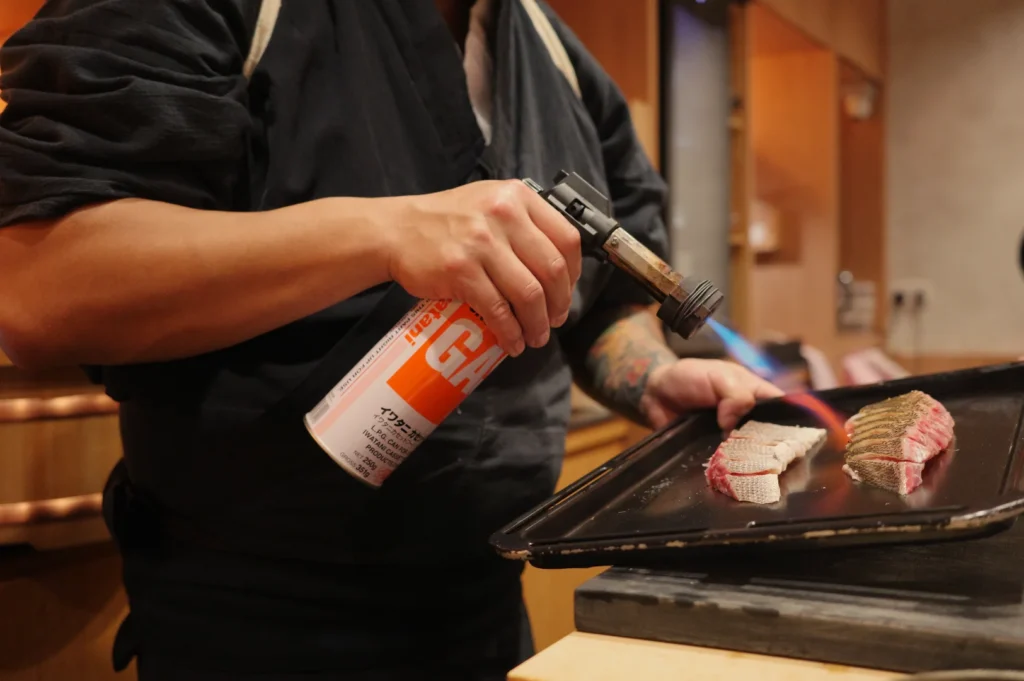
One of the most valuable omakase booking tips we can offer is to communicate any dietary restrictions, allergies or strong dislikes at the time of booking, not after you are seated. Because the entire menu is built around the chef’s selections for that evening, last-minute changes are far more difficult to accommodate than they would be in a restaurant with a fixed printed menu. If you have particular concerns, feel free to reach the chef directly through our concierge before your visit, rather than requesting other items once the meal has begun.
Our menu at Sushi Masa by Ki-Setsu is purely seafood focused, showcasing the depth and variety the ocean has to offer rather than incorporating meat of any kind. Letting us know in advance if you have shellfish allergies or other concerns allows Chef Masa to thoughtfully adjust the evening’s flow without disrupting the rhythm of the meal for you or your fellow guests.
Understand Omakase Sushi Etiquette Before You Sit Down
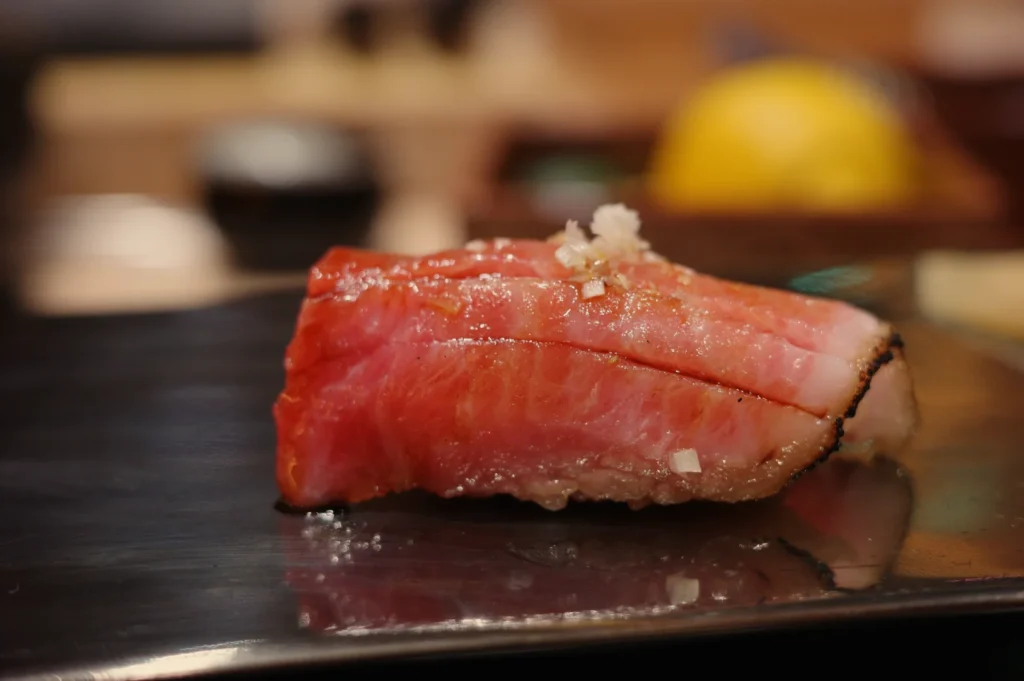
Omakase dining carries a quiet set of customs that, once understood, make the entire evening feel more natural. Many of these customs come from traditional Edomae sushi practice, where the counter itself is treated almost like a stage, the ambiance kept quiet so that attention stays on the chef’s movements as part of the performance.
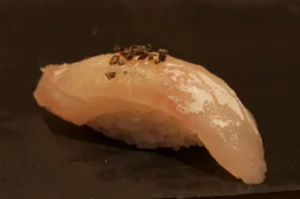
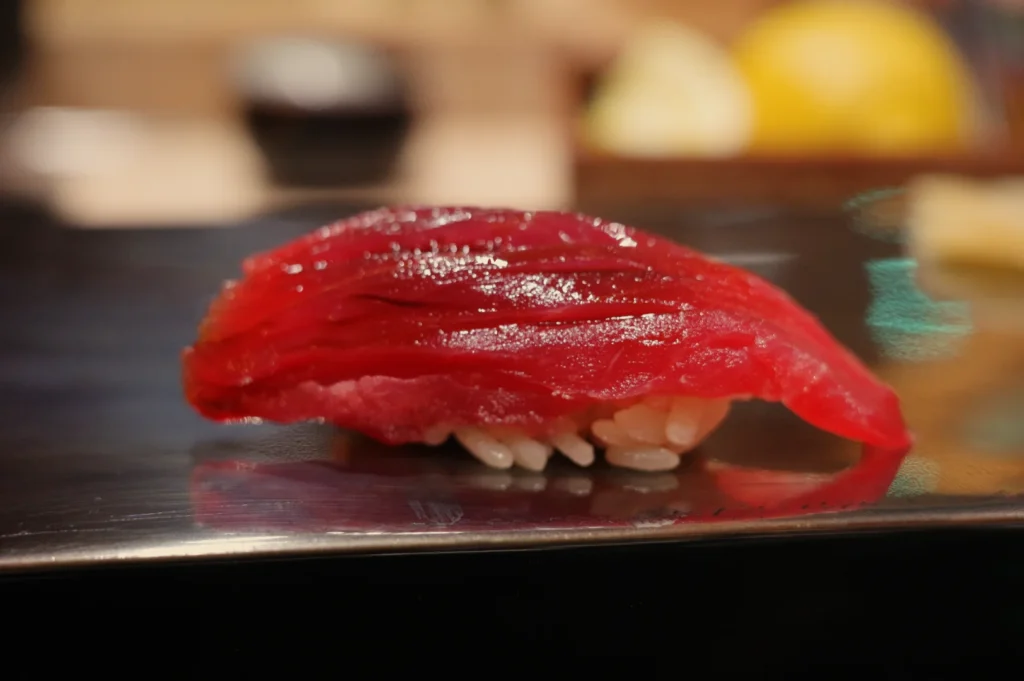
A few gentle guidelines apply almost universally across omakase restaurants: enjoy each piece of nigiri in one bite, whether by hand or with chopsticks, as soon as it is placed in front of you, since temperature and texture are carefully timed by the chef.
A piece of sea urchin, for example, is best tasted the moment it arrives, before its delicate balance of sweetness and brine has time to shift. Avoid drowning delicate fish in excessive soy sauce, as many pieces are already seasoned to bring out their natural taste, and a small pour of sake can complement the meal without overwhelming it.
Strong perfumes or colognes are best avoided too, since they can interfere with the aromas enjoyed by you and other diners seated close by. At Sushi Masa by Ki-Setsu, our chef often shares a brief word about each piece as it is served, so guests unfamiliar with these customs never feel lost.
Course Order and the Overall Dining Experience
Traditional omakase meals tend to follow a deliberate order, moving from lighter, more delicate flavours towards richer, more intense ones as the meal progresses. Sashimi and nigiri are typically arranged so that milder white fish precedes richer, fattier cuts, allowing the palate to build gradually towards the evening’s most indulgent courses. A light palate cleanser may appear between certain courses, letting the story of each new piece of rice and fish stand on its own before the next begins. This progression is not arbitrary. It reflects decades of refinement in how Japanese culinary tradition approaches the pacing of a dining experience from start to finish.
Dress the Part: Smart Casual and the Right Dress Code
Wondering what to wear to an omakase dinner is one of the most common questions first timers ask us. The good news is that most omakase restaurants, including ours, favour a smart casual dress code rather than the strict formality associated with some traditional fine dining establishments. Smart casual generally means neat, well put together attire, think collared shirts, tailored trousers, elegant dresses or smart separates, while avoiding overly casual items such as flip flops, sports jerseys or beachwear.
The reasoning behind this dress code is simple. An omakase counter is an intimate space shared closely with other guests and the chef, so dressing thoughtfully shows respect for the craftsmanship on display and for the experience everyone around you has also invested in. At Sushi Masa by Ki-Setsu, we want every guest to feel comfortable, so smart casual attire strikes the right balance between polish and ease, matching the same care we put into food and service.
Arrive Punctually: A Different Pace Than Popular Restaurants
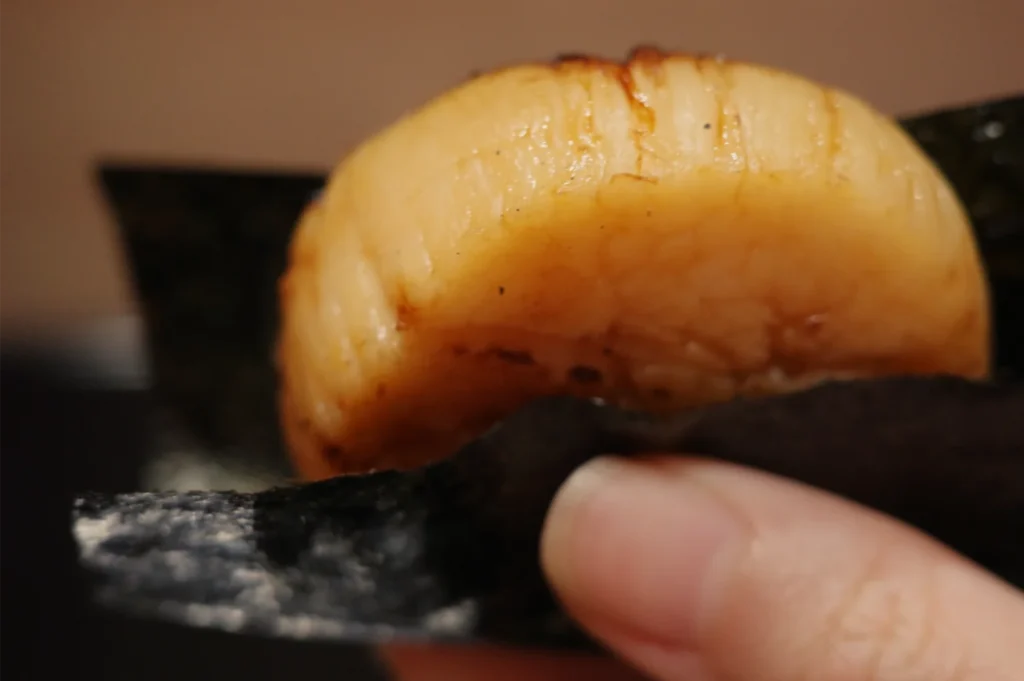
Because omakase courses are timed precisely, with each piece meant to be enjoyed at its ideal temperature and freshness, punctuality matters more here than at many popular restaurants where seating flows more flexibly. Unlike other restaurants where a late arrival might simply mean a delayed order, arriving even a few minutes late to an omakase counter can throw off the pacing of the entire counter, affecting not just your own experience but that of fellow diners seated beside you.
Perhaps the most important mindset to bring, however, is openness. Omakase dining rewards curiosity rather than rigid preference. Chef Masa often notes that guests who arrive willing to try something unfamiliar, whether an uncommon seasonal fish or an unexpected preparation, tend to leave with the fondest memories of the evening. Letting go of the desire to control every choice is, in many ways, the entire point of the omakase philosophy, and it is often what transforms a simple dinner into a genuinely memorable dining experience.
A Complete Guide Starts With the Right Mindset
There is no single complete guide that can fully prepare you for every omakase experience, since so much of its magic lies in spontaneity and seasonality. What we can offer, however, is reassurance. Omakase dining is designed to welcome first timers just as warmly as seasoned regulars, provided you approach it with curiosity, respect for the craft and a willingness to trust the chef guiding your evening.
At Sushi Masa by Ki-Setsu, every seat at our eight-seat counter is an invitation to witness that craftsmanship up close. Chef Masa’s daily selections, drawn from Toyosu Market and shaped by the season, are prepared with the same care whether it is your first omakase dinner or your fiftieth. We welcome you to Cuppage Plaza for an evening where trust, tradition and quality seafood come together, and where the only decision you need to make is simply saying yes to what comes next.
If you are ready to experience omakase sushi the way it was always meant to be enjoyed, we would be delighted to welcome you to our counter for dinner. Reserve your seat with Sushi Masa by Ki-Setsu and let Chef Masa guide you through an evening built entirely around trust, season and craft.