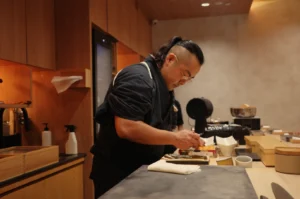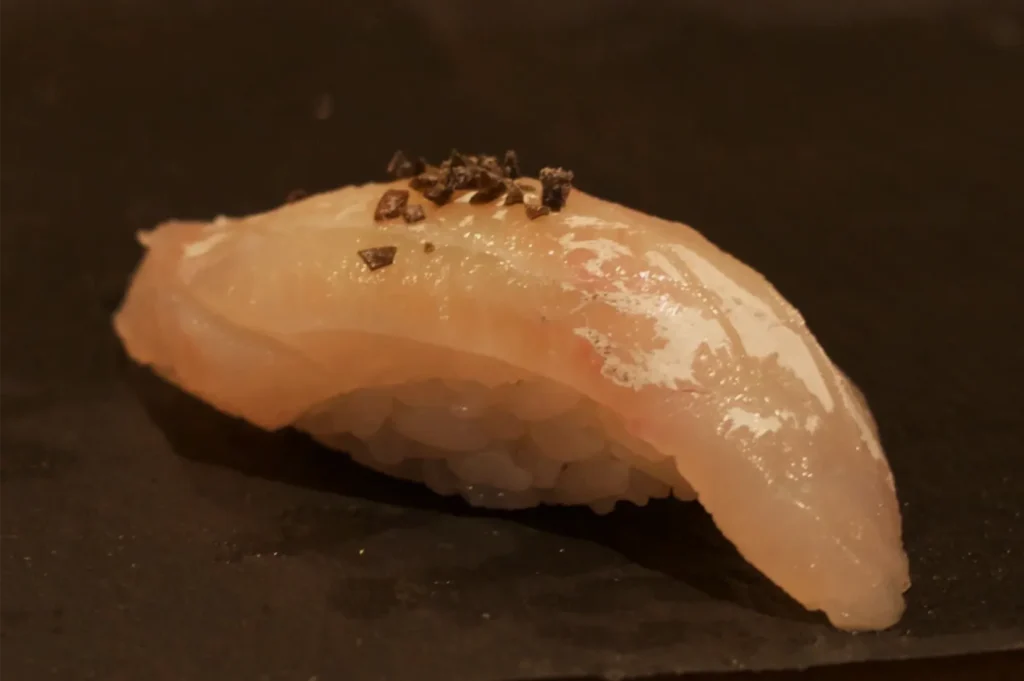
Suzuki, the Japanese sea bass, is the quintessential summer fish in the shiromi category, and its pairing with chilled sake captures the very essence of seasonal Japanese dining.
To understand the sake pairing suzuki deserves, we begin with the fish itself. Known by its scientific name, Lateolabrax japonicus, suzuki is an anadromous fish, one that moves between the open sea and the freshwater of rivers. This dual-natured life shapes everything about its flavour. From the sea it carries a robust, clean umami. From the river it draws a light, refreshing fragrance. The two meet in a single slice, quiet and balanced.
That journey is why suzuki tastes like summer. It swims through changing waters, feeding and growing, and arrives at the counter with a clarity that feels almost weightless. For those who follow anadromous fish sushi, few examples show this crossover as gracefully.
A Sensory Profile Built on Clarity
Suzuki is an athlete. It moves constantly, and that motion keeps its fat low to moderate rather than rich and heavy. The result is a texture that surprises many at first bite.
There is a crisp snap on entry.
Then, as you chew, that firmness softens beautifully, releasing a gentle sweetness that lingers rather than announces itself. This is where the word “crystalline umami” comes in. The flavour is clear and linear, not bold or loud. It moves in a straight line across the palate, precise and cool.
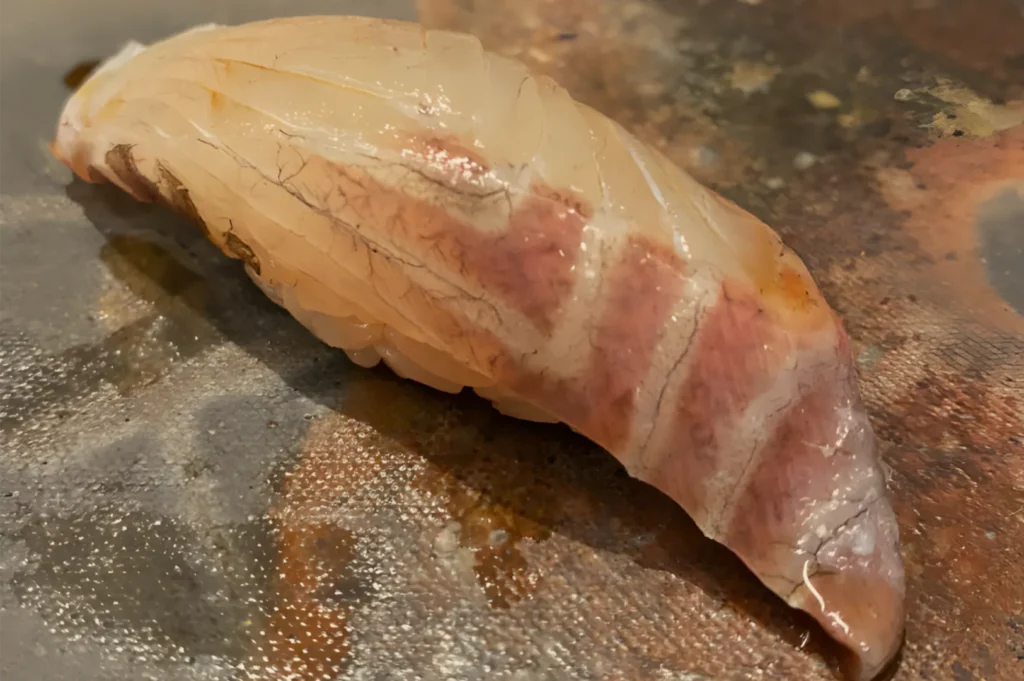
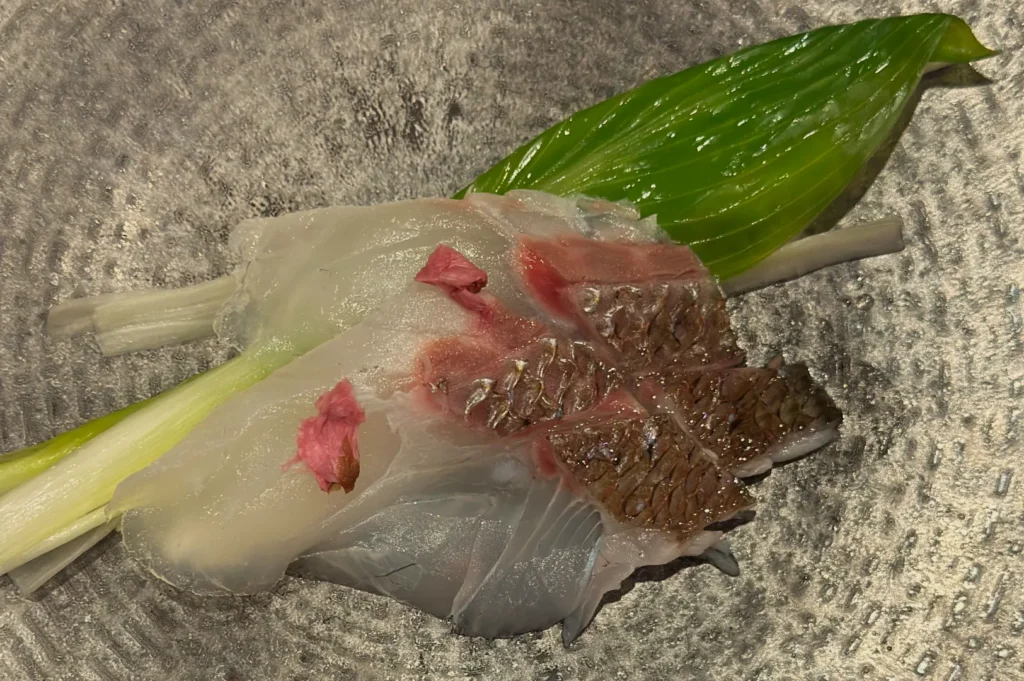
There is beauty in its appearance too. Between skin and flesh runs a bloodline that glows in crimson or cherry-pink shades. Against the pale, near-translucent flesh, that ribbon of colour creates a striking contrast on the plate. It is one of the small visual pleasures that make summer fish sake pairings feel so alive.
Seasonality: Reading the Calendar of the Sea
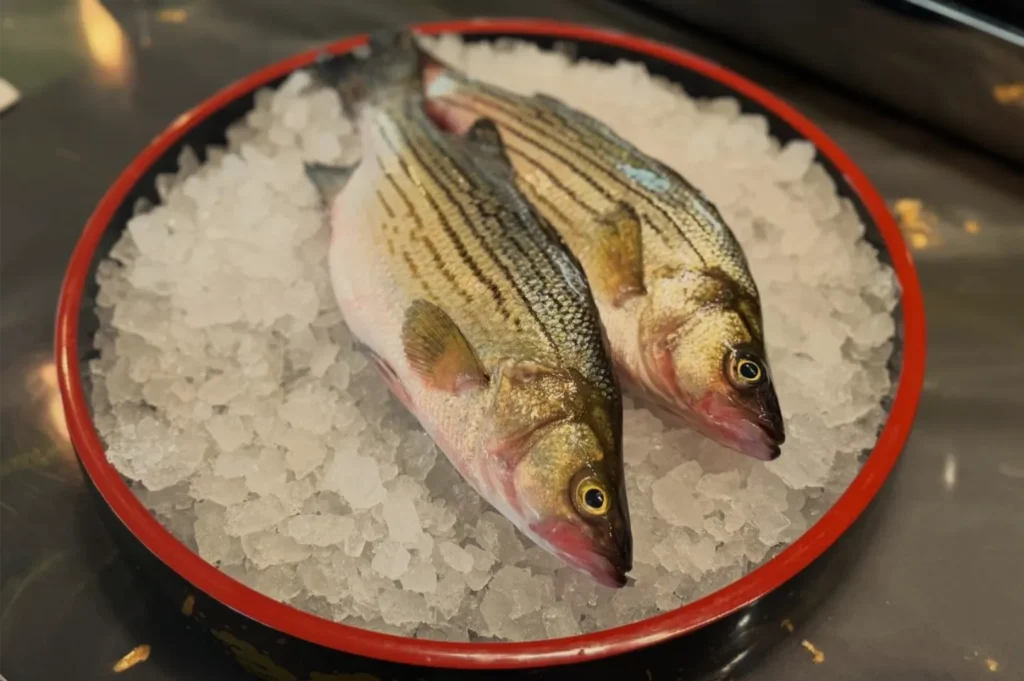
Timing shapes suzuki more than almost any other factor. Its peak arrives in summer, roughly June to August, when the flesh is firm, the fragrance bright, and the fat perfectly poised.
Autumn tells a different story. Specimens caught later in the year are generally rated lower in both flavour and price, their character having drifted past its finest window.
Winter brings another form entirely. Kan-suzuki refers to the cold-season fish that migrate to offshore bays to spawn. These specimens carry their own qualities, but the summer suzuki remains the one most closely tied to the season of light meals and cool drinks. This is why seasonal sake chilled to match feels so natural at this time of year.
Wild suzuki, shaped by open currents, tends to show the clearest expression of this seasonal rhythm, while farmed fish can offer a steadier, softer profile across the year.
Preparation Methods: Simplicity and Skill

The simplest and most classic presentation is raw nigiri dressed with only a touch of salt and a squeeze of sudachi citrus. No soy sauce. The salt lifts the sweetness, and the sudachi suzuki pairing brings a green, citrus brightness that mirrors the fish’s freshwater side. It is restraint as a form of respect.
Yet this is far from the only path. Sushi is full of regional and stylistic variation, and suzuki rewards several approaches.
Kobujime presses the flesh between sheets of kelp, drawing out moisture and layering in a deeper, rounder umami.
Yushimo involves pouring boiling water over the skin, then chilling the fish quickly. This softens the skin while sealing the fat just beneath, offering a different texture and a subtle richness.
Arai is summer’s signature technique. The flesh is chilled rapidly in ice water so it contracts, producing an ultra-crisp texture that feels almost cooling to eat. On a warm evening, few things refresh quite like it.
Each method changes the fish without masking it. The goal is always to let that crystalline character speak. If you enjoy exploring sake pairing with seafood, these varied preparations offer a wonderful map of how a single fish can shift across a menu.
The Sake Pairing: Meeting Clarity with Minerality
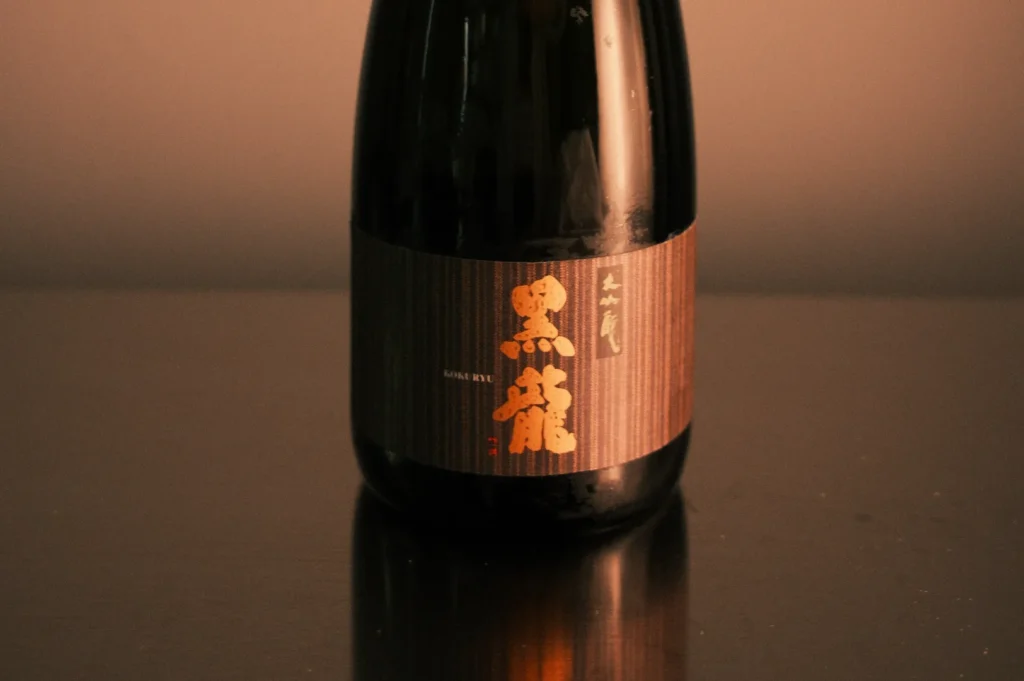
Suzuki’s crystalline umami calls for a sake with the same sense of precision. Mineral-driven styles work beautifully here, echoing the fish’s clean, linear flavour rather than competing with it.
A junmai daiginjo from a region known for soft water is a natural companion. Its delicate texture and quiet aromatics slide alongside suzuki without overwhelming it, letting both the fish and the crystalline umami sake show their finest edges. A light junmai summer style, served cool, can achieve a similar harmony with a touch more grip.
Summer seasonality also points toward reishu, or chilled service. Cool temperatures sharpen a sake’s aromatics and keep the pairing crisp, which suits both the fish and the weather. For anyone building their understanding of Japanese sake pairing, suzuki is an ideal teacher, because it demands balance rather than power.
Think of it this way. A bold, full-bodied fish might want a sake that stands toe to toe with it. Suzuki wants a partner that moves in step, quiet and clear. Those who enjoy the suzuki sashimi wine comparison often find that the same logic used for delicate white wines applies here too.
Suzuki and Madai: Two Kinds of Refinement
It helps to compare suzuki with madai, the celebrated sea bream. Madai offers immediate sweetness and a bold, generous richness. It feels celebratory, full, and warm on the palate.
Suzuki takes a different route. It offers clearer, more mineral refinement, holding back where madai leans in. If madai is a rounded, sunlit note, suzuki is a cool, precise one.
The wine comparison many draw is to premium Chablis, with its steely minerality and restrained fruit. Suzuki shares that quality of quiet elegance, the kind that reveals itself slowly rather than all at once. Neither fish is better. They simply speak different languages, and the sake pairing suzuki invites should honour that mineral clarity.
A Fish for the Summer Counter
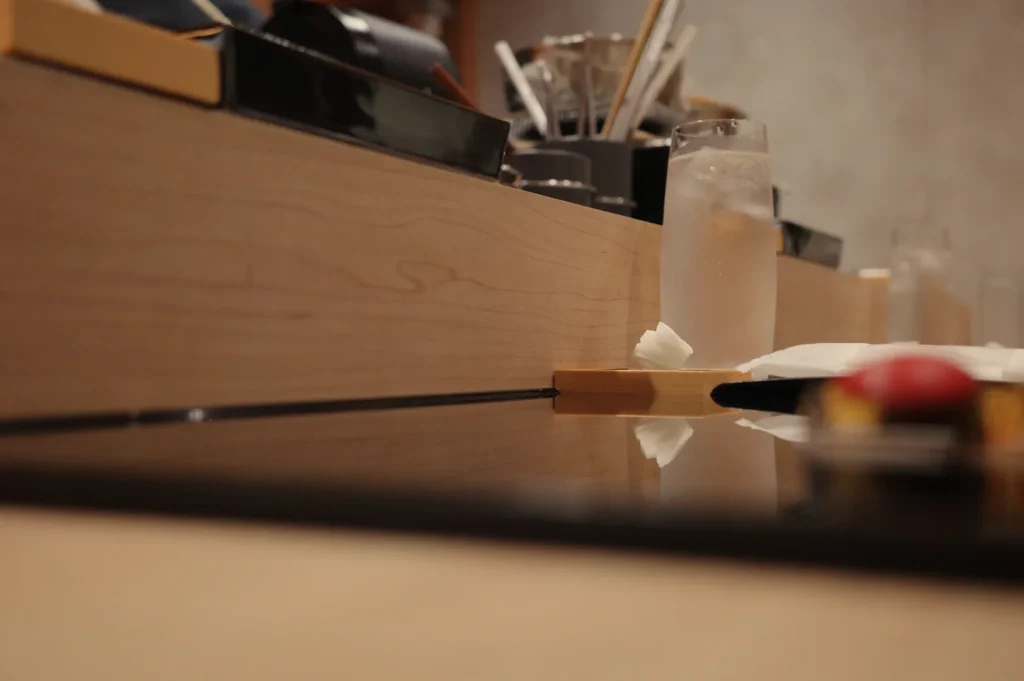
As the season turns warm, suzuki comes into its own. Its crisp texture, gentle sweetness, and crystalline umami make it one of the defining pleasures of a summer omakase. Whether served as arai, as delicate nigiri with salt and sudachi, or alongside a chilled, mineral-driven pour, the sake pairing suzuki offers rewards those who slow down and pay attention.
That is the heart of a fine summer meal. A single piece of Japanese sea bass sake matched with care, eaten in the right season, at the right temperature. If you would like to experience this kind of thoughtful, seasonal progression, Sushi Masa’s seafood-focused omakase welcomes you to the counter, where summer fish and quiet craft meet.
Frequently Asked Questions
When Is Suzuki at Its Best?
Suzuki peaks in summer, roughly June to August, when its flesh is firm and its flavour brightest. Autumn specimens are generally rated lower in both taste and price, while winter brings Kan-suzuki, the cold-season fish that migrate offshore to spawn.
Why Is Suzuki Often Served with Only Salt and Sudachi?
The classic nigiri preparation uses salt and a squeeze of sudachi citrus, with no soy sauce, because suzuki’s flavour is delicate and clear. Salt lifts its natural sweetness, and sudachi adds a green brightness that suits the fish beautifully. It is a simple approach, though far from the only one.
What Sake Suits Suzuki Best?
Look for mineral-driven, elegant styles such as a junmai daiginjo from a soft-water region, served chilled. These match suzuki’s crystalline umami with a clean, linear character rather than overpowering it, which makes them ideal for warm-weather dining.