Singapore has always been a city that eats with its whole heart. Choosing where to eat in Singapore is never a simple decision, because there are so many great restaurants competing gently for a place in any diner’s weekly rotation. Some guests return to the same hawker stall for years. Others quietly become regulars at a single dining room, greeted by name before they have even sat down.
What separates the best dining restaurants in Singapore from the merely good ones is not the size of the menu or the height of the building they sit in. It is the relationship they build with the people who keep coming back. This is something we think about often at Sushi Masa by Ki-Setsu, where every seat at our counter is meant to feel like an old friend’s table rather than a reservation.
Where to Eat in Singapore: A Food Scene Built Around the Food Centre
Singapore’s food scene is one of the most diverse in Southeast Asia, and that diversity is precisely why it is so beloved, home to recommended restaurants of every style and price point.
Within a single food centre, you might find a stall serving fragrant Hainanese chicken rice beside another ladling out a spicy noodle soup thick with chilli sauce, while a third serves nasi lemak wrapped the traditional way. Walk a little further and you will find banana leaf rice piled high with curry, fried tofu, and vegetables, a proud staple of Indian cuisine that has been perfected over generations in and around Little India. Malay food, Peranakan food, and the ever popular chilli crab all share space on the same small island, each dish carrying its own history and its own devoted following.
Hawker centres remain the beating heart of this culinary identity. A humble hawker stall can produce a bowl of carrot cake, stir fried until smoky and fragrant, that rivals anything served in a formal dining room. It is no exaggeration to say that some of the most absolutely delicious food in the country costs only a few dollars and is eaten standing at a plastic table under a fan. This is part of what makes visiting Singapore so rewarding for anyone who is food obsessed. The city does not separate its cheap eats from its fine dining, it simply lets both traditions thrive side by side.
From Hawker Stalls to the Chef’s Table
That coexistence matters because it shapes what diners expect when they eventually sit down at a more formal table. Someone who grew up on a Sunday plate of chicken rice understands, instinctively, what it means for a dish to be cooked with care and served without pretension. That same instinct carries over when they choose a tasting menu or a chef’s table experience later in life. They are not looking for spectacle. They are looking for the same honesty they found in a bowl of oily rice from their favourite hawker stall, only expressed through a different, more considered technique.
The Best Restaurants in Singapore and Their Beautiful Dining Rooms
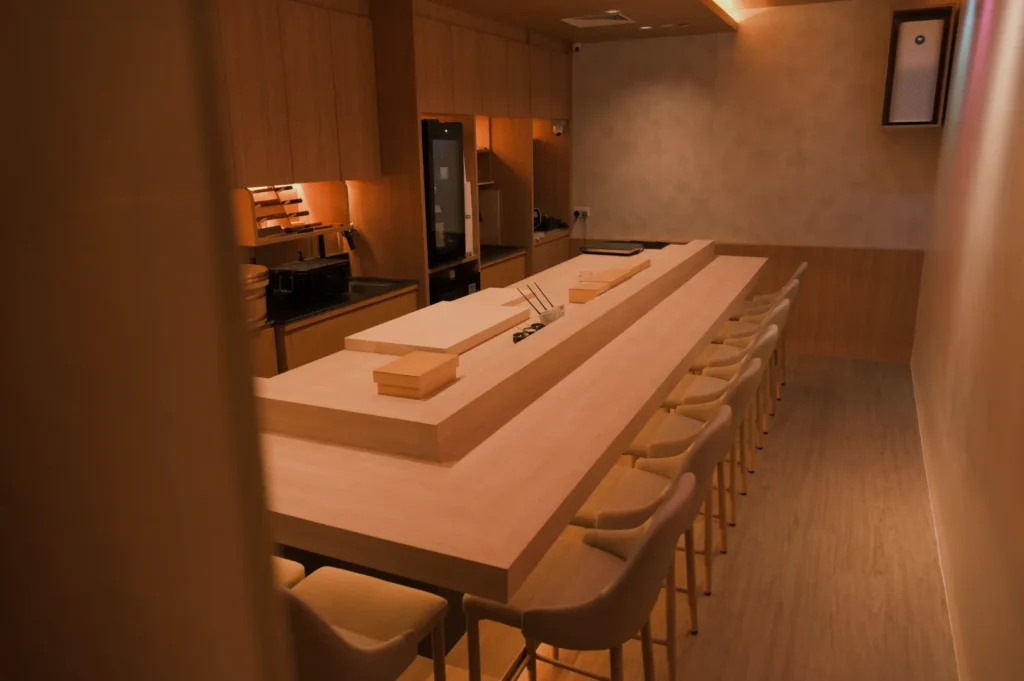
Over the past two decades, Singapore has quietly become one of the most exciting places in the world to experience fine dining. Restaurants in Singapore now range from grand, beautiful restaurants perched on the top floor of towers overlooking Marina Bay Sands, to intimate spaces tucked into the greenery of Dempsey Road. Michelin starred establishments sit comfortably alongside independent, chef driven concepts, and the overall standard has risen so quickly that Singapore restaurants are frequently mentioned in the same breath as those in Tokyo, Paris, or New York.
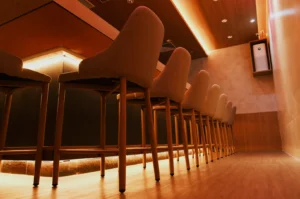
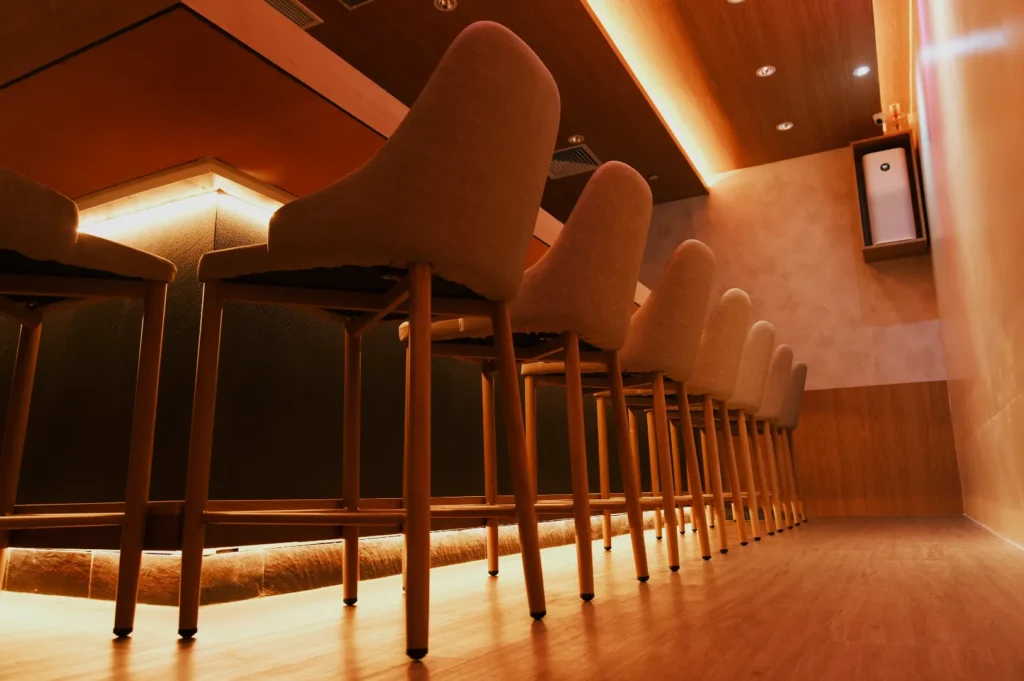
This growth has given diners more choice than ever before. An Italian restaurant with an open kitchen might sit two streets away from a wine bar known for its curated pours, which in turn sits near a bar area still serving a classic Singapore sling to visitors chasing a taste of old world glamour. Counter seating has become particularly popular, allowing guests to watch a dish take shape from the very first cut of the fish to the final plating.
Every Different Restaurant, Its Own Story
What we find most interesting is how personal fine dining has become. A different restaurant might define itself through theatre, another through quiet precision, but the best among them all share one trait: they remember their guests. The finest establishments understand that a dining experience is not simply about the plate of food placed in front of you, but about the accumulation of small gestures over many visits, the seat that is remembered, the preference that is noted, the story that continues each time you return.
What the Best Singapore Restaurants Know: How Sushi Masa by Ki-Setsu Welcomes You Back
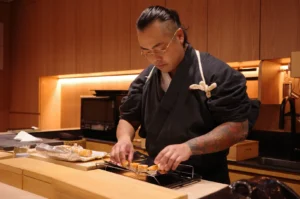
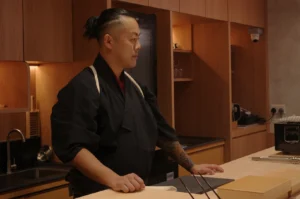
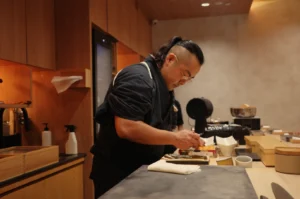
At Sushi Masa by Ki-Setsu, we have built our entire approach around this idea of continuity. Our dining room is small and intimate, arranged around a single counter where Chef Masa prepares each course by hand for the guests seated before him. There is no large brigade behind the scenes, only one chef, working with the kind of focus that comes from decades of practice. Regulars know that returning to Sushi Masa by Ki-Setsu means something quietly different each time, because Chef Masa adjusts the evening around what is freshest that day and what he remembers a guest has enjoyed before.
This is, admittedly, a more demanding way to run a restaurant. Sourcing the finest seafood daily, refusing to compromise even at extra cost, and preparing everything to order rather than in advance requires patience from both the kitchen and the guest. But it is precisely this discipline that regulars come to appreciate. They are not choosing from a printed list of dishes. They are placing their trust in a single set of hands, and that trust deepens with every visit.
We often hear from guests that they think about their next visit before they have even finished the current one, wondering aloud what the season might bring next. That anticipation, we believe, is the truest sign of a great restaurant relationship.
The Omakase Philosophy: Trusting Chef Masa’s Hands
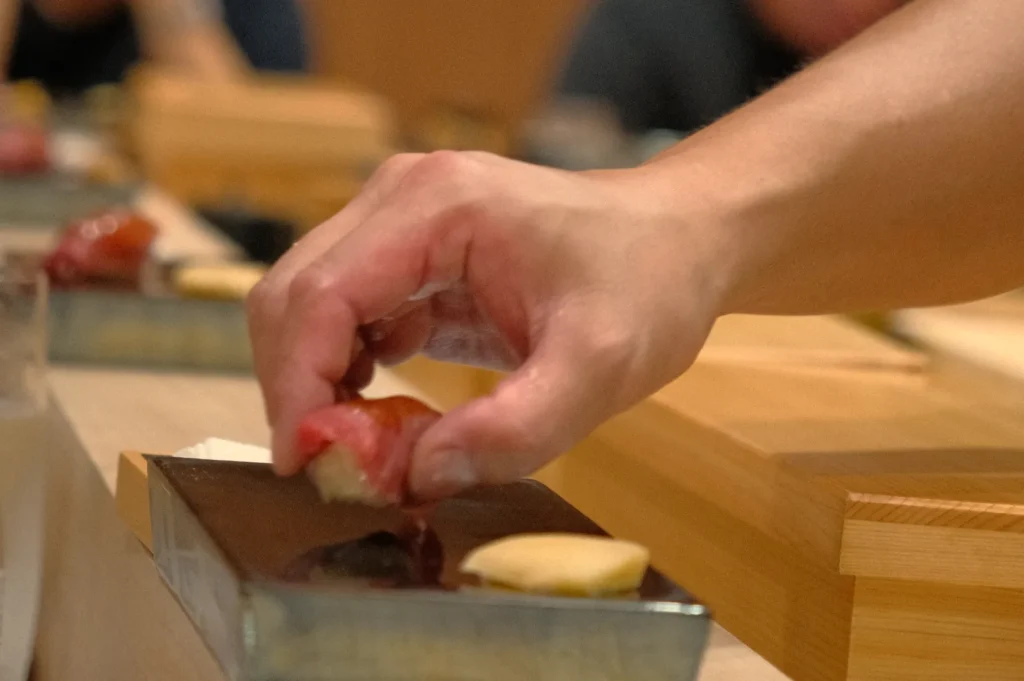
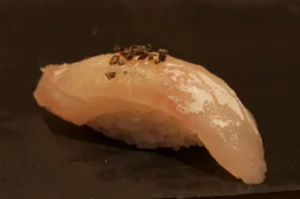
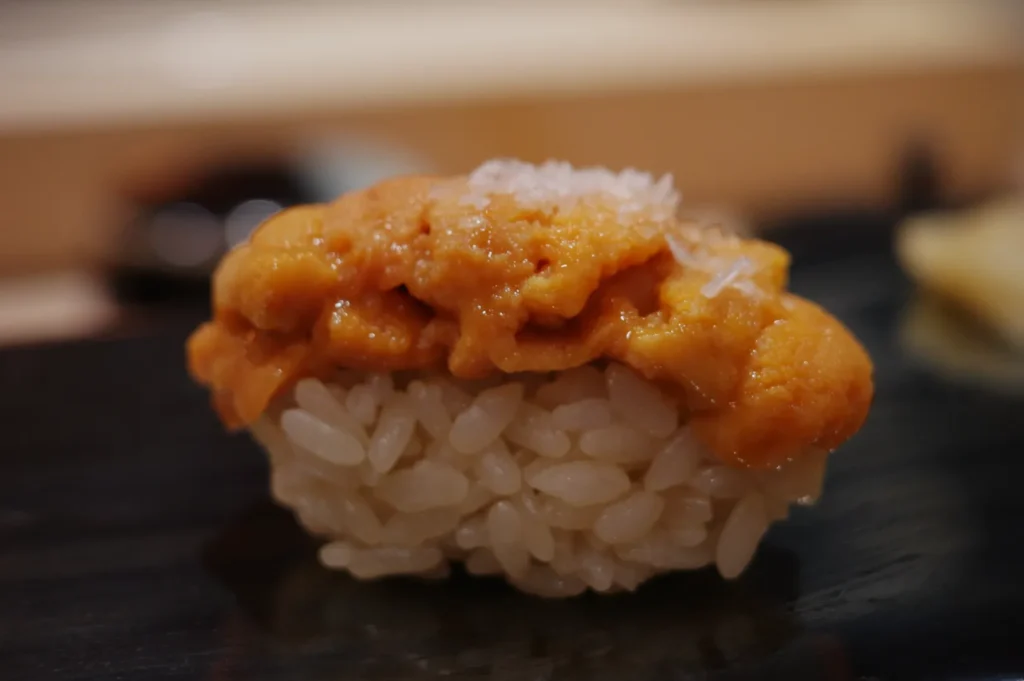
Omakase is often translated simply as “I leave it up to you,” but the philosophy runs far deeper than that phrase suggests. It is a form of dining built entirely on trust between guest and chef. Rather than selecting individual dishes, guests allow Chef Masa to guide the entire course, piece by piece, drawing on the best seafood available that day. This is the only format we offer at Sushi Masa by Ki-Setsu, because we believe it is the truest expression of Edomae style sushi, a tradition rooted in Tokyo that favours seasonality, precision, and a deep respect for the fish itself.
Each course begins gently, easing the palate with something light before moving through a sequence of nigiri, each piece cut, seasoned, and pressed by hand at the very moment it is served. The rice itself, warmed to body temperature and seasoned with a careful balance of vinegar, is treated with as much reverence as the fish that sits atop it. Nothing is rushed, and nothing is left to guesswork.
Sourcing From Toyosu: A Daily Commitment to Quality
The foundation of any great sushi experience lies in sourcing, and this is something we take extremely seriously. Ingredients for Sushi Masa by Ki-Setsu are sourced from Toyosu Market, the successor to the legendary Tsukiji, where the finest fish in the world changes hands each morning. Toyosu remains the benchmark for quality across the entire industry, and building a relationship with trusted suppliers there allows Chef Masa to select cuts that many traditional sushi restaurants would never have access to.
A short list of what this commitment looks like in practice:
Seafood selected fresh each day rather than pre-ordered in bulk
Seasonal fish prioritised over convenience or consistency of menu
Rice cooked to order and never held for long periods
A single chef overseeing every stage, from sourcing to the final piece placed before you
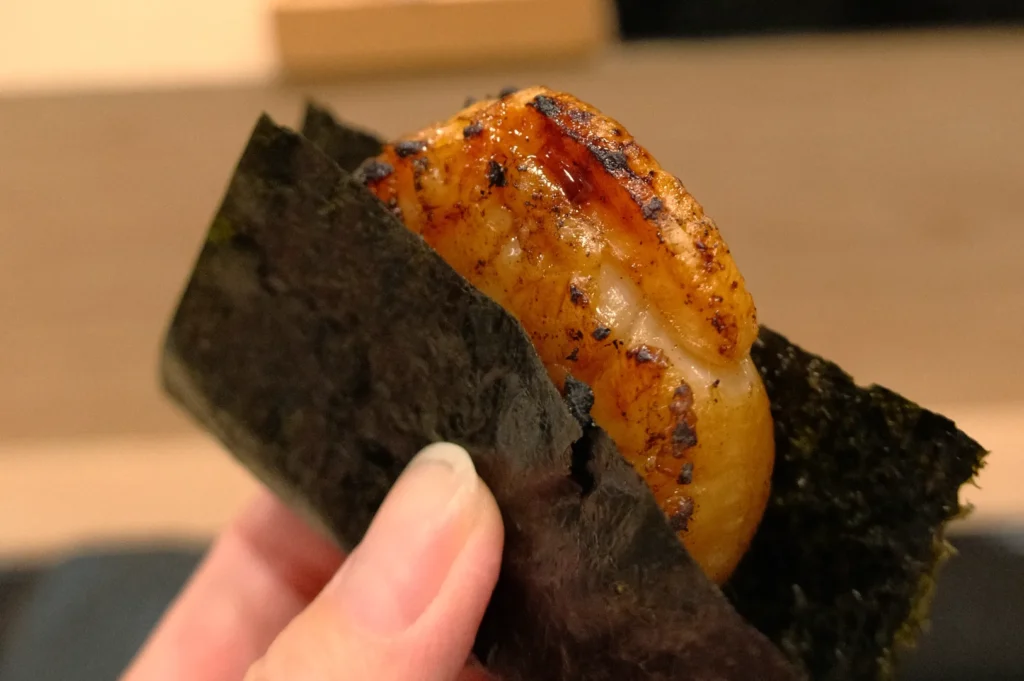
This is also why we do not serve grilled meats or meat of any kind. Our focus remains entirely on the sea, and on doing a smaller range of things exceptionally well rather than spreading our attention thin. Even the grill we use is reserved for lightly searing certain cuts of fish, coaxing out flavour without masking the quality of the ingredient beneath it.
A Dining Experience Worth Returning For

Singapore will always have room for smoky, char grilled dishes cooked over open flame, for chicken rice eaten at a shared table, for chilli crab shared among friends with hands and bread rather than cutlery. That is the joy of eating in this city, and we would never wish it any other way. But we also believe there is something valuable in a slower, quieter kind of dining, one where a single chef spends an entire evening focused only on the guests in front of him.
At Sushi Masa by Ki-Setsu, we hope to be the kind of restaurant that regulars return to not for novelty, but for familiarity earned honestly over time. We would love for you to join us for dinner, to sit at our counter, and to discover what Edomae sushi tastes like when it is prepared with singular attention and the very best of what Toyosu has to offer that day. Bring your curiosity, bring a few close friends, and let Chef Masa show you what a truly considered meal can feel like in a city that already knows how to eat so well.