Most diners plan an evening around the food. Few think about where they will sit, yet the seat you take can shape the meal as much as the fish on the plate.
It decides how close you are to the chef, how quickly the courses arrive, and whether the evening feels lively or quietly intimate. At Sushi Masa by Ki-Setsu, we believe every guest should understand these choices before they arrive.
Why Your Seating Choice at a Sushi Restaurant Matters
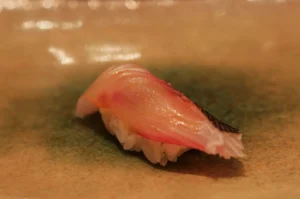
Sushi is a food of timing. A piece of nigiri is at its best moments after it is prepared, when the sushi rice is gently warm and the topping sits at the right temperature.
In Japan, the sushi experience grew up around the counter. Other formats followed, and today most restaurants serving Japanese food offer a wide selection of seating options. None is wrong. The best choice depends on who you are with and what you hope to feel.
Seating also affects the senses. Close to the chef, you catch the aroma of freshly cut fish and the faint sweetness of vinegared rice. Further away, the meal leans more towards conversation and company. Neither is better, but knowing the difference helps you plan.
Here is a quick comparison:
| Setting | Best for | What you gain | What you give up |
|---|---|---|---|
| Counter | Solo diners, couples, enthusiasts | Direct view of the craft, each piece at its peak | Less room for large groups |
| Table | Groups, family gatherings | Space, privacy, easy conversation | Distance from the preparation |
| Private room | Business dinners, celebrations | Discretion and quiet | The energy of the counter |
| Low table | Traditional evenings | A calm, ceremonial mood | Some comfort if you are unused to floor seating |
Counter Seating at a Sushi Bar: A Front Row Seat to the Craft
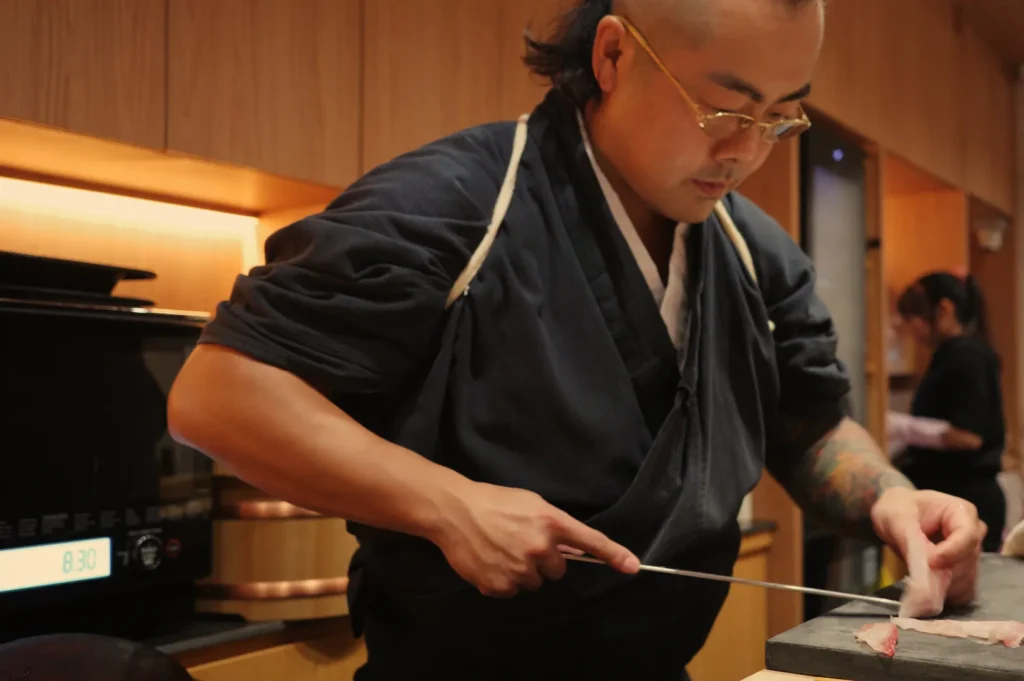
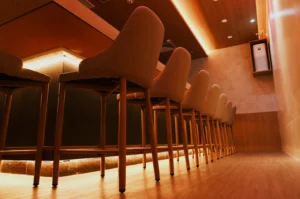
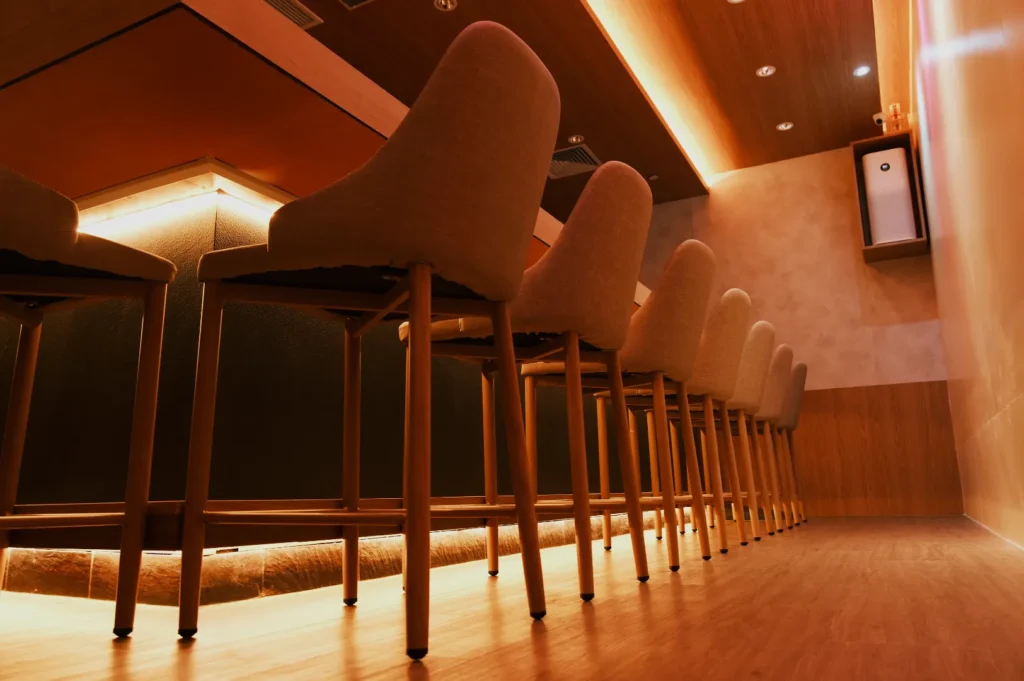
Counter seating is the heart of traditional Japanese sushi dining. At a sushi bar, you sit directly across from the chef, separated only by a slim wooden counter. You see the knife work, the shaping of each piece and the final touch of seasoning.
This closeness is why many enthusiasts consider counter dining the purest way to eat sushi. Each piece reaches you the moment it is ready, with no delay while a plate travels from a kitchen.
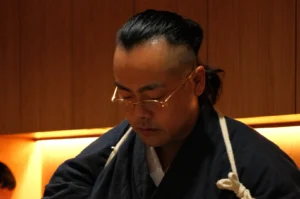
It also allows quiet conversation. You might ask about the fish, where it came from or why a piece is served in a certain order. At Sushi Masa by Ki-Setsu, Chef Masa prepares each course before our customers, and this exchange is often the most memorable part of the evening.
What You Notice From the Counter
From this seat, you begin to spot details that are easy to miss elsewhere:
How each cut of fish is handled with care
How the sushi rice is shaped with a light hand so it loosens gently in the mouth
How the pace is set by the chef, not the diner
That last point is part of the pleasure. You are invited to stop deciding and simply enjoy the eating experience.
The Sushi Counter and the Rhythm of Omakase
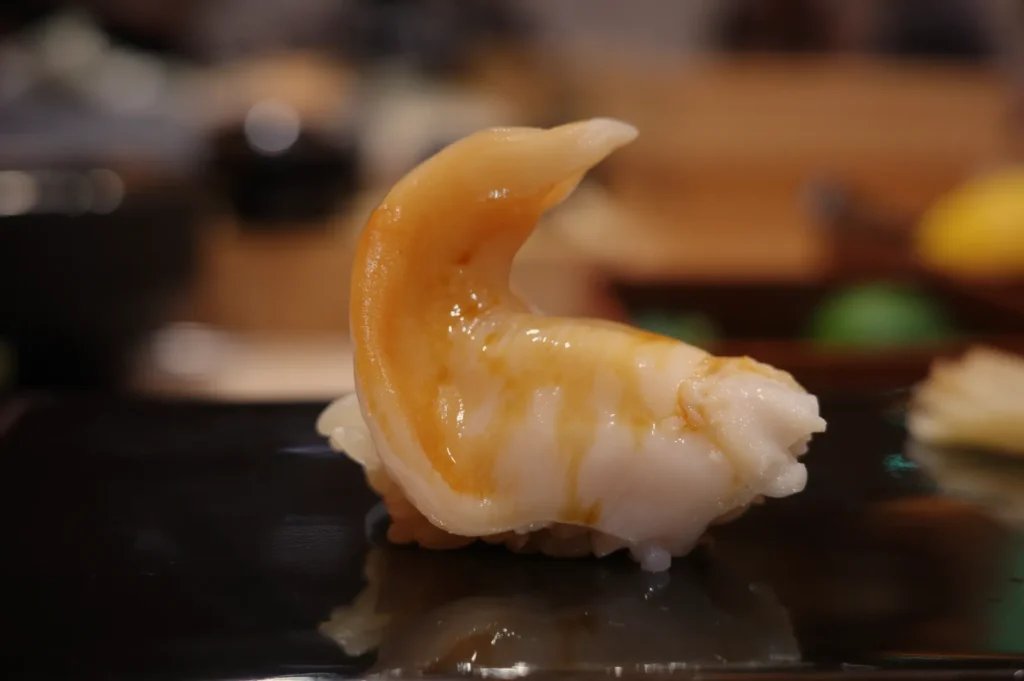
The sushi counter is where omakase truly comes alive. The word means “I leave it to you,” and it is often described as the chef’s choice. Rather than picking dishes one by one, you place your trust in the person preparing your meal.
At Sushi Masa by Ki-Setsu, omakase is our only choice, and we say that with pride. It lets Chef Masa build the evening around the finest seafood of the day, guided by the Edomae tradition. This style began in old Tokyo, where fish was prepared through light curing, marinating and ageing to bring out its character.
What defines our counter:
Edomae craft: traditional techniques that respect the fish
Toyosu sourcing: seafood from the Tokyo market trusted by many of Japan’s finest kitchens
A purely seafood menu: every course celebrates the sea
One chef: Chef Masa prepares and serves each guest personally
Original creations: unique dishes crafted by Chef Masa that reflect his artistry and the season
The sequence is designed to build gradually, moving from lighter flavours to richer ones. We also choose restraint over showy toppings. Real quality does not need to impress with excess.
Because our counter is served by a single chef, the pace of the meal is shaped with each guest in mind. Nothing is hurried, and nothing is left to chance.
Table Seating in a Japanese Restaurant: Space to Settle In
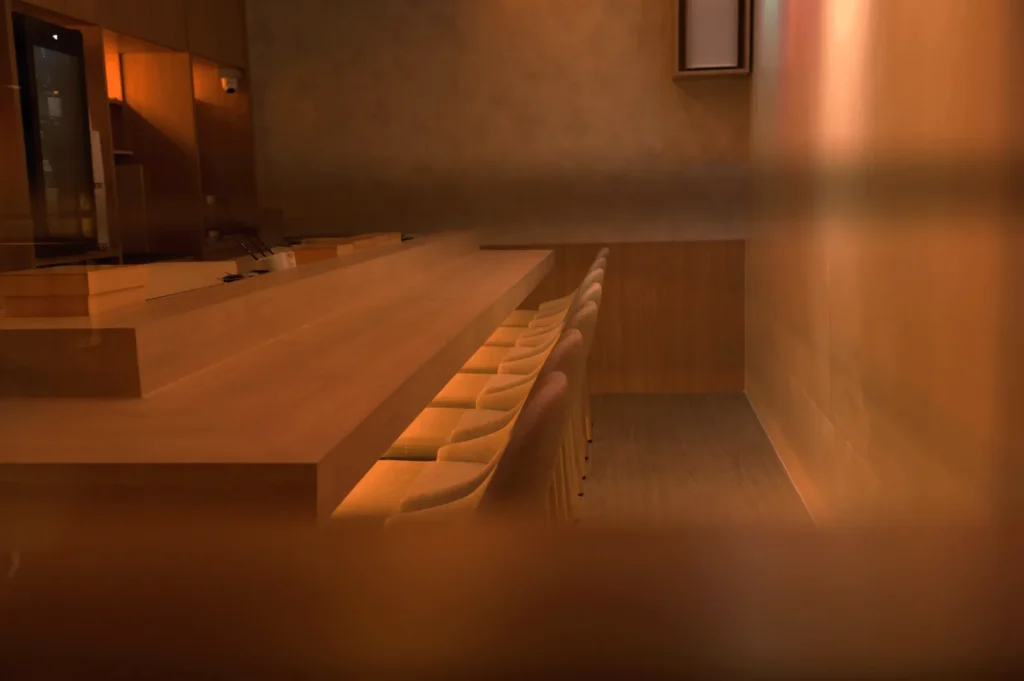
Not everyone prefers to sit at a counter, and there are good reasons for that. Table seating offers privacy, space and a relaxed atmosphere. In a Japanese restaurant with a broad menu, tables are where groups share plates and linger over drinks.
Tables suit larger parties well, since everyone can face one another. Booth seating, found in many restaurants, adds a sense of enclosure for couples who want a quieter evening.
The trade-off is distance. Dishes travel from the kitchen, so the experience shifts from watching a craft to enjoying its result. For conversation and celebration, that is often exactly what customers expect.
The Traditional Low Table
Some traditional Japanese restaurants use a low table, where guests sit on tatami mats or cushions. This is common in kaiseki dining, the refined multi-course cuisine associated with Kyoto. Sitting close to the floor creates a quiet, ceremonial mood.
If you are sitting with your legs folded, do not worry about doing it perfectly. Many venues offer sunken seating or cushions for comfort.
Private Dining Rooms and Business Dinners
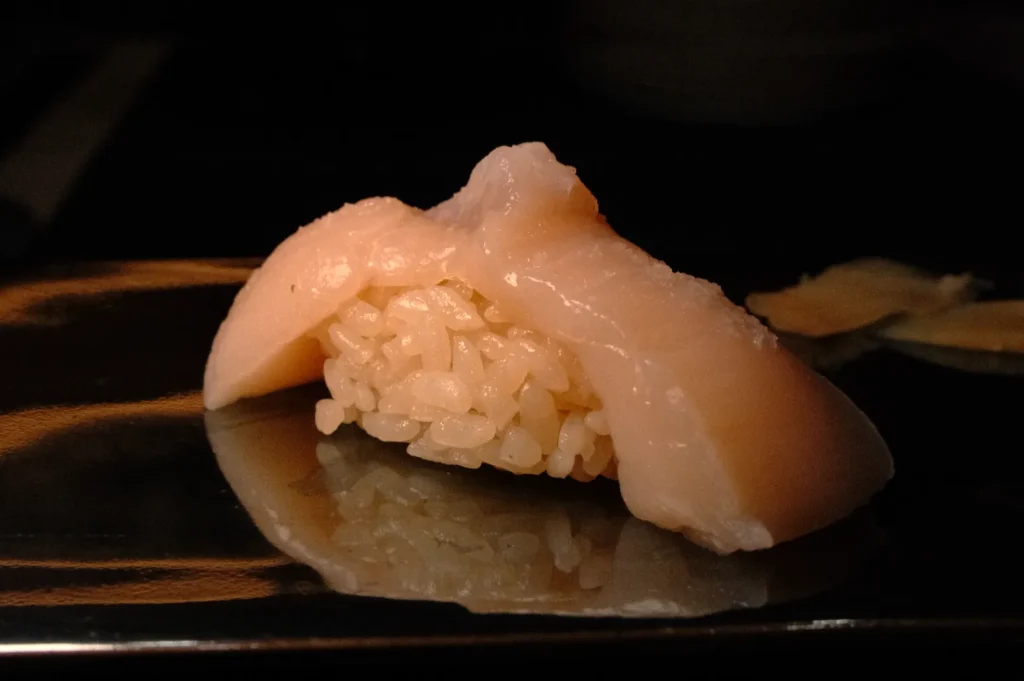
A private dining room is another option at some establishments, often chosen when discretion matters. For business dinners, guests can talk openly without background noise.
In Japan, private rooms have long been part of dining culture, especially in Osaka and Kyoto, where hospitality is treated as an art. Booking one tells guests their time is valued and reflects the elegance of the occasion.
That said, a business dinner does not always need a closed door. Sharing the same courses at the same moment creates a natural bond, and the food itself gives everyone something to talk about.
Etiquette for Every Seat
Good manners are mostly about consideration. When you arrive, you will usually be greeted at the entrance and shown to your seat. In traditional settings with tatami flooring, you may be asked to remove your shoes, so clean socks are a thoughtful choice.
At the counter, keep these points in mind:
Since courses are prepared for guests together, arrive on time
Keep strong fragrance to a minimum so the aroma of the fish and rice is not overpowered
Eat each piece soon after it is served
Ask questions freely, but read the mood of the room
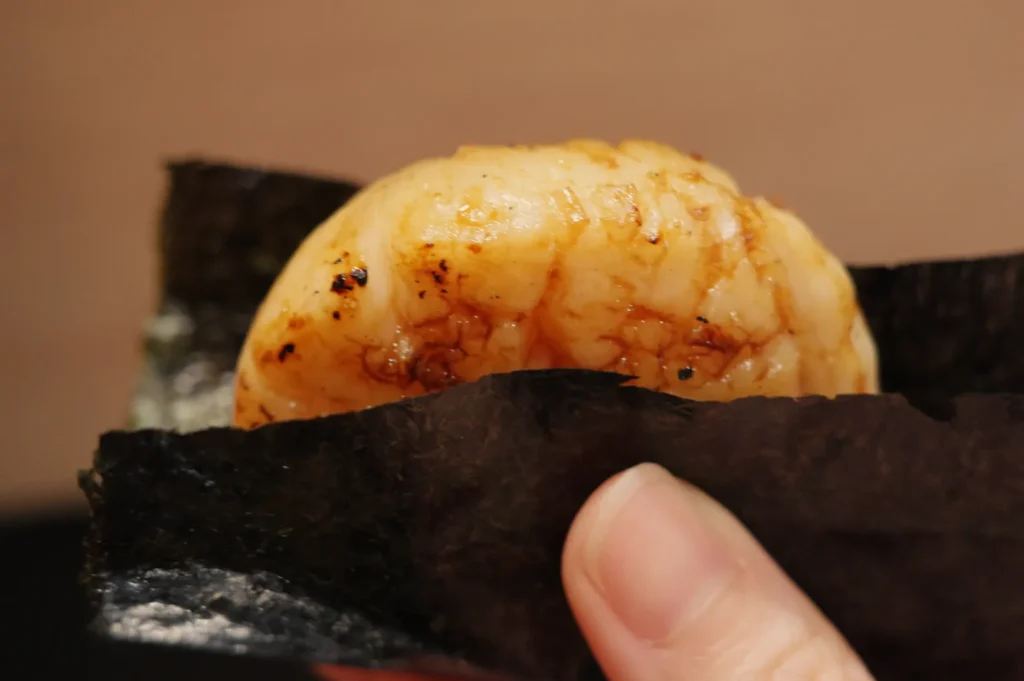
Feel free to eat nigiri with your hands, and dip only the topping lightly in soy sauce
A reservation is essential at most counters, as seating is limited. Mention any dietary needs in advance so the kitchen can prepare properly. Fine sushi is never about finding somewhere cheap. It reflects the quality of the fish, the chef’s skill and the time invested.
When it comes time to pay, it is expected that customers will settle their bill promptly, respecting the service and craft involved.
Solo Diners, Couples and Friends: Finding Your Seat
Here is a simple guide to matching your party to your seat:
| Your party | Suggested seat | Why it works |
|---|---|---|
| Solo diners | Counter | Feels natural, and the chef keeps you engaged |
| Couples | Counter or booth | Shared view of the craft, or a quieter evening |
| Friends or family | Table | Easy conversation across the group |
| Business guests | Private room or counter | Discretion, or a shared experience that builds rapport |
Couples celebrating an anniversary often find that the counter adds a sense of occasion, since the meal becomes a performance made for two. Many regulars in Japan also dine alone at the counter, where you are part of the room and the meal gives you plenty to focus on. Drinks are part of the journey too, and a carefully chosen sake or a pot of green tea can complement delicate seafood beautifully. If you are unsure, we are happy to suggest something for each stage of the meal.
Beyond Sushi: Seats That Suit the Food
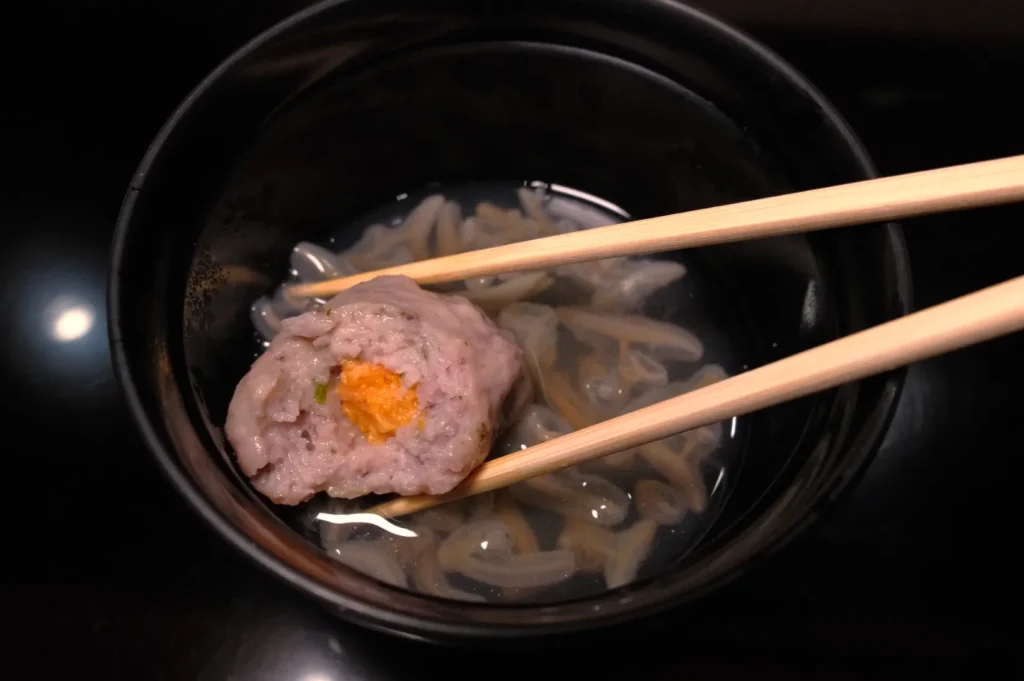
Japan has many kinds of dining rooms. Ramen shops are casual and quick, built around a bar where guests sit side by side. Kaiseki establishments prefer quiet, private rooms. These formats share one idea: the seat should suit the food. A steaming bowl of noodles belongs at a busy bar, while a slow succession of seafood courses is best enjoyed with time and attention.
Whether you are a first-time visitor or a seasoned regular, the same rule applies: decide what kind of evening you want, then choose the seat that fits. Our dinner service follows the same thinking. Sushi Masa by Ki-Setsu, located in Singapore, focuses on one thing: omakase in an intimate setting where chef and guest share the same space.
Choose the Seat, and Let the Meal Follow
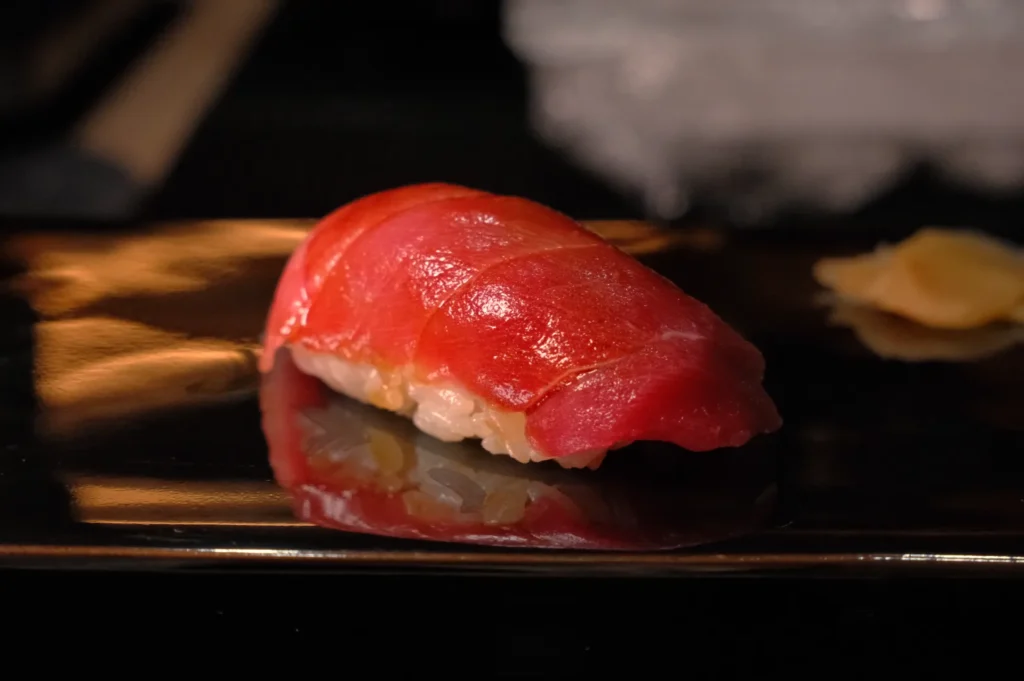
There is a right seat for every occasion. Choose a table for lively company, a private room when discretion matters, and the counter when you want to see the craft and taste each piece at its finest.
At Sushi Masa by Ki-Setsu, Chef Masa welcomes you to experience the Edomae tradition as it is meant to be enjoyed: Toyosu seafood, prepared with care and served one piece at a time. Reserve your seat for dinner and let the evening unfold at its own pace.