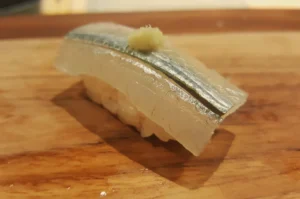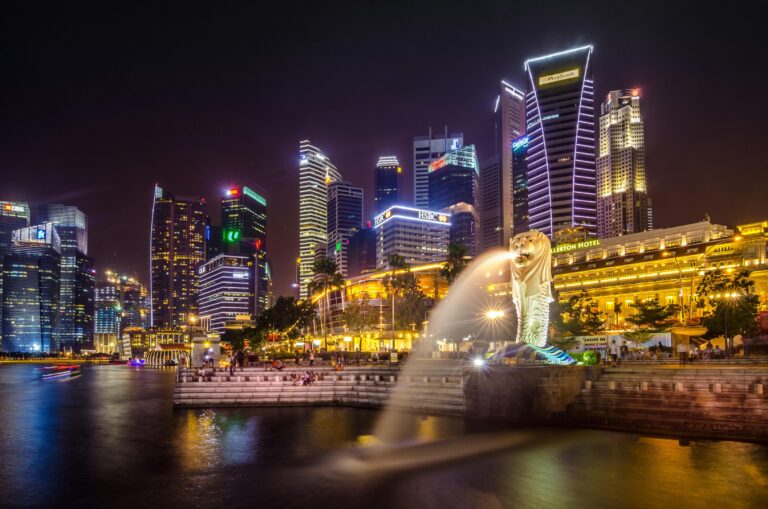
In Southeast Asia’s culinary capital, a quiet revolution is happening behind the counters of intimate Japanese restaurants. When you surrender your meal to a master chef, you’re not just dining—you’re embracing a centuries-old Japanese tradition that has found its perfect home in Singapore. The SG omakase scene has evolved into something extraordinary, blending authentic Edomae techniques with local tastes to create dining experiences rivaling those in Tokyo.
This guide covers everything about omakase in Singapore, from cultural roots to practical booking tips. Whether curious about lunch omakase menu versus dinner omakase menu or the chef’s philosophy behind crafting the perfect meal, discover how this chef’s choice dining concept has become one of the most sought-after culinary experiences in the Lion City.
What is Omakase in Singapore
Omakase, meaning “I’ll leave it up to you” in Japanese, is the ultimate trust between diner and chef. Guests relinquish menu control, allowing the chef to curate a multi-course journey using the finest ingredients available that day. Each dish builds upon the last, creating a harmonious progression of flavors, textures, and temperatures.

Singapore has become Southeast Asia’s omakase capital, with over 50 dedicated omakase restaurants ranging from intimate 8-seat counters to larger spaces. Its strategic location and strong trade ties with Japan ensure the freshest ingredients arrive regularly, often within 24-48 hours from Toyosu Market. This direct supply chain, combined with Singapore’s discerning dining culture, enables omakase venues to thrive and maintain exacting standards.
- The SG omakase scene is concentrated in key districts:
- Orchard Road: Hosts luxury omakase restaurants catering to locals and visitors seeking premium experiences.
- Tanjong Pagar: Offers a mix of traditional and contemporary venues.
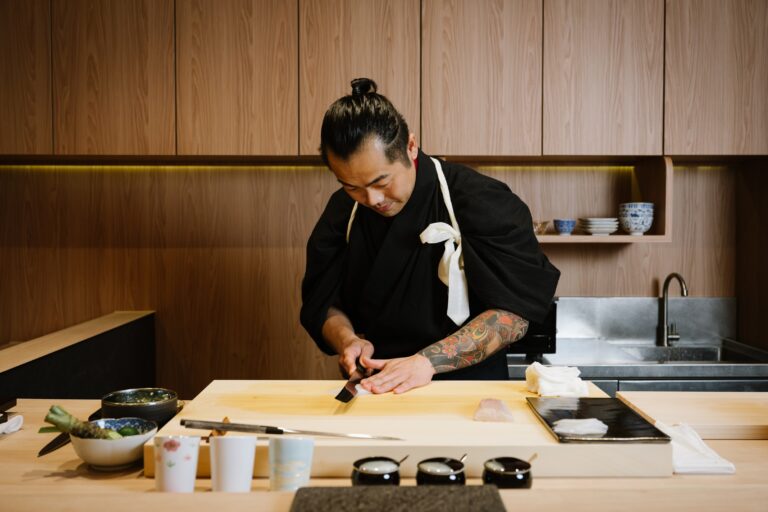
- Cuppage Plaza: Houses some of the most intimate and authentic experiences, including the renowned Sushi Masa by Ki Setsu, where Chef Masa crafts signature dishes with meticulous skill.
Singapore’s interpretation blends traditional Japanese cuisine techniques with local preferences and seasonal produce. While respecting classical Edomae methods, many establishments incorporate seasonal regional ingredients, creating unique flavor profiles found nowhere else. This adaptation makes omakase more accessible to local palates while preserving its essential elements.
Cultural Roots of Omakase in Singapore
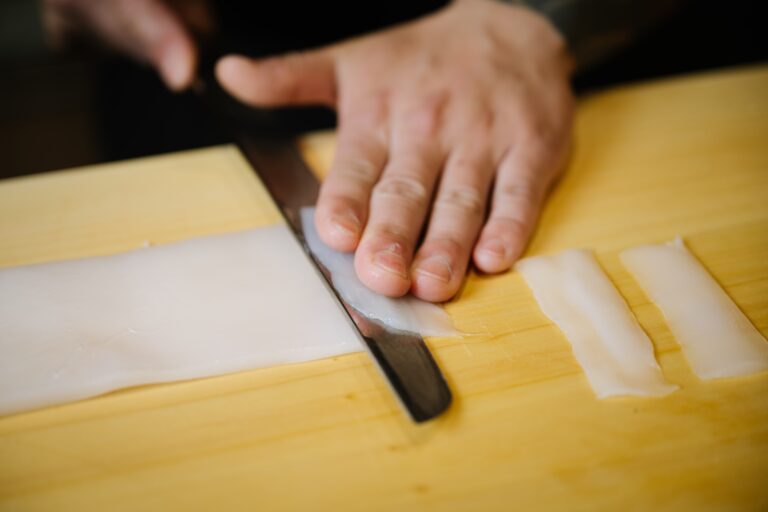
Omakase roots trace back to Japan’s Edo period, where the sushi chef-customer relationship was built on trust and respect. The chef’s role was not just cook but curator of experiences, selecting peak ingredients and preparing them with techniques passed through generations. This embodies the Japanese “shokunin” spirit—the craftsman’s pursuit of perfection.
Singapore’s adaptation preserves core principles while adjusting to regional preferences. Trust remains paramount, but local multicultural influences shape flavor profiles and ingredient combinations. Many chefs add subtle Southeast Asian elements—local herbs in appetizers or regional seafood alongside traditional Japanese varieties such as sea urchin and scallop.
Kaiseki principles influence Singapore omakase menus, structuring multi-course progressions that consider seasonality, flavor intensity, and temperature variation. The meal typically starts with delicate appetisers, moves through sashimi and sushi courses, includes hot dishes like tempura and grilled meat for contrast, and ends with dessert or palate cleanser.
Ritual aspects remain intact: intimate counters, chef explanations, and consuming each course immediately are central. This cultural authenticity has made Singapore a legitimate destination for serious omakase dining, attracting Japanese expatriates and international food lovers.
Lunch Omakase Menu vs Dinner Omakase Menu: Key Differences
Knowing the differences between lunch omakase menu and dinner omakase menu helps choose the right experience. Differences go beyond price, covering ingredient selection and dining philosophy.
- Lunch Omakase Menu
- Features 6-10 omakase courses
- Priced from S$68 to S$248
- Offers a refined yet efficient experience
- Emphasizes lighter preparations that showcase fresh ingredients’ natural flavors
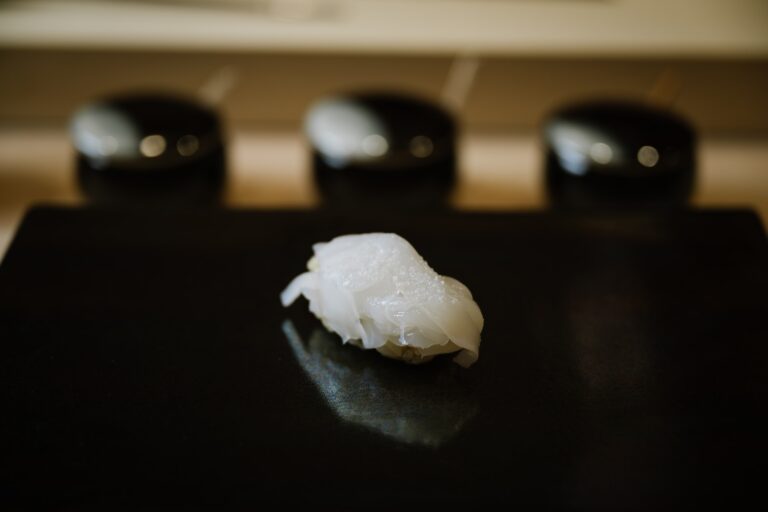
- Raw fish dominates lunch omakase menu, with delicate seasoning letting seafood shine
- Meals fit within 90 minutes, ideal for business dining or premium lunch without long commitment
- Dinner Omakase Menu
- Chef’s full artistic expression with 16+ courses
- Priced from S$148 to S$600+
- Includes richer elements like wagyu beef, premium uni, and complex cooked dishes showcasing advanced techniques
- Hot dishes are more prominent, featuring slow-cooked, grilled items, and elaborate sauces impractical at lunch
- Spans 2-3 hours, allowing deeper chef interaction and theatrical presentations such as tableside prep and storytelling
- Extended time transforms meals into cultural experiences
- Ingredient Quality and Flavor Progression
- Premium cuts like otoro and A5 wagyu usually appear at dinner, supported by higher prices
- Lunch features excellent but less extravagant ingredients, focusing on perfect preparation and presentation for exceptional value
- Lunch keeps consistent flavor intensity, avoiding dramatic peaks
- Dinner builds flavor intensity, starting subtle and progressing to bold, complex dishes before palate-cleansing elements
- Timing and Dining Philosophy
- Lunch focuses on efficiency without quality loss
- Dinner allows for theatrical presentations and personal interaction with the chef
- Dinner offers storytelling and ingredient provenance sharing, enhancing the dining experience
The Chef’s Evening Omakase Philosophy
A perfect evening omakase is culinary artistry where skill meets creative vision in an intimate performance. Chef Masa at Sushi Masa by Ki Setsu exemplifies this with a meticulously planned 16-course dinner in Cuppage Plaza. The philosophy builds flavor intensity from subtle to bold, mirroring the Japanese “jo-ha-kyu” concept—introduction, development, climax.
Signature dishes are strategically placed to develop the palate and anticipation. Rather than frontloading highlights, memorable dishes appear later when diners are ready to appreciate complex flavors and premium ingredients. This requires deep knowledge of taste interactions.
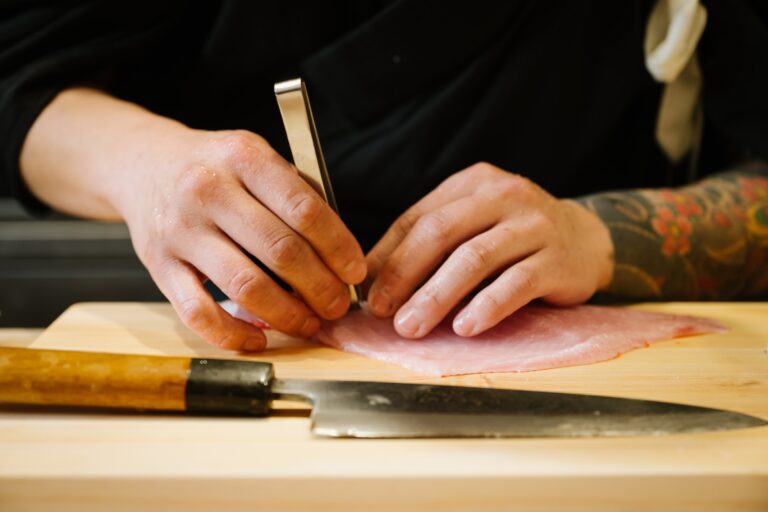
Theatrical elements transform dining into performance art: flame searing fish, applying gold leaf, and choreographed tableside prep create immersive moments enhancing flavor and visual drama.
Personal interaction and storytelling distinguish dinner omakase from lunch. Chefs share ingredient provenance, explain techniques, and adapt meals based on guest reactions. This real-time customization is omakase’s purest form—a collaboration between chef and diner.
Seasonal storytelling is embraced, with courses narrating Japan’s agricultural and fishing cycles. Meals showcase “shun”—ingredients at peak season—adding depth and connecting diners to nature’s rhythms.
Temperature management is crucial during longer dinners, coordinating hot and cold elements for optimal serving. Proper timing preserves ingredient quality, separating masters from novices.
Timing and Ingredient Flow in Singapore Omakase
Success depends on precise timing and ingredient flow, from Japanese waters to the diner’s plate. Singapore’s position enables sophisticated systems rivaling Tokyo’s.
Daily arrivals underpin the scene, with thrice-weekly air shipments from Toyosu Market ensuring fresh fish and seasonal produce reach restaurants within 48 hours. Coordination among suppliers, importers, and restaurants maintains the cold chain essential for quality. Shipments typically arrive Tuesday, Thursday, and Saturday mornings, letting chefs plan menus around available fish and ingredients.
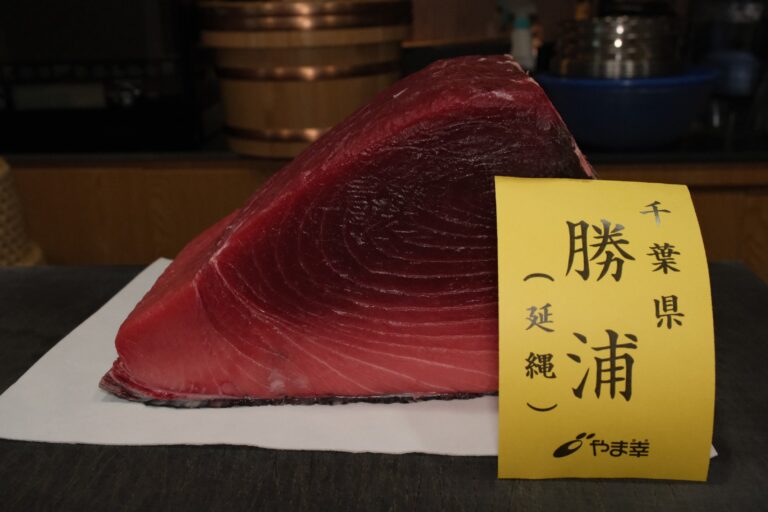
Seasonal menu rotations happen every 2-4 weeks, reflecting Japan’s natural cycles. Rotations align dining with seasonal moments—spring menus feature cherry blossom sea bream, autumn showcases matsutake mushrooms and fatty fish preparing for winter. This keeps omakase fresh for regulars while honoring Japanese seasonality.
Palate cleansing is critical, with housemade pickled ginger and timed tea service resetting taste between courses. Too frequent cleansing disrupts flow; too little causes muddled flavors. Chefs adjust pace and cleansing based on guests.
Premier Singapore Omakase Restaurants by Category
Singapore offers omakase across categories: intimate counters, luxury establishments, and affordable omakase experiences, helping diners find experiences matching preferences and budgets.
Intimate Counter Experiences (8-14 Seats)
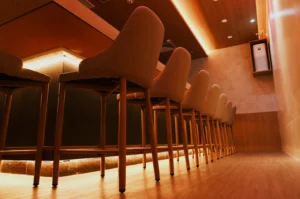
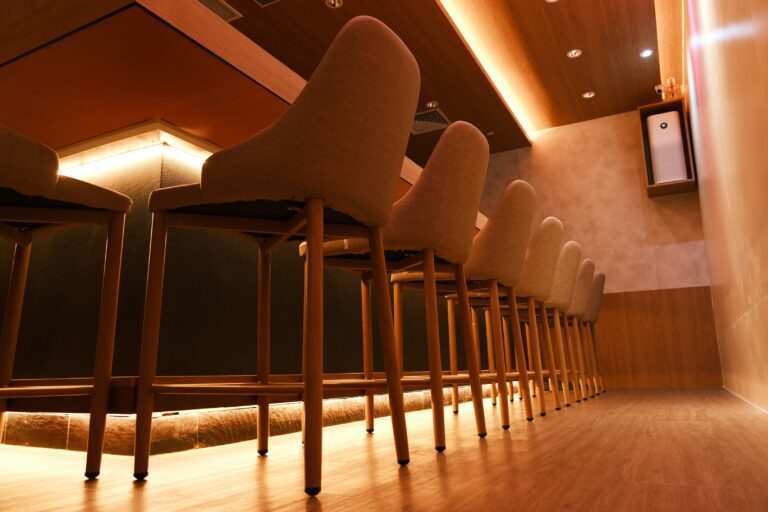
Authentic omakase happens at intimate counters where chef-diner interaction personalizes the journey. These 8-14 seat venues surround the prep counter, letting guests observe and engage with chefs.
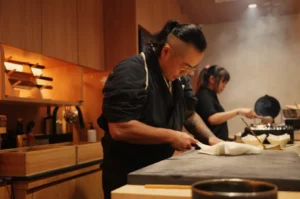
Sushi Masa by Ki Setsu offers an 8-seat counter in Cuppage Plaza, dinner from S$230++, emphasizing authentic interaction and technique. The intimate space lets chefs tailor courses while maintaining traditional omakase’s chef control. Guests witness knife work, rice prep, and plating elevating dining to performance art.
These venues source premium ingredients like high-end Tokyo establishments, ensuring uncompromised quality despite smaller scale. Limited seating lets chefs focus on detail and technique. Reservations are highly sought, often needing weeks or months’ notice.
The atmosphere values trust and connection. Chefs share sourcing stories, explain techniques, and adjust dishes based on feedback, making dining a cultural exchange beyond eating.
Luxury Establishments
Luxury omakase venues offer premium ingredients, sophisticated techniques, and elevated service that justify higher prices.
Located in prime spots with elegant interiors complementing culinary artistry, these establishments present courses ranging from 12 to 20 items, featuring premium ingredients like A5 wagyu, rare fish, and artisanal dishes that require significant time investment.
Service often includes a sake menu or wine pairings, with sommeliers guiding diners to complementary drinks. The luxury focus extends beyond food to premium tableware, curated atmospherics, and attentive service, creating immersive experiences that often include private dining or chef’s tables for special occasions.
Affordable Omakase Experiences
Singapore makes omakase accessible with affordable omakase experiences that deliver authentic dining without luxury prices, focusing on skillful preparation and ingredient selection over rarity.
Lunch courses start around S$78, while dinner omakase menus range up to S$288, making omakase approachable for many. These restaurants emphasize technique and preparation quality, showcasing how skilled chefs create memorable meals with excellent but less exotic ingredients. Many maintain direct Japan supplier ties, ensuring freshness while managing costs through careful menu planning and portions.
Dining remains authentic with proper omakase protocols, chef interaction, and a good balance of flavors, streamlined for accessibility. These options introduce new diners to omakase, building appreciation before progressing to higher-end experiences, expanding the omakase audience beyond luxury enthusiasts and offering affordable omakase experiences that impress and refresh the palate without the need to skip quality.
Proper booking and etiquette ensure diners and restaurants enjoy the special omakase format, reflecting Japanese hospitality and Singapore’s multicultural dining.
Whether choosing lunch omakase menu for an elegant midday break or a full dinner omakase with premium ingredients and extended interaction, you partake in a centuries-old tradition celebrating trust, seasonality, and artistry. Careful attention to ingredient flow, timing, and authenticity ensures Singapore’s unique take honors tradition while fitting the Lion City’s cosmopolitan culture.
Plan your omakase well in advance, approach it with an open mind, and discover why omakase has become one of Singapore’s most sought-after dining experiences.