A birthday, a first date, a promotion, a quiet anniversary: every celebration asks something different of the table. In Singapore, Japanese dining occasions span a wide range, from lively hotpot gatherings to hushed counters where a single chef prepares each course in front of you. Choosing well is less about following trends and more about matching the mood of the evening to the style of the restaurant.
At Sushi Masa by Ki-Setsu, we have welcomed guests marking every kind of milestone, and we have learned which evenings suit which formats. Here is how we think about it.
Why Japanese Dining Occasions Call for the Right Restaurant
Japanese cuisine is not a single style of eating. A sushi counter, a hotpot table, a grill and an izakaya each create a different atmosphere, and each suits a different kind of gathering. Many Singapore diners sense this instinctively, yet the choice of restaurant is often made in a hurry, based on whichever booking happened to be available.
Taking a little time over the decision pays off. Japanese dining has a deep connection to hospitality, where the host anticipates what the guest needs before it is asked. When the restaurant matches the occasion, that attentiveness feels effortless. When it does not, even excellent food can feel slightly out of place.
Before choosing, we suggest asking three simple questions:
- Who is joining the table, and how many?
- Will the evening centre on conversation or on the food itself?
- Is the aim a relaxed meal, or a memorable experience to talk about for years?
Choosing a Japanese Dining Format for Special Occasions
The right dining format shapes an evening more than any single dish. The table below offers a simple way to think about it.
| Occasion | Suitable Dining Format | What Guests Gain |
|---|---|---|
| Anniversary Dinner | Omakase Counter | Undivided Attention and a Paced, Personal Evening |
| Date Night | Omakase Counter | Shared Focus and Quiet Conversation |
| Milestone Birthday for a Small Group | Private Counter Booking | Privacy and a Shared Experience |
| Large Family Celebration | Hotpot or Grill Style | Space, Sharing and Familiar Comfort Food |
| Casual Catch-up | Izakaya Style | A Lively Mood and a Flexible Pace |
None of these formats is better than another. They simply serve different moments. For the first two rows, we believe an omakase counter is hard to match, and the sections below explain why.
An Anniversary Dinner or Date Night in an Intimate Setting
An anniversary dinner rewards restraint. There is no need for spectacle when two people can sit side by side, watch a craftsman at work and taste something made just for them. This is why the intimate setting of a small counter suits couples so well.
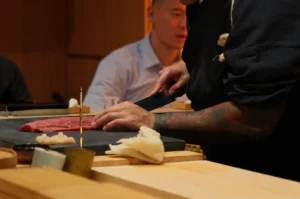
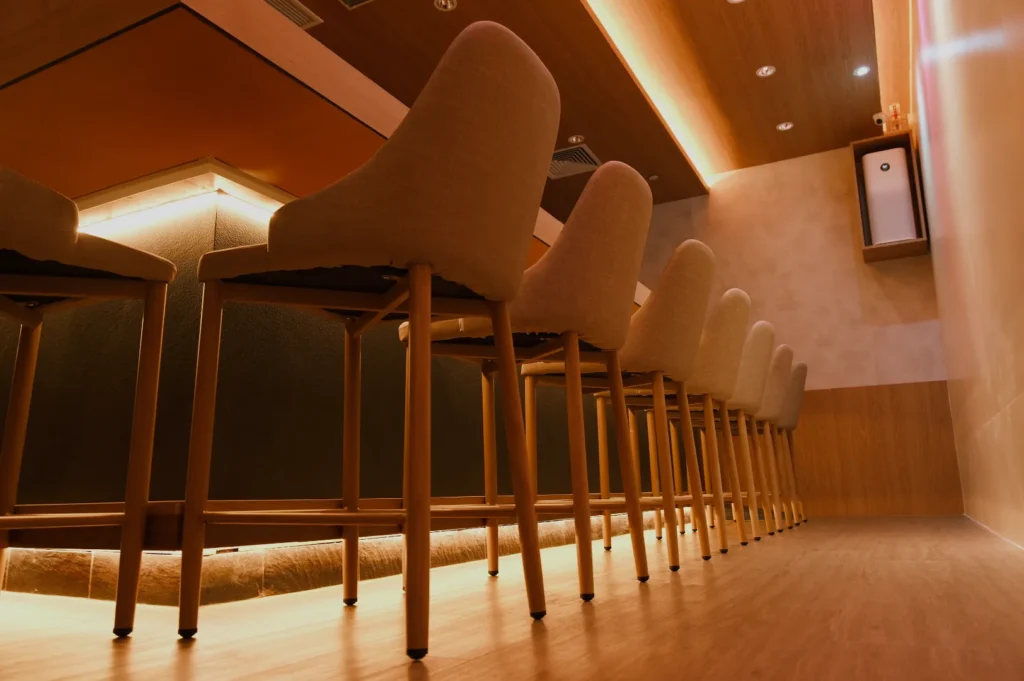
Sushi Masa by Ki-Setsu seats only eight guests at its counter. With such limited seating, Chef Masa can pay close attention to each guest’s pace, noticing when a course has been savoured and when conversation deserves a longer pause. Guests sit near enough to see each cut of fish and each piece of rice being shaped, which gives a date night a natural rhythm: watch, taste, talk, repeat.
Our evenings begin from 7:15pm, Tuesday to Saturday, and unfold without hurry. The pace allows diners to settle in rather than rush through. Couples celebrating something special can let us know in advance, so the evening feels considered from the first course to the last.
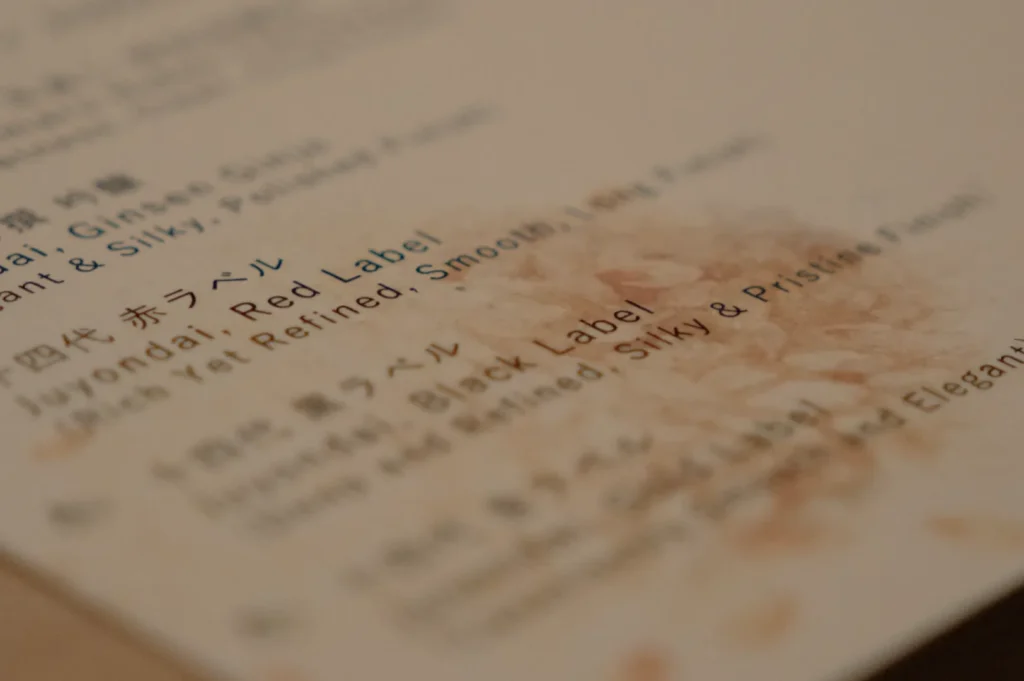
Sake pairings suit these evenings especially well. The gentle sweetness or dry clarity of a well-chosen sake lifts the natural flavour of seafood without overpowering it, and it gives a couple something to discuss between courses.
Fine Dining Through the Omakase Experience
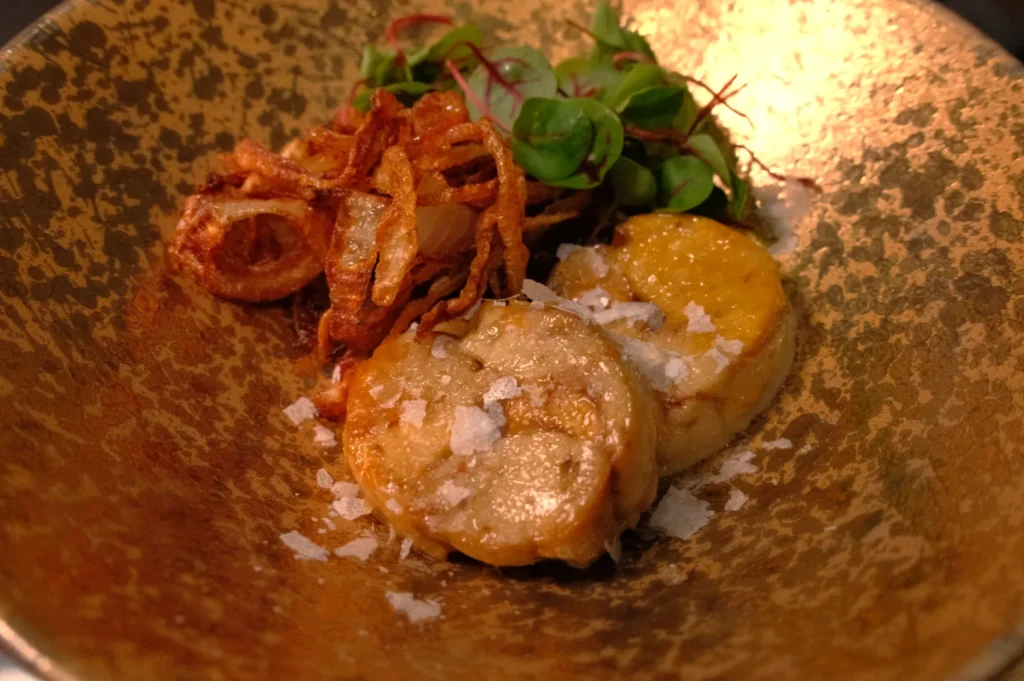
Omakase translates as “I leave it to you”, and that phrase captures the spirit of the whole meal. Guests place their trust in the chef, and the chef repays it with a carefully considered sequence of dishes. It is the purest form of fine dining in Japanese cuisine, because nothing stands between the guest and the craft.
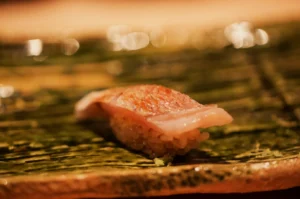
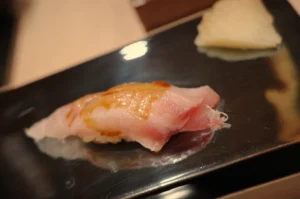
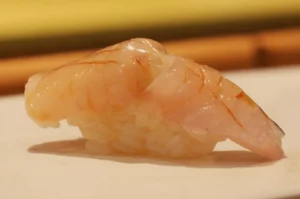
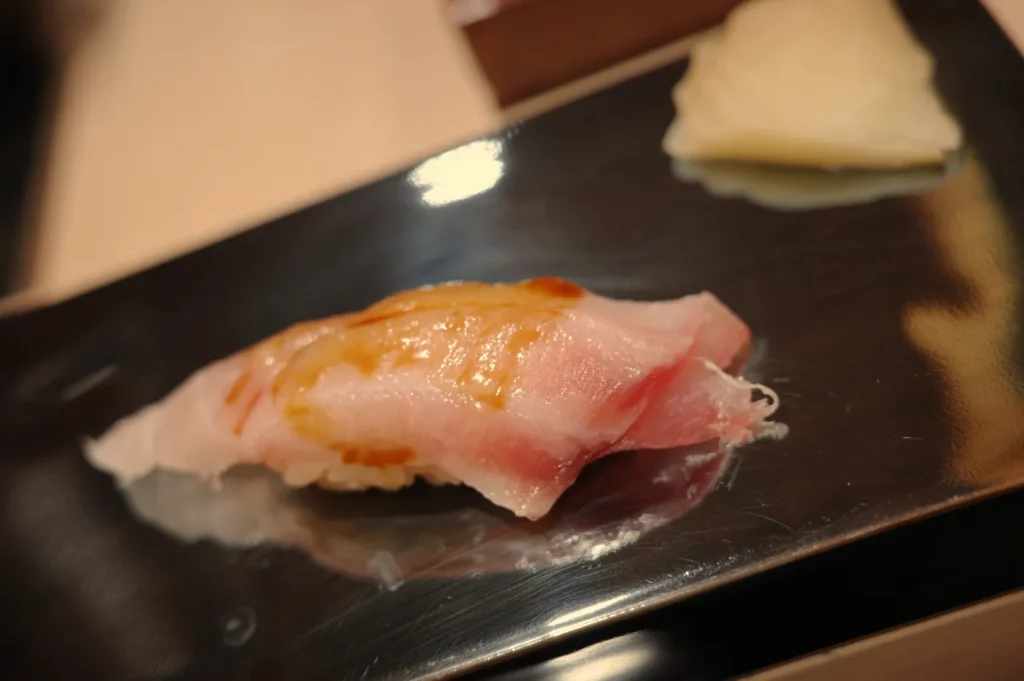
At Sushi Masa by Ki-Setsu, this is our only dining model, and it is rooted in Edomae tradition. Edomae sushi began in old Edo, now Tokyo, when fish was prepared through curing, light marinating and careful ageing to draw out depth of flavour. Chef Masa, who hails from Tokyo, brings that thinking to every piece of nigiri. The result is sushi that tastes of the fish itself rather than heavy sauces.
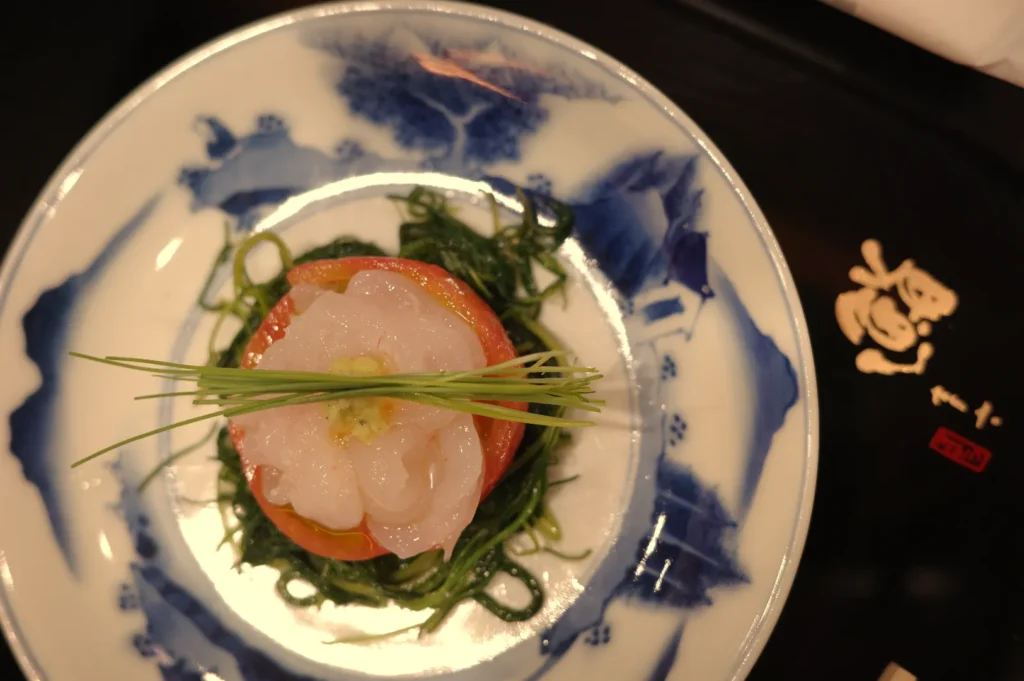
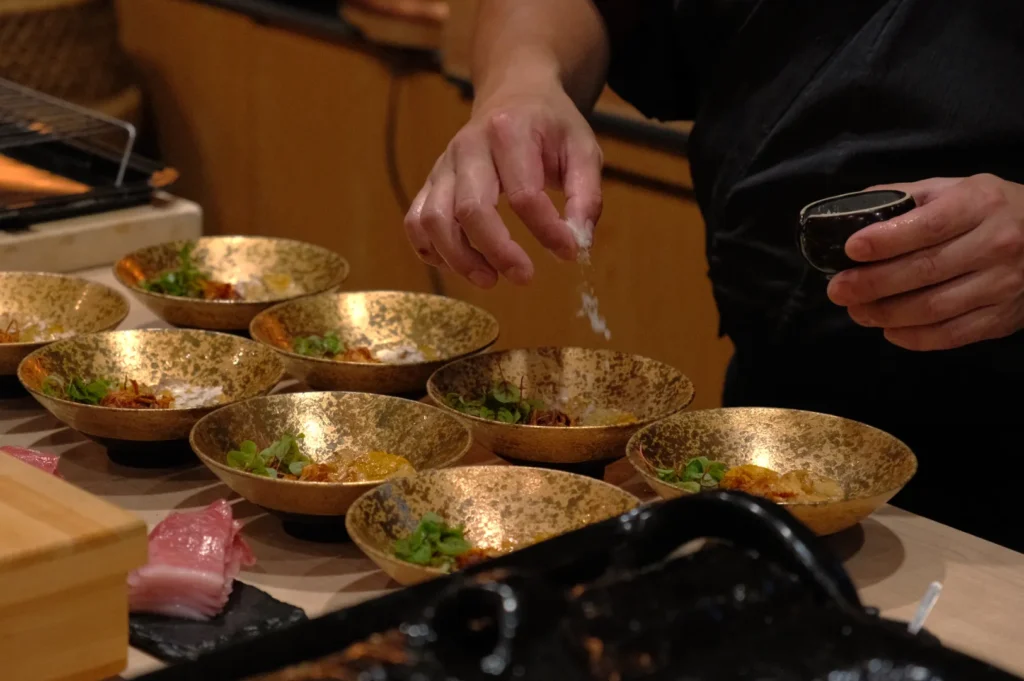
Each evening opens with a light dashi soup, then moves through sashimi, nigiri and warm seafood dishes, with highlights such as scallops, flamed otoro and uni. Our menu is entirely seafood-based, which keeps the focus on the ocean and on the skill required to bring out its variety.
Seasonal Ingredients and Culinary Artistry
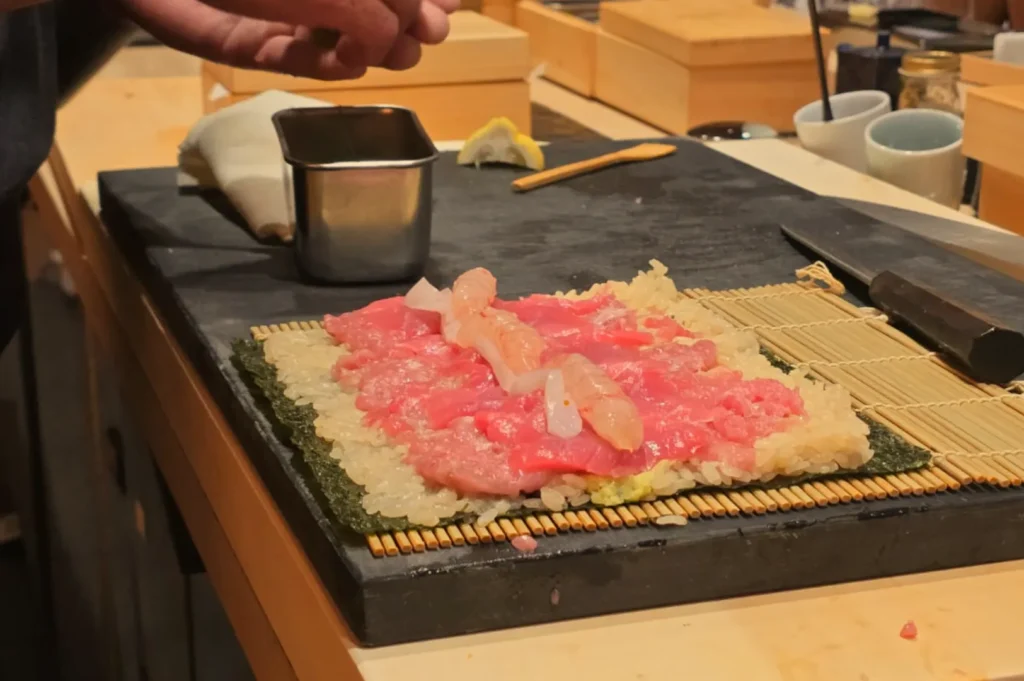
Fresh fish is only the starting point. Our ingredients are flown in daily from Toyosu Market, so the seasonal Japanese ingredients on the counter reflect what is at its best in Japan that day. Ingredient quality at this level allows for simplicity: a brush of soy, a touch of citrus, a pinch of salt.
Culinary artistry lies in the preparation methods. Different cuts of the same tuna, such as lean akami and fatty otoro, offer entirely different textures, and the knife work decides which qualities come forward. Rice is seasoned and shaped to complement each topping, which is why Japanese techniques remain a lifetime’s study and why true Japanese culinary mastery cannot be rushed.
Our foundation is authentic Japanese cuisine, yet we also offer a modern interpretation through warm, contemporary Japanese dishes, alongside familiar dishes such as nigiri that every guest will recognise. Seasonal menus change year round, so a returning guest rarely tastes the same evening twice.
Japanese Wagyu, Shabu Shabu and Other Dining Formats
Not every occasion calls for a quiet counter, and we say so happily. A large family gathering or lively group celebration often asks for a different dining format, one built around sharing and conversation across a wide table.
Shabu Shabu, for example, is a communal hotpot where diners cook thin slices at the table, which makes it wonderful comfort food on cooler evenings. Grill restaurants that showcase Japanese Wagyu, prized for its marbling and offered in different cuts with different characteristics, suit those who want a rich and indulgent celebration. These are formats that other establishments do well, and we encourage guests to enjoy them for the right occasion.
Our own focus is different. We serve seafood only, with no meat on the counter, and we prefer to do one thing with full attention. For group dining, the answer is a private booking. On Sundays, guests can book out the counter entirely, turning our eight seats into a private space for a birthday or a small celebration among friends, colleagues or family.
Planning the Evening Around Your Occasion
Good preparation helps a special evening run smoothly. Many guests come straight from offices around Raffles Place and the city centre, so a dinner beginning from 7:15pm suits working schedules well. A few practical points:
- Reserve in advance. With only eight seats, popular evenings fill quickly.
- Share the occasion. Mention an anniversary or birthday when booking, so we can prepare.
- Note dietary needs early. Please tell us about any allergies at the time of reservation.
- Consider sake pairings. Ask Chef Masa for a suggestion suited to the season’s seafood.
- Allow for service charges. As with most restaurants in Singapore, service charges and taxes are added to the bill.
Omakase in Singapore spans a wide range of price points, and premium ingredients naturally shape the cost of an evening. Rather than judging by figures alone, we encourage diners to consider ingredient quality, sourcing and the attention given to each guest. A meal chosen for the right reasons often feels far more valuable.
An Evening Worth Marking
The right Japanese restaurant is the one that fits the moment. For a lively table of many, hotpot and grill formats have their charm. For an anniversary dinner, a date night or any occasion that deserves stillness and craft, an omakase counter offers something few other settings can.
We would be honoured to host your next celebration at Sushi Masa by Ki-Setsu, at Cuppage Plaza, where Chef Masa prepares Edomae sushi with seafood flown in from Toyosu each day. Reserve through our website or contact our concierge on WhatsApp, and let us take care of the rest.