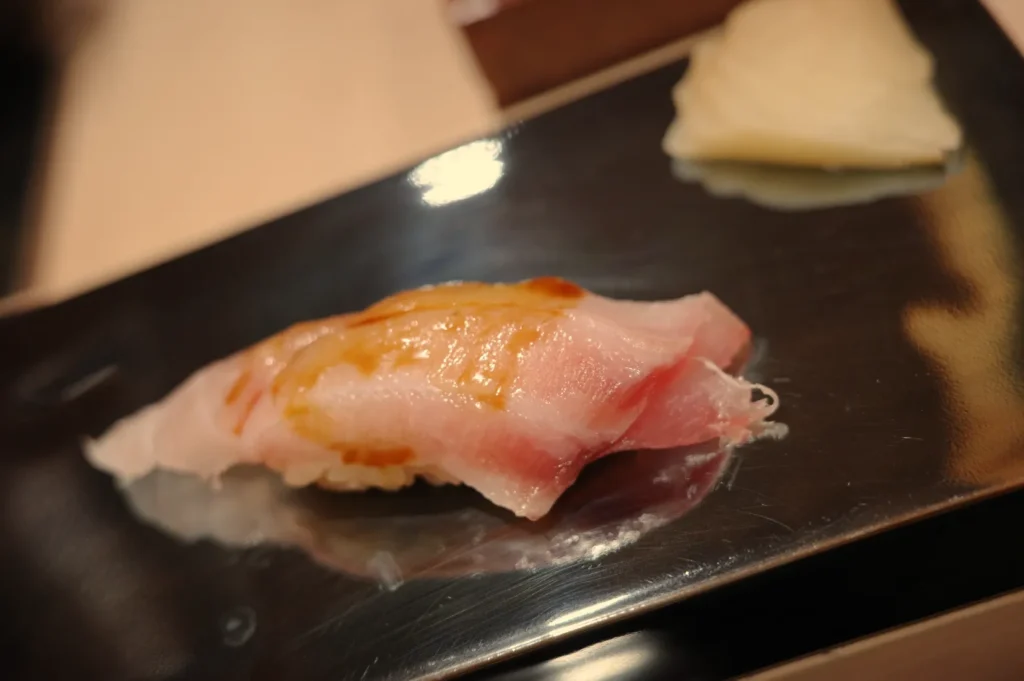
The word omakase is a Japanese phrase that means “I leave it up to you.” It is an act of trust, and that trust is what makes a Japanese omakase meal so special. But trust works in both directions. Guests hand the decisions to the chef, and the chef needs to know what matters to each guest. So how far can chef’s choice bend before it stops being chef’s choice?
At Sushi Masa by Ki-Setsu, an omakase restaurant, we believe it can bend a good deal, as long as it bends thoughtfully. Here is how we approach it.
What Dietary Customization Omakase Really Means
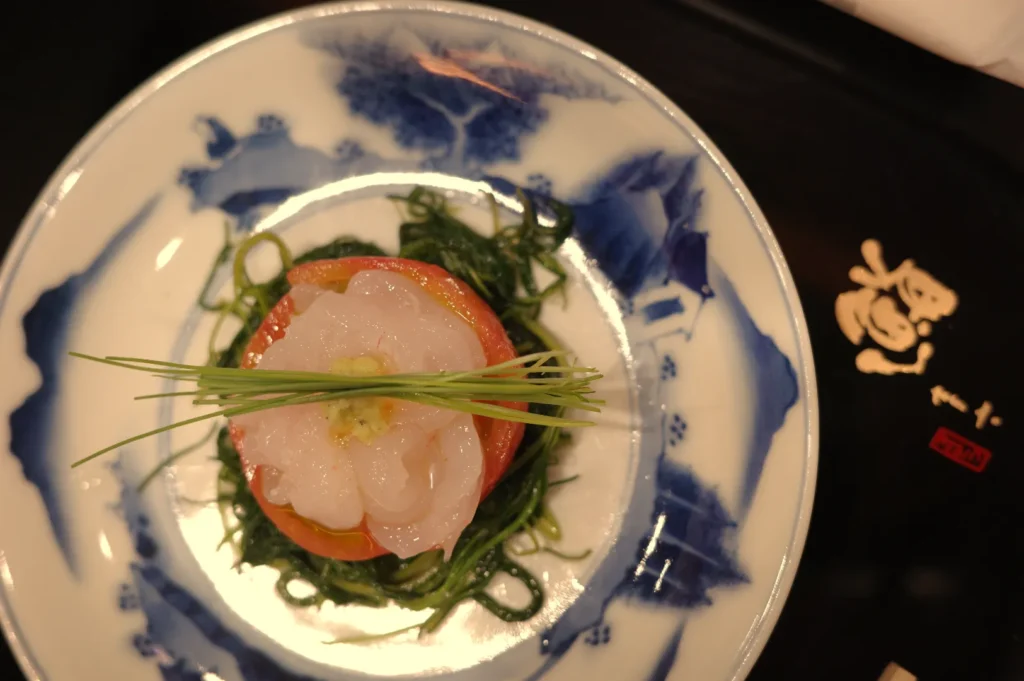
Dietary customization omakase does not mean handing over a menu to edit. It means telling Chef Masa what you cannot or prefer not to eat, and trusting him to build the evening around it.
The distinction matters. In a traditional Japanese dining experience, and especially in sushi restaurants offering omakase, there is no printed list to tick off. The chef reads the counter, watches how each guest responds, and adjusts course by course. Dietary needs simply become part of what he reads. A guest who avoids one ingredient does not receive a lesser meal. They receive a meal composed differently.
We serve one dining model only: omakase, served for dinner. That focus lets us give each guest full attention rather than juggling several formats at once.
The Omakase Dining Philosophy Behind Chef’s Choice
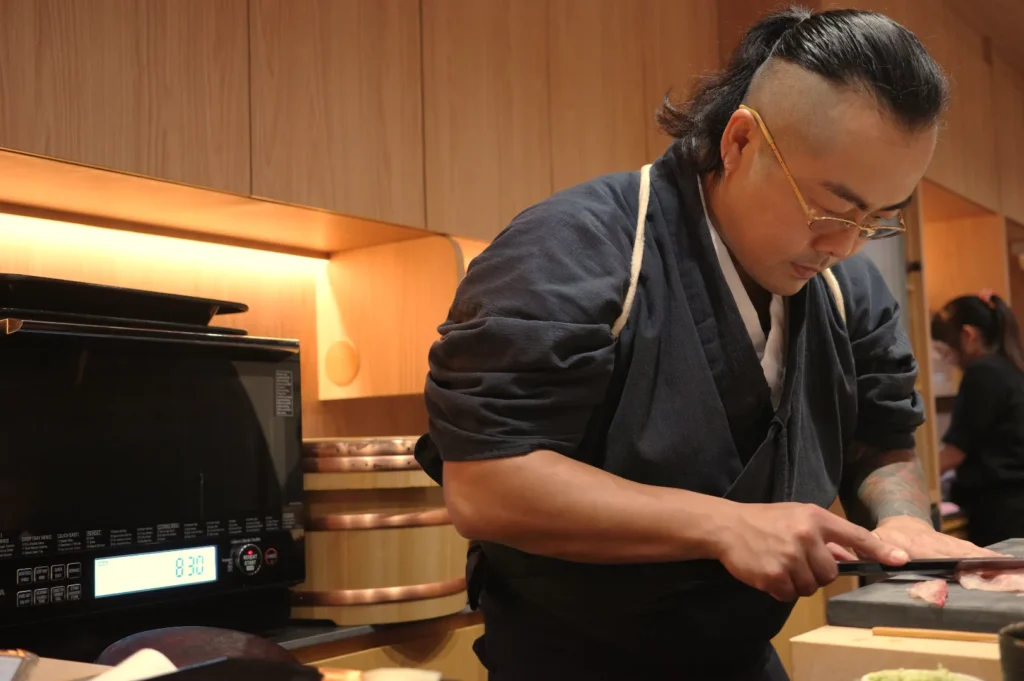
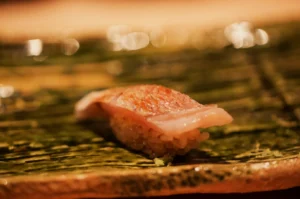
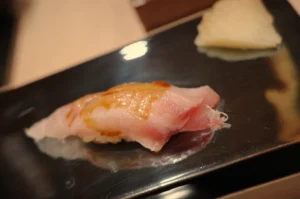
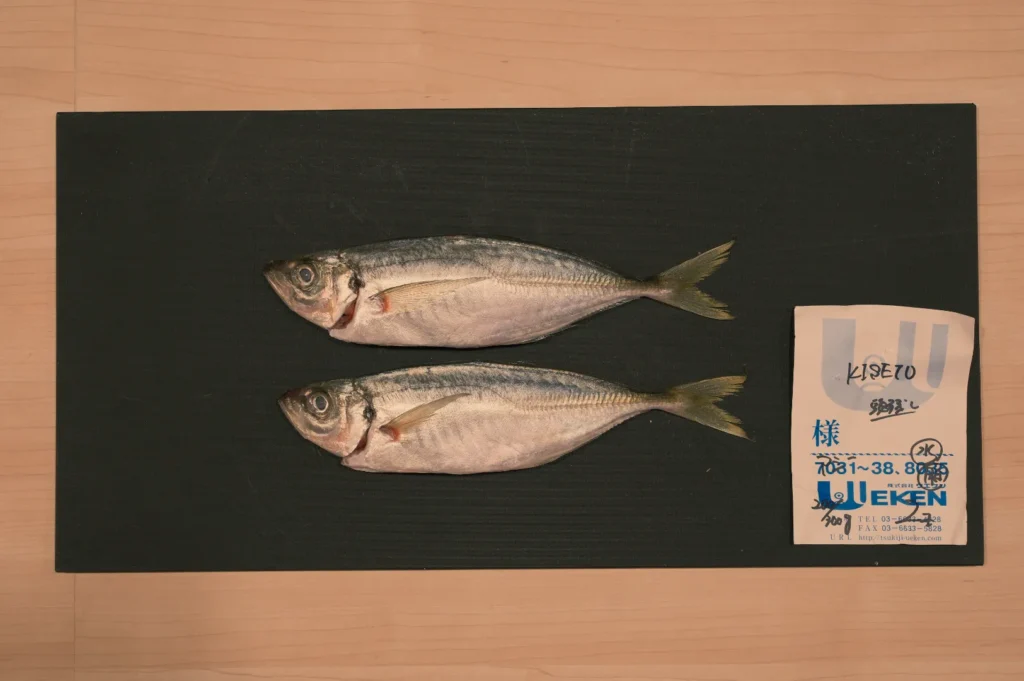
Flexibility only works when the foundation is strong. Ours is Edomae, the Tokyo-born tradition of preparing fish through careful ageing, curing, and seasoning so that each piece reaches its best on the day it is served.
Our seafood is sourced from Toyosu, which lets Chef Masa work with premium, finest ingredients at peak freshness. When a guest’s needs remove one item from the plan, he does not replace it with something lesser. He turns to another fish or another preparation that suits the season equally well.
This is where the chef’s skills show. Substituting well requires a deep understanding of texture, fat, acidity, and temperature. A single swap can change the balance of an entire course, and Chef Masa considers each one carefully.
Edomae also offers a wide range of cooking techniques, from light curing with salt or vinegar to pressing fish with kombu and finishing with a brush of seasoned soy. Each method changes how a fish tastes and feels, which gives Chef Masa more than one route to a satisfying result when an ingredient must be left out.
The Omakase Dining Experience at the Counter
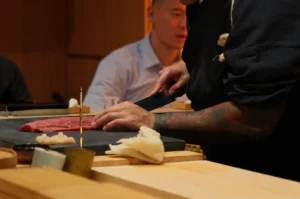
Our omakase counter has limited seating, and that is deliberate. With a small number of guests at each service, Chef Masa can speak with everyone before the first course arrives. Many diners are surprised by how natural this feels. There is no feeling rushed, and no distance between kitchen and guest.
This intimacy is what makes customization practical. In a large dining room, a special request travels through several hands before it reaches the plate. At our counter, it goes straight to the person preparing your food.
A few things follow from this format:
Chef Masa learns your needs before the meal begins.
Each course is prepared in front of you, so you can see exactly what goes into it.
Adjustments happen in real time, guided by your reactions.
How a Multi Course Meal Unfolds at Our Sushi Bar
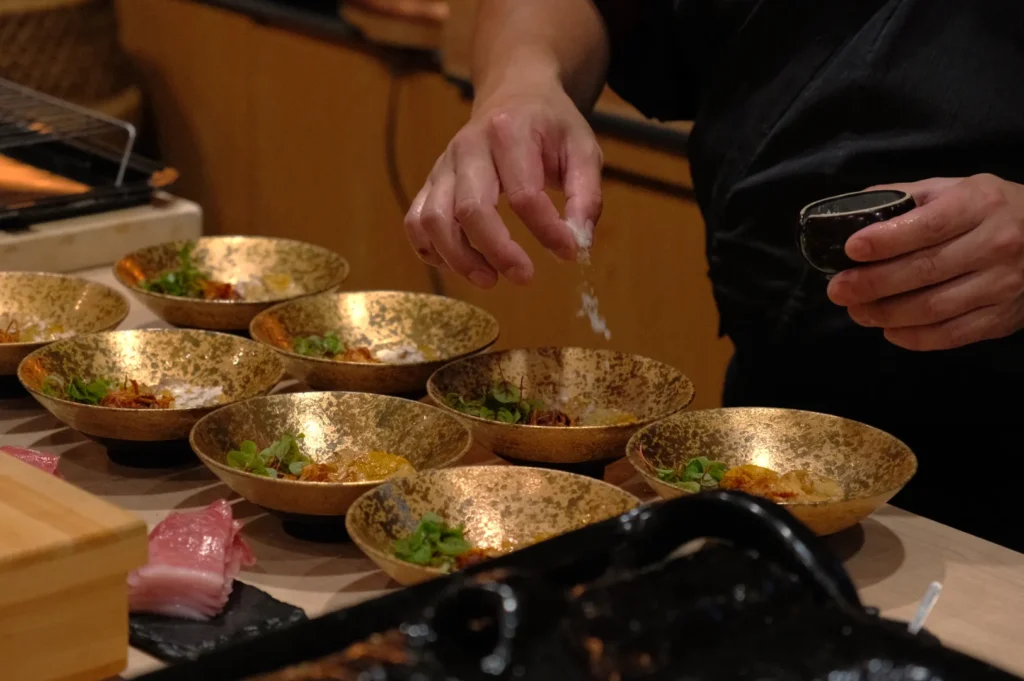
An evening with us moves in a considered rhythm. We begin with delicate appetizers and a light dashi soup, gentle enough to prepare the palate without dulling it. Sushi follows, piece by piece, each one shaped, seasoned, and handed to you at the moment it is ready. Sashimi and a few cooked dishes appear along the way to vary texture and temperature, and the meal closes with dessert.
Every stage is an opportunity to adapt. If a guest cannot enjoy one course as planned, Chef Masa reworks that moment rather than skipping it, so the multi course meal still feels complete and balanced from the first bite to the last. The pacing stays unhurried, which lets your taste buds reset and gives you time to savor each stage.
Japanese Cuisine and Dietary Restrictions: What Can Bend
Honesty is the most useful thing we can offer here. Some adjustments are straightforward, while others change the nature of the meal. The table below shows how we generally think about it.
| Request | How we approach it |
|---|---|
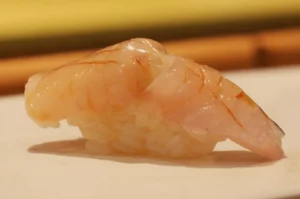
| Shellfish allergy | Reshaped around finfish, with careful attention to preparation |
| Dislike of a specific fish | Substituted with another piece of similar character |
| Avoiding raw preparations | Discussed in advance, since much of the meal is raw |
| Reduced sodium | Lighter seasoning where the dish allows |
| Gluten sensitivity | Discussed in advance, as soy sauce and vinegared rice need attention |
| Strict vegetarian or vegan diets | Not a suitable fit, as our menu is purely seafood-based |
That final row is important. Our menu is centered entirely on seafood, and we would rather say so plainly than promise something the format cannot deliver well. For guests with severe allergies, we ask that you tell us when reserving, so that Chef Masa can plan properly and discuss any risks with you directly.
Sea Urchin and Other Delicacies: Handling Preferences with Care
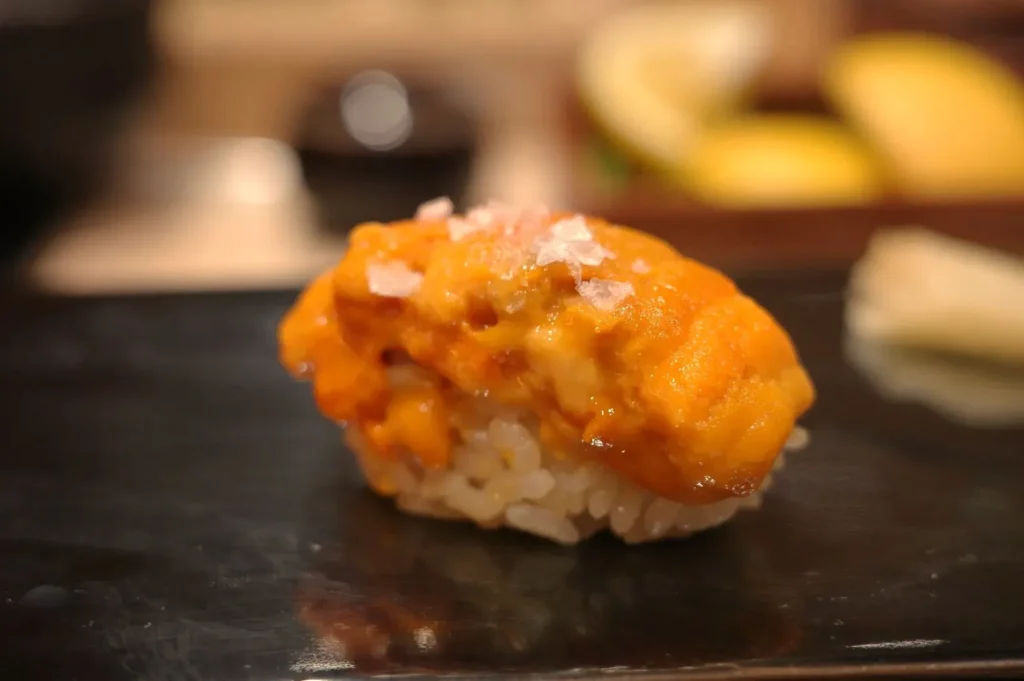
Few ingredients divide opinion like sea urchin. Guests who love it often describe it as the highlight of the evening, with its creamy sweetness and clean taste of the sea. Others find the texture unfamiliar or the flavor too intense.
Both reactions are perfectly valid. If sea urchin does not appeal to you, tell Chef Masa and he will offer something else at that point in the course. If you are curious but hesitant, he can suggest a first taste that shows the ingredient at its gentlest. Quality matters enormously here, because fresh sea urchin tastes sweet and delicate, while poor quality sea urchin can taste bitter.
When a Delicacy Becomes a Concern
Preference and safety are different things. A dislike is easily accommodated. An allergy or medical condition requires more care, and we treat it as a priority rather than a courtesy. Tell us what your body cannot tolerate, and we will plan around it seriously.
Japanese Culture and the Art of Trust
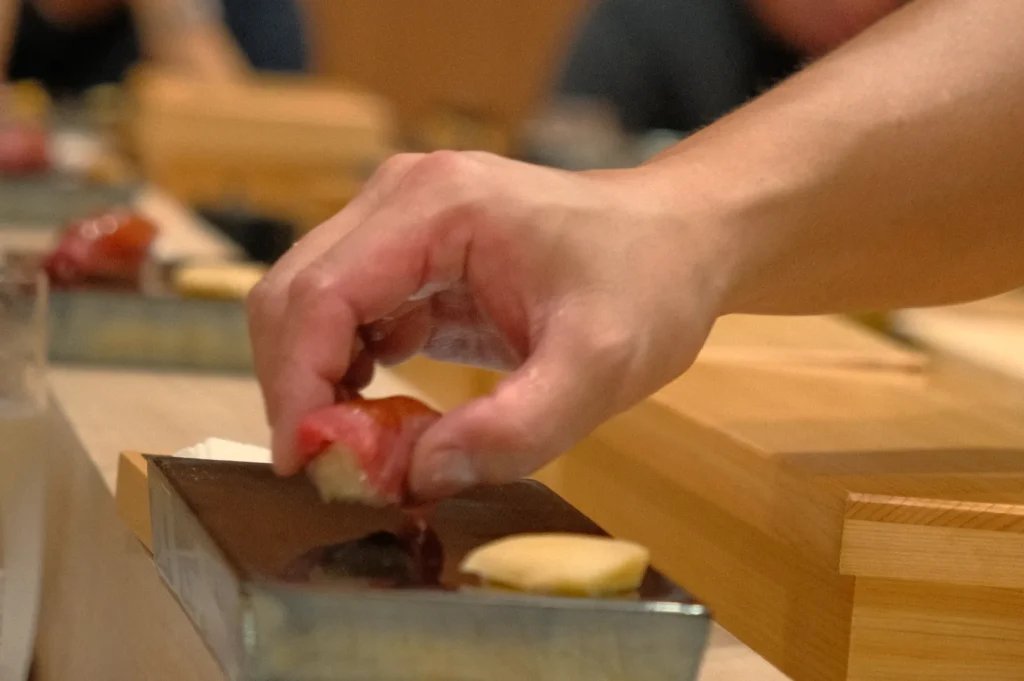
The spirit of omakase is rooted in Japanese culture, where hospitality is anticipated rather than requested. The Japanese concept of omotenashi describes serving guests before they have to ask. When a chef notices that you are enjoying the lighter pieces more, or that you slow down when a dish is rich, he is practicing exactly that.
This is why we see dietary customization as part of the tradition rather than a departure from it. Our approach to Japanese dining has always centered on attentiveness. Knowing a guest’s needs in advance simply lets that attentiveness begin earlier.
Trust also means allowing the chef room to work. The more freedom Chef Masa has, the better the evening tends to be. Guests who say “please avoid these two items” usually enjoy the meal more than those who specify every course, because the omakase experience depends on surprise. A short, honest brief lets the craft do its work, while a long list of demands can narrow the choices that make the meal memorable.
Your Complete Guide to Preparing Before You Arrive
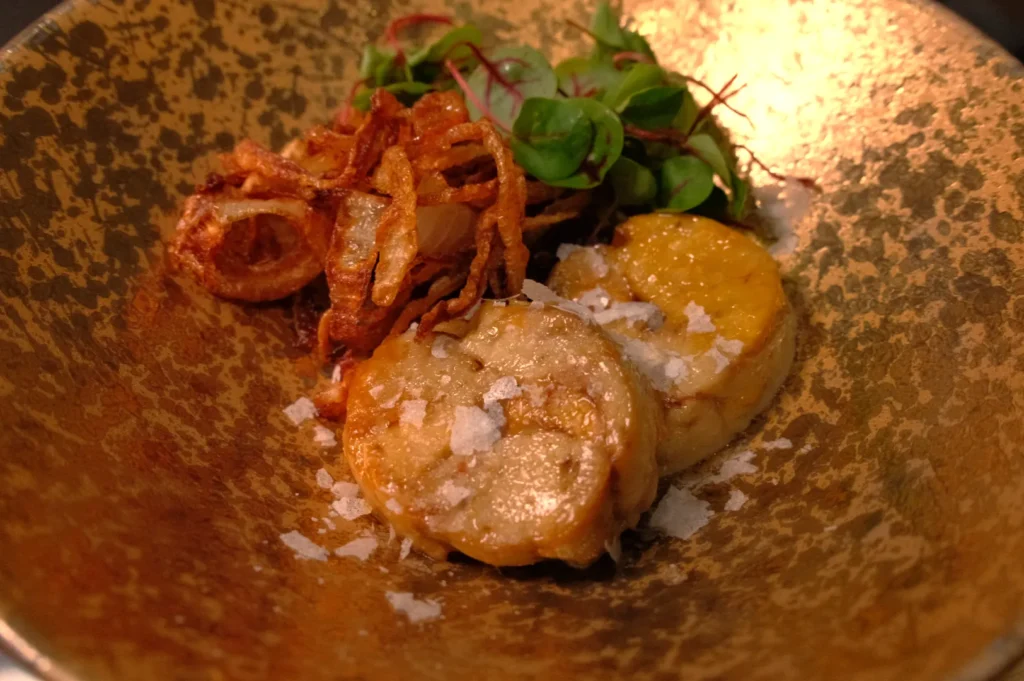
A little preparation makes the evening smoother for everyone. Here is what we suggest when making your reservations:
Mention allergies clearly. Be specific about the ingredient and how severe the reaction is.
Share strong dislikes. If certain textures or flavors do not appeal, say so early.
Note any medical needs. Pregnancy, reduced immunity, or sodium restrictions all affect how raw seafood should be prepared or served.
Tell us about your companions. Every guest at the counter is served as an individual, and their needs may differ from yours.
Arrive on time. The meal follows a considered pace, and each course is best enjoyed at the moment it is made.
Please note that we serve dinner only, so reservations are made for the evening service. Thereofre, booking ahead is wise, since limited seating fills quickly.
Beverage Pairings and the Role of Sake
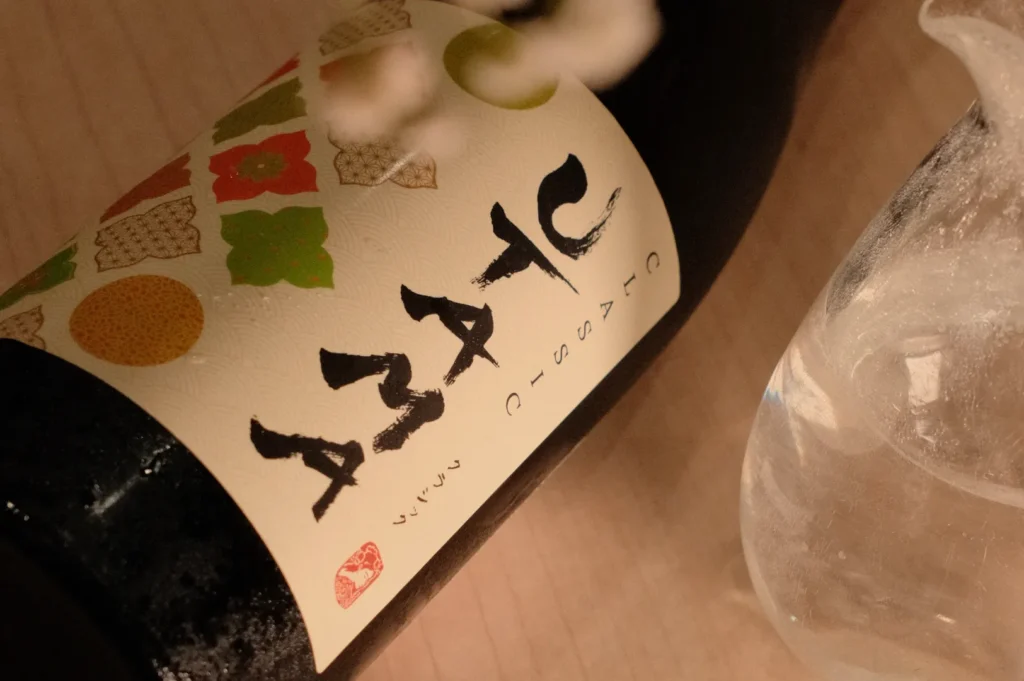
A thoughtful meal deserves thoughtful drinks. Beverage pairings at an omakase counter are chosen to lift delicate flavors rather than overpower them. Sake is the classic partner, and a well-chosen bottle can highlight the sweetness of a sea urchin course or soften the richness of a fattier cut.
If you do not drink alcohol, or need to avoid it, mention it when you reserve. Good pairing is about complementing the food, and that can be done in many ways. The same principle applies as with food: tell us what you need, and we will shape the rest.
A Unique Experience Worth Planning For
An omakase meal is a tasting menu of a special kind. Unlike a printed list, it is composed for the people sitting in front of the chef, and that is what makes it a unique culinary adventure and dining experience. The seasons, the catch, the guest, and the chef’s judgment all meet on a single plate.
So how far can chef’s choice bend? Quite far, in fact. It bends around allergies, preferences, and needs, provided the guest shares them honestly and the chef is given the freedom to respond. What it cannot do is abandon its foundations. At Sushi Masa by Ki-Setsu, that means Edomae technique, Toyosu-sourced seafood, and one chef, Chef Masa, giving full attention to every guest at the counter.
If you have been curious about dietary customization omakase, we would be delighted to welcome you. Tell us what you need, and let Chef Masa take care of the rest. Reserve your evening at Sushi Masa by Ki-Setsu and discover how personal an omakase dining experience can be.