In Singapore’s vibrant culinary scene, omakase offers more than a meal—it’s a cultural journey built on trust and respect. As Singapore becomes a premier destination for authentic Japanese cuisine, mastering how to enjoy SG omakase is essential for exploring Japanese culinary artistry.
This guide prepares you for every step of your omakase journey, from booking to building relationships with chefs dedicated to this ancient craft. Whether you’re a first-timer or a seasoned diner, this guide will help you approach your SG omakase experience with confidence and cultural sensitivity.
Understanding Omakase: The Art of Culinary Trust
“Omakase” means “I’ll leave it up to you” in Japanese, embodying a philosophy of trust between diner and chef. Choosing omakase means surrendering control of your meal to the chef’s expertise, an act of respect in Japanese dining culture.
SG omakase is a cornerstone of Singapore’s food scene, with chefs at renowned restaurants like Sushi Masa by Ki-setsu honoring centuries-old traditions while adapting to Singapore’s diverse palate.
Sushi Masa by Ki-setsu, located in Cuppage Plaza, is a concealed gem curated by Chef Masa, offering exclusive omakase experiences. Unlike à la carte dining, omakase presents a chef’s interpretation of seasonality and quality using the freshest ingredients flown in from Japan, including seasonal fish.
This dining format shifts your focus from choosing dishes to appreciating what’s presented, allowing a deeper connection with the chef’s philosophy and Japanese culinary heritage.


The Art of Booking Your Omakase Experience
Booking depends on the restaurant’s popularity, seasonal availability, and your flexibility. Premium venues often require reservations weeks or months in advance, especially for weekend dinners. Prices vary by quality and number of courses.
- Reservation methods include phone calls for special requests and online booking. Direct contact clarifies expectations and facilitates customization. Check opening hours before booking.
- Cancellation policies are strict due to limited counter space, often requiring 24-48 hours notice to avoid penalties.
- Group bookings should consider intimate counter seating (typically 8-15 guests). Some venues offer private rooms for larger parties.
- Provide dietary restrictions, special occasions, previous experience, and contact details when booking. Some restaurants ask about familiarity with Japanese cuisine to tailor your meal.
- Confirm reservation and review arrival instructions, parking, and house rules for a smooth start.
Evening Omakase: What to Expect from the Dinner Omakase Menu
Arrive 10-15 minutes early to check in and mentally prepare for your evening omakase experience, as dinner services start promptly with all guests seated simultaneously to ensure a smooth flow. Upon arrival, the check-in process involves confirming your reservation, discussing customary dining practices, and exploring beverage preferences, such as sake or wine, to complement your meal.
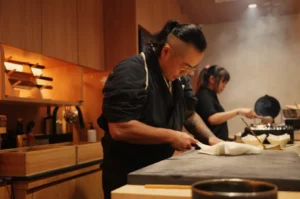
The intimate counter seating places you directly in front of the chef, offering an unparalleled view of their skilled craftsmanship and allowing you to share this unique culinary journey with a small group of fellow diners. Initial interactions with the chef may vary; being attentive to social cues enhances cultural sensitivity and deepens the overall dining experience.

The progression of the meal is thoughtfully curated, beginning with lighter dishes like sashimi and appetisers that awaken the palate, followed by nigiri featuring seasonal fish, and culminating in warm, signature hot dishes and a delicate dessert. Each course showcases the chef’s dedication to balance, flavor, and texture, inviting you to savour the artistry behind every bite.
Respecting the pacing set by the chef is essential to fully appreciate the nuances of each dish, as the menu is often adapted daily to reflect the freshest seasonal produce and accommodate guest preferences. This mindful approach transforms the meal into a harmonious celebration of Japanese culinary tradition and seasonal bounty.

Omakase Etiquette and Cultural Appreciation
- Maintain proper posture and hand positioning to show respect. Nigiri sushi is traditionally eaten by hand, sashimi with chopsticks; follow the chef’s cues.
- Use soy sauce, wasabi, and pickled ginger sparingly. The chef seasons each piece for optimal flavor; ginger cleanses the palate between courses.
- Eat each piece promptly after serving to enjoy the perfect temperature and texture.
- Respect the chef’s timing and avoid rushing or altering the course order.
- Photography should be discreet and follow restaurant policies to respect fellow diners.
- Keep conversation at a respectful volume, engaging genuinely without disrupting the intimate atmosphere.
Cultural Sensitivity and Respect
Understand omotenashi—the Japanese spirit of wholehearted hospitality—reflected in personalized service, appreciate the chef’s training and expertise through attentive engagement and curiosity, recognize the importance of seasonal ingredients and traditional preparation methods, and approach unfamiliar dishes with openness, respecting culinary traditions beyond your comfort zone.
Engaging Meaningfully with Your Chef
- Ask questions thoughtfully during natural pauses, showing interest in ingredients, techniques, and sourcing.
- Express appreciation with specific compliments about flavors, textures, and presentation.
- Respect the chef’s focus during busy periods; silence can be more appropriate than conversation.
- Learn about seasonal selections and the chef’s philosophy for deeper understanding.
- Inquire respectfully about the chef’s background and training to enrich your experience.
- Show genuine curiosity about Japanese culinary culture to foster cultural exchange.
- Build rapport through attentive listening, potentially inspiring subtle customizations.
Communication Best Practices
Use clear, simple language to avoid misunderstandings, politely decline dishes if necessary while expressing appreciation for the chef’s effort, and express gratitude verbally and non-verbally, such as with “arigato gozaimasu.” Additionally, observe non-verbal cues to gauge when interaction is welcome.
Exploring the Diverse Styles of SG Omakase
SG omakase offers a rich variety of dining experiences, from traditional Edomae sushi to modern fusion interpretations. Each style highlights unique aspects of Japanese culinary artistry, seasonal ingredients, and chef creativity.

Traditional Edomae Sushi Omakase
Traditional Edomae sushi omakase focuses on precise technique and seasonal fish, emphasizing sushi courses with minimal hot dishes. Sushi Masa by Ki-Setsu is a premium Japanese dining option known for its seasonal ingredients.
Modern and Fusion Omakase
Modern and fusion omakase in Singapore blend Japanese techniques with local and international influences, maintaining chef’s choice and seasonal respect. The opening of new Singapore outposts by renowned Japanese brands enriches the local omakase scene.
Seasonal Variations and Menu Composition
Seasonal variations influence ingredient availability and menu composition throughout the year, with omakase menus ranging from simple to elaborate, catering to different preferences.
Price Points and Accessibility
Price points vary, reflecting ingredient quality, chef expertise, and service levels. Singapore offers a variety of affordable omakase experiences, making high-quality Japanese dining accessible.
Dining Formats and Experiences
Intimate counters offer personal chef interaction, while larger formats provide theatrical presentations. Many restaurants feature exclusive dinner omakase menus with curated multi-course dining in the evening.
Cultural Influence and Location Highlights
Singapore’s multiculturalism shapes unique omakase offerings, balancing authenticity with accessibility. Tanjong Pagar stands out as a hub for Japanese cuisine and innovative omakase experiences.
Finding Your Perfect Match
- Research chefs, restaurant philosophies, and dining formats to find experiences matching your preferences.
- First-timers may prefer approachable restaurants educating guests on traditions and techniques.
- Consider chef specialties and signature dishes when choosing omakase.
- Read reviews focusing on food quality, service, cultural authenticity, and educational value.
- Choose locations and ambiances fitting your desired atmosphere and convenience.
- For detailed assessments of recommended restaurants, read our full review.

Building Long-term Relationships with SG Omakase Culture
Regular visits to SG omakase restaurants offer benefits including customized menus, insights into seasonal ingredients, and deeper appreciation of Japanese culinary culture. Each experience reveals subtle seasonal changes and evolving chef techniques, enriching your understanding.
Embark on your SG omakase journey with preparation, respect, and openness, ensuring memorable experiences connecting you to centuries of Japanese culinary artistry. Take the first step confidently, knowing your investment in time and cultural sensitivity will reward you with unforgettable dining moments.
For a comprehensive overview, be sure to read our Omakase: The Ultimate Guide to Japan’s Premier Dining Experience in Singapore, which delves deeper into the essence and nuances of omakase dining in Singapore.