A sushi meal is a conversation between rice, fish and the drink beside them. The right cup can lift a piece of nigiri, while the wrong one can flatten it. In Japan, tea has long been the natural companion to sushi, and it remains the most thoughtful choice for anyone who wants to taste the fish as it was meant to be tasted.
At Sushi Masa by Ki-Setsu, we believe tea is more than just a beverage, especially at an omakase Singapore diners can enjoy over a quiet dinner. It is part of the dining rhythm. Here is how we think about a green tea sushi pairing, and what to look for when you build your own.
Why a Green Tea Sushi Pairing Works So Well
Sushi is a study in subtlety. The vinegared rice is gently seasoned, the fish is often only lightly touched with soy sauce, and anything loud can overwhelm it. Japanese green tea suits this style of eating because it has a clean, grassy character and a refreshing astringency that resets the mouth without competing with the fish.
Raw fish also leaves a soft, sometimes oily impression on the tongue. A sip of tea washes that away, so each new piece arrives as if it were the first. Much like pickled ginger between pieces, tea has been served alongside sushi for generations, and any authentic sushi restaurant treats it with care.
The Role of Temperature
Hot tea warms the palate and gently dissolves the richness of fatty fish, which makes it a natural partner for richer cuts. Cold tea feels crisp and light, and suits the leaner, more delicate pieces at the start of a meal.
Japanese Tea and the Flavour Profile of Sushi
Japanese tea covers a wide range of styles, and each has its own flavour profile. Green teas tend to carry mild sweetness, a fresh aroma and a gentle bitterness. Roasted teas offer warmth, depth and a soft, comforting finish. The goal of any tea pairing is harmony, so the question is simply which one complements what is on your plate at that moment.
Sushi rice, fish and seasoning also interact. The subtle acidity of the rice, the natural sweetness of shellfish and the salty depth of soy sauce all shape how a tea tastes. A tea that seems plain on its own can reveal its character when sipped between bites.
Sencha and Matcha: Palate Cleansing at Its Best
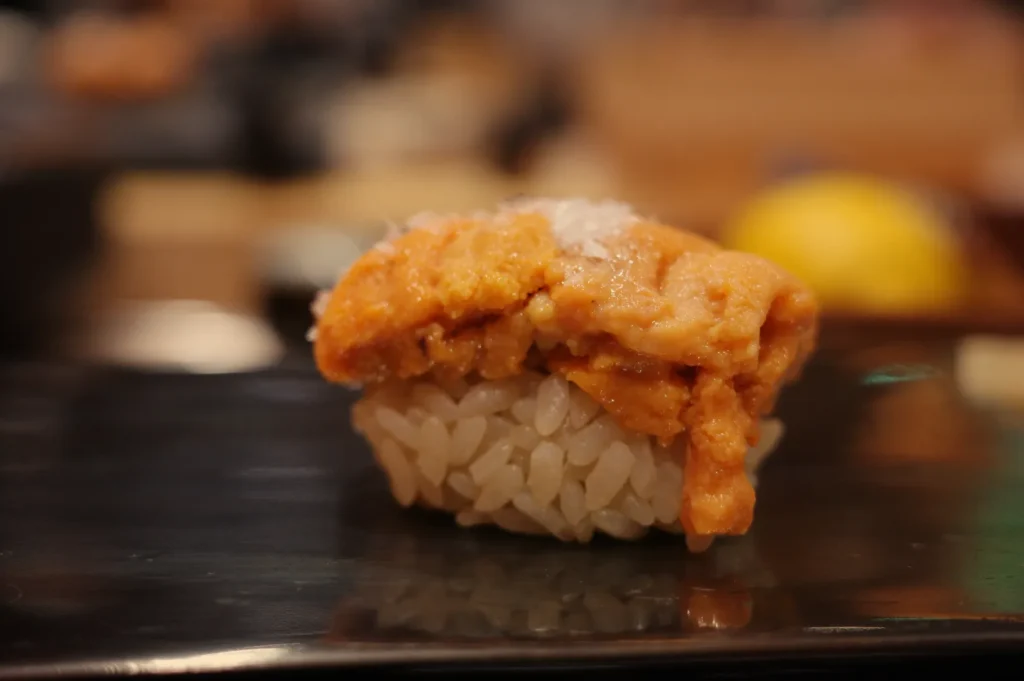
Sencha is the everyday green tea of Japan, and a premium sencha can be remarkable. When brewed well, it offers a bright, refreshing astringency with a hint of natural sweetness. This is what makes it so effective for palate cleansing. It cuts through richness and leaves the mouth ready for the next bite.
Matcha is a different experience. Because the leaves are shade grown before being ground into a fine powder, matcha is richer in umami and has a creamy mouthfeel. It also carries a good dose of L-theanine, the amino acid behind its calm, rounded character. Matcha is lovely at the close of a meal, or alongside a dessert, when you want something soothing rather than sharp.
Both the tea and the fish benefit from restraint. A sencha that is too strong will fight delicate white fish, so we suggest starting light and building gradually, much as a meal itself progresses.
Roasted Tea for Richer Flavours
Roasted green tea, often called hojicha, is made by roasting the leaves at high heat. The bitterness softens, the colour turns a warm amber, and a nutty aroma emerges. Because it is low in astringency, it is exceptionally gentle and easy to drink.
Genmaicha blends green tea with toasted brown rice, which gives it a nutty flavour and a comforting, almost savoury quality. The toasted rice adds body without heaviness, so the tea feels generous but never overbearing. Some guests are surprised to learn that roasted rice can be so elegant in a cup.
Barley tea is also worth mentioning. Served cold, it is refreshing and naturally caffeine free, with a light, toasty taste. Roasted teas of every kind work beautifully with richer dishes, including grilled dishes, and even spicy dishes if a little wasabi has been introduced.
What Pairs Well with Fatty Tuna and Other Fish
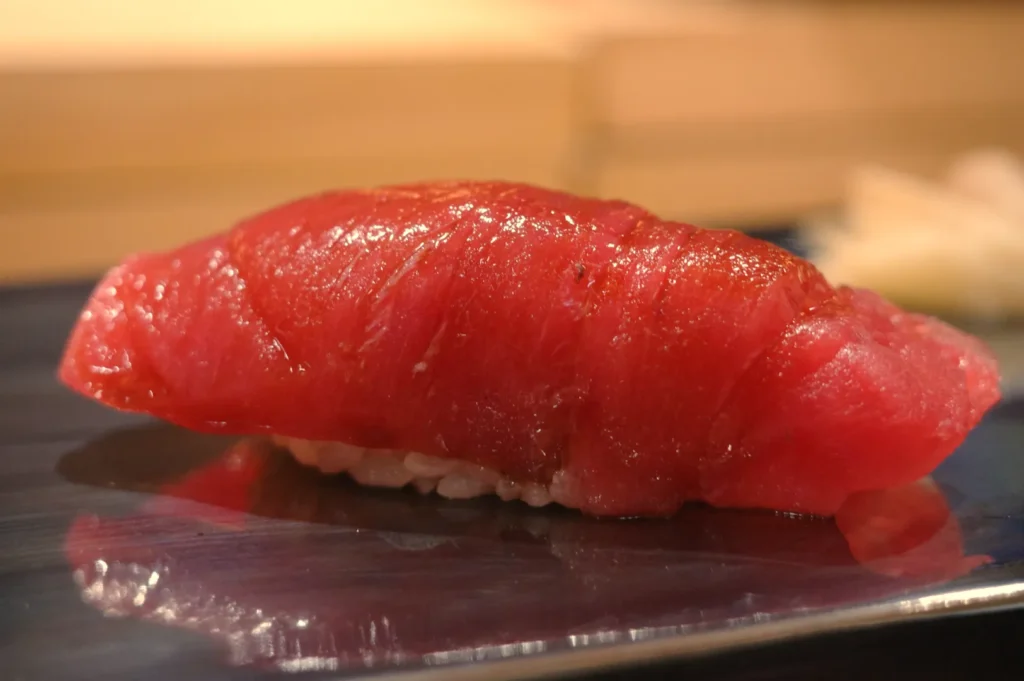
The general principle is simple: match the intensity of the tea to the intensity of the fish.
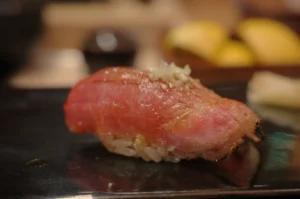
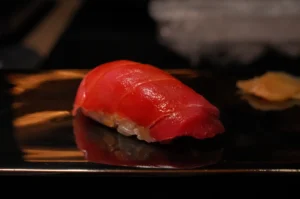
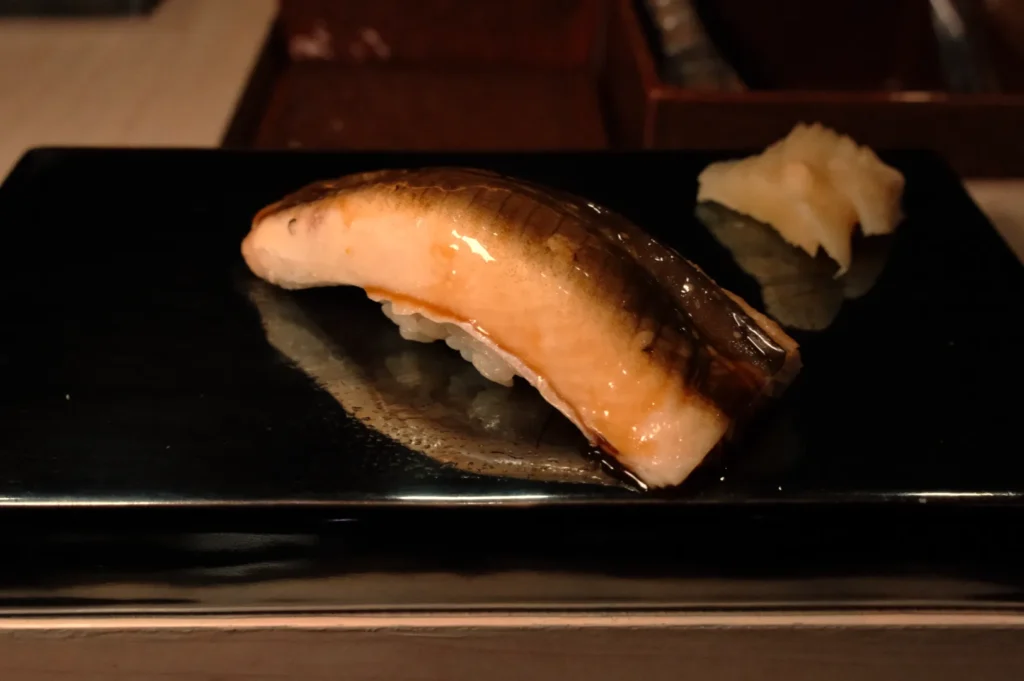
Fatty tuna is one of the most luxurious pieces in sushi. Its marbling melts on the tongue, and its richness benefits enormously from a tea with refreshing astringency. A cup of hot sencha slices through the fat and lets you appreciate the depth of flavour without fatigue. Salmon, with its silky texture, responds in a similar way.
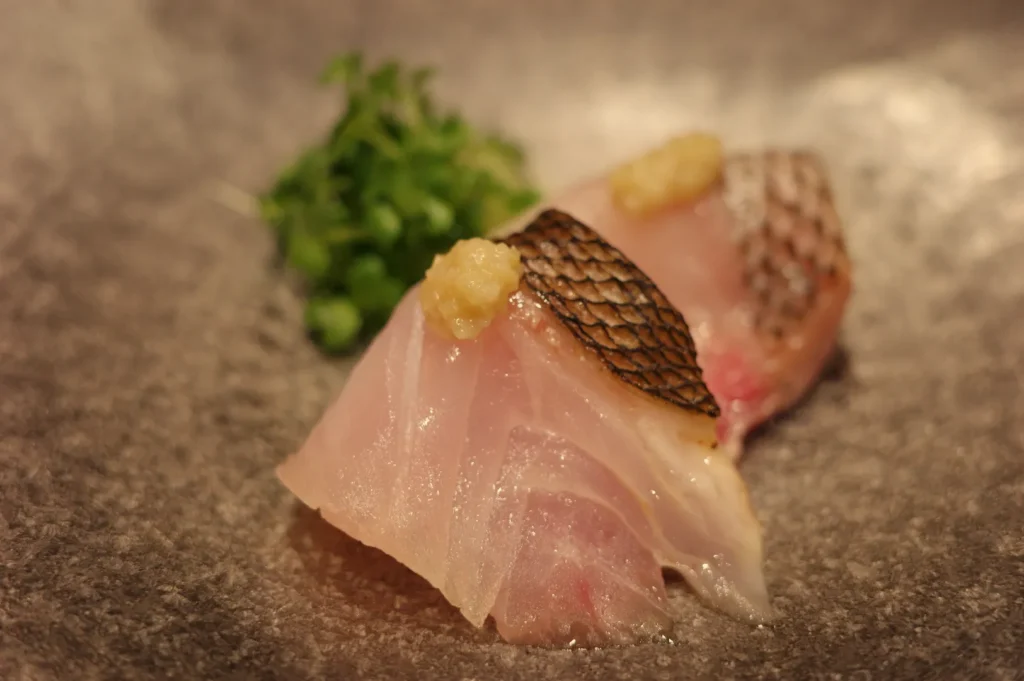
Leaner white fish calls for a lighter touch. Light teas with mild sweetness let its clean, subtle flavour speak for itself, and a very gentle sencha served warm rather than hot is a fine choice.
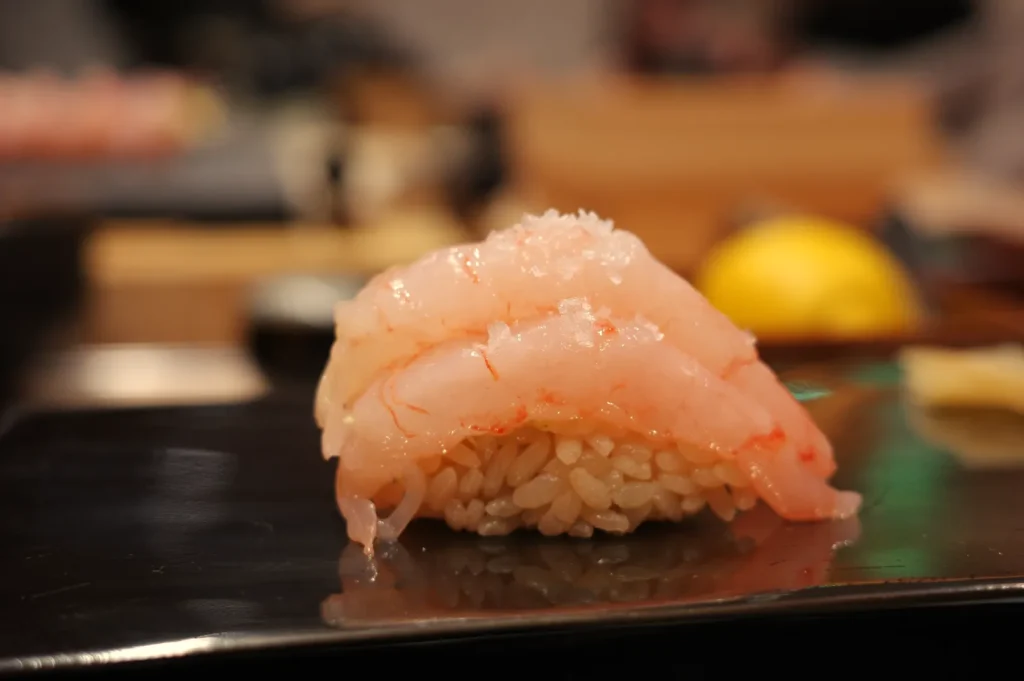
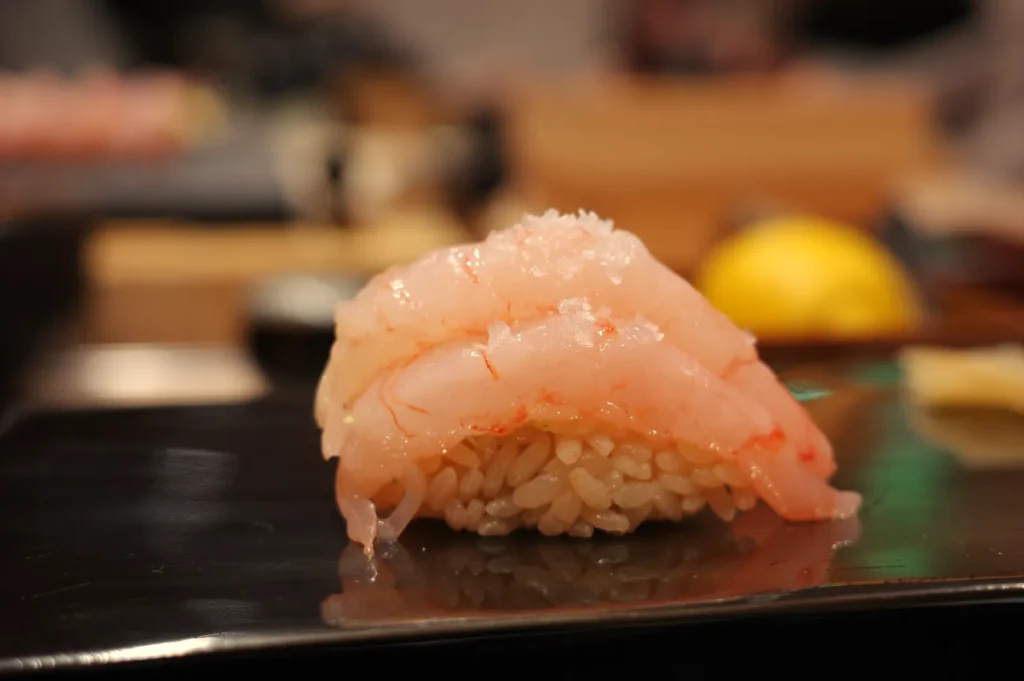
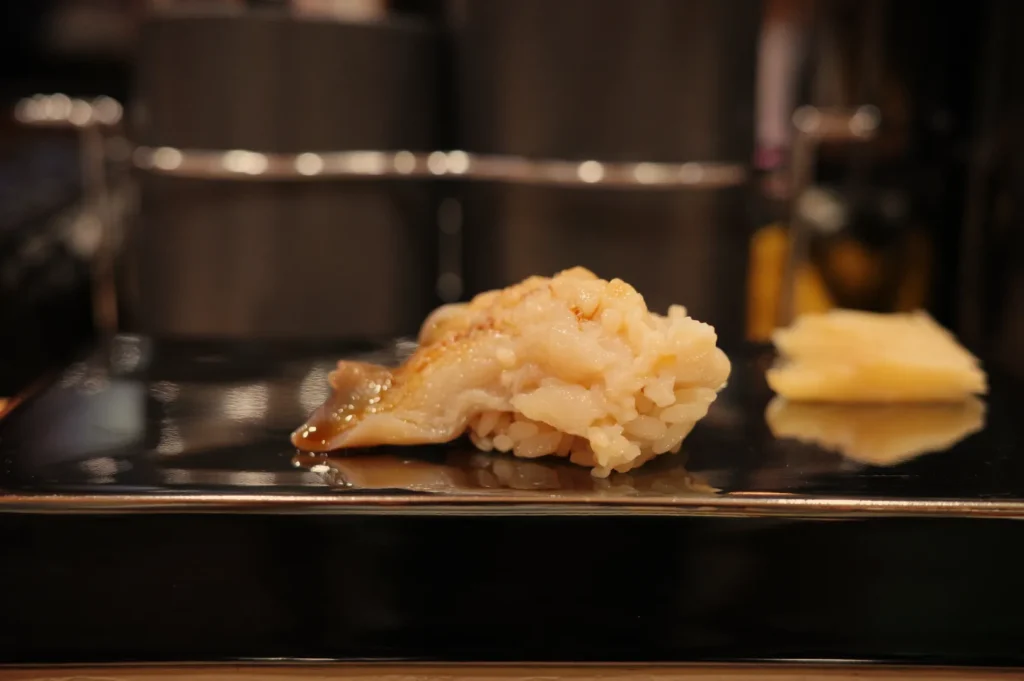
Sweet shrimp and other shellfish bring natural sweetness and a touch of brininess. Roasted tea can echo that sweetness without competing, so a hojicha or genmaicha often works nicely. If you are unsure, follow the fish: light pieces call for light teas, and full-flavoured pieces call for something with a little more structure.
Sushi Masa by Ki-Setsu and the Way We Serve Tea
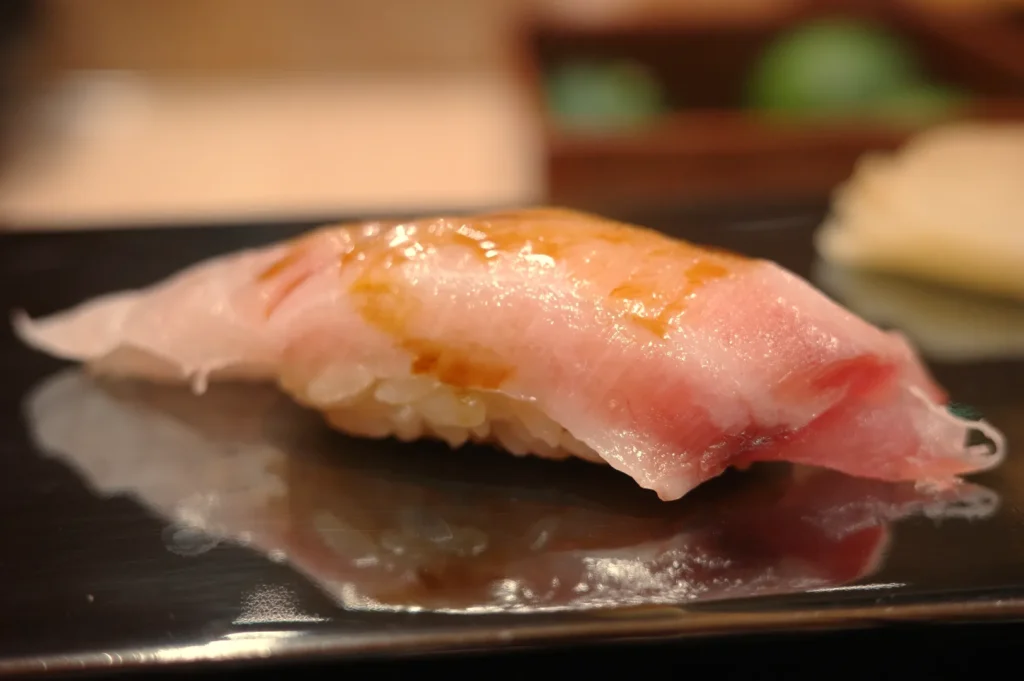
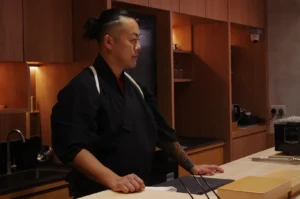
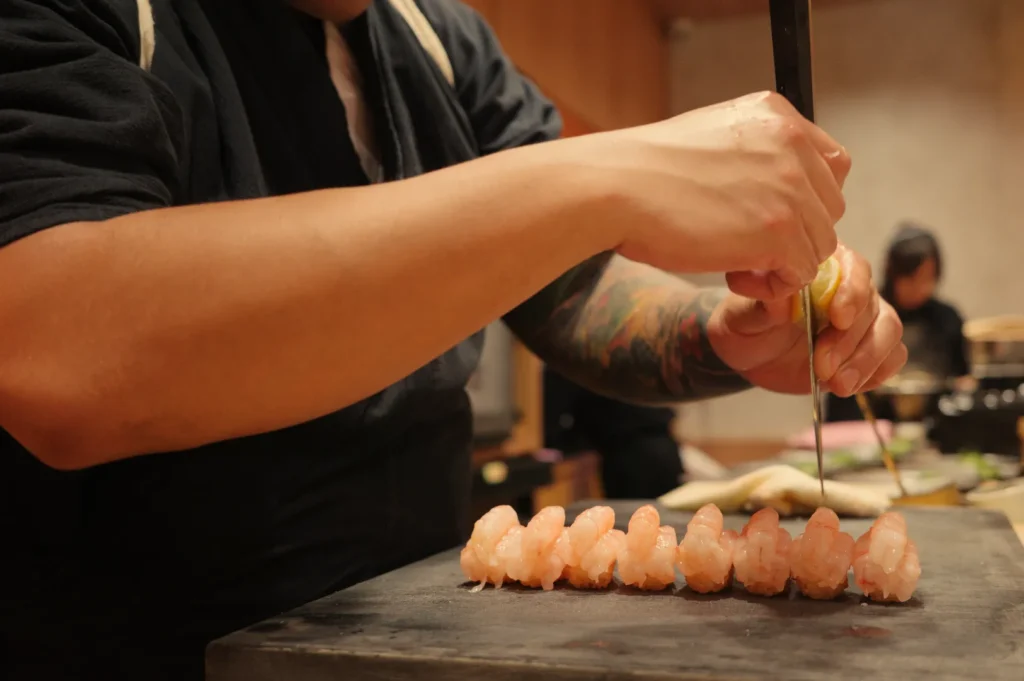
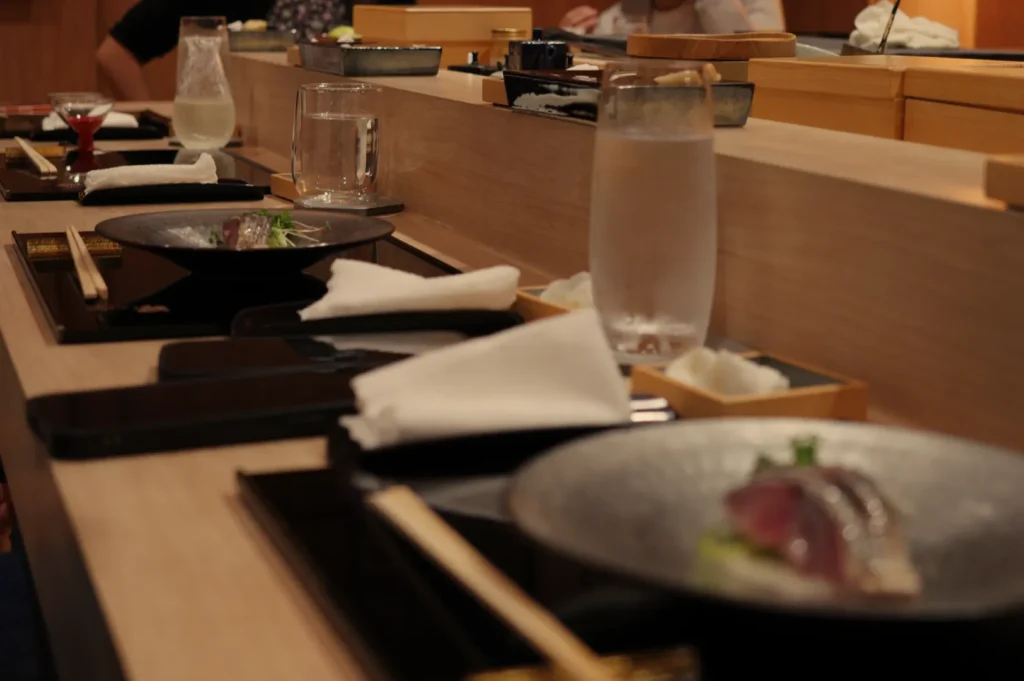
At Sushi Masa by Ki-Setsu, we serve dinner only, and every evening follows the omakase format. As an omakase Singapore guests can trust for Edomae craftsmanship, Chef Masa builds each course using fish sourced from Toyosu Market and prepared with the patience that this style demands. Tea belongs in that same spirit of care.
Because an omakase unfolds in stages, from lighter, cleaner pieces to richer ones, the ideal tea can shift as the evening moves along. A gentle tea at the start keeps the palate open for the delicate first pieces, and something warmer and rounder can follow when the richer cuts arrive. Our chef pays close attention to the balance of rice, fish and seasoning, and we believe the same attention should be given to what you drink.
Brewing Japanese Tea the Right Way
Even the finest leaf can disappoint if it is brewed poorly. The most common mistake is using boiling water on green tea, which scorches the leaves and brings out harsh bitterness. A lower temperature draws out the sweetness and umami instead.
As a rough guide, delicate green teas such as premium sencha prefer water that has cooled well below boiling, while roasted teas are more forgiving. A short steep gives a light, fragrant cup, and a longer one gives more body but also more bitterness.
For a cold brew, place the leaves in cold water and leave them for a few hours. The result is smooth, gently sweet and wonderfully refreshing, with almost no astringency. Whichever method you choose, use good water and fresh leaves, because tea has few places to hide.
Health Benefits and Everyday Enjoyment
Beyond flavour, green tea contains natural antioxidants, and many people enjoy the calm, focused feeling that L-theanine can bring. The health benefits are often mentioned, though we prefer to focus on the simple pleasure of a warm cup after a long day.
Roasted teas and barley tea are gentler on the stomach and lower in caffeine, which makes them appealing in the evening. You can linger over your meal without feeling wired, and the taste buds stay calm and receptive from the first course to the last.
Tea Versus a Wine Pairing
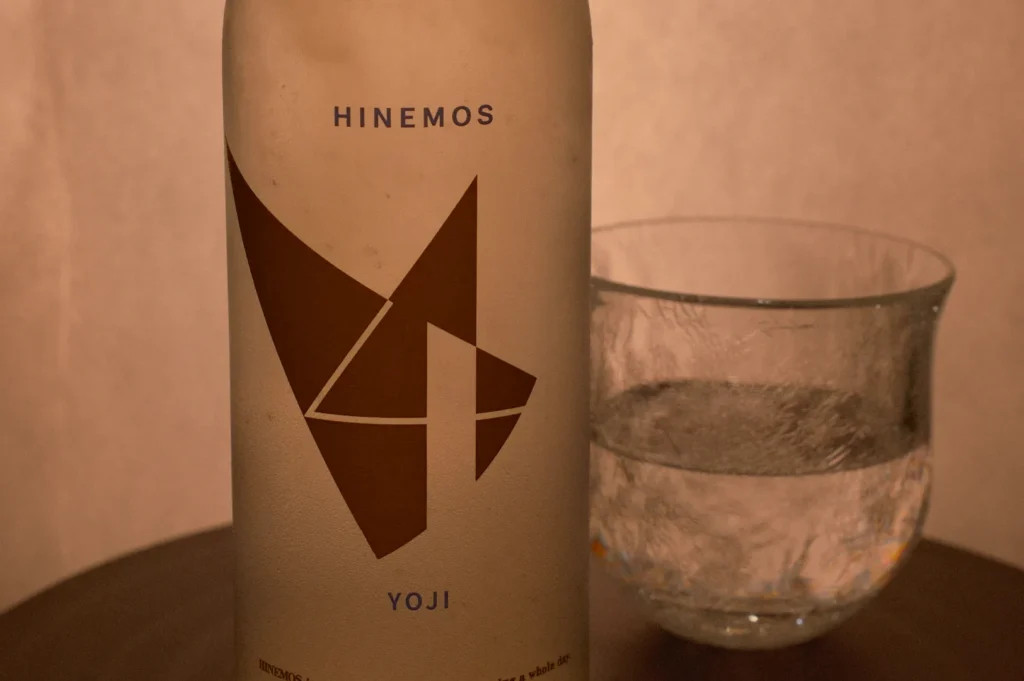
Many diners wonder whether a wine pairing is better for sushi. Wine can be enjoyable, but it often brings acidity, tannin or sweetness that can compete with the fish. Tea is built for this cuisine. Its clean profile respects the subtlety of raw seafood and leaves the natural flavours intact, which is why it remains the traditional choice in Japanese cuisine and at any serious sushi restaurant.
Choosing Your Own Tea Pairing
A good tea pairing does not need to be complicated. Choose a tea that supports rather than overpowers what you are eating. Light teas suit lean, delicate fish, roasted teas suit richer or grilled dishes, sencha cuts through fat, and matcha offers a creamy, soothing finish.
Pay attention to how each sip changes the next bite. That awareness is the heart of enjoying Japanese food, and it turns a simple sushi night into something more mindful. Try one combination, notice what you like, and adjust.
Experience the Balance at Sushi Masa by Ki-Setsu
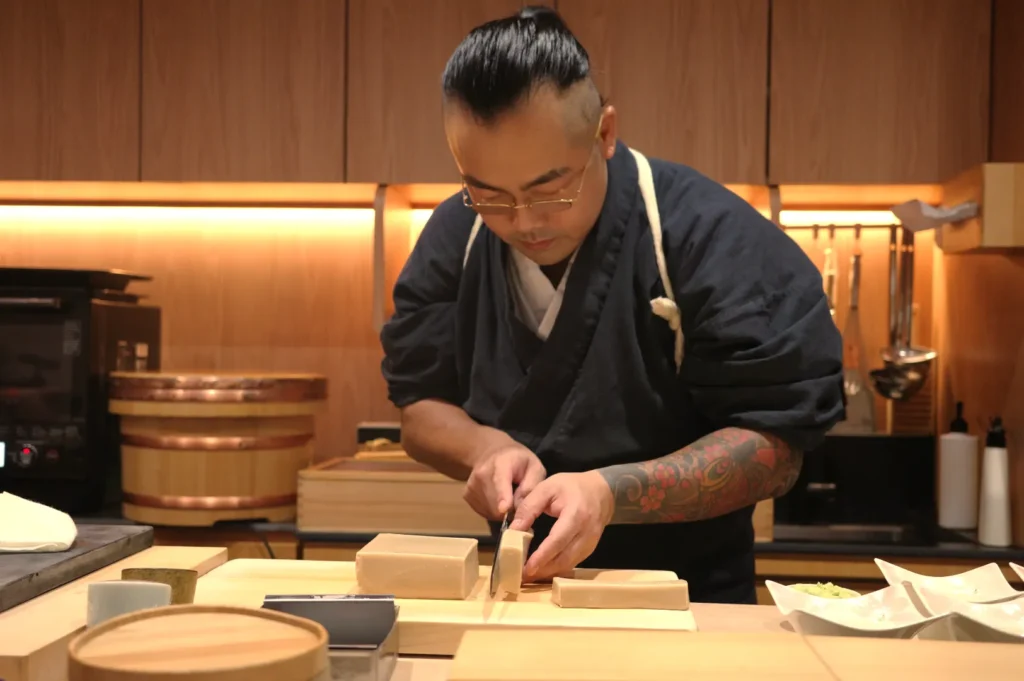
A thoughtful green tea sushi pairing is really about balance: the right leaf, the right temperature and the right fish, brought together with care. When those elements align, the whole sushi experience feels effortless and complete.
We invite you to join us at Sushi Masa by Ki-Setsu for an omakase Singapore dinner, where Chef Masa prepares each piece in the Edomae tradition with ingredients from Toyosu. Come with an open mind, sip slowly, and let the tea and the fish speak to one another. We would be delighted to welcome you.