Booking your first omakase experience can feel a little intimidating. There is no menu to browse, the seats are close to the chef, and everyone seems to know an unspoken set of rules. The truth is far simpler. Omakase is an invitation to relax and let someone else take care of you.
At Sushi Masa by Ki-Setsu, we have welcomed many diners who arrived nervous and left completely at ease. Here is what we wish every first time omakase guest knew before sitting down.
What Omakase Dining Really Means for a First Time Omakase Guest
The word omakase translates as “I leave it up to you.” Instead of choosing individual dishes, you place your trust in the chef, who designs the entire meal around what is best that day. It is not just a meal. It is a conversation between guest and chef, told through food.
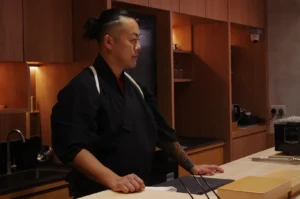
This dish-based dining style is the heart of Japanese tradition at its most personal. Many omakase restaurants offer it as one option among several, but at Sushi Masa by Ki-Setsu, omakase is the only way we serve. Every guest receives the same undivided attention from Chef Masa, who prepares each course in front of you at our intimate eight-seat sushi counter.
Why Trust Matters More Than Choice
When the chef selects every dish, the pacing and balance are shaped by someone who has handled that day’s seasonal fish personally. You may meet ingredients you would never have ordered yourself, and that is often where the most memorable moments happen.
What to Expect from a Typical Omakase Course
A typical omakase course follows a gentle arc, moving from light and delicate to rich and satisfying with bold flavors. The exact order varies by season, but the rhythm is broadly familiar.
Stage | What to Expect |
|---|---|
Small appetisers | Light seasonal bites that awaken the palate |
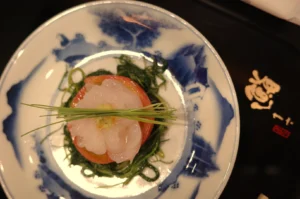
Sashimi | Thin slices of raw fish, showcasing texture and natural sweetness |
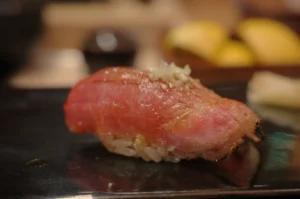
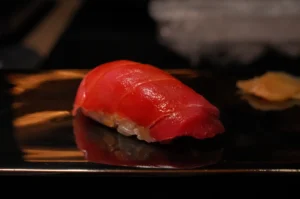
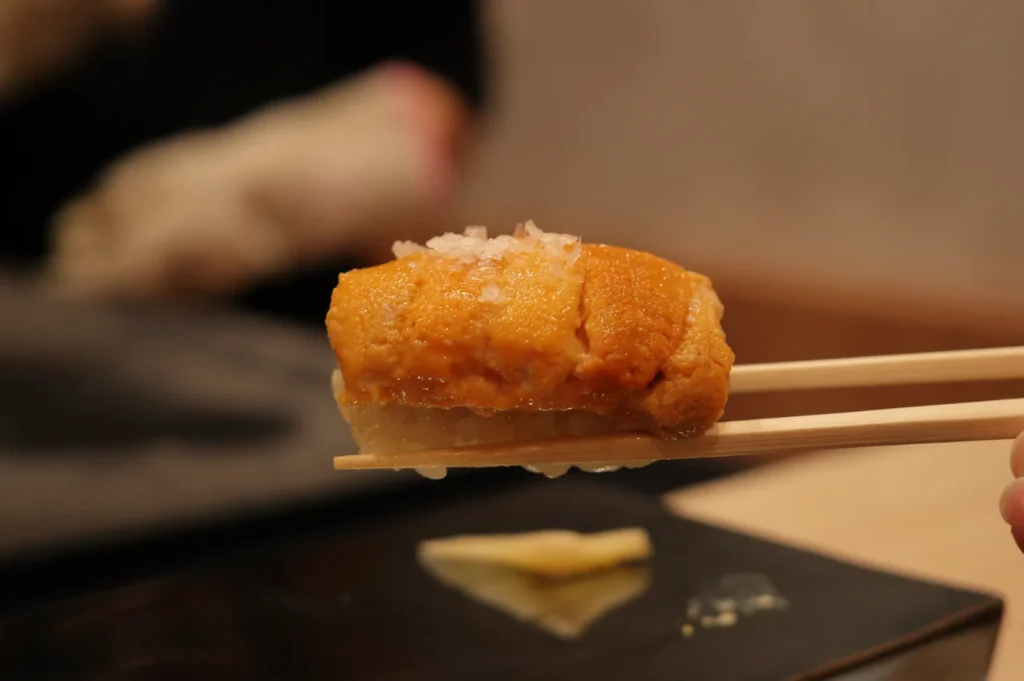
Nigiri sushi | Hand-pressed fish over warm, seasoned rice, served one piece at a time |
Warm dishes | Carefully cooked seafood that adds contrast and depth |
Signature highlights | Items such as scallops, flamed otoro or sea urchin |
Dessert | A gentle close to the evening |
Our menu is purely seafood, with no meat served at any point. This lets the delicate balance of the fish, rice and seasoning take centre stage. Expect the meal to unfold slowly over the evening, so there is no need to rush or worry about what comes next.
The Freshest Seasonal Ingredients Behind Every Bite
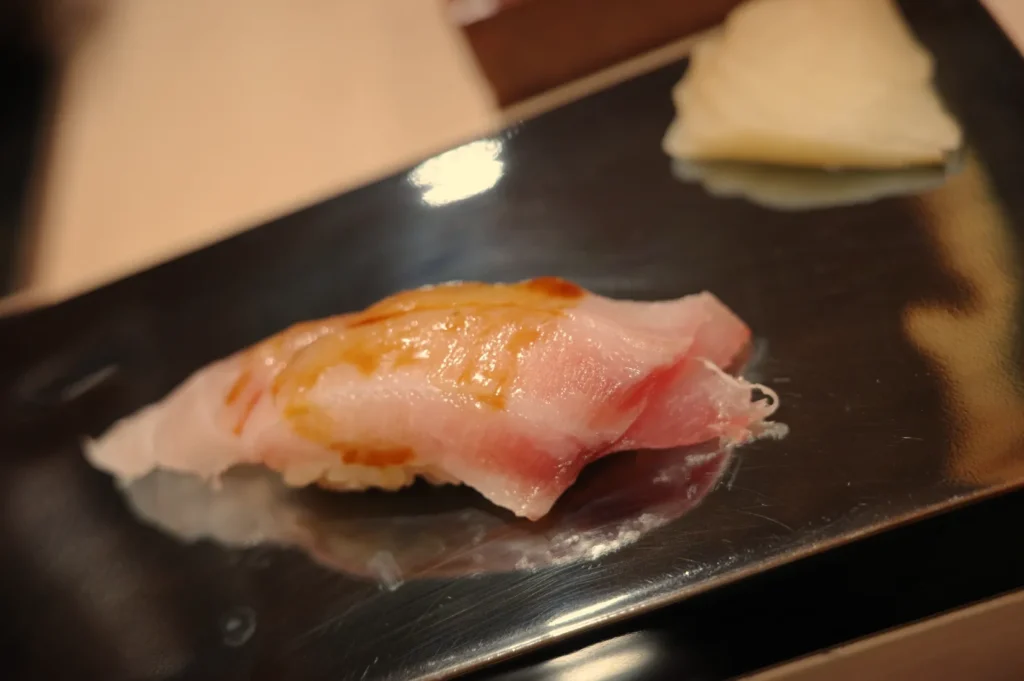
Great omakase begins long before you sit down. At Sushi Masa by Ki-Setsu, our fish arrives from Tokyo’s Toyosu Market, flown in daily so that Chef Masa can build each evening around the freshest seasonal ingredients available. Our finest ingredients arrive each morning, and the hours before service are reserved for careful preparation, so every course is served at its peak.
We follow the Edomae tradition, which began in old Tokyo. Before refrigeration, sushi chefs relied on skill to keep fish at its best, using techniques such as light curing, marinating and ageing. Today, those methods are less about preservation and more about flavor, drawing out the depth of each fish. The rice matters just as much. It is seasoned with rice vinegar and served at a gentle warmth, so it complements the fish rather than competing with it.
Essential Omakase Etiquette at the Sushi Counter
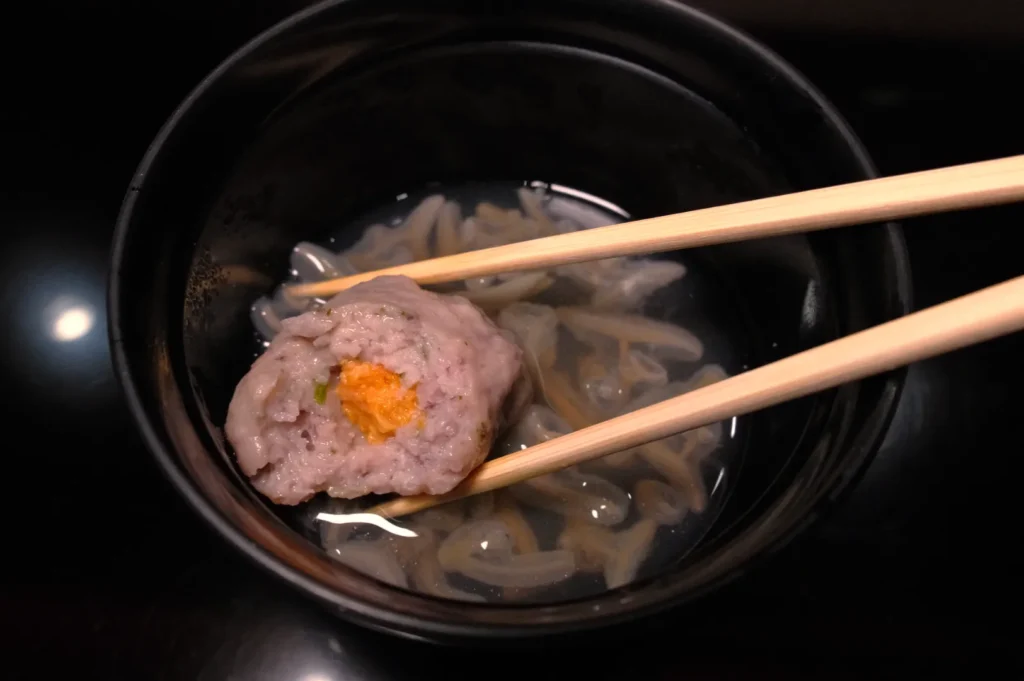
Essential omakase etiquette is really just good manners combined with a little awareness. Sitting at a sushi counter is an intimate setting, and a few simple habits help everyone enjoy the omakase dining experience.
Eat nigiri promptly. Each piece is made to be eaten as soon as it is served, while the rice is warm and the fish is at its ideal temperature.
Use your hands or chopsticks. Both are perfectly acceptable for nigiri sushi, reflecting proper etiquette.
Keep conversation soft. The counter is shared with other diners, and a calm atmosphere lets everyone appreciate the chef’s culinary craftsmanship.
Ask questions freely. Chef Masa is happy to explain a fish or technique when there is a natural pause.
Soy Sauce, Wasabi and Pickled Ginger
Many first timers reach for soy sauce out of habit. In omakase, the chef often seasons each piece already, whether with a brushed glaze, a touch of salt or a citrus note. Taste it as it arrives before adding anything. If a piece needs soy sauce, dip the fish side lightly rather than the rice, which can crumble and absorb too much.
Pickled ginger is not a topping. It is a palate cleanser, best enjoyed between different fish to reset your taste buds. Wasabi is usually placed by the chef between the fish and rice, so there is rarely any need to add more.
Arrive on Time and Dress Smart Casual
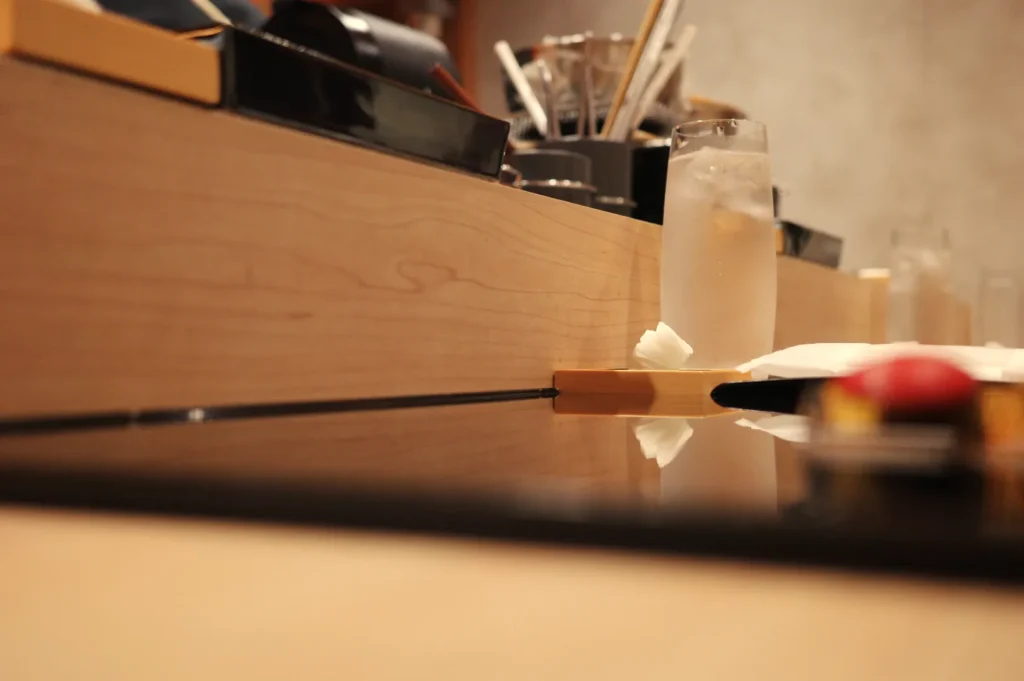
If there is one rule to remember, it is to arrive on time. Omakase is prepared for the whole counter to begin together, and courses are timed with care. Arriving late can disrupt the flow for other diners and the chef alike. Dinner at Sushi Masa by Ki-Setsu begins at 7:15pm, Tuesday to Saturday, and we suggest arriving a few minutes early to settle in.
For attire, smart casual is a comfortable choice. There is no need for formal wear, though tidy, relaxed clothing suits a special occasion. The more important point is fragrance. Please avoid strong perfume or heavily scented products. Sushi depends on delicate aromas, and a strong scent at close range can overpower the subtle fragrance of fresh fish, rice and seasoning for you and the diners beside you.
Dietary Restrictions and Advance Notice
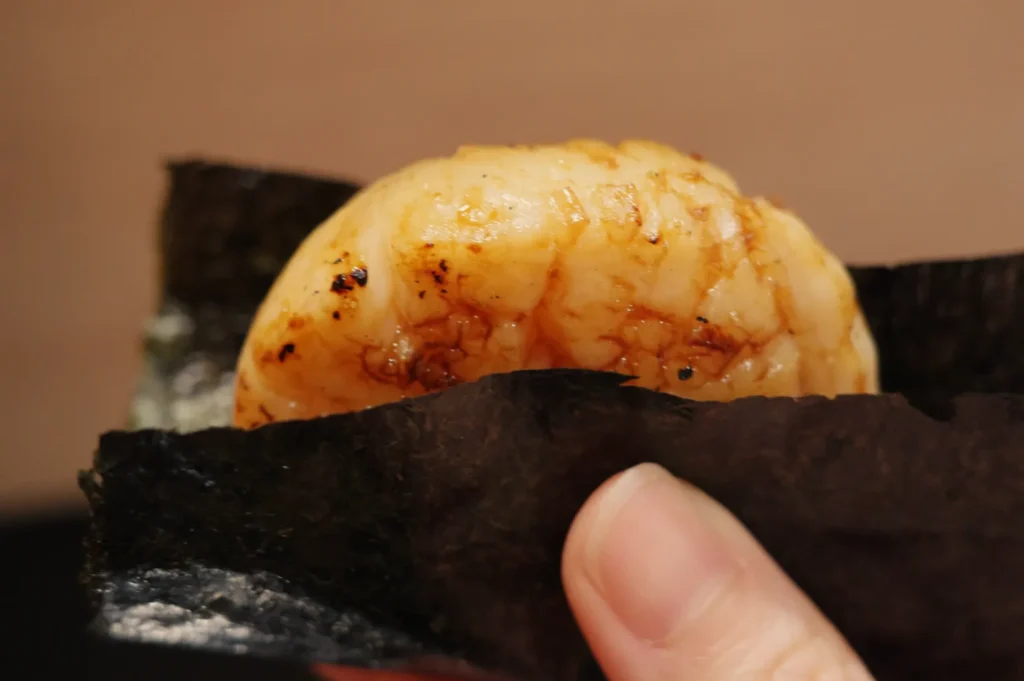
Because the chef designs each course in advance, giving advance notice of dietary restrictions is one of the most helpful things you can do. Allergies, aversions and sensitivities are far easier to accommodate when we know before the evening begins.
Please tell us at the time of booking if you have concerns such as shellfish allergies, or a dislike of raw fish or sea urchin. Since our menu is entirely seafood-based, guests who avoid fish altogether may find omakase at our counter is not the right fit. We would rather be honest with you at the outset so that your evening is a happy one.
Foreign Visitors and International Guests: Language, Manners and Confidence
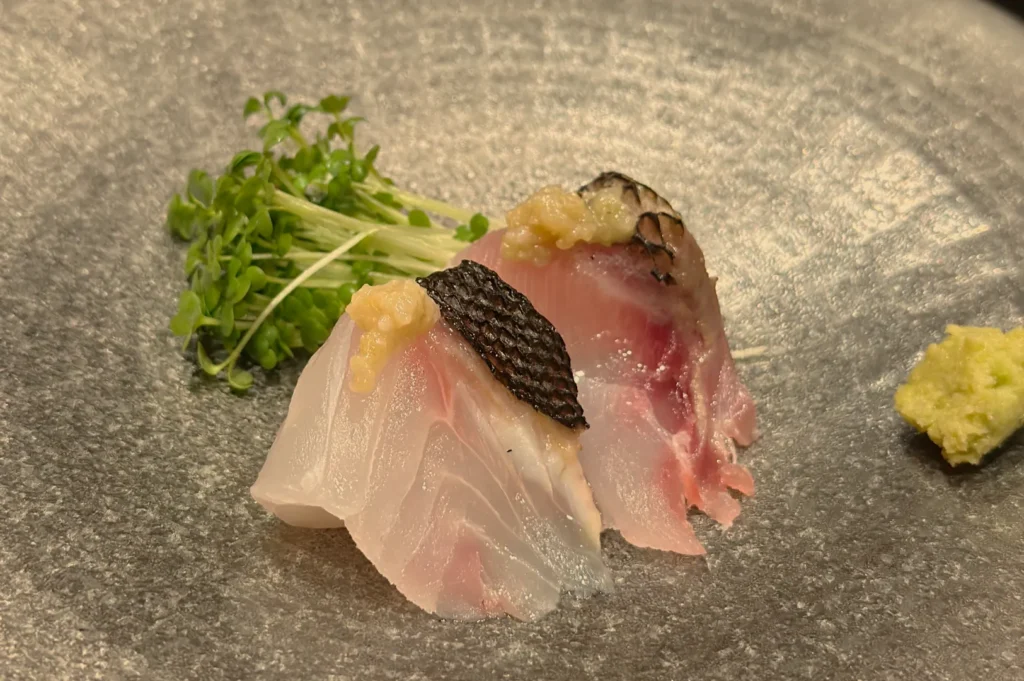
We welcome many international guests, and the good news is that you do not need to speak Japanese to enjoy omakase. Warm curiosity and a genuine smile go a long way. A simple “good evening” as you arrive is always appreciated, and a quiet “arigato gozaimasu” at the end of the meal shows gratitude that Chef Masa will value.
For foreign visitors, a few questions come up often. Is it rude to ask what a fish is? Not at all. Is it acceptable to take photographs? A discreet photo of a dish is usually fine, but please avoid flash, and keep your focus on the meal itself. Is it fine to ask for a pause? Of course. Tell us if you need a moment, and we will pace the course accordingly.
Why the Counter Makes the Dining Experience
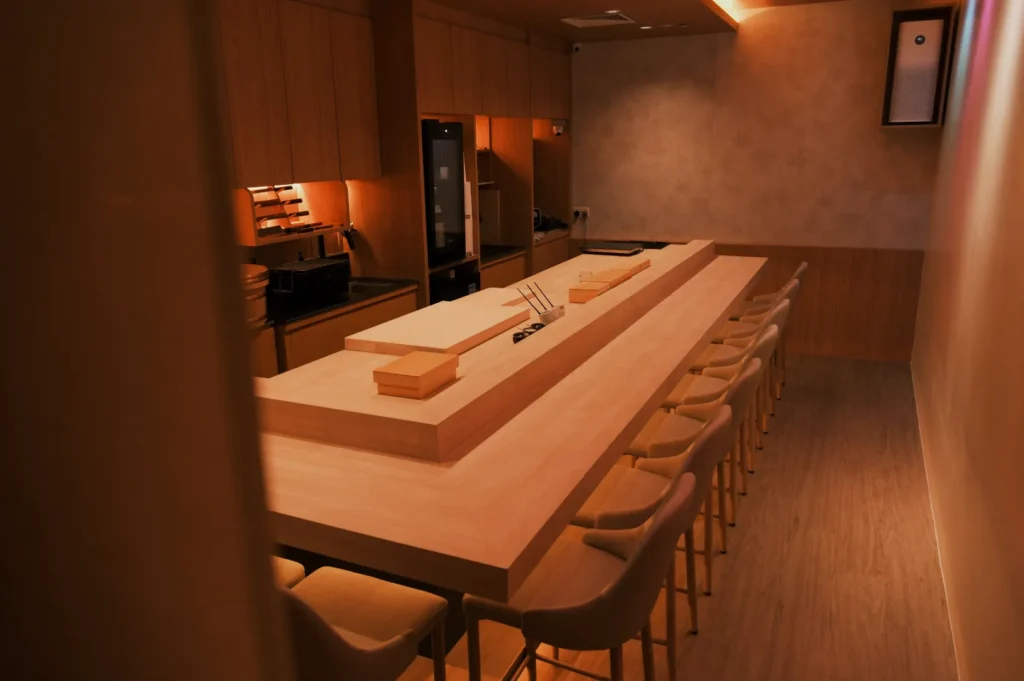
Counter seating is where omakase truly comes alive. You watch each piece take shape, from the slice of the knife to the final press of the rice, and receive it directly from the chef’s hands. This closeness turns a dinner into a unique omakase dining experience, one where craft is visible and nothing is hidden.
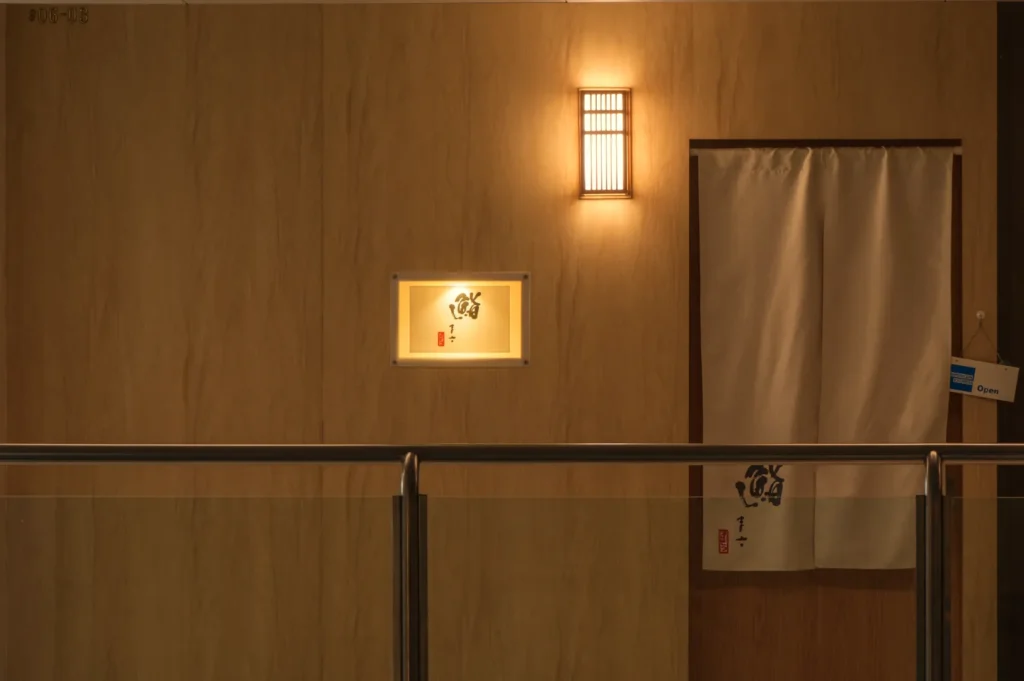
Our eight-seat counter at Cuppage Plaza is deliberately small. It allows Chef Masa to read the pace of each guest and adjust accordingly. It also makes our space a quiet, private choice for celebrations, date nights and other milestone evenings. If you plan to celebrate, let us know when reserving.
Popular high end sushi restaurants of this style often book out well ahead, and ours is no different, so reserving early is wise.
Key Takeaways for First Timers
If you remember nothing else, remember these points:
Trust the chef, and enjoy the surprise of not choosing.
Eat nigiri sushi soon after it is served.
Taste before adding soy sauce, and treat pickled ginger as a palate cleanser.
Arrive on time, dress smart casual and skip strong perfume.
Share dietary restrictions when you book.
Ask questions, stay relaxed and savour the pace of the evening.
Experience Omakase at Sushi Masa by Ki-Setsu
Understanding omakase is really about understanding that there is nothing to prove. You do not need to know the names of every fish or the finer points of etiquette. You only need to arrive on time, keep an open mind and enjoy what is placed before you. Most chefs would tell you the best guests are simply the curious ones, and we agree.
When you are ready to enjoy omakase for the first time, we would be delighted to welcome you at Sushi Masa by Ki-Setsu. Chef Masa will guide you through an Edomae-inspired evening built on Toyosu-sourced seafood and the season’s finest offerings. You can reserve through our online booking platform, or contact our chef guide or concierge by call or WhatsApp for private bookings and special requests.