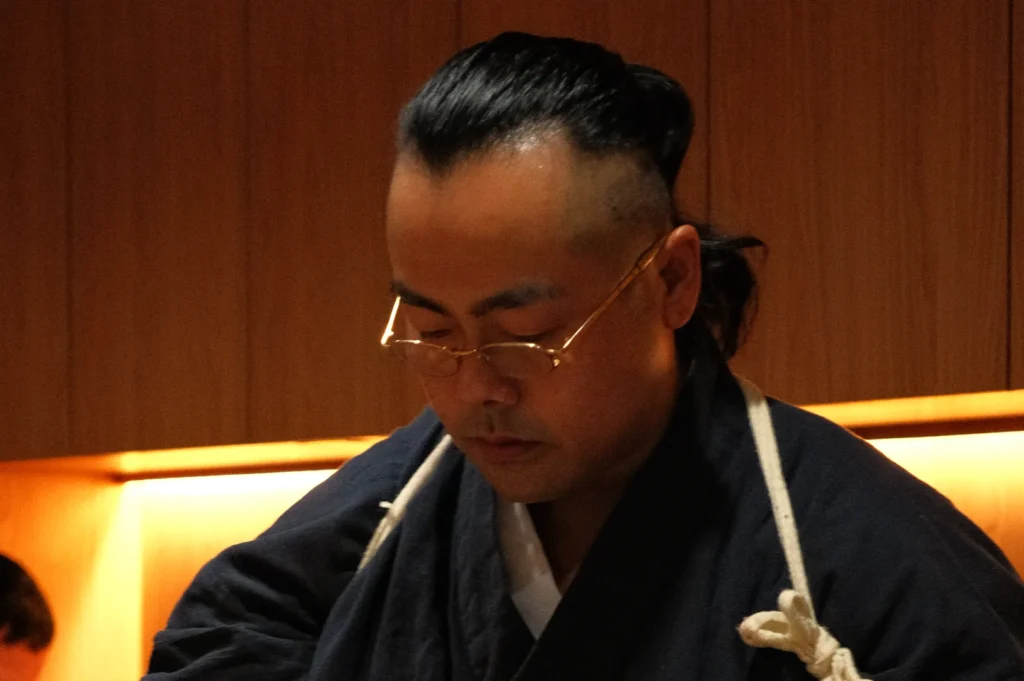
There is a quiet reason the sea sits at the centre of everything here.
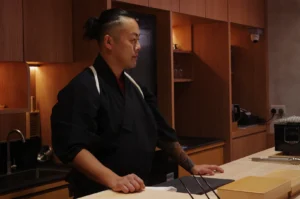
At Sushi Masa by Ki-Setsu, tucked into an eight-seat counter at 5 Koek Road, #06-03 Cuppage Plaza, just off Orchard Road, seafood is not one choice among many. It is the whole language. Chef Masa speaks it fluently, course by course, piece by piece, drawing on decades of practice in the omakase tradition.
This is a seafood-first approach. Not because other ingredients matter less, but because the sea gives Chef Masa the fullest room to express what he cares about most: season, texture, temperature, freshness, and restraint.
Why the Sea Comes First
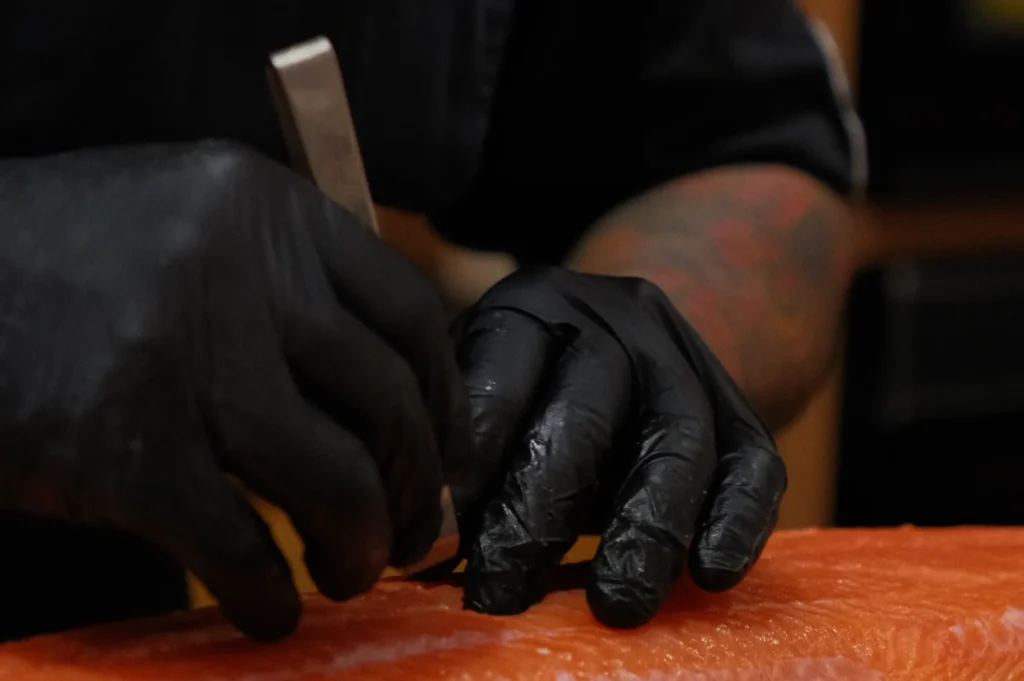
Sushi grew from fish and rice. That is its origin, and Chef Masa honours it.
Seafood carries the seasons more openly than almost anything else on the plate. Fish change through the year. Fat gathers in winter, and lightness returns in summer. To follow seafood closely is to follow time itself. This is the principle of shun: the moment when an ingredient reaches its peak.
At Sushi Masa, seafood is the chosen identity. It is where Chef Masa places his focus, his sourcing, and his craft. Everything else on the counter supports that centre.
Ingredients From Japan, Arriving Daily
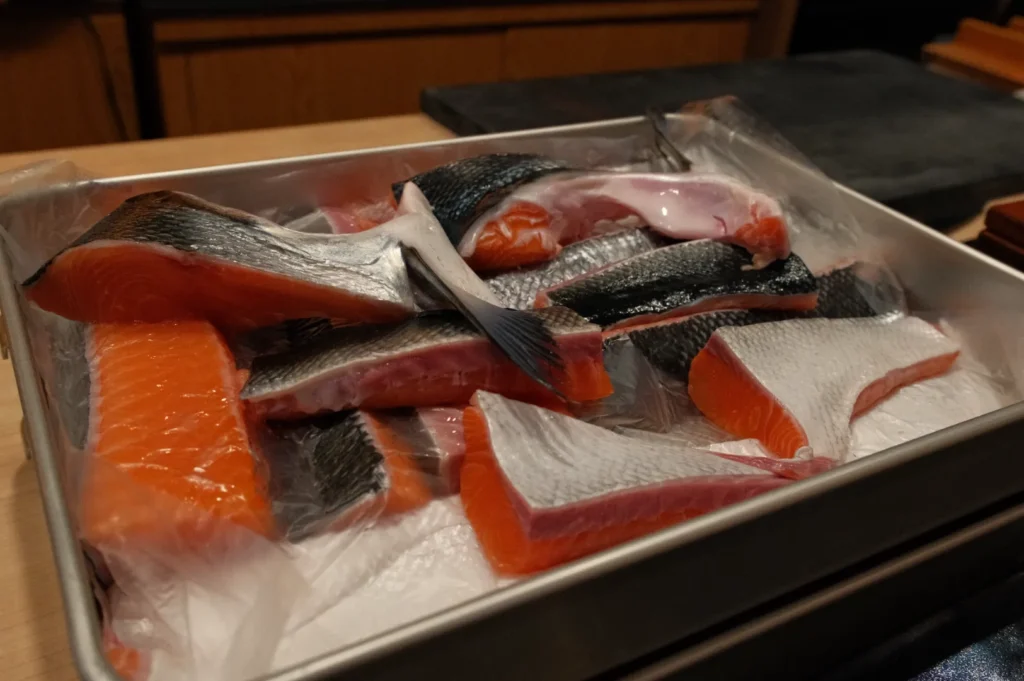
The seafood here comes from Japan.
Fish and shellfish are sourced from Japanese waters and markets, then flown in to reach the counter at their best. The intention is simple: to keep the ingredient as close as possible to how it left the sea.
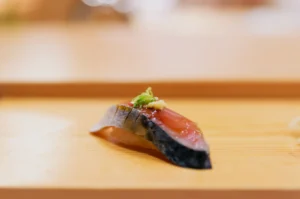
Alongside the seafood come other Japanese ingredients: rice, vinegar, wasabi grated fresh from the root. Each has its place. Together they hold the meal steady, letting the fish stay the quiet subject of the evening.
This daily arrival shapes the menu. Chef Masa does not force a fixed list. He works with what the season and the sea offer, which is why no two evenings feel quite the same.
Five Things Seafood Lets Chef Masa Express
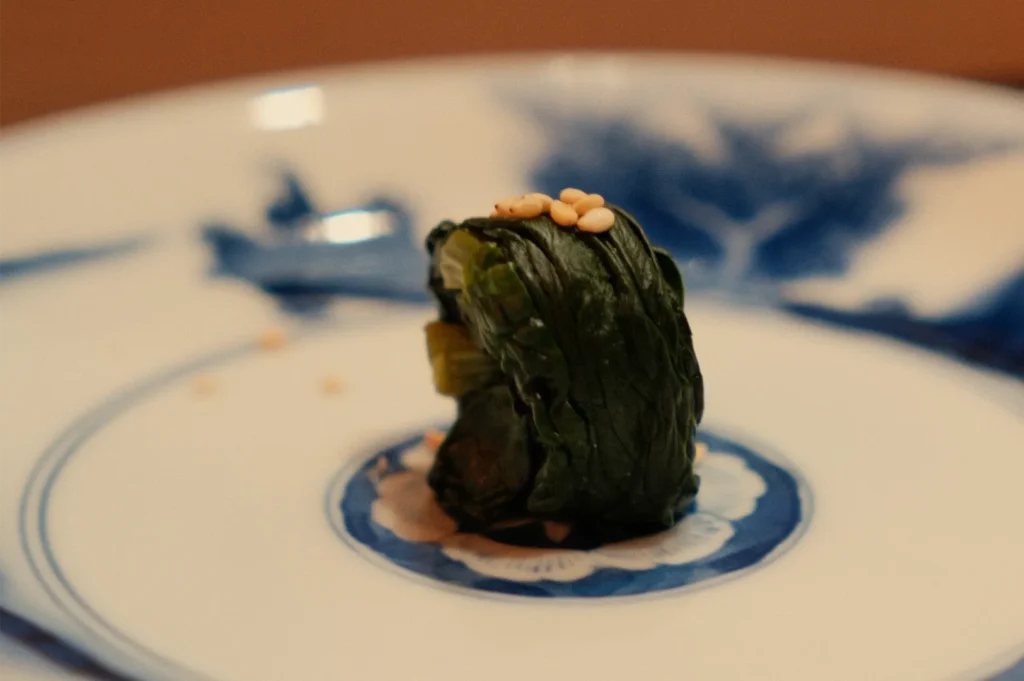
Seafood is not chosen for spectacle. It is chosen because it gives a chef so much to work with. Here is what it allows.
Seasonality (Shun)
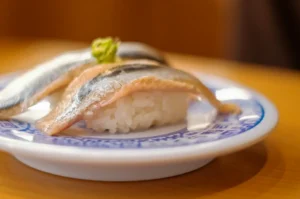
Fish tell you the time of year. Early-summer aji differs from winter buri. By reading these shifts, Chef Masa builds each meal around what is truly at its peak. Never before, never after.
Texture
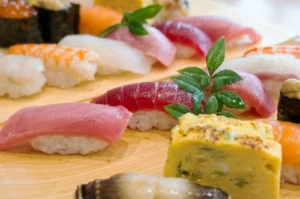
Few ingredients offer such range. The firm resistance of a lightly seared skin. The soft give of aged tuna. The clean snap of scallop. Seafood lets a single meal move through many textures, each one deliberate.
Temperature
Warm rice against cool fish. A slice of sashimi followed by a simmered dish. Temperature is part of the composition, and seafood responds to it with precision. Chef Masa uses this contrast to guide the pace of the evening.
Freshness
Freshness is not a slogan here. It is the whole point. Sourcing from Japan and handling each piece with care keeps the ingredient honest. You taste the sea, not the storage.
Restraint
Perhaps the hardest quality to master. Good seafood asks for little. A touch of salt. A brush of soy. Grilling over binchotan for a whisper of smoke. Chef Masa knows when to stop, and that knowing is a form of respect.
In short: seafood gives Chef Masa a full palette of season, feel, warmth, purity, and quiet, all in one ingredient family. It is where Chef Masa’s story begins.
The Counter Sets the Pace
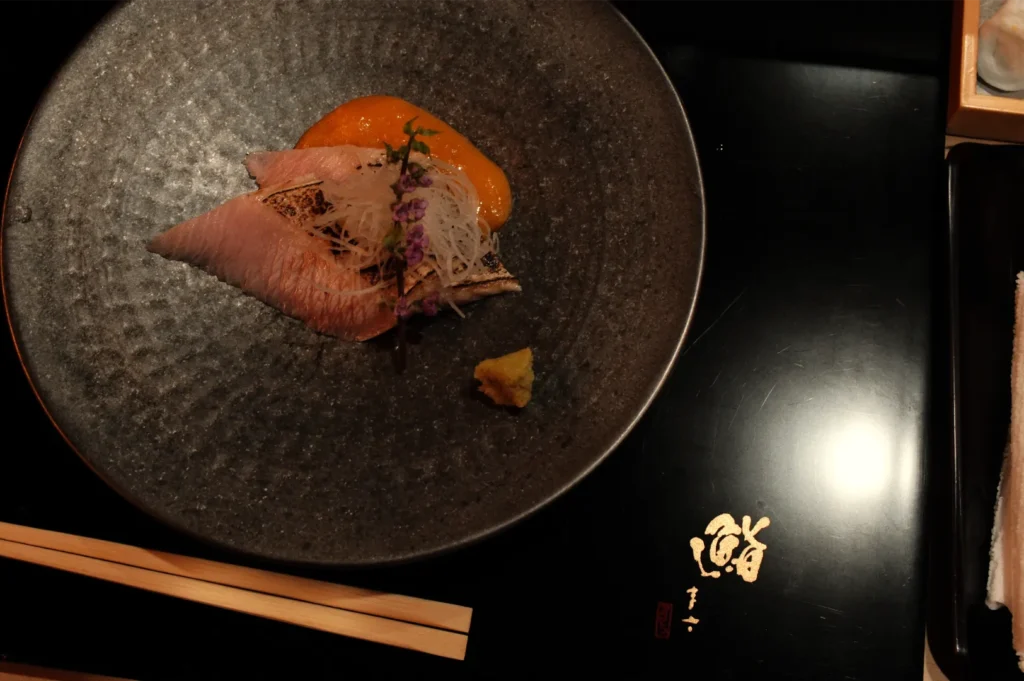
Eight seats. No more.
The counter at Sushi Masa is intimate by design. From your place, you watch each piece prepared and placed. There is a rhythm to it: knife, rice, fish, silence.
This closeness suits a seafood-first meal. Delicate work rewards attention. A hand-roll of uni wrapped in crisp nori, eaten the moment it is passed to you, tastes different from anything rushed. The small room lets timing stay perfect.
You do not choose the menu. You choose to trust. That is the heart of omakase at Sushi Masa: leaving the sequence to the chef, and receiving the evening as it unfolds.
A Chosen Identity, Not a Limit
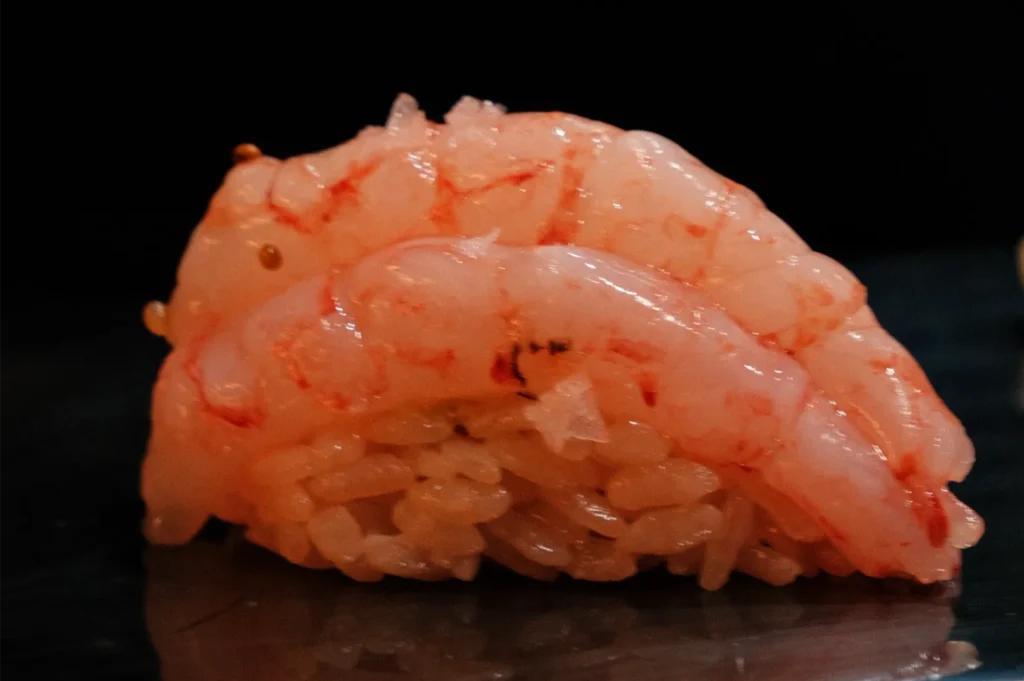
A seafood-first approach is a decision, not a restriction.
It tells you where Chef Masa’s attention lives. It shapes the sourcing, the season, and the craft you experience at the counter. Other ingredients may still appear in their supporting roles, each with purpose. But the sea leads.
This clarity is what gives Sushi Masa its character. When a chef commits to one language and learns it deeply, the result feels grounded and whole
Come and Taste the Season
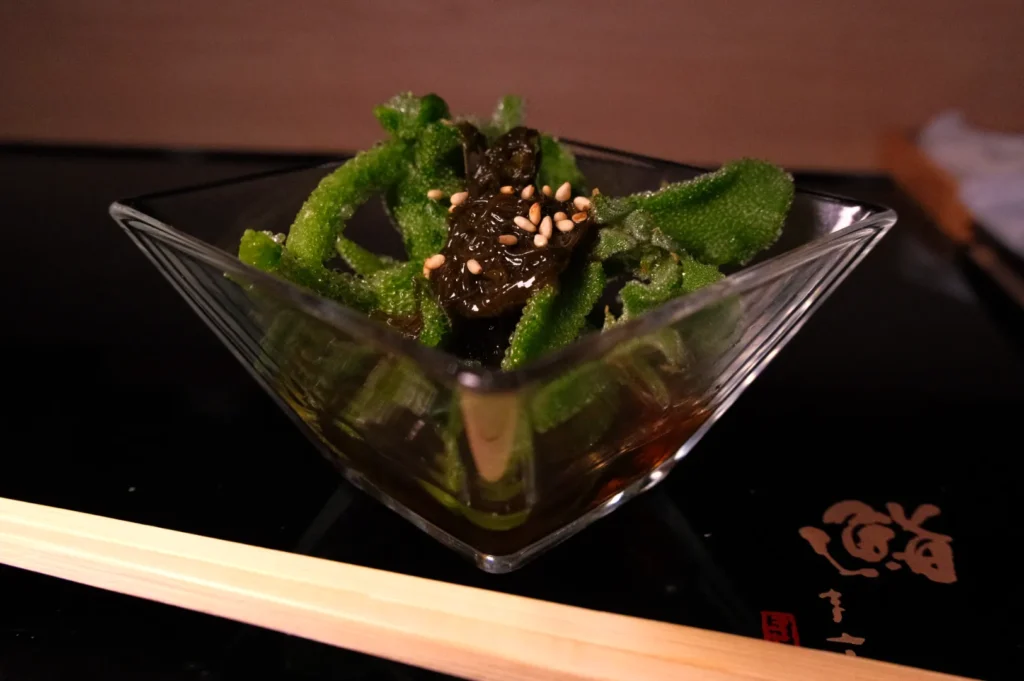
Chef Masa’s seafood-first approach is a way of honouring where sushi began, and where it still shines.
Season, texture, temperature, freshness, restraint. These are the qualities the sea offers, and the qualities Chef Masa draws out, one piece at a time, at his eight-seat counter in Cuppage Plaza.
If you value craft over spectacle, and presence over noise, reserve a seat and let the evening speak for itself.