Most diners have had the experience. You hear about a sushi counter from a friend, you search for a table, and the earliest date is weeks away. It can feel frustrating, even a little unfair. Yet the wait tells you something useful about how a counter works, and why hard to book omakase is rarely a marketing trick.
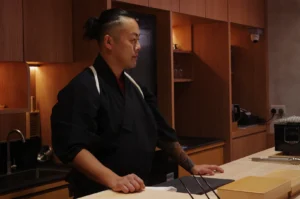
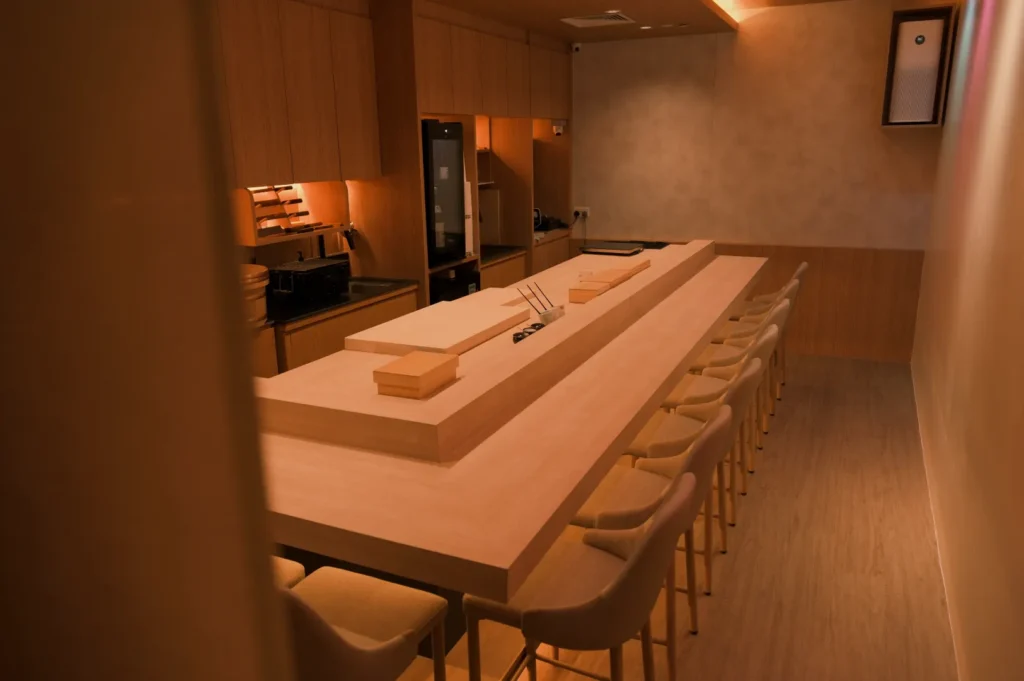
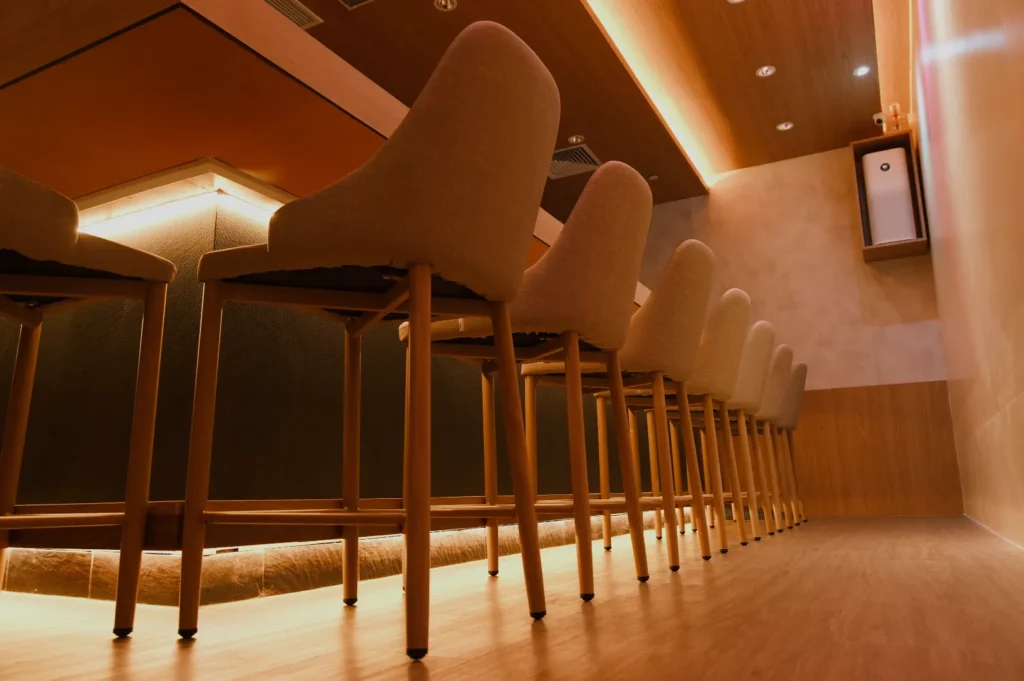
At Sushi Masa by Ki-Setsu, we are a small counter built around one chef and one philosophy. Eight seats mean eight guests, and every one of them receives Chef Masa’s full attention. Here is why that matters, and how to find your place at the counter.
Why Hard to Book Omakase Is the Natural Result of a Small Counter
Omakase means “I leave it to you.” Guests do not choose individual dishes. They place their trust in the chef, who decides what is best on the day, shaped by the season, the catch and the rhythm of the evening. The format only works when the chef can watch each guest, adjust the pace and serve every piece at the right moment, which is one reason a counter of this kind can be difficult to reserve.
That is why a counter stays small. A single chef can only slice, shape and serve so much before the quality slips. When a counter keeps its seats to a minimum, the number of guests per evening is fixed by craft, not by ambition. Exclusivity here is a side effect of care, not a goal in itself.
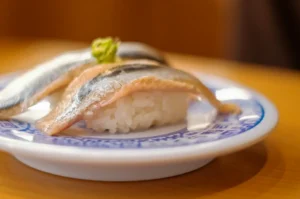
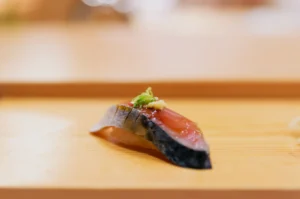
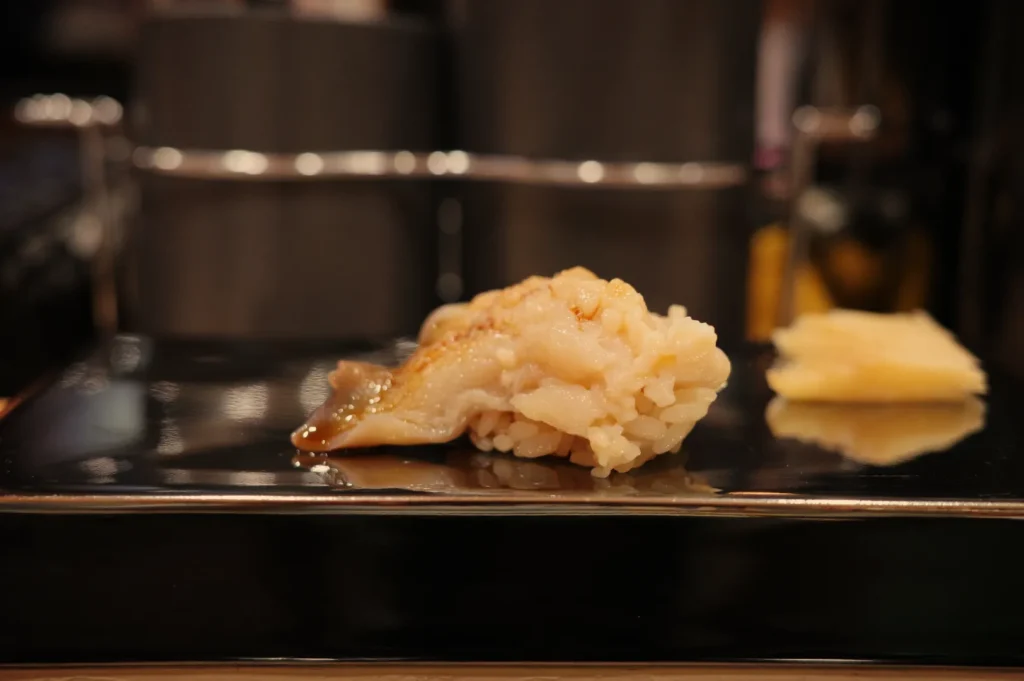
At Sushi Masa by Ki-Setsu, the Edomae approach makes this even more pronounced. Edomae sushi is about preparation: ageing, curing, marinating and gentle handling that draws out the best from each piece of seafood. Every step takes time and patience, and none of it can be hurried to fit more guests into a night.
What Edomae Asks of a Chef
Edomae sushi grew out of the old Edo period, in the days before refrigeration. Chefs relied on salt, vinegar and soy to preserve fish, and the techniques that came from necessity became an art form. Today we keep that spirit alive. A piece of fish may rest for days to deepen its sweetness, while another is served within hours of arriving. Knowing the difference is the work of a lifetime, and Chef Masa brings that knowledge to every evening.
Sushi in Japan: Where the Eight-Seat Counter Began
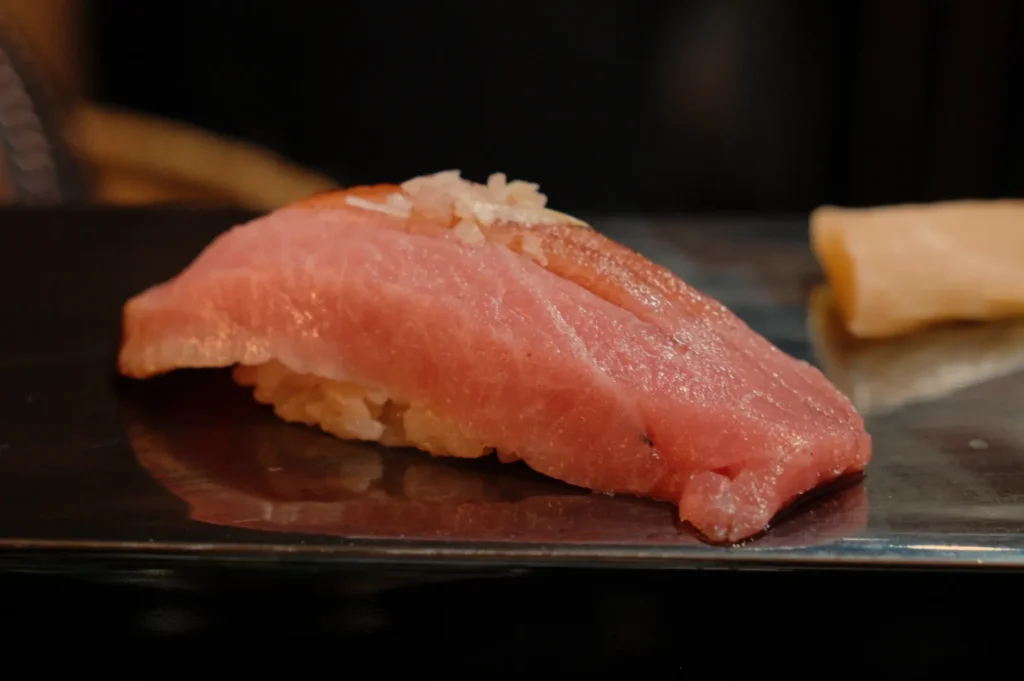
The intimate counter is deeply rooted in Japan’s dining culture. Sushi was once street food, served quickly from small stalls. Over generations it moved indoors, and the counter became a stage where chef and guest face each other without barriers. Many of the most respected sushi counters in Japan still seat only a handful of people, and they have done so for decades.
This is also why demand outstrips supply. Japan has shaped the world’s idea of sushi, and travellers from every continent now plan trips with a sushi counter in mind. When a small number of seats meets a very large number of curious diners, the maths is simple. Seats fill quickly, and the best counters are booked long before the day arrives.
Understanding this helps you plan better. A booking is not only a table. It is a commitment shared between you and the chef, who prepares ingredients with your seat in mind.
Fresh from Toyosu Market: Why Sourcing Shapes the Calendar
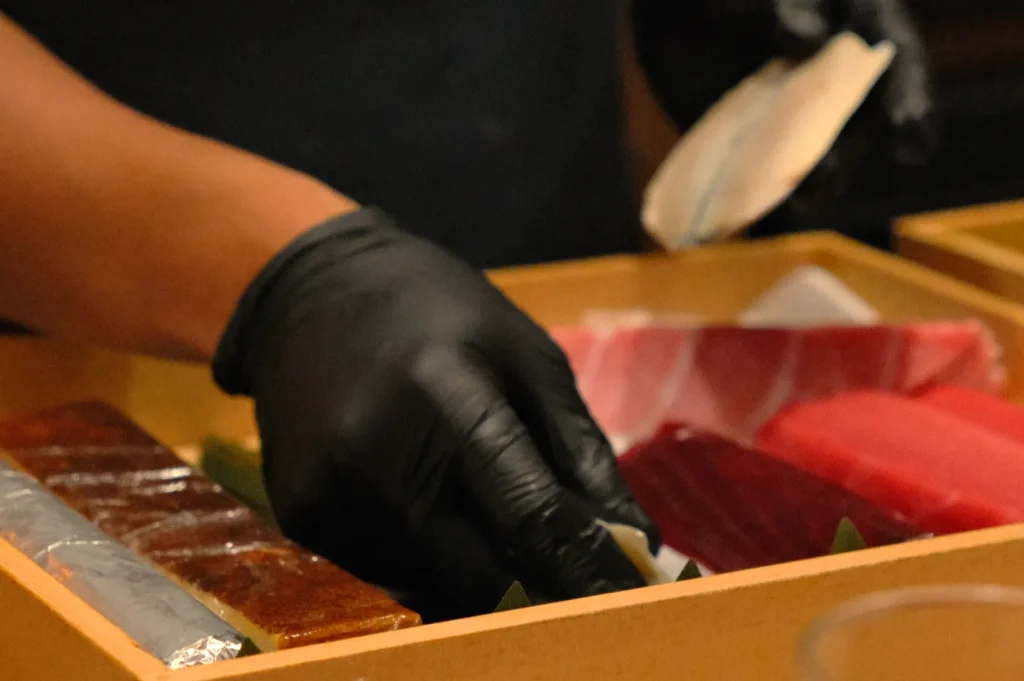
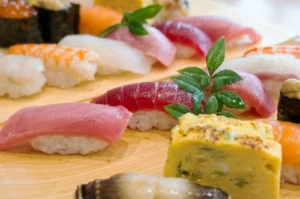
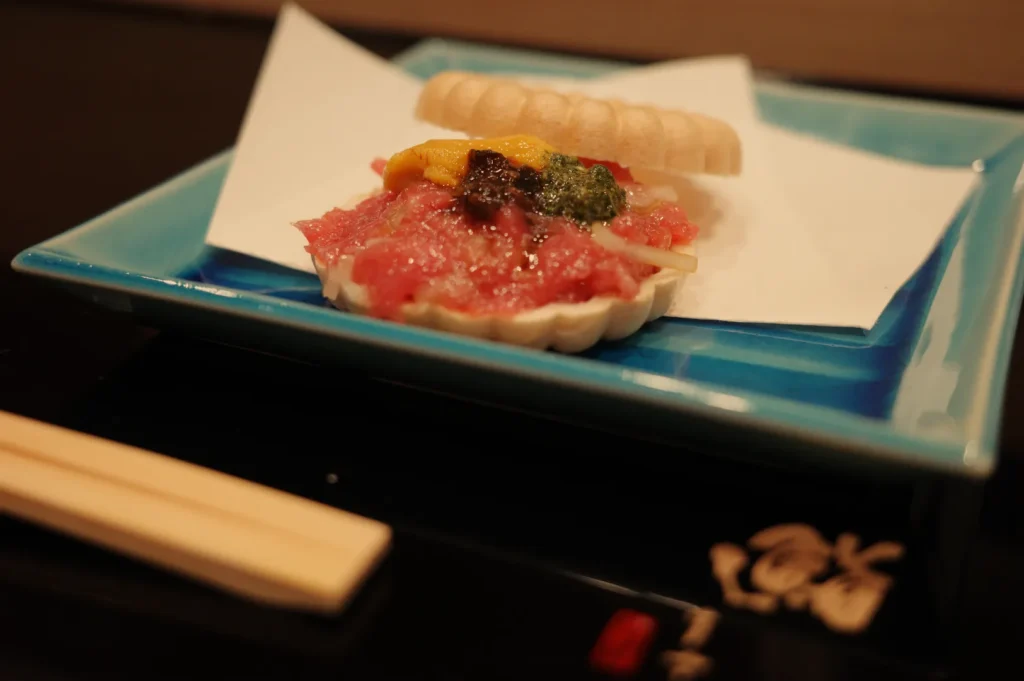
Quality sushi depends on quality seafood, and quality seafood does not arrive on a convenient schedule. At Sushi Masa by Ki-Setsu, our fish is sourced from Toyosu Market in Tokyo, the world’s most celebrated seafood hub. Chef Masa chooses what is at its peak, and that shapes the dishes you see across the evening.
This sourcing is another reason a counter cannot simply add more seats. Premium seafood is limited. A fine cut of tuna, a prized shellfish or a seasonal catch exists in finite quantities, and a thoughtful chef would rather serve fewer guests well than stretch the supply thin. Our menu is entirely seafood, and every piece is chosen to honour what the ocean offers that season.
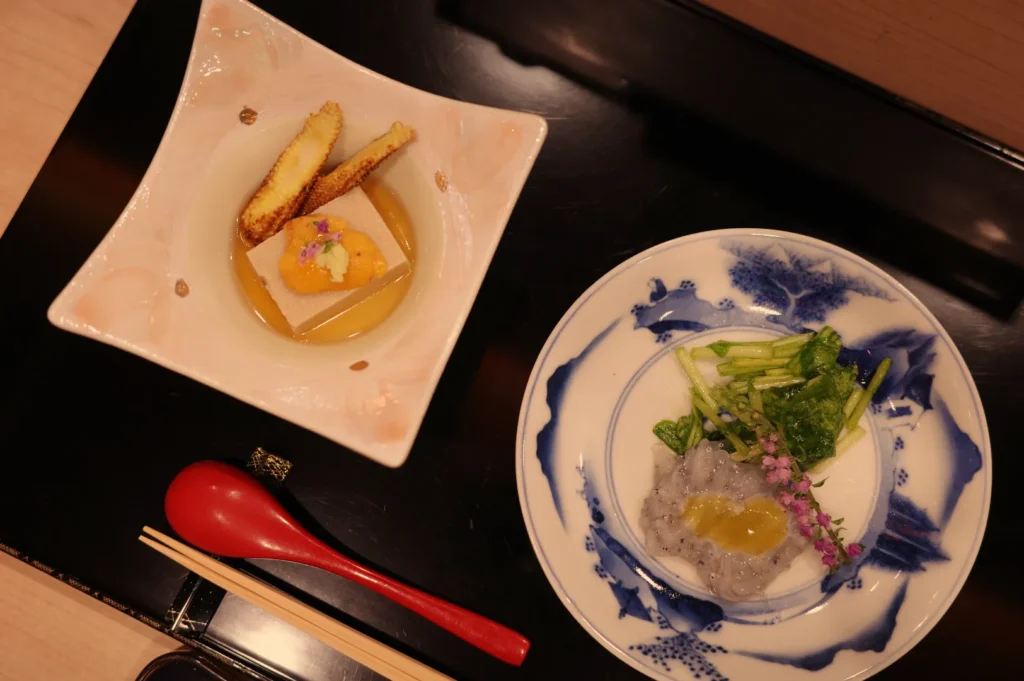
The evening itself follows a deliberate arc. It opens with light, delicate dishes, including a clear dashi soup, and moves gradually towards richer, more robust pieces. Each step sets up the next, and the pacing is as much a part of the craft as the knife work.
Using Google Maps Wisely When You Search for a Counter
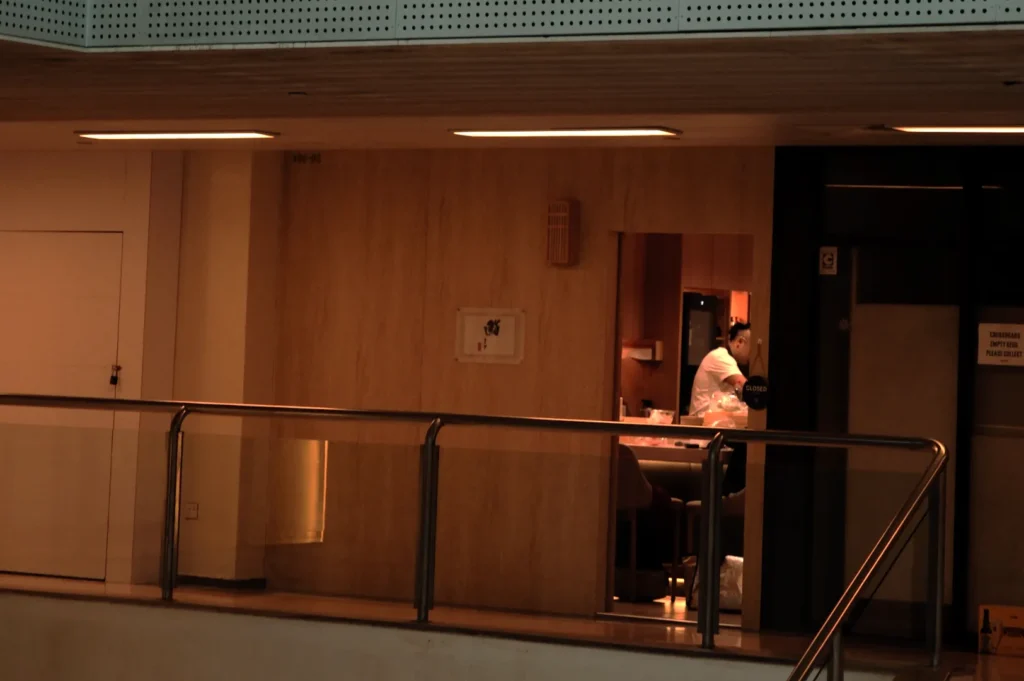
For most visitors, the search begins on Google Maps. It is a handy way to see what is nearby, check reviews and get a sense of an area. But a quick scan can mislead. A restaurant that looks available may only show a generic listing, and the most meaningful details, such as seat counts, the style of sushi and how to reserve, are often found on the restaurant’s own website.
A few habits help:
- Read recent comments for details about the pace, the atmosphere and the style of service, not only the star rating.
- Look for photographs that show the counter itself. A small, calm room with a single chef tells you a lot.
- Follow the link to the official website to confirm how reservations are handled, rather than relying on third-party listings.
Searching on a map is a good first step, but the most reliable way to secure a seat is to reserve directly with the restaurant. It avoids confusion, and it lets us note any dietary needs before your evening begins.
What a Hotel Concierge Can and Cannot Do
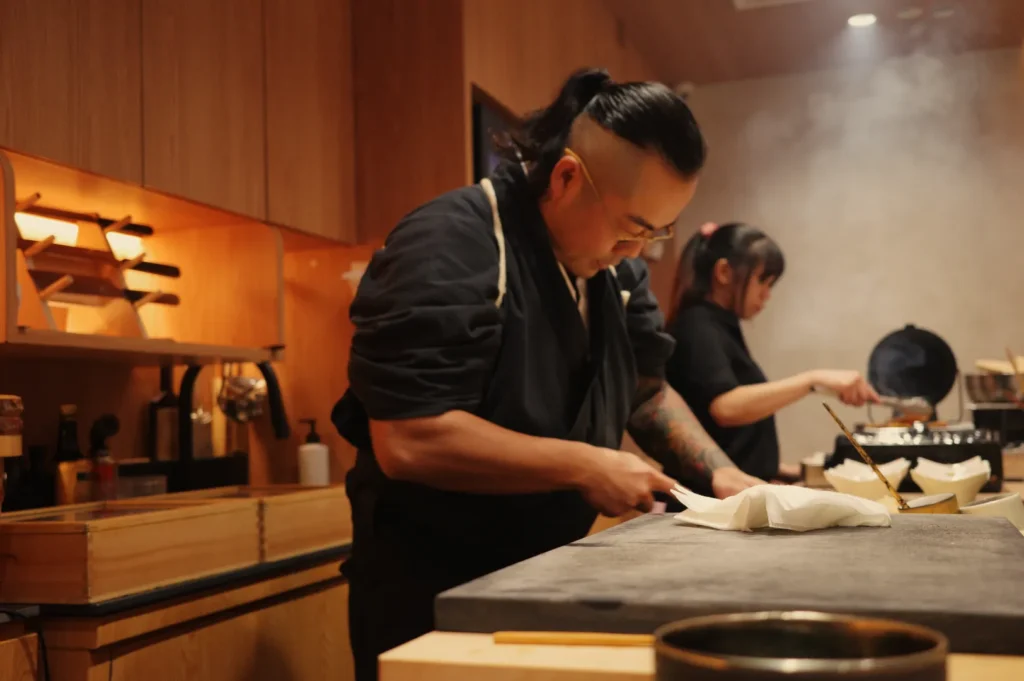
If you are staying at a hotel, the hotel concierge can be a valuable ally. A good concierge knows the local dining scene, speaks the language and can often reach a restaurant faster than a visitor navigating an unfamiliar booking system. For tourists in a new city, this can save a great deal of stress.
Still, it helps to keep expectations realistic. Even the best concierge cannot create a seat where none exists. At a counter with only eight seats, a request that arrives a day or two before can easily meet a full house. The most effective approach is to contact your hotel early, share your preferred dates and let them know you are flexible.
Some tips for working with your concierge:
- Ask well before your trip, not on arrival.
- Offer more than one date, ideally across different days of the week.
- Mention any allergies or dietary needs clearly, so the restaurant can plan.
- Confirm whether the concierge will reserve on your behalf, or whether you should do so directly.
Whichever route you take, a clear message and a little patience go a long way.
Last Minute Seats: When Flexibility Helps
Plans change, and sometimes a seat opens at short notice. Guests cancel, schedules shift, and a counter that looked full may suddenly have room. If your trip is already underway, it is worth asking about last minute availability. A polite email, written clearly and including your preferred dates, is often the best way to be considered if a space appears.
Flexibility is the traveller’s best asset. Midweek evenings can be easier than weekends, and a willingness to shift your dinner plans by a day may be the difference between a seat and a missed chance. It also helps to be realistic about group size. A counter of this scale suits individuals, couples and very small groups far better than large parties.
We also recommend that you do not leave your plans entirely to chance. If sushi is the highlight of your visit to Japan or any city where a counter has caught your eye, treat the booking as the first thing to arrange, not the last. A seat reserved weeks in advance removes the pressure and lets you enjoy the rest of your trip.
Language, Etiquette and Feeling at Ease
Some guests worry that a quiet counter may feel intimidating, particularly if they are visiting from overseas. Language can seem like a barrier, and the traditions around sushi can feel unfamiliar. In reality, a good counter is welcoming. Chef Masa is happy to explain each dish in English, introduce the ingredients and guide you through the evening at a comfortable pace.
A few small pointers make the experience smoother:
- Arrive on time. Courses are timed, and each piece is best enjoyed the moment it is placed before you.
- Eat sushi soon after it is served. The temperature of the rice and the texture of the fish are at their best in the first moments.
- Ask questions freely. Curiosity is welcome, and a chef who loves his craft is glad to share it.
None of this requires prior knowledge. All you need is an open mind and an appetite for something unhurried.
An Evening at Sushi Masa by Ki-Setsu
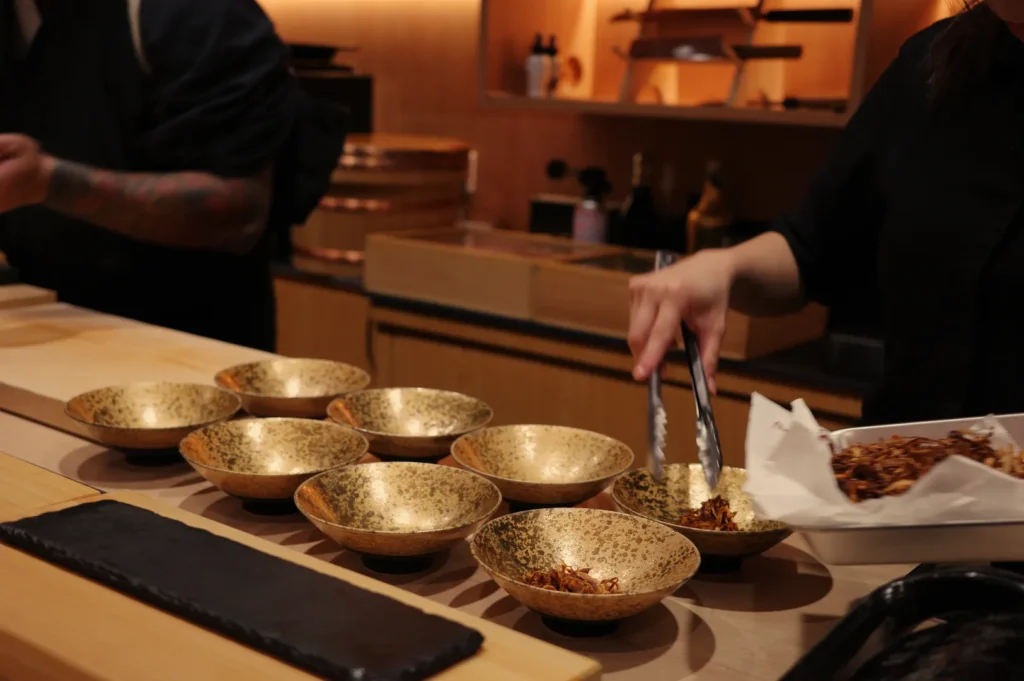
When you take a seat at Sushi Masa by Ki-Setsu, the outside world fades. The counter is intimate, the room is calm, and the evening unfolds one piece at a time. There is no rush and no distraction, only Chef Masa, the seafood and the quiet rhythm of an Edomae dinner.
Our omakase is the only way we serve, and that singular focus is deliberate. It allows us to concentrate on what we do best: sourcing exceptional ingredients from Toyosu Market, preparing them with traditional technique and presenting each piece with care. We do not chase gimmicks or crowd the plate with excess. Refinement means restraint, and restraint is what makes a dish memorable.
Those who book with us often say the evening feels less like a meal and more like a conversation. Chef Masa watches, listens and adapts, so that no two evenings are quite the same. That is the real reward of a small counter, and it is why we believe the wait is worth it.
How to Reserve a Seat at Our Counter
If you would like to join us, we encourage you to reserve directly through our website at Sushi Masa by Ki-Setsu. Planning ahead gives you the widest choice of dates, and it allows us to prepare for your preferences with care. If you have special requirements or questions, send us an email and we will reply as soon as we can.
For guests staying at a hotel, we are always glad to hear from a concierge acting on your behalf. A clear request with several possible dates helps us find the best fit.
The Wait Is Part of the Story
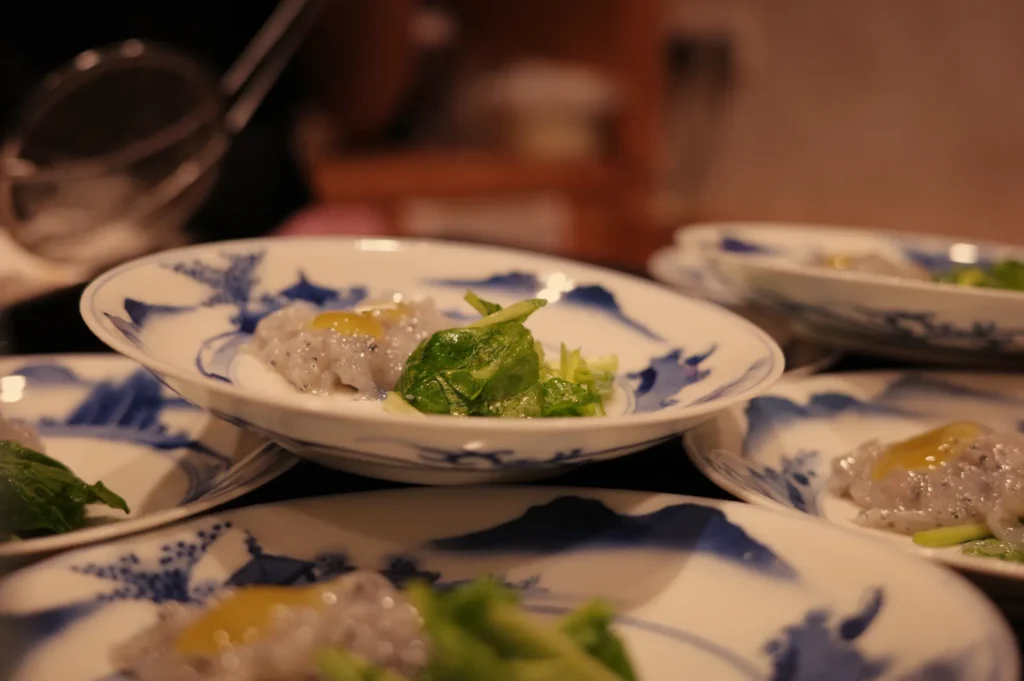
A hard to book omakase counter is not hard to book by accident. It reflects a chef who limits his seats so that every guest receives his full attention, and ingredients so carefully chosen that they cannot be multiplied at will. The wait is, in a sense, a sign of respect for the craft.
Whether you find us through Google Maps, your hotel concierge or a recommendation from a friend, we would love to welcome you. Reserve early, stay flexible, and come with an appetite. Chef Masa will take care of the rest, and we look forward to seeing you at Sushi Masa by Ki-Setsu.