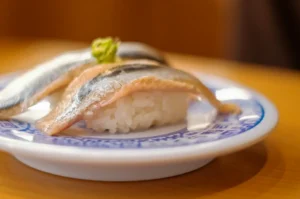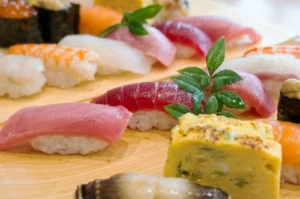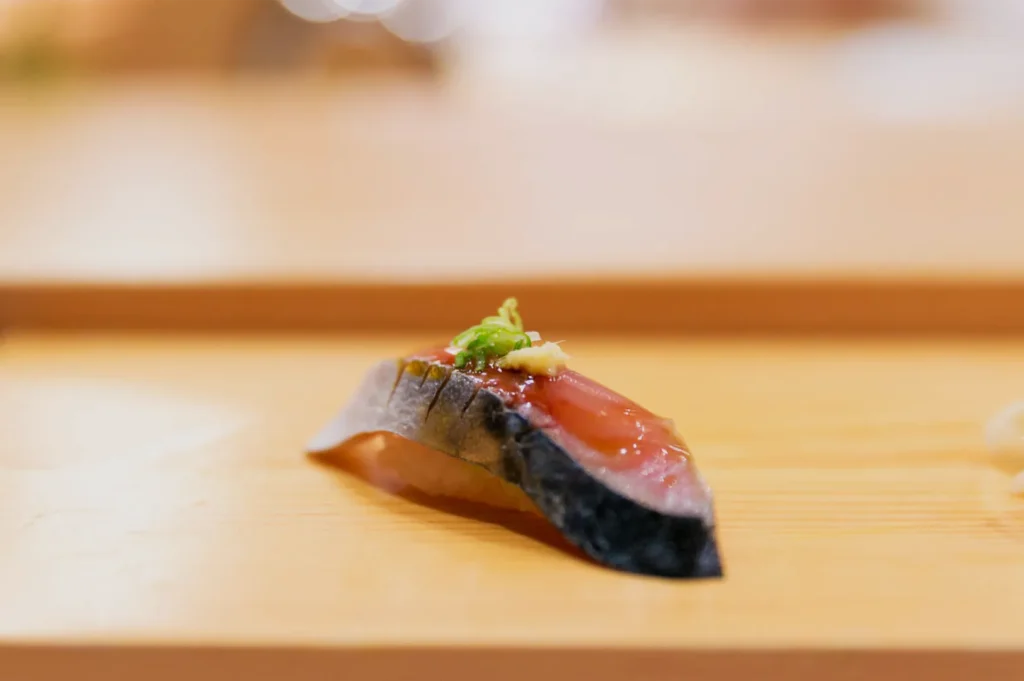
Saba arrives at the counter with a quiet shimmer. Blue-green skin, wavy dark lines, a silver belly that catches the light.
Scomber japonicus is one of the most distinctive fish in Japanese cuisine, and one of the most historically significant. It belongs to the hikarimono, the silver-skinned fish, known for oily flesh and bold flavour. For centuries, it has needed salt and vinegar before it could be eaten raw.
When it comes to sake pairing, saba asks for character. Its high oil content, rich omega-3 profile and deep umami call for a sake with structure. Delicate styles simply fade beside it.
This guide explains how preparation shapes the match, which styles work, and which to avoid. It belongs to our wider exploration of sake pairing, which offers a fuller foundation.
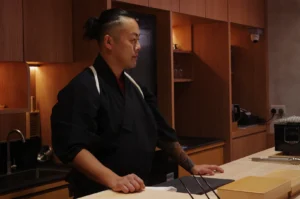
And when you wish to taste it yourself, Japanese omakase at Sushi Masa brings carefully cured saba together with considered sake selections.
What Is Saba? The Fish That Demanded Preservation
Saba is Pacific or chub mackerel, Scomber japonicus. It is a small, pelagic fish with a sleek, torpedo-shaped body built for open water.
Its oil content is high, among the highest of commonly eaten sushi fish. That richness is its gift and its challenge. Saba degrades very quickly after it is caught, and that oil turns sharp and fishy within hours.
Freshness also matters for safety. Mackerel can carry anisakis, a parasite found in many wild marine fish. This is why careful handling, close inspection and rapid chilling have always been central to serving saba well. Curing does not remove this risk on its own, so trusted sourcing and proper treatment, including freezing where appropriate, remain essential.
These traits made raw saba unsuitable for traditional Edomae sushi. The answer was shime, the art of curing.
The Shime-Saba Process
The method is patient and precise:
- Filleting: the fish is filleted with the skin left on.
- Salting: a generous layer of salt draws out moisture, firms the flesh and removes fishy odours.
- Rinsing: the salt is washed away once it has done its work.
- Vinegar marinade: the fillets rest in rice vinegar for anywhere from two hours to overnight.
The salt concentrates flavour. The vinegar changes the surface proteins, turning the outer flesh slightly opaque and adding a bright, acidic edge.
The result tastes quite different from raw saba. Vinegar cured mackerel brings salt and acid to the plate, and both must be weighed when choosing a sake.
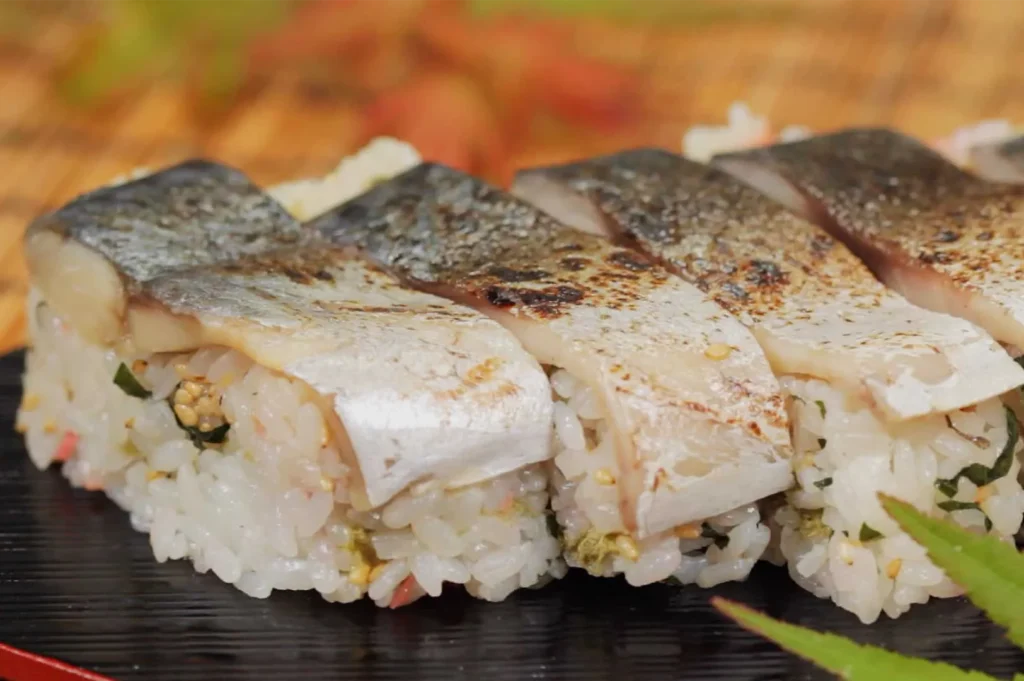
Saba Shioyaki
Saba shioyaki is the cooked expression: salt-grilled mackerel. High heat renders the oil, crisps the skin and leaves the flesh beneath juicy and rich. A faint smoke lingers.
How Preparation Method Changes the Pairing
One fish, three paths. The way saba is prepared decides what the sake must do.
Here lies the heart of saba mackerel sake pairing. A sake that sings beside grilled saba may feel harsh beside the cured fish. Getting the mackerel acidity sake balance right depends on reading the plate first.
Shime-Saba: Let the Vinegar Lead
The vinegar marinade already brings acid to the fish. The sake does not need to supply it all. A sake that is too sharp can make the whole experience feel hard and thin.
For a shime mackerel pairing, look for moderate acidity, a San-do (acidity level) of around 1.2 to 1.5, with generous umami body.
Something interesting happens here. The vinegar in the fish, the glutamates in the sake and the oil in the flesh meet in a three-way exchange: acid, umami, richness. Each softens and lifts the others.
Kimoto and yamahai styles are long-standing favourites with shime-saba. Their traditional fermentation brings earthy depth and lactic notes that echo the vinegar cure. Choose bottles at the gentler end of their acidity range.
The classic garnishes of grated ginger and scallion add another layer. They find a natural partner in the herbal notes of sakes brewed with Omachi rice.
Raw Saba: Cut Through the Oil
Very occasionally, saba is exceptionally fresh, often within hours of the catch, and handled with great care. Then it may be served raw. This is the exception, not the tradition.
Without vinegar, the full oil intensity is present. The sake must work harder. Look for higher acidity, around San-do 1.5 to 1.7. A crisp, dry junmai or a bright nama-zake (unpasteurised sake) can cut cleanly through the richness.
Saba Shioyaki: Warmth Meets Warmth
Grilling renders much of the oil and adds caramelised, smoky depth. Warmed junmai or honjozo suits it well. The heat of the sake meets the heat of the fish, and the fuller body holds firm against concentrated, cooked flavours.
Recommended Sake Styles for Saba
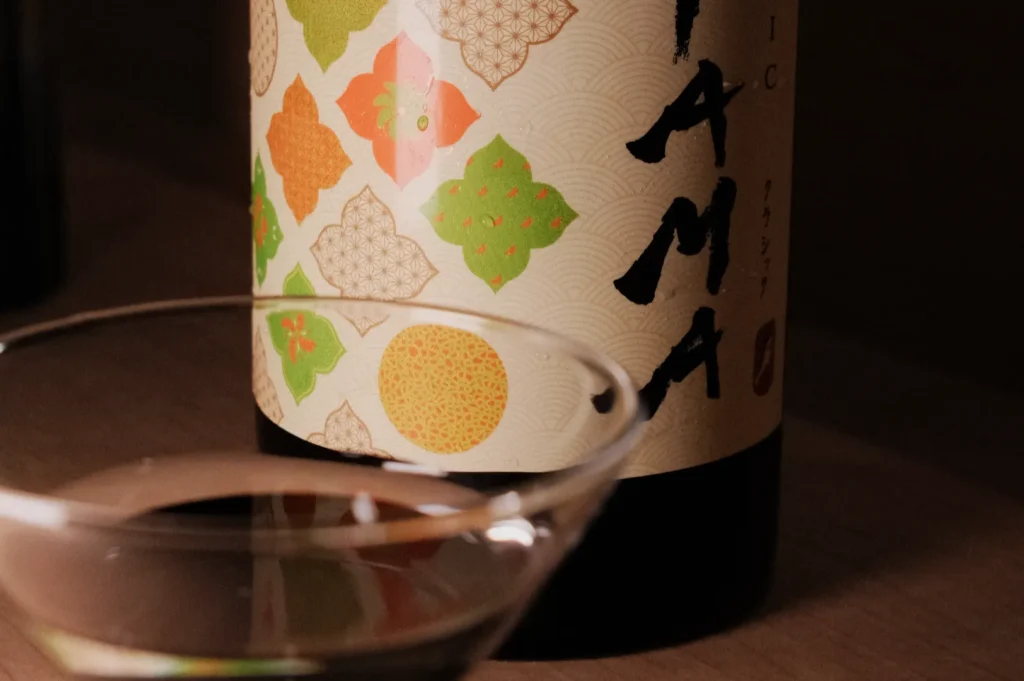
Bold fish, structured sake. These five styles each answer a different preparation.
Kimoto Junmai
The kimoto method uses a traditional pole-mashed yeast starter. It produces a robust, earthy sake with lactic complexity and a San-do of around 1.5 to 1.8.
This is the classic match for shime-saba nigiri. The lactic notes mirror the vinegar cure. The body meets the oily flesh as an equal.
Yamahai Junmai
Yamahai skips the pole-mashing and lets fermentation run a little wilder. The character is less predictable, often gamier, with higher acidity.
It suits saba cured with stronger vinegar or rested for longer, where the fish has gained depth and needs a partner with equal presence.
Omachi Rice Sakes
Omachi is the oldest pure sake rice strain still grown today. Sakes brewed with it often carry herbal, earthy and gently spicy notes.
Beside saba nigiri topped with ginger and scallion, these aromas meet and linger. A quiet, aromatic conversation.
Dry Junmai (SMV +4 to +8)
The SMV, or Sake Meter Value, measures dryness. Higher numbers mean drier sake.
For saba shioyaki, a dry junmai warmed to 45 to 50°C works beautifully. Warmth matches the hot fish. Dryness cuts through the rendered oil and refreshes the palate between bites.
Nama-Zake (for Raw Saba Only)
Unpasteurised nama-zake has a bright, sharp acidity and a lively, fresh character. When raw saba is exceptionally fresh, it slices through the oil with clarity.
Keep it for raw saba alone. Beside the cured fish, its sharpness can clash with the vinegar.
Styles to Avoid
- Sweet or nigori sakes: sweetness clashes with both vinegar and oil.
- Delicate daiginjo: refined and fragrant, but overwhelmed by saba’s intensity.
- Warmed aromatic ginjo: heat strips away the aromatics, leaving the oil to dominate.
Practical Sake Pairing: Saba Tips for Diners
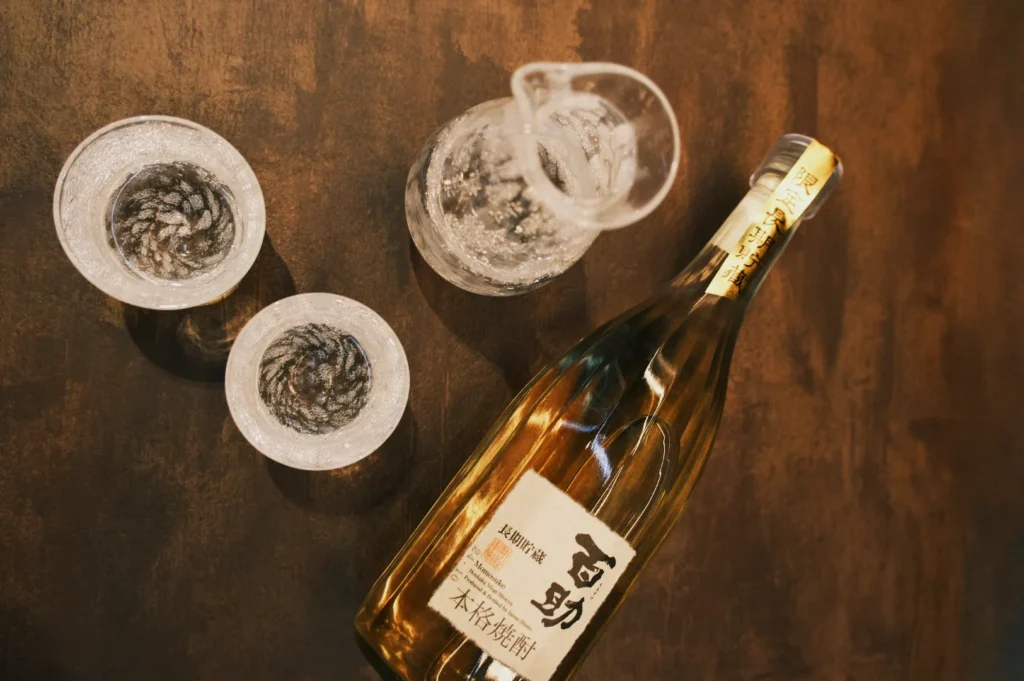
A few simple habits make the experience more rewarding:
- Ask how the saba is prepared. Cured, raw or grilled, each calls for a different sake. Your chef will gladly tell you.
- Notice the garnish. Ginger and scallion point towards herbal, earthy sakes such as those brewed with Omachi rice.
- Taste the fish first. Let the vinegar and oil settle on your palate, then sip. You will feel how the sake reshapes the flavour.
- Mind the temperature. Chilled or room-temperature kimoto suits cured saba. Warmed dry junmai suits the grill.
- Trust the counter. In an omakase setting, the chef and sake list are already in quiet agreement. Let them guide you.
- Share what you discover. Pairings feel personal. Note which combinations stay with you, and talk about them with your dining companions.
A common misstep is reaching for the most expensive bottle. With saba, structure matters more than price. A humble kimoto often outshines a prestigious daiginjo.
Conclusion
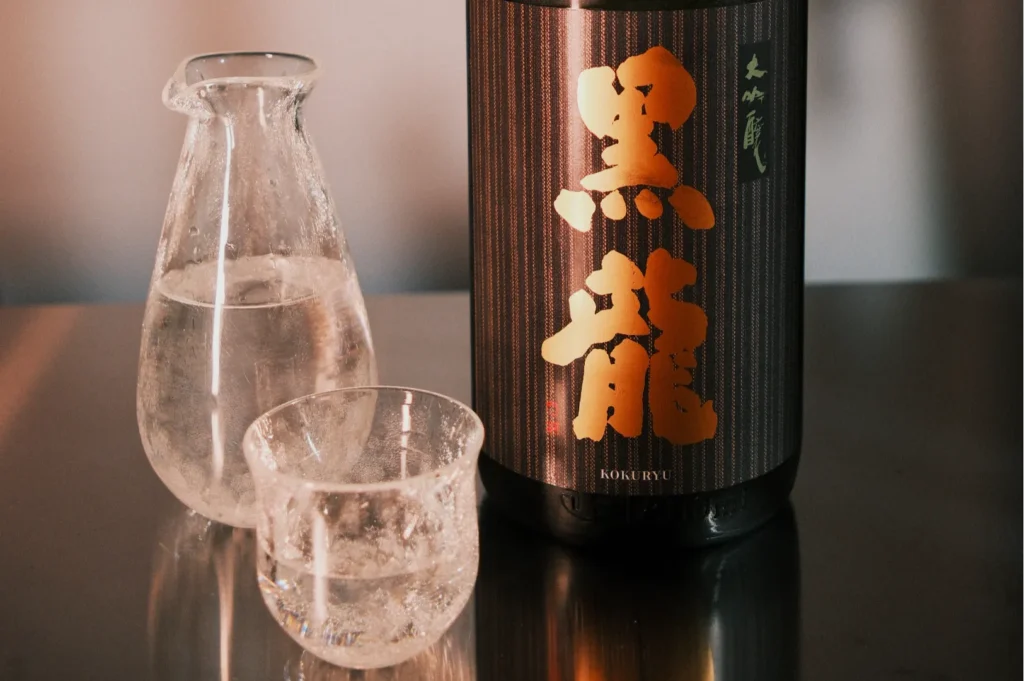
Saba is one of the most rewarding fish for sake pairing. Its strong character gives bold, structured sakes room to show what they can do.
The vinegar cure adds a layer of complexity that meets the old kimoto and yamahai methods in fascinating ways. Grilling opens another path, where warmed dry junmai finds its natural place.
Cured or grilled, saba is the hikarimono tradition at its most compelling. A fish that preservation turned into one of sushi’s most distinctive pleasures.
Eight seats at Cuppage Plaza. Cured saba, a glass of kimoto, a moment of stillness.
Join us at Sushi Masa by Ki-Setsu, and let the pairing unfold.